
San Diego Food & Wine Guide: Local Cuisine, Markets & Wine Estates
What does it taste like, exactly, to be this close to the border and this close to the Pacific at the same time? San Diego has been quietly answering that question for decades – with a fish taco in one hand and a Temecula Viognier in the other, standing in the sunshine looking faintly pleased with itself. This is a city where Mexican culinary traditions don’t influence the food so much as define it, where the farmers’ markets are among the finest in California, and where a wine country of genuine distinction sits just an hour inland – largely overlooked by visitors who flew straight to Napa. Their loss, frankly. This San Diego food and wine guide covers everything worth knowing: the regional cuisine, the best local producers, the wine estates to visit, the markets, the cooking classes, and the food experiences that make a trip here taste completely different from anywhere else.
The Regional Cuisine: Baja Med and Beyond
San Diego’s culinary identity is shaped by geography more than trend. Sitting at the southernmost tip of California, sharing a border with Baja California, the city draws freely from Mexican cooking traditions – not as fusion or novelty, but as lived culinary reality. The result is what chefs here call Baja Med: a cooking philosophy that weaves together Mexican ingredients and techniques with Mediterranean sensibilities and the extraordinary produce of Southern California. It is, in practice, some of the most interesting and genuinely original food in America.
Seafood is central. The Pacific delivers excellent yellowtail, halibut, sea bass and spiny lobster, all of which appear on menus at every level of ambition. The abundance of citrus, avocado, tomatoes and chillies grown across the wider region means that sauces and accompaniments carry real brightness. Olive oil from local producers adds an unexpected sophistication. The cooking style tends toward the relaxed and unfussy – this is not a city much interested in architectural plates of food – but the quality of the underlying ingredients carries everything effortlessly.
Avocados deserve special mention. San Diego County produces more avocados than anywhere else in the United States. They appear in everything from sophisticated ceviche to the region’s beloved guacamole, and local chefs treat them with the kind of reverence other regions reserve for truffles. Which is entirely appropriate, because they are that good here.
Signature Dishes You Must Try
The fish taco is non-negotiable. Born in the Baja coastal towns and perfected in San Diego’s taquerías and beach stands, it is the defining dish of this city – battered or grilled fish, shredded cabbage, crema, pico de gallo, a squeeze of lime, all wrapped in a soft corn tortilla. The version you find at a plastic-tabled roadside spot may be better than the one served at a restaurant with a waiting list. This is not an insult to the restaurant.
Carne asada fries are the city’s guilty pleasure of record: a mound of french fries layered with carne asada, guacamole, sour cream, cheese and pico de gallo. No one in San Diego is apologising for them. You shouldn’t either. Birria tacos – slow-braised beef with a consommé for dipping – have become something of an obsession across the region, and the quality here is exceptional.
For something more refined, look to the city’s ceviche tradition, which draws from both Baja and Peruvian influences. Aguachile – raw seafood cured in lime juice with cucumber and chilli – is elemental and electric. Grilled lobster in the Puerto Nuevo style, accompanied only by butter, beans and tortillas, is the kind of dish that makes elaborate food feel slightly unnecessary.
San Diego Wine: The Temecula Valley
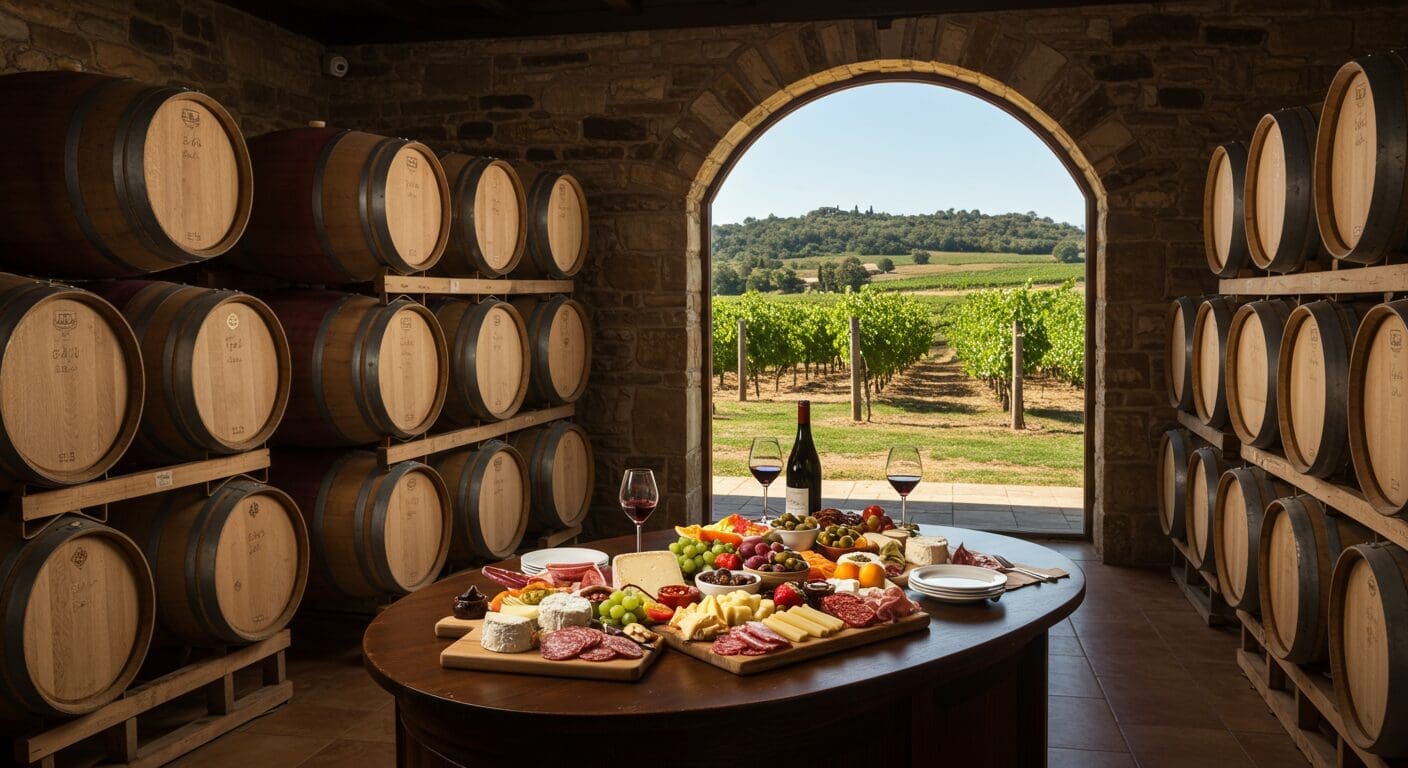
Temecula Valley sits about 60 miles north-east of San Diego and is California’s most southerly wine region of consequence. It is not, to be clear, Napa. It doesn’t want to be. What it offers is something different: a warm-climate region with granitic soils and reliable afternoon breezes, producing wines that have genuine character without the weight of expectation – or the weight of Napa prices.
Rhône varieties thrive here. Viognier, in particular, finds a natural home in the valley’s well-draining soils, producing wines with generous aromatics, stone fruit character and enough acidity to work beautifully alongside the bold flavours of Baja Med cooking. Grenache and Syrah perform admirably, and producers working with Tempranillo are producing some of the most distinctive bottles in Southern California.
The valley’s established estates – there are around 50 operating wineries – range from serious production facilities to family-run properties where the winemaker will pour you a glass themselves and talk you through the harvest as if you have all afternoon. You may well discover that you do. The landscape is all rolling hills and dry grassland, the tasting rooms are generally excellent, and the standard of hospitality is the kind that doesn’t feel like hospitality – it just feels like welcome.
Wine Estates Worth Visiting
Visiting Temecula’s wine estates is, at its best, a properly immersive day. The most rewarding approach is to pick three or four estates rather than attempt a sweep of the valley – quality over ambition, in line with everything else San Diego eats and drinks.
Several of the valley’s top producers offer private tasting experiences for serious visitors: library tastings of vertical vintages, cellar tours with the winemaker, and in some cases private lunch pairings on their terraces. These are the experiences worth booking in advance. Sitting with a Viognier and a view across the valley, eating food that has been designed specifically around that bottle, is an entirely different proposition from a flight at a busy tasting bar on a weekend afternoon.
Some estates have expanded into boutique accommodation, vineyard picnic packages and private harvest experiences during the autumn months. For travellers staying in luxury villas in the San Diego area, a self-driven Temecula tour makes an excellent full day – the roads are pleasant, the valley compact, and you can be back for dinner without any particular effort.
Food Markets: Where San Diego Shops
California has a justified reputation for its farmers’ markets, and San Diego delivers some of the best. The variety and quality of produce on offer reflects the extraordinary agricultural diversity of the county – subtropical fruits grown in the hills, year-round vegetables from inland valleys, seafood landed at the docks, and artisan producers of every kind. The markets are, in short, a reliable way to understand what makes this region distinct.
The Little Italy Mercato, held on Saturdays in the neighbourhood of the same name, is among the finest urban farmers’ markets in the state. It runs along a stretch of Date Street and draws an excellent mix of produce vendors, cheese makers, bread bakers, flowers and prepared foods. It is also where the city comes to be seen, which adds a layer of entertainment entirely free of charge. The selection of local citrus alone – blood oranges, Cara Caras, Meyer lemons, kumquats – is worth a visit in winter and spring.
The Hillcrest Farmers Market, running on Sundays, has a different energy: more neighbourhood, less scene. The prepared food selection is outstanding, and the stalls here have a broader range than many similar markets. For travellers self-catering from a villa, this is prime territory for assembling something exceptional without entering a supermarket at all.
The Ocean Beach Farmers Market, held Thursday evenings, combines the market with the particular pleasure of buying dinner ingredients as the sun starts to fall toward the Pacific. There are worse ways to spend a Thursday.
Cooking Classes and Culinary Experiences
For travellers who want to do more than eat well, San Diego offers a range of cooking experiences that go well beyond the standard tourist class. The most interesting are those tied specifically to the region’s Baja Med identity – learning to make corn tortillas by hand, working with Baja seafood, understanding the construction of proper mole. These are skills and flavours you will actually bring home.
A number of local chefs offer private in-villa cooking experiences, which are particularly well suited to groups renting luxury villas in San Diego. The format is simple: a local chef arrives, brings market-fresh ingredients, walks guests through the preparation of a San Diego-inspired menu, and then serves it. The instruction is real; the dinner that follows is better. Several services of this kind operate across the city, and the quality is consistently high.
For a more structured culinary education, the region’s cooking schools offer classes in everything from sushi and Japanese knife technique – a nod to San Diego’s significant Japanese-American population and its world-class tuna fishing industry – to wine and food pairing specifically focused on Temecula Valley producers. There are also excellent street food tours of the Barrio Logan neighbourhood, where the concentration of taquerías and Oaxacan restaurants is genuinely extraordinary.
Olive Oil and Artisan Producers
San Diego County’s Mediterranean climate – warm, dry summers, mild winters, long growing seasons – makes it well suited to olive cultivation, and a small but serious community of local olive oil producers has established itself across the region. The oils tend toward the green and grassy, with enough pepper and bitterness to suggest genuine quality rather than the anonymous blandeur of most supermarket bottles.
Several olive ranches in the inland hills offer tastings and direct sales. A few have extended into broader agritourism – tours of the groves, harvest experiences in late autumn, and tasting tables where you can work through multiple varieties side by side. It is a pleasantly low-key way to spend a morning, and you will leave with bottles you will actually use.
Beyond olive oil, San Diego’s artisan food scene has expanded considerably over the past decade. Small-batch hot sauce makers, craft chocolate producers, specialty jam and preserve makers using local citrus and stone fruit, and a growing number of serious cheesemongers all contribute to a food culture that rewards the kind of slow, exploratory shopping that markets and independent producers invite.
The Best Food Experiences Money Can Buy
San Diego has a top tier of food experiences that justify significant investment – not because they are expensive, but because they are genuinely exceptional and genuinely of this place.
A private fishing charter followed by an on-board or dockside cook-up of the day’s catch is about as direct a food experience as you will find anywhere. The waters off San Diego are rich with yellowtail, tuna, halibut and rockfish, and several charter companies work with chefs who will prepare the catch to order. It is the kind of thing that feels slightly indulgent to arrange and completely obvious in retrospect.
A private sunset dinner on the terrace of a Temecula Valley wine estate, with a menu designed around the estate’s own bottles, is the sort of experience that leaves you slightly incredulous that you had not done it sooner. Several wineries offer this on a bespoke basis for groups.
For truffle enthusiasts, it is worth noting that while San Diego does not have an established domestic truffle industry, a number of the city’s fine dining restaurants import both black and white truffles seasonally and make considerable use of them. The truffle menus at several of the better establishments in the downtown area are serious and worth booking well ahead.
Finally, the omakase tradition has taken strong hold in San Diego – a natural fit for a city this connected to the Pacific. A counter seat at one of the city’s better Japanese-inspired sushi or seafood omakase restaurants is a genuinely world-class experience. The quality of tuna in particular, landed locally, is as good as you will find anywhere.
Plan Your Culinary Stay
A destination this rich in food and wine rewards a base that gives you genuine freedom – the kind of freedom that comes from having a private kitchen stocked with Little Italy Mercato finds, a terrace from which to open a Temecula Viognier, and enough space to have a chef cook for your group without anyone eating in shifts. Our luxury villas in San Diego are selected precisely for this kind of trip: properties that understand food travel, where the kitchen is a serious room and the location puts you within reach of everything this guide describes.
For a broader picture of the destination – beaches, neighbourhoods, art, architecture, and everything else San Diego does quietly well – our San Diego Travel Guide is the place to start.
What is the best time of year to visit Temecula Valley wine estates?
Temecula Valley is enjoyable year-round, but the most atmospheric time to visit is during the harvest season, typically running from late August through October. Temperatures are warm but manageable, the vines are at their most visually dramatic, and many estates offer harvest experiences and special events. Spring – from March to May – is also excellent, with mild weather, flowering vines and a full calendar of releases and tastings. Summer weekends can be busy; visiting on a weekday gives you a noticeably more relaxed experience.
What makes San Diego’s food scene different from the rest of California?
The proximity to the Mexican border is the defining factor. San Diego’s food culture draws deeply and genuinely from Baja California’s culinary traditions – not as an imported style but as everyday practice. The result is a city where Mexican food at every level of formality is among the best in the United States, where the Baja Med cooking philosophy blends Mexican ingredients with Mediterranean techniques and Californian produce in ways unique to this region, and where the fish taco – humble as it sounds – represents a genuine culinary tradition rather than a novelty. The Pacific seafood and the extraordinary local agriculture complete the picture.
Can I arrange a private chef cooking experience when staying in a San Diego luxury villa?
Yes – private chef experiences are well established in San Diego and work particularly well in a villa context. A number of local chefs offer bespoke in-home dining services, ranging from a market-to-table dinner featuring local seasonal produce to fully tailored tasting menus built around Baja Med flavours. Many will source ingredients from the farmers’ markets the same morning, which adds a pleasing circularity to the experience. It is worth booking in advance for the better-regarded chefs, particularly during peak season and over weekends.