Setúbal Travel Guide: Where to Stay, Eat & Explore in Luxury
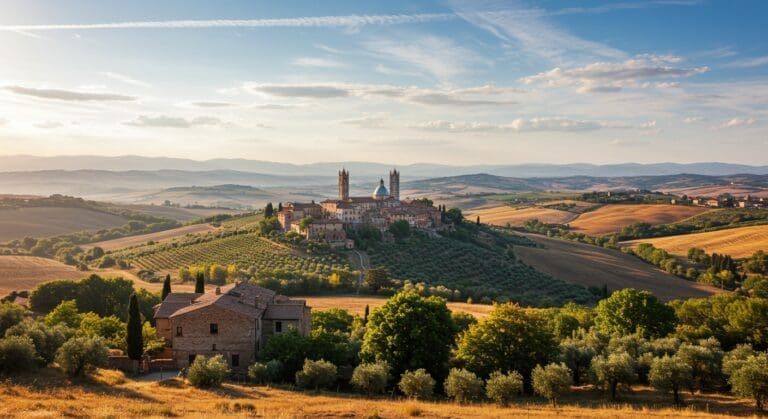
It begins, as the best days here always do, with coffee you didn’t have to make yourself, taken on a terrace somewhere above the Sado estuary while the light does that particular thing it does in this corner of Portugal – turning the water the colour of old silver and making everything feel, temporarily at least, like a painting someone has decided to let you live inside. Later, there will be dolphins. Not the distant, blink-and-you’ll-miss-it variety that feature in so many travel disappointments, but actual bottlenose dolphins, resident in the estuary year-round, indifferent to your delight and entirely magnificent. Between these two moments you’ll eat cuttlefish so fresh and perfectly fried it will recalibrate your sense of what lunch is supposed to mean. By evening, there will be cold wine, local and excellent, and the specific, irreplaceable satisfaction of a place that has not yet decided to become anyone’s idea of a destination. Setúbal, in short, is still magnificently itself.
What makes this part of Portugal so quietly compelling is how well it fits so many different kinds of traveller – and how little it seems to be trying. Couples celebrating something significant – an anniversary, a milestone birthday, a decision finally made – find in Setúbal a place with genuine romance that doesn’t require a filter. Families who want privacy, space, and a private pool without the organised entertainment of a resort discover that the region delivers all three in abundance. Groups of friends who’ve outgrown the idea of sharing a single villa bathroom and want something properly generous in scale find properties here that match their ambitions. Remote workers seeking reliable connectivity alongside the kind of natural scenery that makes opening a laptop feel almost forgivable will not be disappointed. And those travelling specifically for wellness – for sea air and long walks and the particular clarity that comes from being somewhere beautiful and largely unhurried – will find Setúbal rewards them thoroughly.
Getting Here Is Easier Than Setúbal Would Like You to Know
Lisbon’s Humberto Delgado Airport is the obvious entry point, and it’s a pleasingly short journey from there – roughly 45 minutes to an hour by car, depending on traffic and the particular mood of the A2. That proximity to one of Europe‘s most dynamic capital cities is one of Setúbal’s less-discussed advantages: it means you can land, clear customs, and be sitting on a terrace with a glass of Moscatel before most people have found their luggage carousel. Private transfers from Lisbon are easy to arrange and genuinely worth the small premium – the roads are good, the scenery improves markedly as you cross the Tagus and head south through the Setúbal Peninsula, and arriving at a villa by taxi with three overstuffed suitcases is a particular kind of holiday misery that is entirely avoidable.
Once in the region, a hire car is by some distance the most sensible choice. Setúbal itself is compact and walkable in its historic centre, but the surrounding natural park, the wine estates, the quieter beaches and the string of small villages that reward exploration are all most easily reached by road. Parking is generally uncomplicated outside the city centre. The local bus network exists and is admirably affordable, but unless you enjoy a schedule that reflects a more philosophical approach to punctuality, a car is the answer.
What You’ll Eat Here Will Ruin Other Holidays
Fine Dining
Xtoria is the name that serious food travellers should write on the back of their hand before arriving. Opened in 2019 in the waterfront area of the city, it has already collected two Michelin Guide awards – both in the category recognising outstanding quality-to-price ratio, which is perhaps the most useful kind of Michelin recognition there is. The chef works with fresh, seasonal, locally sourced ingredients, threading contemporary culinary technique through deeply traditional Portuguese flavours. The choco frito – deep-fried cuttlefish, Setúbal’s signature dish – appears here in a form that manages to honour what the dish has always been while making you see it slightly differently. The grilled fish, chosen according to what arrived that morning, is the sort of thing you’ll mention to people months later, slightly to their irritation.
For those who want atmosphere alongside their food, Sem Horas, set in one of the most architecturally distinctive buildings in the historic centre, offers a charming terrace and a concept built around sharing – platters of cheese, charcuterie, thoughtfully assembled small dishes, accompanied by a wine list that leans confidently local. It is, in the best possible sense, the kind of place that makes you stay longer than you planned.
Where the Locals Eat
Any serious conversation about Setúbal’s food scene begins, and possibly ends, at Casa Santiago. Known widely as the Rei do Choco Frito – the King of Fried Cuttlefish, a title no one appears to be contesting – this is exactly the kind of place that doesn’t need to advertise because the queue at noon does that work for it. Arrive at twelve if you want a table without waiting; arrive at half past and accept whatever fate offers. The cuttlefish is extraordinary in the way only very simple food prepared with absolute conviction can be. The service is quick. The atmosphere is loud and cheerful. It is thoroughly, unapologetically local, and it is one of the best lunches you will eat in Portugal.
Batareo, on the docks overlooking the Sado, operates on terms that are almost aggressively honest: there is no fixed menu. You look at the showcase, you point at what looks best, and it goes on the grill. Horse mackerel, red mullet, sea bass, sole – whatever came in that morning – alongside hake roe and cuttlefish to start. It is the kind of eating experience that makes menus seem faintly unnecessary.
Hidden Gems Worth Seeking Out
Carnes do Convento earns its place not through novelty but through conviction – it is, straightforwardly, a very good meat restaurant in a country more often celebrated for its fish, which makes it something of a quiet rebel. Reviewers describe meat cooked to genuine perfection, a wine list that takes local production seriously, and the kind of service that doesn’t rush you. The sangrias are, reportedly, excellent. For a group lunch that goes long into the afternoon, it is difficult to improve upon.
Beyond the restaurants, the city’s covered market – the Mercado do Livramento – is worth an early morning visit simply to see Setúbal being Setúbal, before the day’s performance begins for anyone else. The fish hall is operatic in scale and atmosphere.
A Landscape That Makes You Question Your Life Choices – in the Best Way
The Parque Natural da Arrábida is the headline, and it earns it. Stretching along the southern coast of the Setúbal Peninsula, this protected area of limestone hills, dense Mediterranean scrubland and sea cliffs dropping to waters of a blue so intense it looks chemically enhanced contains some of the finest coastal scenery in southern Portugal – arguably in the entire Iberian Peninsula. The beaches here are not the wide, flat, commercial variety; they are small, relatively secluded, edged by rock formations of considerable drama, and backed by hills that smell of rosemary and pine. Portinho da Arrábida is the most celebrated, and consequently the busiest in high summer, but the park contains enough coastline that finding a quieter stretch requires only a willingness to walk a little further than everyone else.
The Sado Estuary Nature Reserve is the other essential geographical feature – a vast, protected wetland and waterway that shapes everything about this region’s character, from its food to its wildlife to the particular quality of its light in the late afternoon. The estuary is home not only to the resident dolphin population but to extraordinary birdlife: flamingos, spoonbills, herons, and hundreds of other migratory and resident species make this one of Portugal’s most significant birding habitats. It is, in a word, remarkable – and almost entirely overlooked by the kind of traveller who arrives with a list of Instagram coordinates rather than binoculars.
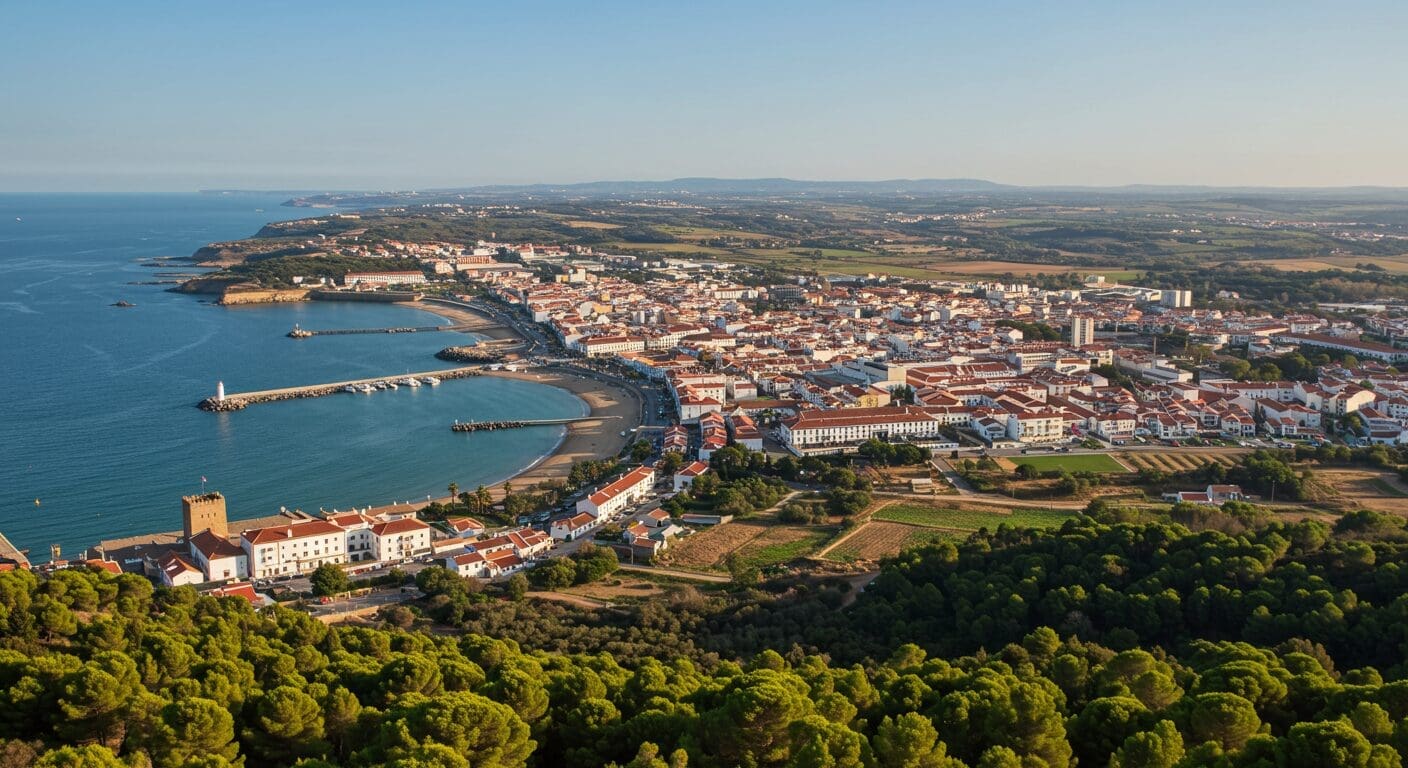
The city of Setúbal itself sits at the mouth of the estuary with a historic centre that rewards slow exploration. The Igreja de Jesus, built in the late 15th century and widely considered one of the finest examples of early Manueline architecture in Portugal, is a genuine landmark. The surrounding streets retain an authenticity that coastal resort towns elsewhere long ago traded away for souvenir shops and sports bars. It has not yet been discovered in the way that phrase usually implies something has been ruined. That is worth something.
Things to Do That Will Actually Fill the Days
The dolphin watching tours on the Sado Estuary are, without overstating it, genuinely extraordinary. The bottlenose dolphin population here – around 30 individuals who live in the estuary year-round rather than passing through – represents one of the rarest resident cetacean communities in European waters. Tours depart from Setúbal’s harbour and typically last two to three hours, exploring the wider estuary ecosystem. The dolphins appear on their own terms and schedule, which means there is always a slight delicious uncertainty to proceedings. They are, in the experience of most visitors, reliably obliging. Guides with genuine knowledge of the individual animals – many can be identified by fin markings – add a dimension to the experience that lifts it well beyond a standard wildlife boat trip.
Wine tasting in the Setúbal wine region is another activity that deserves more attention than it typically receives. The peninsula’s vineyards produce wines of real distinction, and the Moscatel de Setúbal – a fortified muscat of considerable complexity and history – is one of Portugal’s most underrated bottles. Several estates offer tastings paired with local food, which given the region’s culinary reputation makes for an afternoon that is comprehensively good. The wine tourism infrastructure here is developed enough to be excellent without being so polished it becomes impersonal.
Day trips into Lisbon are easy and worthwhile – the city is close enough to feel like a genuine option rather than an ordeal. But the pull of the Arrábida coastline and the estuary is strong enough that many visitors find they have less interest in leaving the region than they expected.
For Those Who Want to Be Slightly Heroic About It
The Arrábida Natural Park is a serious proposition for hikers. The network of trails through the limestone hills and maquis scrubland ranges from gentle coastal walks to genuinely demanding ascents with views that justify every step. The ridge trail running above the south coast is among the finest day walks in Portugal, with the sea appearing and disappearing through gaps in the vegetation in a way that never quite loses its impact. Walking here in spring, when the wildflowers are out and the air carries the concentrated scent of rosemary and cistus, is an experience that is difficult to convey adequately in prose. It is simply very good.
The waters of the Arrábida coast are among the clearest in Portugal – a consequence of both the limestone geology and the protected status of the natural park – and this makes them exceptional for diving and snorkelling. Several diving centres operate in the area, offering trips to underwater rock formations, caves, and a marine environment of genuine richness. Sea kayaking along the cliffs and into sea caves is another popular option, and one that allows access to sections of coastline that are unreachable any other way.
Cyclists will find the peninsula offers routes that range from leisurely coastal rides to challenging hill climbs with serious elevation gain. The roads through the natural park carry relatively little traffic and pass through landscapes that make the effort feel thoroughly worthwhile. Mountain biking trails through the park add another dimension for those who find tarmac insufficiently exciting.
Sailing and motorboat hire from Setúbal harbour opens up the estuary and the coast in the most independent way possible – anchor off a beach, swim in deep clear water, return when ready. It is an arrangement that suits Setúbal’s particular character rather well.
Why Families Who’ve Done It Once Book Again Immediately
Setúbal works for families with children in the way that only genuinely varied destinations do – there is enough here to satisfy the competing demands of parents who want culture and cuisine and children who want water and wildlife and the freedom to be loud outdoors. The dolphin watching tours are an obvious highlight; there is something about the sight of a real wild dolphin at close quarters that bypasses even the most resolutely unimpressed eleven-year-old. The beaches of the Arrábida are safe, beautiful, and calm enough in the sheltered coves to be genuinely suitable for younger swimmers.
The specific advantage of a luxury villa with a private pool in this context is difficult to overstate. It means the day doesn’t have to be planned around anyone else’s schedule. It means a tired four-year-old can nap while the teenagers swim and the adults have a proper conversation over lunch. It means the evening routine happens at your pace, in your space, with no lobby to navigate and no minibar to explain to a curious eight-year-old. Villas with large gardens, outdoor dining areas, and professional kitchens make multi-generational travel – grandparents included – not just workable but genuinely pleasurable. The region around Setúbal has properties that accommodate these dynamics with space and grace.
Practically speaking, children are welcomed warmly and naturally throughout the region – in restaurants, in markets, in casual settings of all kinds. This is not a place that regards the presence of small people as an inconvenience requiring management.
A History That Explains Everything, Including the Wine
Setúbal has been important for longer than most places. Its natural harbour on the Sado estuary made it a significant trading port during the Roman period, and by the 15th and 16th centuries it was deeply embedded in Portugal’s extraordinary age of maritime exploration – the spice trade, the routes to India and Brazil, the entire audacious enterprise of a small nation that decided to map the world. The Igreja de Jesus, completed around 1490, is a monument to that moment: one of the earliest and finest expressions of the Manueline style, which fused Gothic architecture with maritime motifs – ropes, coral, armillary spheres – into something uniquely, gloriously Portuguese. The twisted stone columns of the interior are worth the visit alone.
The regional museum, housed in a former convent adjacent to the church, holds a collection of 16th-century Portuguese paintings of considerable quality and significance, including a series of panels attributed to Jorge Afonso. These are not the works of a minor regional collection doing its best; they are genuinely important paintings in an appropriately beautiful setting.
The Moscatel de Setúbal has its own history that intersects neatly with the city’s trading past – fortified wines that could survive long sea voyages, produced from muscatel grapes grown on the sunny limestone slopes of the peninsula, and still made today in a tradition that stretches back centuries. Drinking a well-aged Moscatel from a local estate is, in a small but real sense, drinking history. It also simply tastes wonderful, which helps.
Local festivals animate the city’s calendar with the kind of genuine community enthusiasm that tourist events rarely manage to replicate. The Feira de Santiago, held each July, is among the oldest and most celebrated in Portugal, drawing the city together around music, food, and the particular collective pleasure of a warm summer evening with no particular agenda.
What to Bring Home (Beyond the Wine, Obviously)
The Mercado do Livramento is the natural starting point for anyone who wants to eat well during their stay and also depart with something worth carrying home. The azulejo tile facade of the building is one of Setúbal’s most photographed features – though the interior, with its fish vendors, fruit and vegetable stalls, and general atmosphere of purposeful commerce, is at least as interesting. Local ceramics, particularly the distinctive blue and white tile work found throughout the region, make for the kind of souvenir that actually looks good at home rather than sitting in a drawer reminding you of an impulse purchase.
Moscatel de Setúbal is the obvious bottle to bring back, and the good news is that the local production ranges from straightforward and affordable to genuinely aged and remarkable. A well-chosen bottle from a respected estate is a far better gift – to yourself or anyone else – than most things available in airport departures. Local honey, olive oil, and artisan preserves from the market are all worth carrying, within the patient tolerance of your luggage allowance.
The historic centre has a scattering of independent shops and artisan producers that reward the kind of slow, unscheduled browsing that is one of the genuine pleasures of being somewhere not yet overwhelmed by tourism. The retail offer is not extensive, but what exists is the real thing.
The Practical Matters (Someone Has to Say It)
Portugal uses the euro, and Setúbal is meaningfully more affordable than Lisbon and considerably more affordable than comparable coastal destinations in Spain. That value proposition extends across the dining scene, the wine, and the accommodation market – a luxury villa that would command a significant premium elsewhere in the Mediterranean range offers exceptional quality here at prices that feel, frankly, like someone’s mistake. It is not. It is simply Portugal being Portugal.
The language is Portuguese, and while English is spoken comfortably in the hospitality industry and by most younger residents, making even a modest attempt at basic Portuguese phrases is received with warmth rather than the polite indifference that greets such efforts in some other countries. “Obrigado” and “com licença” will take you further than you might expect.
The best time to visit depends on what you’re after. May, June and September are near-perfect: warm enough for swimming, not so hot that the midday Arrábida hillsides require a medical evaluation to navigate, and pleasingly uncrowded compared to high summer. July and August bring the peak of the season, the fullest heat, and the most competition for the best Arrábida beaches – arrive early or accept the company. Spring and autumn offer exceptional hiking conditions, superb light, and the sense of having a very good destination largely to yourself. Winters are mild by northern European standards – the United Kingdom sends many of its residents here in February specifically to remind themselves that outdoor dining without a coat is not, in fact, a fiction.
Tap water is safe to drink throughout Portugal. Tipping is customary but not contractual – rounding up or leaving ten percent in restaurants is the local norm, and anything beyond that is received with genuine appreciation rather than expectation. Safety is not a meaningful concern; Setúbal is a working Portuguese city with correspondingly low crime rates and a general atmosphere of unhurried civic life.
Why a Private Luxury Villa Here Is the Only Sensible Answer
The case for a luxury villa in Setúbal is not a difficult one to make, which is perhaps why it barely needs making. The region offers exactly the combination of qualities that make private accommodation not merely preferable but genuinely transformative: extraordinary natural scenery that begins at your terrace rather than requiring a taxi; a food culture so good that having a professional kitchen at your disposal becomes an active pleasure rather than a practical convenience; and a pace of life that rewards lingering, which is precisely what villas facilitate and hotels quietly resist.
Privacy is the first and most significant advantage. The Arrábida coastline and the Setúbal Peninsula are not, by the standards of the western Mediterranean, overrun – but the difference between sharing a resort pool with forty strangers and having your own pool on a hillside above the estuary is the difference between a holiday and an actual rest. For families, that private outdoor space is the axis around which everything else turns. For couples on milestone trips, it provides the seclusion that no hotel corridor, however thickly carpeted, can quite replicate.
For groups of friends or multi-generational families – grandparents, parents, children and the particular negotiations that entails – a large villa with multiple bedroom wings, separate living areas, and outdoor spaces that allow everyone to find their own corner of the day is the only arrangement that keeps everyone genuinely happy rather than diplomatically tolerant of each other. Properties in this region range from intimate two-bedroom retreats to substantial estates sleeping sixteen or more, many with staff options including private chefs, concierge services, and daily housekeeping.
Remote workers – and there are more of you every year, which is entirely understandable – will find that high-spec villa properties increasingly come with Starlink or fibre connectivity that makes a working morning entirely viable, leaving the afternoons free for dolphin watching and the evenings for wine that costs a fraction of what it would anywhere else in western Europe. This is not working from home. It is considerably better than that.
Wellness-focused guests will discover that the natural infrastructure of this region – the walking trails, the clean sea, the warm light, the general unhurriedness – does a great deal of the work before any villa amenity is factored in. Add a private pool, a terrace facing the estuary, and the quality of sleep that only genuinely quiet places provide, and the cumulative effect is restorative in a way that is difficult to achieve elsewhere.
Explore our full collection of luxury holiday villas in Setúbal and find the property that fits your particular version of a perfect week.
More Setúbal Travel Guides
- Best Restaurants in Setúbal: Fine Dining, Local Gems & Where to Eat
- Setúbal Food & Wine Guide: Local Cuisine, Markets & Wine Estates
- Setúbal with Kids: The Ultimate Family Holiday Guide
- Best Time to Visit Setúbal: Month by Month Weather, Crowds & Tips
- Setúbal Luxury Itinerary: The Perfect 7-Day Guide
- Romantic Setúbal: The Ultimate Couples & Honeymoon Guide
What is the best time to visit Setúbal?
May, June and September offer the most balanced experience – warm enough to swim comfortably, cool enough to walk the Arrábida hills without suffering, and noticeably less crowded than July and August. High summer is hot, busy on the best beaches, and best approached with early starts and low expectations of solitude. Spring brings wildflowers, excellent light, and hiking conditions that are hard to improve upon. Winter is mild by northern European standards – outdoor lunches in February are entirely normal – and the region has a quiet, authentic quality out of season that many travellers find more rewarding than the peak months.
How do I get to Setúbal?
Lisbon’s Humberto Delgado Airport is the obvious and most practical entry point, approximately 45 minutes to an hour south of Setúbal by car via the A2 motorway. Direct flights to Lisbon operate from most major cities across Europe, with frequent connections from the UK, Germany, France, the Netherlands and beyond. A private transfer from the airport is the most comfortable option and easy to arrange in advance. Alternatively, hire cars are widely available at the airport and provide the flexibility the region rewards. There is also a rail connection between Lisbon and Setúbal, though a car remains strongly recommended for exploring the wider peninsula and Arrábida Natural Park.
Is Setúbal good for families?
It is very good indeed. The combination of calm, beautiful beaches in the sheltered coves of the Arrábida coastline, the resident dolphin population in the Sado Estuary, and the general Portuguese warmth towards children in restaurants and public spaces makes it a destination that works comfortably for families with children of all ages. The practical advantages of a private villa – pool, outdoor space, flexible mealtimes, no lobby or lifts – make the daily logistics of family travel considerably more manageable. The region is also compact enough that younger children are not subjected to long drives between activities, which is a mercy everyone appreciates.
Why rent a luxury villa in Setúbal?
The short answer: privacy, space, and a pool that belongs entirely to you. The longer answer is that Setúbal’s particular pleasures – the food, the wine, the natural scenery, the pace of life – are best experienced from a base that allows you to inhabit the place rather than pass through it. A private villa gives you the outdoor terrace for long lunches, the kitchen for market produce, the pool for the middle of the afternoon, and the kind of quiet that hotels charge a significant premium for and rarely quite achieve. The staff-to-guest ratio at a well-appointed villa – private chef, concierge, daily housekeeping – surpasses what most hotels offer at the same price point, often comfortably so.
Are there private villas in Setúbal suitable for large groups or multi-generational families?
Yes, and the range is considerable. The Setúbal region has properties ranging from intimate retreats for two to substantial estates accommodating sixteen or more guests across multiple bedroom wings, with separate living areas that allow different generations or friend groups to coexist happily without the constant negotiation that single shared spaces require. Many larger properties come with staff options – private chefs, daily housekeeping, concierge services – that make managing a large group genuinely effortless rather than theoretically possible. Private pools are standard at the luxury end of the market, and many properties include outdoor dining areas, games facilities, and grounds large enough to give everyone a quiet corner when they need one.
Can I find a luxury villa in Setúbal with good internet for remote working?
Increasingly, yes. Premium villa properties in the region are equipping themselves with high-speed fibre or Starlink satellite connectivity specifically in response to demand from guests who need reliable working conditions. It is worth confirming bandwidth speeds and workspace arrangements directly when booking, particularly if video calls and large file transfers are part of your daily working life. The practical arrangement – a productive morning at a well-connected desk, followed by an afternoon on the Arrábida coast or the estuary – is one that the region supports rather well, and the time zone alignment with the rest of western Europe makes managing professional schedules relatively straightforward.
What makes Setúbal a good destination for a wellness retreat?
The region does much of the wellness work simply by being what it is. The Arrábida Natural Park provides some of Portugal’s finest walking and hiking terrain, with clean sea air and landscapes that have a demonstrably calming effect. The waters off the Arrábida coast are among the cleanest in the country, ideal for open water swimming and kayaking. The pace of life in the region – unhurried, food-focused, oriented towards the outdoors – is itself restorative in a way that dedicated wellness resorts occasionally struggle to manufacture. Villa amenities – private pools, outdoor yoga terraces, hot tubs, and in some properties private gym facilities – add a structured dimension to that natural foundation. Sleep quality, consistently noted by guests, benefits from the quiet and the air.