Best Time to Visit Southern Italy: Month by Month Weather, Crowds & Tips
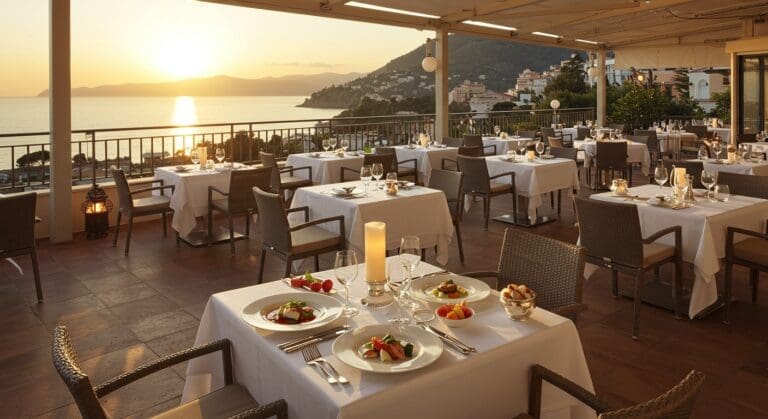
When, exactly, is the right time to sit on a terrace above the Amalfi Coast with a glass of something cold, watching the light turn the sea from blue to gold? The honest answer is: it depends entirely on what you want from Southern Italy – and what you’re prepared to tolerate to get it. The south is not a one-size-fits-all destination. It rewards the curious, the patient, and the well-informed. It punishes the underprepared with August traffic jams, closed car parks, and the particular misery of being sunburned while queuing for a boat. This guide exists so you don’t have to learn any of that the hard way.
Southern Italy at a Glance: The Seasonal Logic
Southern Italy – covering Campania, Puglia, Basilicata, Calabria, and the islands of Sicily and Sardinia – operates on a seasonal rhythm that is more pronounced than almost anywhere else in Europe. The peaks are very peak and the troughs are genuinely, admirably quiet. The climate is Mediterranean in the truest sense: hot, dry summers; mild, occasionally wet winters; and two shoulder seasons – spring and autumn – that many seasoned travellers now consider the best-kept secret in European luxury travel.
Understanding this rhythm means you can make an informed choice rather than simply booking when everyone else does. Prices, availability, temperatures, festival calendars, road conditions, restaurant hours – all of it shifts dramatically across the calendar year. What follows is a month-by-month breakdown of exactly what to expect.
January and February: The South in Winter
January and February are, without question, the quietest months in Southern Italy. Temperatures along the Amalfi Coast and in the towns of Puglia range from around 8 to 14 degrees Celsius – cool enough to require a jacket, mild enough to walk comfortably. Inland areas, particularly in Basilicata and the Calabrian highlands, can see frost and even snow. The coast, however, remains remarkably temperate.
What you gain in winter is solitude. The streets of Matera are yours. The hilltop villages of the Valle d’Itria feel as they might have done a generation ago – quiet, functional, lived-in by actual locals rather than itinerant gelato sellers. Many smaller restaurants and beach clubs are closed, but the good trattorias, the wine bars, and the family-run agriturismos tend to remain open year-round, and you’ll often find yourself the only non-Italian at the table. This is either charming or alarming, depending on your confidence with hand gestures.
Prices for villa rentals drop considerably. Winter is ideal for couples seeking genuine privacy, for those interested in history and archaeology without the crowds, or for anyone who considers a quiet week in a masseria with good wine and no obligation to wear sunscreen a perfectly reasonable holiday.
March and April: Spring Arrives, Quietly at First
March begins tentatively. The almond trees flower early in Sicily and parts of Puglia, and there’s something quietly exhilarating about the countryside waking up again – wildflowers appearing on roadsides, restaurant terraces being dusted off and reopened, the sea beginning to consider being swimmable (it is not quite there yet, but it is considering it).
By April, temperatures are consistently reaching 17 to 20 degrees along the coast. Easter is the major event of the spring calendar, and in Southern Italy it is observed with genuine solemnity and theatrical flair in equal measure. Processions in towns across Puglia, Sicily, and Campania draw large local crowds – and increasingly, international visitors who have cottoned on to how extraordinary they are. Accommodation books up earlier than you’d expect around the Easter period, so forward planning is essential.
Spring suits couples, cultural travellers, and those with older children who appreciate history. It is not the season for those who require guaranteed beach weather. But the light in April across the Valle d’Itria is extraordinary, the wildflowers along the Cilento coast are in full display, and you will have the sense that you are seeing a place before it has been prepared for performance. That is worth more than another degrees of sunshine.
May: The Shoulder Season Sweet Spot
May is, for many experienced visitors, the single best month to travel to Southern Italy. Temperatures settle into a genuinely glorious range of 20 to 26 degrees. The sea is warming up – swimmable from mid-May in most areas. The tourist infrastructure is fully operational: boats are running, museums are open, restaurants have their full menus back. And yet the peak-season crowds have not yet arrived.
Prices remain below their July and August peaks. Villa availability is still good, though the most sought-after properties are going early. Families work well in May if school schedules allow – the weather is child-friendly, beaches are not yet overwhelmed, and the long evenings mean flexible rhythms. Couples find it romantic without feeling overrun. It is, in short, the moment when Southern Italy is operating at something close to its ideal.
June: The Season Begins in Earnest
June marks the start of high season. By mid-June, temperatures are regularly in the high twenties along the coast, and the first serious wave of visitors arrives. Amalfi, Positano, Taormina, Alberobello – the marquee names begin to feel their popularity acutely. The sea is warm and inviting. Beach clubs are busy. Boats to the islands and grottos require advance booking.
The upside is that everything is emphatically open, every event is running, and the evenings are long and warm enough to justify those terrace dinners that look so perfect in photographs. Early June still carries some of the shoulder-season ease; late June already belongs to high summer. If you’re arriving with a villa booking, the private-pool logic becomes immediately apparent – having your own space to retreat to when the public beaches feel like a logistics exercise is not a luxury, it is a sanity measure.
July and August: Peak Season – Know What You’re Signing Up For
July and August are the months when Southern Italy is fullest, hottest, and most expensive. Temperatures in Puglia and inland Sicily regularly exceed 35 degrees. The Amalfi Coast road becomes a slow-motion study in human frustration. The famous towns are genuinely very busy – Positano in August requires a certain philosophical acceptance of your fellow humans that not everyone has cultivated.
And yet: the sea is extraordinary. The light at seven in the evening is the best light on earth. The festivals are magnificent – the Taormina Film Festival runs through July, and the calendar of local sagre (food and cultural festivals) across Puglia and Campania is relentless and wonderful. If you have children in school, this is your window, and it is a genuinely beautiful window. The key is to rent the right villa – one with its own pool, its own garden, ideally its own slice of coastline – and to treat it as your base rather than a place to sleep between excursions. Book boats in advance. Visit popular sites at dawn. Accept August for what it is.
Prices are at their highest. Availability for quality villas requires planning months ahead. This is the season for families, for groups, for those marking celebrations. It rewards preparation and punishes spontaneity.
September and October: The Return of Good Sense
September is the other month that experienced travellers fight over, and with good reason. The sea remains warm – often warmer than June, having had three months of sun to settle into itself. Temperatures drop from the fierce thirties to a more comfortable 24 to 28 degrees. The crowds begin to thin from the second week of September onwards, and by October the transformation is almost complete.
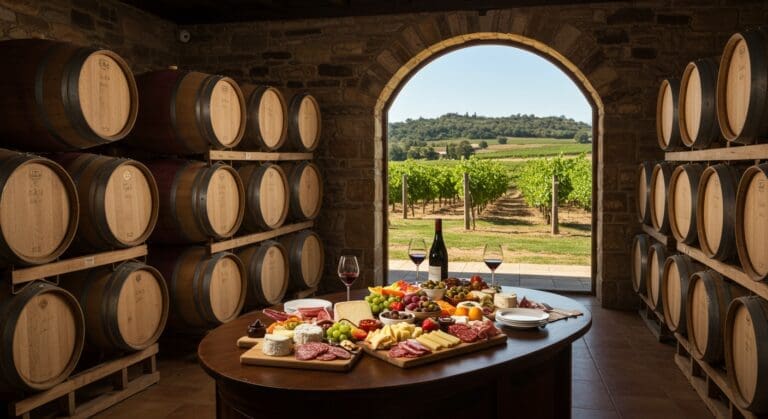
The harvest season arrives in autumn. Grape harvests animate the hillsides of Campania and Sicily. Olive picking begins across Puglia. The food markets are at their most extraordinary. Mushrooms appear in the hill towns. The cuisine shifts towards the rich, slow-cooked end of the spectrum, which is, frankly, where Southern Italian cooking does its best work anyway.
October is reliably warm on the coast – 20 to 23 degrees, often more. Rain becomes more possible from mid-October, but typically in short bursts rather than sustained gloom. The islands are particularly beautiful in autumn light – Sicily’s interior landscape, already dramatic, takes on a quality that is difficult to describe without reaching for words that would be immediately confiscated by any decent editor.
September and October suit virtually everyone. Couples seeking romance without the crowds. Families with flexible school schedules. Groups of friends who want good food, good wine, and the feeling that they’ve chosen wisely. Villa prices begin to ease in October, and availability improves. This is shoulder season at its most persuasive.
November and December: The Quietest Months
November brings the south fully into its off-season. Rain is more frequent, particularly in Campania and along the Calabrian coast. Temperatures settle into the low to mid-teens. Some smaller coastal towns close considerably, though the larger cities – Naples, Palermo, Lecce – remain fully alive and arguably more interesting without the summer filter of tourist expectations laid over them.
December brings Christmas markets to several southern cities, and the presepe (nativity scene) tradition in Naples is taken to extraordinary lengths – the Via San Gregorio Armeno, the street of nativity craftsmen, is extraordinary in December, and genuinely one of the more singular urban experiences available in Europe. The food is magnificent. The museums are empty. Sicily in December, particularly around Agrigento and the Valley of the Temples, has a gravity that summer visits never quite capture.
For those who prefer their travels without an audience, and who find meaning in places encountered outside their performed best, the winter south is a revelation. It is not for everyone. It absolutely is for some people.
Quick Reference: Best Times by Traveller Type
Families with school-age children: July and August are the practical reality, managed well with the right villa. May half-term and the Easter break offer gentler alternatives for those with flexibility. September is ideal for families who can travel slightly outside the standard school calendar.
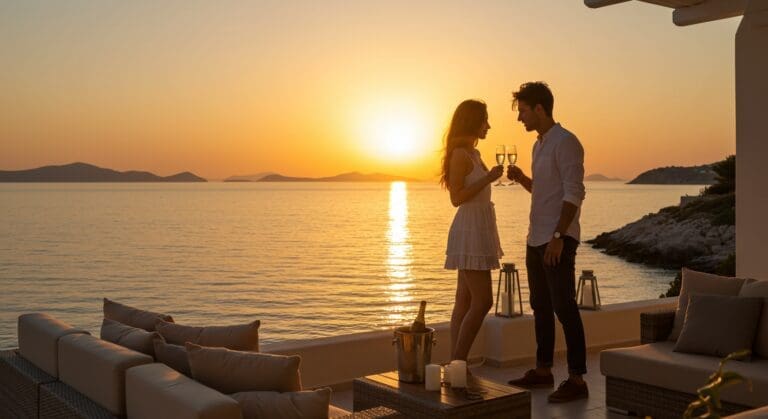
Couples seeking privacy and romance: May, June, September, and October offer the best balance of weather, atmosphere, and breathing room. January and February suit those who want genuine seclusion and don’t require beach weather.
Food and wine focused travellers: September and October, without question. The harvest season transforms the south into something that operates at a different frequency entirely.
Cultural travellers and history enthusiasts: Spring and autumn are ideal. Cooler temperatures make extended time at archaeological sites genuinely enjoyable. November through February suits those who want major sites to themselves.
Groups and celebrations: Late June, July, and early September offer the best combination of warm weather, full availability of activities, and the social energy that comes with high season. The right villa, properly selected, makes a group trip work in any season.
A Note on the Shoulder Seasons
The case for May and September is not simply financial – though prices in those months are meaningfully lower than peak. It is experiential. The south in shoulder season feels more like itself. Restaurants are not operating at maximum throughput. Locals are not yet exhausted by the demands of high summer. The road along the Amalfi Coast, at its worst in August, is navigable in May in a way that allows you to actually register that you are driving through one of the most extraordinary coastal landscapes in Europe rather than simply willing the traffic to move.
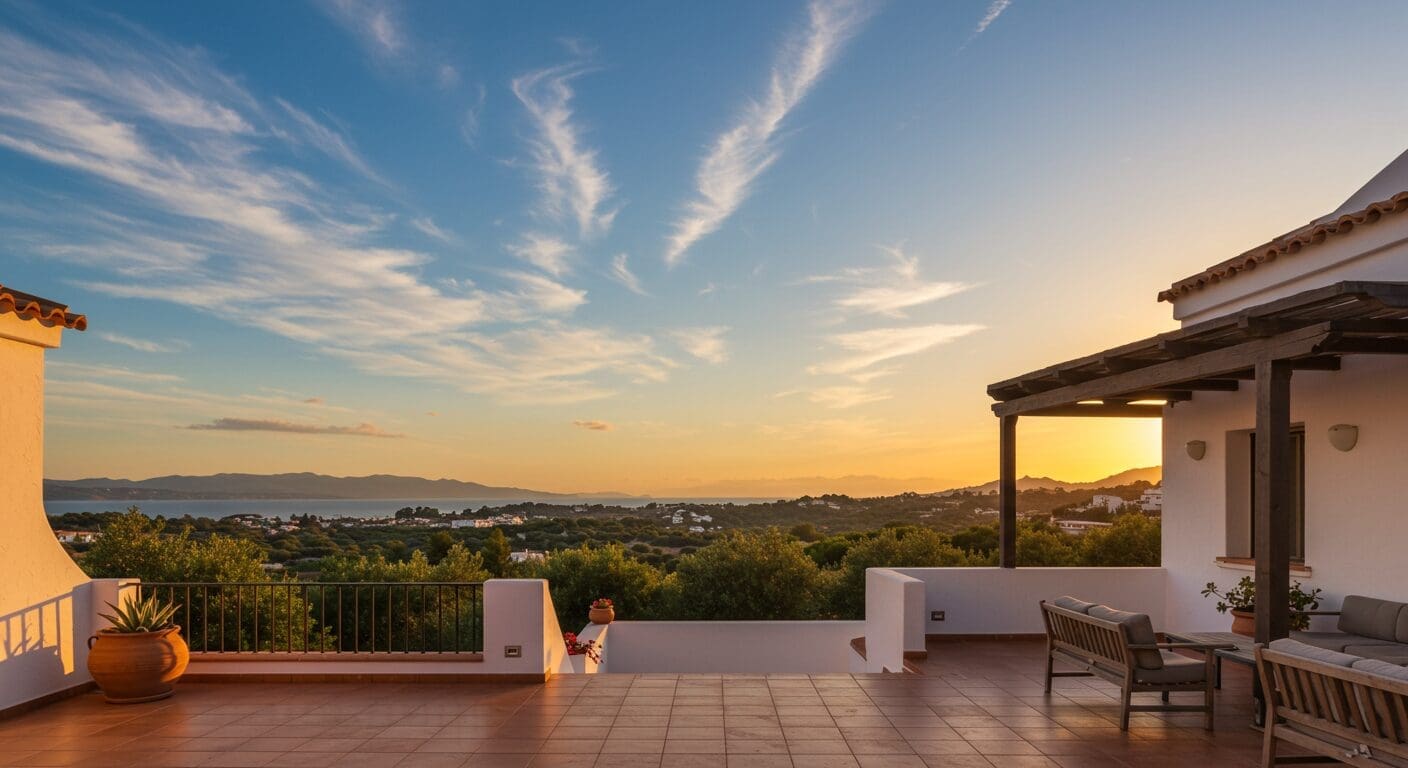
Villa availability in shoulder season also means better access to the most sought-after properties. The best villas – those with the genuinely exceptional positions, the private pools that look out over olive groves or coastlines, the ones that photograph the way you hoped your holiday would feel – book earliest and hold their bookings. Shoulder season does not mean second-tier choices. It means first-tier choices, slightly more accessible.
For everything you need to plan your trip around the right season, our Southern Italy Travel Guide covers the region in depth – from the Amalfi Coast to the heel of Puglia, from Sicily’s interior to the Aeolian Islands.
Find Your Villa
Wherever in the year you choose to visit – and hopefully this guide has helped sharpen that choice – the right villa changes the entire nature of a Southern Italy trip. It is the difference between experiencing the south and simply being in it. Whether you’re after a masseria deep in the olive groves of Puglia, a cliffside property above the Tyrrhenian, or a converted farmhouse in the Sicilian hills, the properties available through Excellence Luxury Villas have been selected because they represent Southern Italy at its most genuinely itself.
Browse our full collection of luxury villas in Southern Italy and find the property that matches your season, your group, and the kind of holiday you actually want.