Las Palmas Food & Wine Guide: Local Cuisine, Markets & Wine Estates
Here is what most visitors to Las Palmas never discover: the city eats late, argues about food constantly, and considers itself fundamentally different from the rest of Spain in ways that go well beyond geography. The food culture here was shaped not by the mainland but by Atlantic trade winds, African proximity, and waves of Latin American influence that arrived long before fusion cuisine became something restaurants put on their menus deliberately. The result is a table unlike anywhere else in Europe – which is technically accurate, since the Canary Islands sit closer to Morocco than to Madrid. Visitors who arrive expecting tapas and Rioja leave genuinely puzzled, in the best possible way.
Understanding Canarian Cuisine: The Foundation
Before you eat a single thing in Las Palmas, it helps to understand that Canarian cuisine is built on a few elemental principles: good produce, honest technique, and an almost stubborn refusal to overcomplicate things. This is not a cuisine that dresses itself up. It is a cuisine that is quietly confident it doesn’t need to.
The cornerstone of everything is the papa arrugada – small, intensely wrinkled potatoes boiled in heavily salted water until the skin crystallises. They look humble. They taste extraordinary. The variety used, the papa bonita, is indigenous to the islands and has a waxy, almost chestnut-like density that supermarket potatoes spend their entire existence failing to replicate. They are served with mojo, of which there are two schools: the red (mojo rojo), made with dried chillies, cumin and garlic; and the green (mojo verde), built around fresh coriander and sometimes parsley. The debate over which is superior is not one you want to wade into unless you have time.
Then there is gofio – roasted grain flour that has been a staple on the islands for centuries, predating Spanish colonisation. It appears in bread, in soups, as a mousse, stirred into stews, and occasionally as a dessert. It has a nutty, slightly smoky depth that makes it considerably more interesting than its description suggests. If you find yourself dismissing it as a health food, you are missing the point entirely.
Seafood dominates the menu for obvious reasons. Vieja, a local parrotfish grilled simply over charcoal, is a rite of passage. So is fresh tuna, yellow-fin and bigeye, which arrives at tables in Las Palmas with the confidence of something that has not been frozen, sprayed or interfered with. The Atlantic here is generous and the cooking respects that.
Signature Dishes Worth Seeking Out
Beyond the canonical papas arrugadas, Las Palmas has a roster of dishes that reward the curious eater. Ropa vieja deserves particular mention – not the Cuban version, but the Canarian original, a slow-cooked tangle of chickpeas, chicken, and vegetables in a saffron-tinged broth that manages to taste simultaneously ancient and completely right. It is the kind of dish that makes you understand why people return to a place.
Sancocho canario is salt-cured fish – typically wreckfish or sea bass – rehydrated and served with papas and mojo. It is a dish with the texture of something that has been waiting a long time to be eaten, in a good sense. Traditional, unapologetic, and entirely at odds with anything you might order in a hotel restaurant.
For those who eat meat, conejo en salmorejo – rabbit marinated in a sauce of vinegar, garlic, herbs and paprika – is ubiquitous for good reason. And the caldo de papas, a paprika-enriched potato broth that sounds too simple to justify the effort of ordering it, is exactly the kind of thing that quietly becomes the meal you remember.
Desserts lean towards bienmesabe – a rich almond cream sauce served over ice cream or cake – and frangollo, a milk pudding made with gofio, almonds and honey. Both are the sort of thing you tell yourself you’ll just have a taste of.
The Markets of Las Palmas
The Mercado del Puerto, in the Vegueta quarter, is the market that serious eaters visit first and lazier ones photograph and leave. It operates across two floors, with a lower level dedicated to fresh produce – local cheeses, mojo in various states of authority, piles of improbably good tropical fruit – and an upper level of market restaurants where lunch tends to stretch in directions nobody planned. The seafood bars here are particularly worth your time, and the wine list, modest as it is, skews intelligently Canarian.
The Mercado de Vegueta, in the historic district, is smaller, older, and has the atmosphere of a place that was never designed for tourism and hasn’t particularly warmed to the idea. That is precisely its charm. Local vendors, excellent aged cheeses, herbs, and the kind of frank conversation about ingredients that you get when the person selling them is also the person who made them. Arrive before ten in the morning if you want both the best selection and the most candid service.
For those with villa kitchens and genuine cooking intentions, the market visits are not optional extras. They are the point. The produce on Gran Canaria – particularly the tomatoes, bananas, avocados and citrus – operates at a level that renders most of what the rest of Europe calls fresh produce mildly embarrassing.
Las Palmas Wine: The Canarian Difference
The wines of Gran Canaria are, with respect to more famous regions, seriously underrated. They are also, for reasons of volcanic terroir and ancient vine stock, genuinely unlike anything produced on the Spanish mainland. The island sits within the Denominación de Origen Gran Canaria, established in 2005, and produces wines across five sub-zones with distinct characters.
The indigenous white varieties are the revelation. Marmajuelo produces aromatic, textured whites with a salinity that makes sense once you’ve stood on the coast. Listán Blanco is the workhorse variety, capable of everything from light, mineral-driven whites to fuller, oak-aged expressions. Among the reds, Listán Negro – unrelated to other Listán varieties despite the naming confusion – delivers wines of genuine elegance: medium-bodied, fresh-fruited, with a volcanic mineral quality that no amount of clever winemaking elsewhere can imitate.
What makes Canarian wine particularly interesting from an academic standpoint, and a drinking one, is the survival of pre-phylloxera vines. The aphid that devastated European viticulture in the late 19th century never reached the Canary Islands, meaning the island has ungrafted vines of extraordinary age. There are parcels of Listán Negro and Malvasía that were alive before anyone thought to write about wine as a serious pursuit. Drinking them is, in the most precise sense, drinking history.
Wine Estates and Bodegas to Visit
Gran Canaria’s wine estates are concentrated in the interior mountain zones, particularly around Santa Brígida, Telde, and the Tejeda region. The landscape shifts dramatically as you leave the coast – from subtropical urban sprawl to pine forest to volcanic caldera – and the wineries feel like rewards for making the journey.
The Santa Brígida zone, east of Las Palmas, is the most accessible for cellar door visits and produces some of the island’s most expressive whites. Small family bodegas here operate with the kind of scale that means the winemaker is likely to pour your tasting themselves, which tends to improve the experience considerably. Look for producers working with Marmajuelo and older-vine Listán Blanco for the most distinctive expressions.
In the southern zones, around Mogán and San Bartolomé de Tirajana, producers are working with higher altitude sites that bring greater freshness and structure to both whites and reds. These are worth a dedicated half-day drive – the roads are winding, the views are imposing in that volcanic way that makes you recalibrate your understanding of what a landscape can look like, and the wines reward the effort.
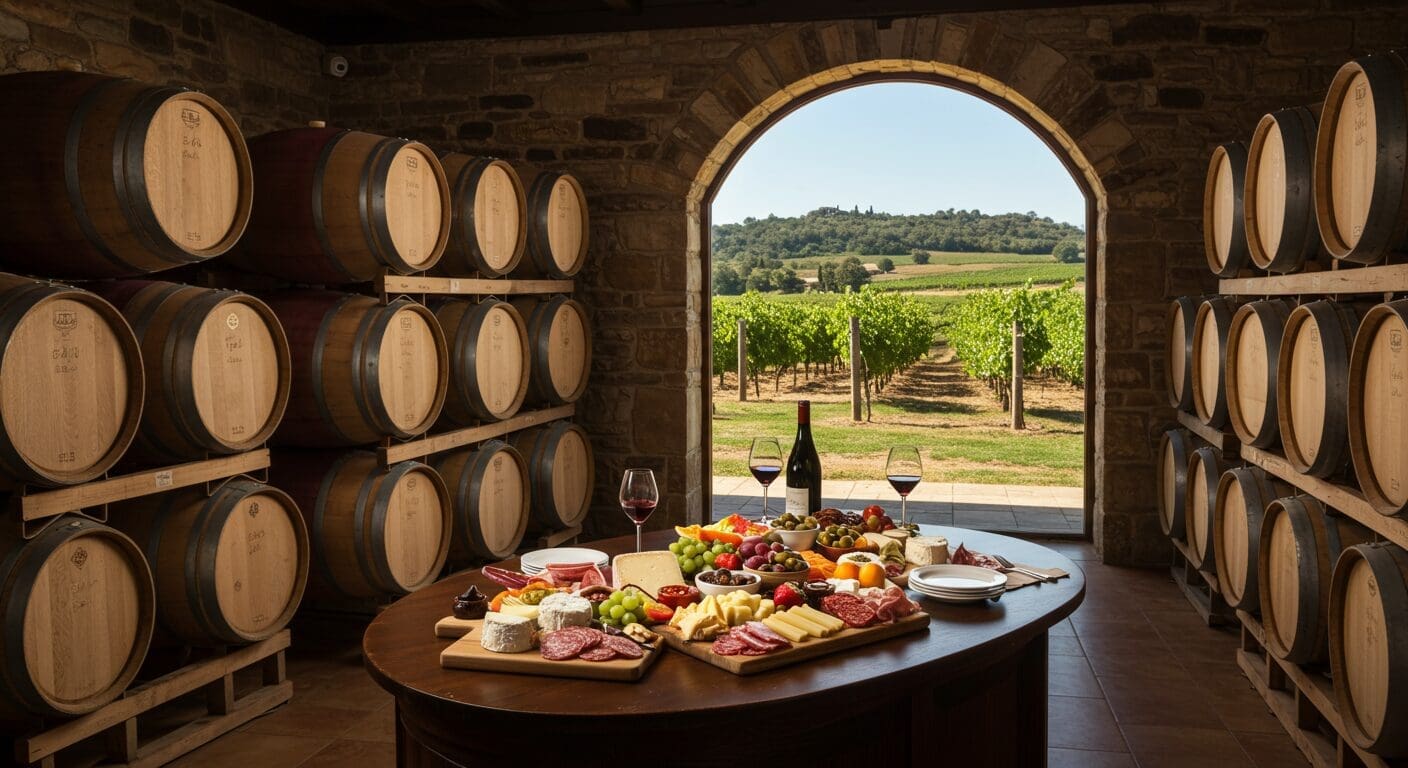
Many estates offer visits by appointment, with guided tours through the vineyards followed by structured tastings paired with local cheeses and charcuterie. Given the intimacy of the scale here, this tends to feel considerably less performative than equivalent experiences in better-marketed wine regions. Nobody is wearing a lanyard.
Cooking Classes and Food Experiences
Learning to cook Canarian food is, practically speaking, the best souvenir available. The techniques are not technically demanding – most of the cuisine operates on the principle that good ingredients, treated honestly, require minimal intervention – but understanding the logic of mojo ratios, or the difference between properly crystallised papas arrugadas and the well-intentioned approximation served in tourist restaurants, changes the way you eat for the rest of the holiday.
Cooking classes in Las Palmas range from informal home-cook sessions in Vegueta to more structured culinary workshops that include market visits, hands-on preparation, and a long, vinously assisted lunch at the end. The best of these are led by people with genuine biographical investment in the food – cooks who learned from grandmothers with strong opinions about gofio, rather than instructors who found the market on Google Maps last Thursday.
For those staying in villas – which, with a private kitchen available, makes all the practical sense in the world – the natural move is to combine a morning market visit with an afternoon cooking session, and then eat everything you’ve made on the terrace before anyone mentions going out for dinner.
Olive Oil, Local Producers, and the Supporting Cast
Gran Canaria is not an olive oil island in the way that Andalucía or Crete is an olive oil island, but that undersells what is produced here. Small-scale production around the interior valleys yields oils with a character shaped by volcanic soils and the island’s particular microclimate – generally lighter and less peppery than mainland Spanish oils, with a delicate fruitiness that works exceptionally well with the seafood-forward local cuisine.
The local cheese culture deserves considerably more attention than it usually receives. The fresh goat’s cheese of Gran Canaria – queso de cabra – is produced across the island and varies meaningfully by producer, ranging from clean and milky to more aged expressions with an assertive mineral edge. The smoked versions, produced in the traditional manner over almond shells or fruit wood, are the kind of thing you end up buying in quantities that create problems at airport security.
Honey is another serious local product. Gran Canaria produces several distinctive varieties, including palm honey (miel de palma), extracted not from bees but from the sap of the Canarian date palm – thick, dark, molasses-adjacent, and genuinely unlike anything you’ve encountered if you haven’t been here before. It appears in desserts, is drizzled over cheese, and functions as a gentle introduction to the idea that this island operates on its own terms.
The Best Food Experiences Money Can Buy
Las Palmas is not a city of grand gastronomic temples in the Michelin-starred, twelve-course sense – and this is not a complaint. The most memorable food experiences here tend to be ones that cost less than you expected and require more curiosity than most tourists are willing to bring.
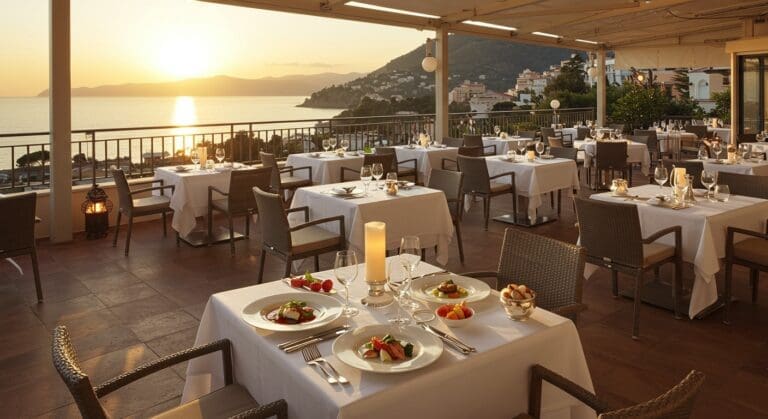
That said, there are experiences worth investing in properly. A private dinner at your villa, prepared by a local private chef using that morning’s market produce, sits at the peak of this. The combination of exceptional local ingredients, serious culinary skill, and the particular pleasure of eating on a terrace while the Atlantic light does what it does to everything – this is not something a restaurant can replicate. It is also, logistically, straightforward to arrange when staying in one of the better-equipped villas.
Dedicated gastronomy tours – full-day private experiences combining market visits, a bodega tasting, a traditional lunch at a family restaurant in the interior, and stops at producers of cheese, honey or oil – represent the kind of day that makes the rest of the week feel like recovery. They require advance planning. They reward it generously.
For wine specifically, a private guided tour of the Santa Brígida bodegas with a knowledgeable local guide, followed by a long lunch paired with wines you’ve just watched being made, is the kind of afternoon that answers every question you arrive with and raises several new ones. Bring a second bag for bottles.
Eating in Las Palmas: A Few Honest Notes
The Vegueta and Triana neighbourhoods are where the serious eating happens, and both reward the instinct to walk away from the seafront and into narrower streets. Restaurants here are smaller, menus shorter, and the cooking more personal. The evening meal in Las Palmas begins at nine and reaches its stride at ten – turning up at seven thirty is technically possible and will result in a table, but the atmosphere you’ll be eating in will be less the real Las Palmas and more a dining room that has been asked to perform before the main cast arrives.
The bares de tapas culture here has Canarian inflections that set it apart: the papas arrive as a matter of course, the wine poured is likely local, and the conversation around you, if you can follow it, is worth attempting to follow.
For the complete picture of what to do beyond the table – the architecture, the beaches, the cultural itinerary that earns the long lunches – our full Las Palmas Travel Guide covers the city from every useful angle.
Stay Well: Villas with the Kitchen to Match the Market
The honest argument for staying in a villa rather than a hotel when your holiday is built around food is this: you can actually use what you buy, cook what you learn, and eat when you want at the pace you choose. A well-equipped private villa in Las Palmas gives you a kitchen that respects the produce, a terrace that respects the light, and a level of privacy that a hotel corridor fundamentally cannot offer.
Browse our collection of luxury villas in Las Palmas to find the right base for a holiday built properly around food, wine and the particular pleasure of a city that has been quietly getting on with being excellent for longer than most people have been paying attention.