The Hamptons Food & Wine Guide: Local Cuisine, Markets & Wine Estates
There is a particular smell that defines the East End of Long Island in high summer – salt air cut through with the sweetness of just-picked corn, carried on a breeze that has travelled uninterrupted all the way from the Atlantic. Add to that the low sound of a lobster boat motoring out before dawn, and the soft thwack of a screen door somewhere on Further Lane, and you have arrived, unmistakably, in the Hamptons. Food here is not incidental to the experience. It is, in many ways, the whole point. Few places in the American Northeast can claim a larder this extraordinary – the ocean on one side, the bay on the other, farmland threading between them, and three decades of serious winemaking happening quietly in the fields beyond. This is The Hamptons food and wine guide for the traveller who already knows that eating well is not a reward for sightseeing. It is the thing itself.
The Regional Cuisine: What the East End Actually Tastes Like
To understand Hamptons food, you need to understand geography. The South Fork of Long Island is surrounded on three sides by water – the Atlantic Ocean to the south, Peconic Bay to the north, and the bays and inlets that finger between the two. That water dictates everything. Clams come in first. Littleneck clams, cherrystones, and the prized chowder clams are harvested from the cold, clean waters of the Peconic, and they appear everywhere from roadside shacks to white-tablecloth dining rooms – raw, steamed, in chowder, or stuffed in the classic clams casino preparation that never quite goes out of fashion here. Then comes lobster, then fluke, then striped bass, then the bluefish that only locals seem to eat properly (smoked, with something acidic to cut through it).
But the Hamptons is not only coastal. Its interior is quietly agricultural in the way that surprises people who arrive expecting nothing but privet hedges and designer trainers. The farmland along the Bridgehampton-Sagaponack corridor produces exceptional sweet corn, tomatoes, squash, strawberries, and potatoes – the last of which made this region famous long before the weekenders arrived. Hamptons cuisine at its best is the intelligent synthesis of this: cold water seafood treated with confidence and restraint, farm vegetables allowed to taste like themselves, and a certain East End sensibility that insists quality is its own decoration. The best meals here are not necessarily the most elaborate ones.
The North Fork Wine Country: Long Island’s Serious Secret
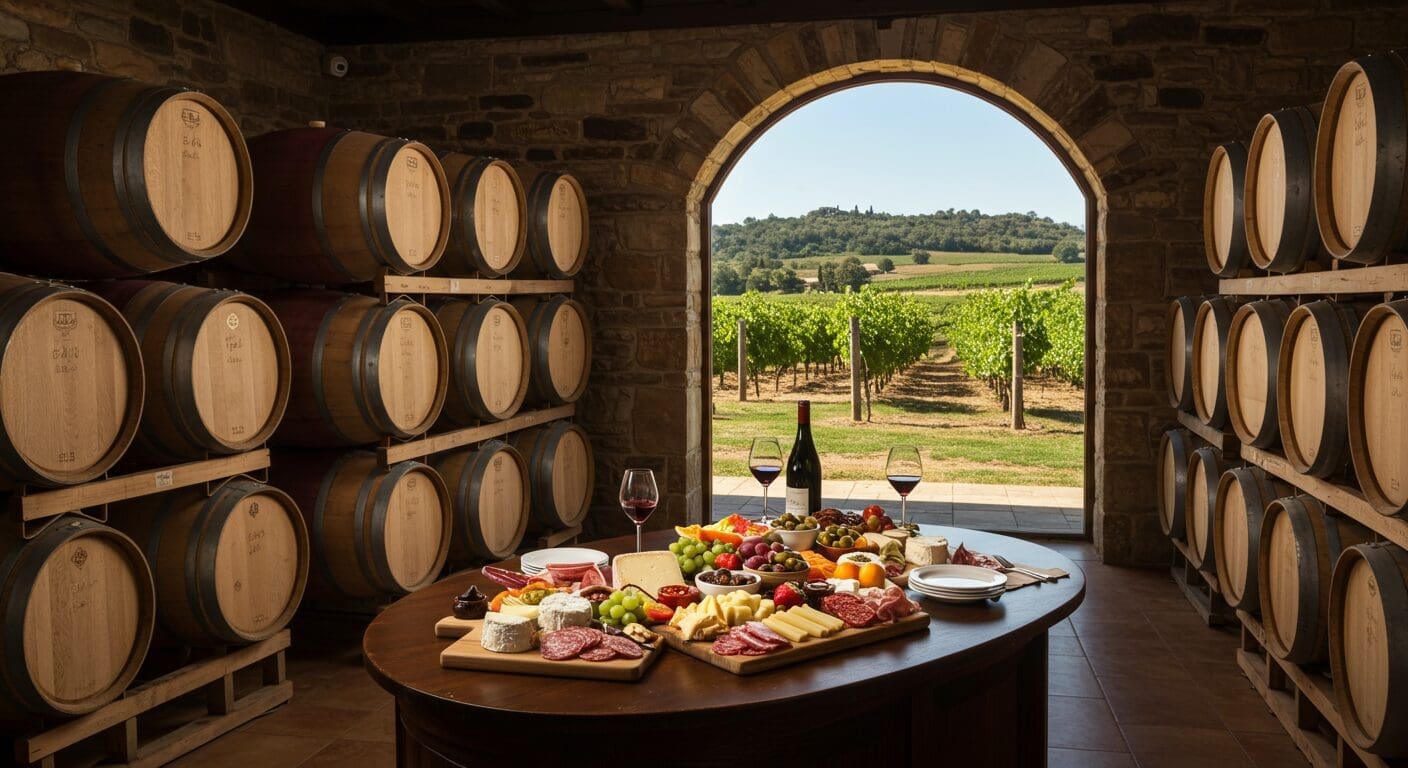
The Hamptons sits on the South Fork. The wine country, principally, does not. The North Fork of Long Island – a 45-minute drive that feels much shorter once you’ve crossed the causeway at Riverhead – is where the serious viticulture happens, and it remains one of the most underestimated wine regions in the United States. The climate here is moderated by the surrounding water bodies, producing a long, gentle growing season that suits Merlot, Cabernet Franc, and Chardonnay particularly well. A North Fork Merlot, when made properly, has a restraint and minerality that has caused more than one European wine professional to go slightly quiet with surprise.
The pioneer of the region was Hargrave Vineyard, established in 1973, and while the original owners have long since moved on, the estate they founded – now Castello di Borghese – continues to produce wine worth seeking out. Bedell Cellars is another name that serious wine drinkers return to repeatedly, particularly for its Merlot and its thoughtful work with blended reds. Wölffer Estate, which sits in Sagaponack on the South Fork and is therefore more directly within the Hamptons orbit, has become arguably the most culturally prominent winery in the region – its rosé a summer currency so reliable you could trade it. The sprawling estate is open for tastings, and the setting across those rolling vines is worth the visit on its own terms. Wölffer also produces a sparkling wine and a serious Chardonnay that often goes unnoticed in the shadow of the rosé’s social media presence.
For those wanting to make a proper wine day of it, the North Fork Wine Trail links more than 30 producers across Cutchogue, Mattituck, and Peconic. Paumanok Vineyards is among the most respected for its Chenin Blanc and its long-aged reds. Shinn Estate Farmhouse combines a vineyard with an inn and organic farming practices that are genuinely committed rather than merely marketed. Macari Vineyards, farther west, produces an unexpectedly complex Viognier alongside its Bordeaux-style reds. The Wine Trail can be done self-guided by car – though the sensible approach is to arrange a driver, accept that you will not cover everything in a day, and plan accordingly.
Food Markets and Farm Stands: Where Locals Actually Shop
The farm stand is a Hamptons institution so deeply embedded in East End culture that any summer without stopping at one feels incomplete in a way that is difficult to articulate. The best are not the manicured affairs with branded tote bags but the working farm operations where the corn was picked at 6am and will be gone by noon. The Schmidt’s Market in Water Mill has operated for generations and supplies much of the area with sweet corn and tomatoes that define the season. Pike Farm in Sagaponack is another essential stop, particularly for strawberries in June and pumpkins in autumn (both ends of the summer bookend rather beautifully here).
The Sag Harbor Farmers Market runs on Saturdays through summer and autumn, drawing serious producers from across the East End alongside bakers, cheesemakers, and the occasional excellent pickle vendor. The market at the Amber Waves Farm in Amagansett is worth noting both for the quality of its produce and for the farm’s broader educational mission – this is a working organic operation that also teaches, which gives the experience a different texture from the purely commercial. For prepared food, specialty cheese, charcuterie, and the kinds of provisions that fill a villa kitchen with genuine pleasure, Citarella on Montauk Highway is the reliable answer – a high-end grocer that understands exactly what its clientele is going to want to cook on a Tuesday evening in a house with a six-burner range.
The Best Food Experiences Money Can Buy in the Hamptons
The Hamptons has an interesting relationship with restaurant culture. There are places here that exist primarily to be seen in, and then there are places where the food is the reason. The distinction matters more than it might elsewhere. Nick & Toni’s in East Hampton sits in a category of its own – a restaurant that has been an East End institution for decades without ever becoming a caricature of itself, which is some achievement. The wood-burning oven anchors the menu, and the commitment to local ingredients is the kind that predates the farm-to-table language used to describe it. Reservations require planning. This is not a complaint, merely a fact of Hamptons life in July.
For seafood at its most elemental, the clam bar experience is non-negotiable. The lobster rolls and raw clam plates at roadside institutions along Route 27 represent a specific and irreplaceable Hamptons pleasure – the kind that requires paper napkins and no wine list. Alternatively, for those who prefer their seafood in a more considered setting, the waterfront dining in Sag Harbor provides both context and quality in equal measure. The village has become, in recent years, a genuinely interesting place to eat well across multiple cuisines and price points.
Private dining experiences represent the highest expression of Hamptons food culture. Several private chefs operating across the East End specialise in bringing the farm stand and the fishing dock directly to a villa table – sourcing the day’s catch in Montauk in the morning and cooking it that evening with the vegetables from Sagaponack. For guests staying in a larger villa property, this kind of evening – a long table, local wine, food that arrived at the dock eight hours ago – is the sort of thing that requires no further embellishment. It simply is what it is, which is excellent.
Cooking Classes and Culinary Education on the East End
The appetite for cooking education in the Hamptons has grown considerably alongside the region’s food culture, and there are now several thoughtful ways to engage with local ingredients beyond simply eating them. Amber Waves Farm in Amagansett periodically runs farm events and educational experiences that connect participants with the growing process – understanding why Hamptons corn tastes the way it does is, in its way, as valuable as tasting it. The farm’s CSA and public programming provide access to the agricultural side of East End food culture that most visitors never encounter.
Several private culinary instructors operate across the Hamptons offering in-home cooking classes that can be customised to a villa setting – clam chowder, fresh pasta with local shellfish, the mechanics of a proper lobster bisque. These experiences work particularly well for larger groups and can be combined with a market visit in the morning and a dinner at the table the same evening. The best instructors come with knowledge of local sourcing networks that takes years to build, and an afternoon spent in a villa kitchen with someone who actually knows where their ingredients come from has a quality that no restaurant can quite replicate.
Oysters, Honey, and the Smaller Pleasures
A Hamptons food guide that does not mention the oysters is incomplete. Peconic Bay oysters have a distinctive brine and sweetness that reflects their cold, clean growing environment, and the best way to understand this is simply to eat them – ideally on a dock somewhere, preferably with something cold and dry to drink alongside them. Island Creek Oysters and various local aquaculture operations supply both restaurants and private buyers, and several oystering tours operate out of the Southold area that provide genuine insight into how these things are grown and harvested. It is the kind of activity that sounds educational until you realise it ends with eating oysters on the water, at which point the educational component becomes irrelevant.
Local honey deserves a mention, produced from hives that gather pollen from the wildflowers and flowering crops of the East End, giving it a distinctive floral quality that is impossible to replicate elsewhere. Several farms sell directly through markets or farm stands. The Hamptons also has a small but growing number of craft distillers and specialty food producers – local hot sauces, smoked fish, artisanal jams – that make for genuine regional souvenirs, the kind that do not require luggage space so much as carry-on strategy.
Planning Your Hamptons Food and Wine Visit
The serious food and wine experience of the Hamptons and the North Fork requires a minimum of several days to approach properly, and the most rewarding approach is unhurried. A villa stay provides the right base – access to a kitchen for the farm stand provisions, outdoor space for the rosé moment, and the flexibility to eat in on the evenings when you have overindulged at lunch (which will happen). Build in a full day for the North Fork wine trail, a morning for markets, and at least one evening with a private chef. The clam bar is not optional. The corn will not taste the same anywhere else. The oysters should happen twice.
For everything else you need to know about planning a trip to the East End, our The Hamptons Travel Guide covers the broader picture – where to stay, when to go, what the different villages offer, and how to navigate the Hamptons with some degree of sanity in August (the short answer: you cannot, but you can do it with better wine than most people).
When you are ready to find the right base for your Hamptons food and wine experience, explore our collection of luxury villas in The Hamptons – properties that match the quality of the East End larder with kitchens, outdoor dining spaces, and locations that put the farm stands, the wine country, and the oyster docks within easy reach.