Best Time to Visit Valencia: Month by Month Weather, Crowds & Tips
Valencia does not beg for your attention. It simply gets on with it – cooking the best rice dish in the world in the city that invented it, projecting the largest light show in Europe onto baroque facades, and maintaining a quality of life that consistently leaves visitors wondering why they ever booked Barcelona instead. The rest of Spain gets the glory. Valencia gets the sunshine – an average of 300 days of it per year – along with a relatively unhurried pace that feels less like a tourist destination and more like an actual city that happens to welcome you warmly. Knowing when to arrive makes all the difference between witnessing that city at its best and merely surviving it.
For a deeper introduction to the city before you plan your trip, our full Valencia Travel Guide covers everything from the old town to the waterfront.
Spring in Valencia (March to May): The Sweet Spot
If Valencia has a golden season, spring is it – and the city knows it. Temperatures in March begin climbing from the low-to-mid teens and reach a genuinely lovely 20-22°C by May. The light is extraordinary: clear, warm but not punishing, the kind that makes terracotta and orange blossom look as though they were lit by a cinematographer. The famous scent of azahar – orange blossom – drifts through the Barrio del Carmen and the Jardines del Turia in April, which is either deeply romantic or mildly overwhelming depending on your sensitivity to fragrance.
March brings Las Fallas – arguably the most spectacular and chaotic festival in all of Europe. For five days culminating on the night of March 19th, the city runs on fireworks, papier-mâché monuments of extraordinary artistry, and a collective willingness to sleep very little. The mascletà – a daily noon fireworks display in Plaza del Ayuntamiento that is felt as much as heard – is genuinely unlike anything else. Book accommodation six months in advance if you want to experience it without sleeping three towns over. Prices spike considerably during Fallas week, but the spectacle more than justifies it.
April and May are quieter, and arguably better for the discerning traveller who wants a city rather than a party. Crowds thin noticeably after Fallas, prices return to sensible levels, and the City of Arts and Sciences – the Calatrava complex that looks like a science fiction film set – becomes pleasurable to photograph without strangers walking through every frame. Spring suits couples and culturally-motivated travellers particularly well. Families will find the weather ideal for days that move between the beach, the Turia gardens, and a long, restorative lunch.
Summer in Valencia (June to August): Sun, Sea and Strategy
Let us be honest about Valencian summer. June is genuinely excellent – temperatures in the mid-to-high twenties, the Mediterranean at a swimmable 24°C, and a city that has not yet surrendered entirely to tourism. July and August are another matter. Temperatures regularly reach 32-35°C, the beaches of La Malvarrosa fill with a density of humanity that paella umbrellas cannot quite disguise, and the city empties of Valencianos who have wisely departed to cooler elevations while filling with visitors who have not.
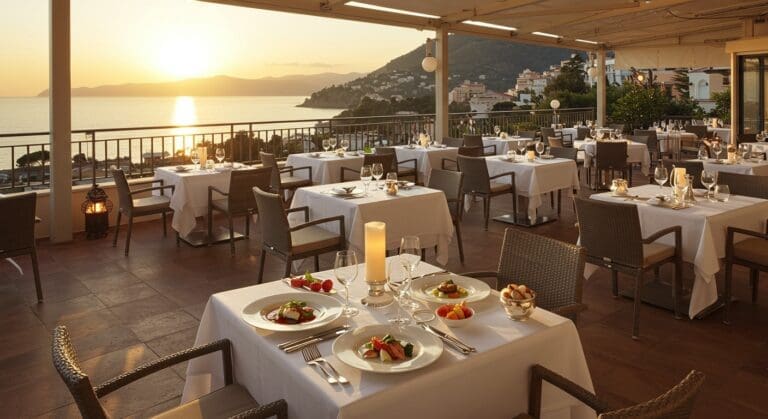
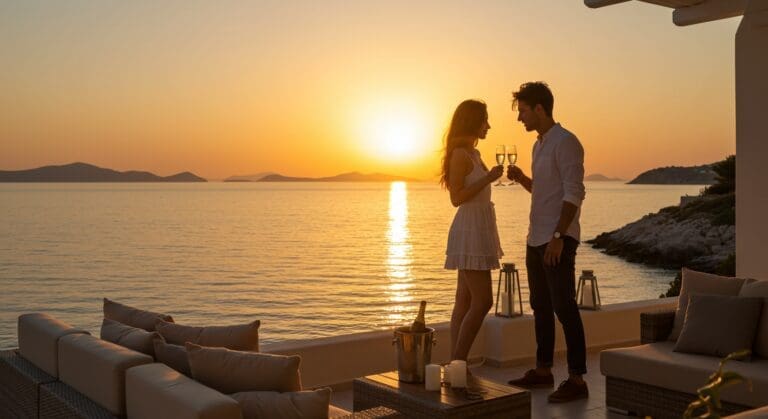
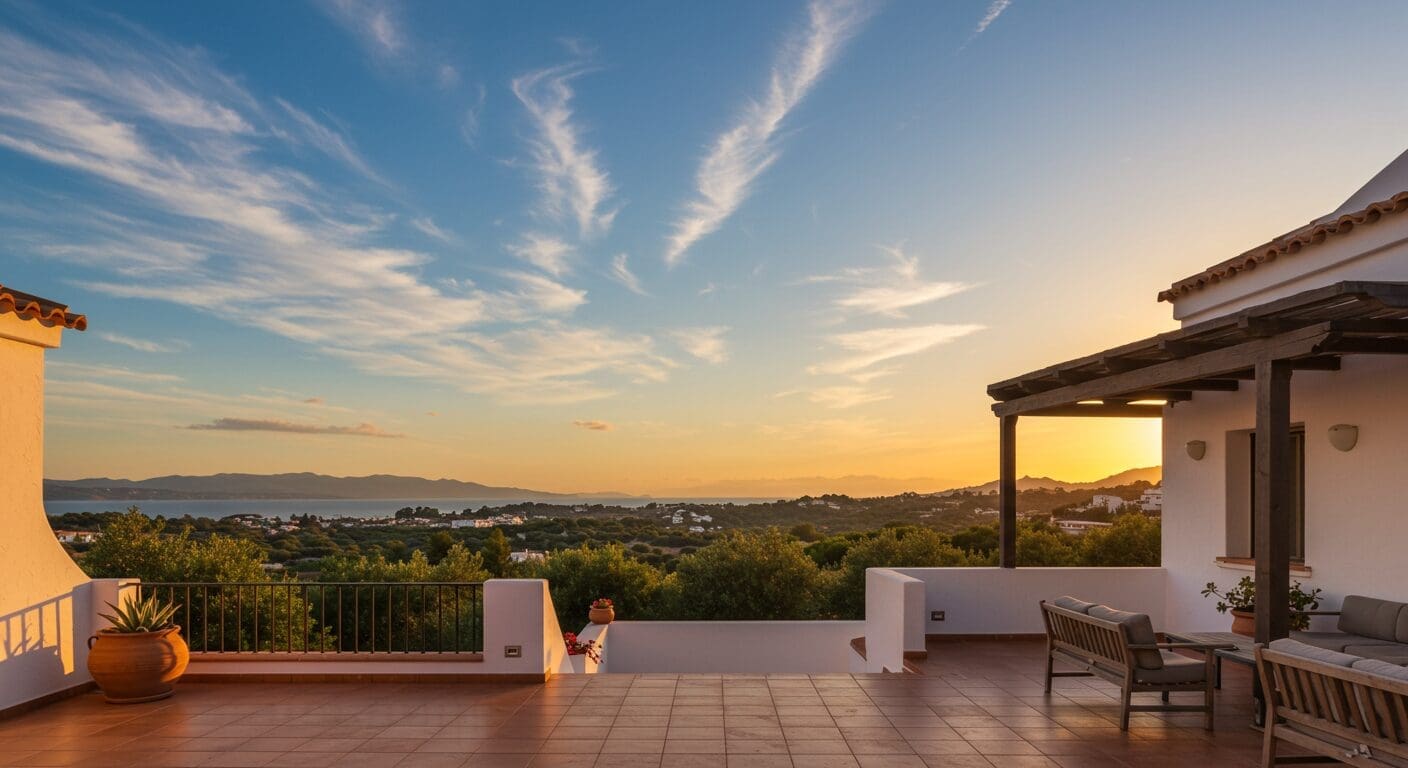
That said, summer has its pleasures for those who approach it correctly. Evenings are magnificent – warm, sociable, alive with terrace dining until midnight. The Palau de les Arts hosts outdoor performances during its summer cultural programme. La Nit de Sant Joan on June 23rd – a beach bonfire festival marking midsummer – is one of the most genuinely atmospheric evenings in the city’s calendar. Luxury villa rental comes into its own in summer: a private pool, a shaded terrace, and the ability to emerge at 7pm when the heat begins its graceful retreat is not a luxury so much as a sensible plan.
Prices are at their annual peak in July and August. Book well in advance. Families with school-age children are, by necessity, the dominant summer visitor – and the beaches, water parks, and long-light evenings are well-suited to them. Couples seeking tranquillity might find June the better bet, before the full summer machinery engages.
Autumn in Valencia (September to November): The Insider’s Season
September is, quietly, one of the finest months in the Valencian calendar, and the secret is barely kept. The sea retains its summer warmth well into October – often 22-23°C – while temperatures on land moderate to a far more agreeable 25-28°C. The crowds have thinned. The prices have dropped. The Valencianos have returned. The restaurants are full of the right people – locals, in other words – and the terraces feel less like a staging post for group photographs and more like places where one actually sits and eats well.
October brings the Día de la Comunitat Valenciana on October 9th, a regional holiday marked with parades and a palpable civic pride that feels genuinely moving rather than performative. The rice harvest is underway in the Albufera wetlands just south of the city, which is both practically relevant – seasonal rice dishes appear on menus with renewed seriousness – and visually striking if you take the short drive out. November cools noticeably, dropping to 15-18°C, and some beach facilities begin scaling back, but the city itself remains fully operational and culturally rich.
Autumn is excellent for food-focused travellers and those with a genuine interest in the city rather than its shoreline. It also suits couples and smaller groups who prefer depth over spectacle. Villa rental prices in September can be 20-30% lower than peak August rates while the conditions remain arguably superior. This is the kind of arithmetic that rewards independent thought.
Winter in Valencia (December to February): Mild, Manageable and Underrated
Valencian winter requires context. When the rest of northern Europe is operating in darkness and thermal layers, Valencia sits at 12-16°C with a tendency toward clear skies and genuine sunshine. It is not beach weather – the sea drops to around 14°C and only the most committed swimmers find this acceptable. But it is absolutely coat-optional-on-sunny-days weather, and for a city break, cultural exploration, or long lunches in courtyard restaurants, it is perfectly, quietly, pleasant.
December brings Christmas markets and the spectacular Cabalgata de Reyes on January 5th – the Three Kings parade that Valencia executes with considerable theatrical ambition. January and February are the quietest months of the year. Hotels and villas are at their most affordable. The Mercado Central – one of the finest covered markets in Europe, whatever the season – is navigable without queuing. The City of Arts and Sciences is practically yours. The Museu de Belles Arts is practically yours. Everything is practically yours, which, if you have come to actually look at things rather than queue for them, is the whole point.
Winter suits solo travellers, couples, and anyone who finds the idea of a European city in full tourist season vaguely exhausting. Families with young children may find the beach-free conditions limiting; families with teenagers who like architecture and food will be absolutely fine. The only genuine caveat is that some coastal restaurants and seasonal beach bars reduce their hours or close entirely from December through February. The city itself, however, does not close – it simply breathes a little more easily.
The Shoulder Seasons: Why March, June and September Win
The case for shoulder season travel is not subtle: better conditions, lower prices, and the quiet satisfaction of having made a better decision than most. In Valencia’s case, the shoulder months are particularly rewarding. June offers high summer conditions without August prices or August crowds. September delivers the warmth of summer with the temperament of autumn. March – outside of Fallas week itself – sees the city in celebratory mood with spring arriving and the tourist machinery only just awakening.
For villa rental specifically, the shoulder season is where the value proposition becomes compelling. Properties that command significant premiums in July and August become available at markedly more accessible rates in June and September, without any meaningful compromise in what you can actually do or enjoy. The Mediterranean does not issue a permit for swimming based on the calendar month. The paella does not improve with peak-season pricing.
A Month-by-Month Quick Reference
January: 12-14°C. Very quiet. Lowest prices. Three Kings parade on the 5th. Ideal for city breaks and cultural travellers.
February: 13-15°C. Still quiet. Good value. Occasional rain but plenty of clear days.
March: 15-19°C. Las Fallas (mid-month) brings the city’s most extraordinary week. Prices spike for Fallas, then drop sharply.
April: 18-21°C. Orange blossom season. Post-Fallas calm. Excellent conditions, moderate crowds, very good value.
May: 21-24°C. Warm, comfortable, increasingly popular. The beach season begins without summer pressure. Recommended strongly.
June: 25-28°C. Sea warming up. City lively but not overwhelmed. La Nit de Sant Joan on the 23rd. Excellent month overall.
July: 29-33°C. Peak summer. Busy beaches, high prices, spectacular evenings. Come with a villa and a pool.
August: 30-34°C. Hottest month. Maximum crowds and prices. Best experienced with private outdoor space.
September: 26-29°C. Sea still warm. Crowds thinning. Prices falling. The considered traveller’s summer.
October: 20-24°C. Comfortable and calm. Rice harvest. Regional holiday on the 9th. Underrated month.
November: 16-19°C. Cooler and quieter. Good for city exploration. Some beach facilities closing.
December: 13-16°C. Festive atmosphere. Christmas markets. Low prices. Genuinely enjoyable if you dress in layers.
Plan Your Stay: Luxury Villas in Valencia
Whichever month draws you to Valencia, the quality of your base shapes everything – how you recover from a long Fallas evening, how you make the most of a long September afternoon, how comfortable the August heat actually feels when there is a pool waiting at the end of the terrace. Browse our collection of luxury villas in Valencia to find a property matched to your season, your party, and your version of what a Valencian stay should feel like.