Valencia Food & Wine Guide: Local Cuisine, Markets & Wine Estates
Just before ten in the morning, the Mercat Central smells of citrus peel, dried fish, and something frying nearby that you cannot immediately identify but absolutely intend to track down. The light falls through the modernist dome in long cathedral shafts. Stallholders argue cheerfully with each other across piles of garrofó beans and fat, ridged tomatoes. There is a particular noise that great food markets make – a kind of organised chaos with an undertow of contentment – and Valencia’s central market has been making it since 1928. If you want to understand this city, and specifically what it puts on the table, start here.
Valencia feeds people well and has always known it. It sits at the intersection of sea, mountain, and the most fertile agricultural plain in Spain – the Huerta, a patchwork of irrigated smallholdings that has been producing food without pause since the Moors engineered its waterways in the eighth century. The result is a regional cuisine that is direct, confident, and quietly extraordinary. Not showy. Just very, very good. This Valencia food and wine guide is your map through it.
The Soul of Valencian Cuisine: What You’re Actually Eating
Let’s begin with the obvious, because with Valencia the obvious is inescapable: paella. Not the pan of soggy rice with frozen peas and dubious prawns that bears its name in British pubs, but the real article – paella valenciana, a dish of rice cooked in a wide, shallow pan with rabbit, chicken, green beans, garrofó beans, tomato, saffron, and olive oil. It is a land dish, not a seafood dish. This surprises people. Valencians have long since stopped being surprised that people are surprised.
The rice is the point. The Denominació d’Origen Arrós de València covers rice grown in the Albufera wetlands just south of the city – varieties including Senia, Bahía, and Bomba – and the distinctions between them matter enormously to anyone who takes their paella seriously, which in Valencia is essentially everyone. The socarrat – the caramelised, slightly crisp layer that forms at the bottom of the pan – is not an accident or a mistake. It is the whole point, and achieving it correctly is considered a mark of character.
Beyond paella, the Valencian table offers all i pebre – a potent, paprika-rich stew of eel from the Albufera that requires either an adventurous palate or a good story to tell afterwards – and arròs al forn, oven-baked rice with pork ribs, black pudding, chickpeas, and whole heads of garlic. There is fideuà, which is essentially paella made with short noodles instead of rice, traditionally prepared on the coast and eaten with allioli (the real kind, which is just garlic and olive oil, beaten together with great effort and greater patience).
The Huerta gives cooks here an extraordinary range of vegetables – artichokes, broad beans, peppers, courgettes, and the prized chufa (tiger nut), which is pressed to make horchata, Valencia’s own milky, slightly sweet drink that tastes of nothing else in the world. For dessert, buñuelos de calabaza – pumpkin fritters dusted with sugar – arrive at Easter with ceremonial seriousness.
The Mercat Central and Where Else to Shop Like a Local
The Mercat Central deserves more than a passing mention in any serious Valencia food and wine guide. With over a thousand stalls spread across 8,000 square metres of art nouveau architecture, it is one of the largest covered food markets in Europe. The produce is direct from the Huerta and the coast – blood oranges in winter, fat figs in late summer, espardenyes (sea cucumbers, a local delicacy) if you know where to look. The dried goods stalls are a lesson in the depth of Valencian larder culture: ropes of paprika peppers, jars of pimentón, bags of rice labelled by variety and harvest.
For a more neighbourhood experience, the Mercat de Russafa – in the bohemian Ruzafa district – offers a less touristed alternative, with excellent cheese and charcuterie vendors and a community atmosphere that has been gently elevated by the arrival of a younger, more food-conscious generation of stallholders. Go on a Saturday morning, and go hungry.
Serious olive oil hunters should seek out producers from the Les Useres and Maestrat areas inland, where Serrana and Blanqueta olive varieties produce oils with a distinctive nuttiness and a peppery finish that bears absolutely no resemblance to what comes in a supermarket bottle. Many producers receive visits by appointment; a good concierge – or a well-chosen villa rental – will know who to call.
Valencia’s Wine Country: The Estates Worth Knowing
Valencia produces wine on a scale that still surprises people who associate Spain’s serious vineyards exclusively with Rioja and Ribera del Duero. The Comunitat Valenciana encompasses several denominaciones de origen – Valencia DO, Utiel-Requena DO, and Alicante DO – and between them they make some genuinely compelling bottles.
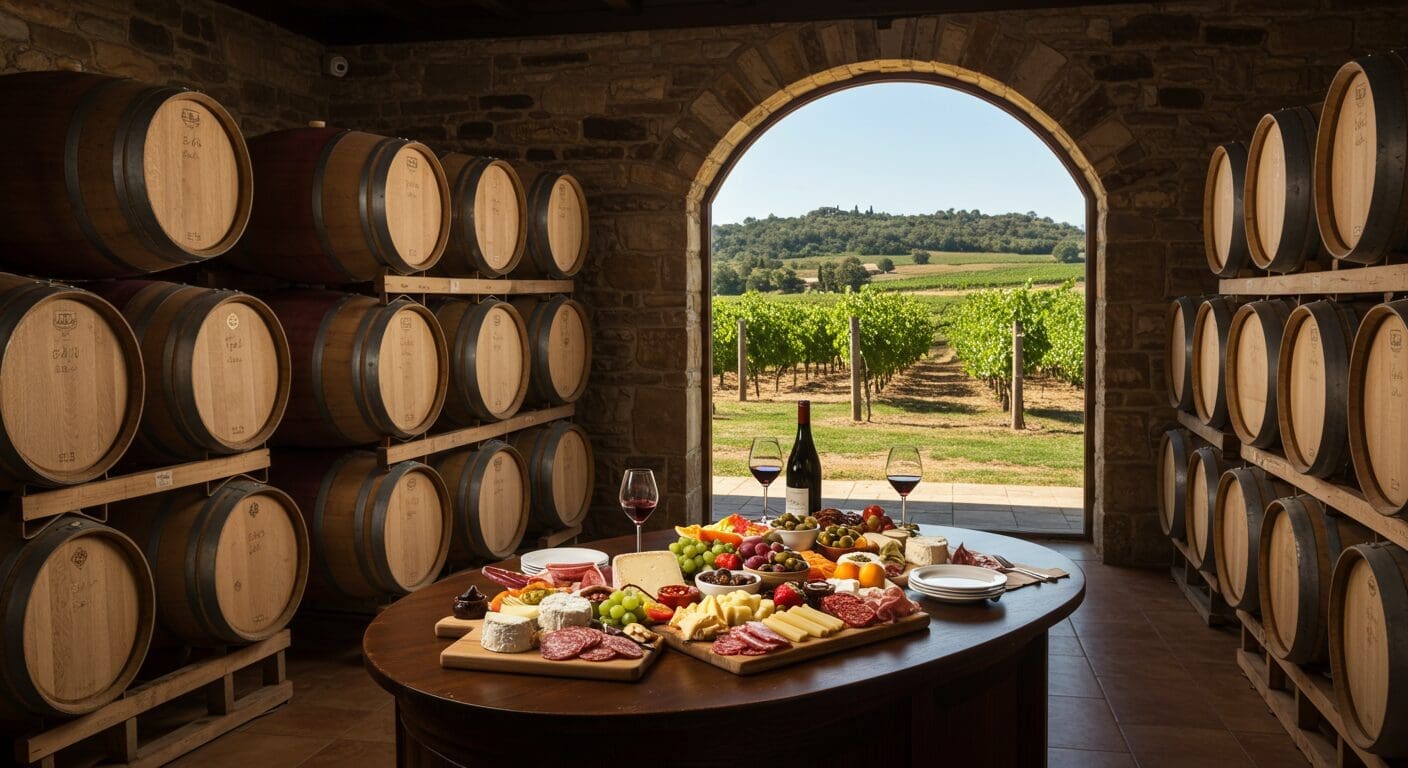
Utiel-Requena, around ninety kilometres west of the city on the Castilian meseta, is the most distinctive of the three. At an altitude of around 700-900 metres, the continental climate produces wines with real freshness – something you don’t always find in Mediterranean Spain. The region’s signature grape is Bobal, a thick-skinned indigenous variety that was for decades relegated to bulk wine production and is now being taken very seriously indeed by a new generation of winemakers. Good Bobal has a deep ruby colour, a nose of dark berries and violets, and a tannic structure that wants food beside it. Ideally, paella.
The Valencia DO itself covers a broader area and ranges from light, aromatic whites made with Merseguera and Muscat to fuller-bodied reds. The Moscatel wines of the Valencia DO – made from Muscat à petits grains – are the ones worth knowing specifically: honeyed, floral, intensely perfumed, and exactly right with a plate of buñuelos or aged cheese.
Several estates in Utiel-Requena welcome visitors for tastings and vineyard tours. The region has invested thoughtfully in wine tourism infrastructure, and a day trip from Valencia to visit a producer – followed by lunch in a local restaurant where the wine list skews almost entirely local – is one of the finest half-days the region offers. The drive through the high plateau, with its geometric rows of low-trained vines and old farmhouses, has a certain austere beauty that feels a long way from the coast. It is, in all the best ways.
Cooking Classes and Food Experiences Worth the Investment
Learning to make a proper paella is, for many visitors, a pilgrimage. Valencia obliges. There are cooking classes across the city ranging from professional kitchen environments to family-run operations where you will cook in someone’s home kitchen, eat what you make, and drink more wine than you expected to. The best experiences tend to begin at the Mercat Central – selecting your own rice, your beans, your saffron – before moving to the kitchen. The lesson, invariably, is that paella is both simpler and more demanding than you thought. The socarrat will humble you.
For a more rarefied experience, private dining experiences with local chefs are available through specialist operators and villa concierges. Several Michelin-starred restaurants operate in the Valencia area – including the landmark Quique Dacosta in Dénia (a short drive up the coast), which holds three Michelin stars and has been transforming the ingredients of the Valencian coast into extraordinary haute cuisine for years. Within the city, Restaurante Ricard Camarena offers two-Michelin-star cooking that is deeply rooted in local produce – the kind of restaurant that feels both revolutionary and completely of its place.
Truffle hunting is less associated with Valencia than with neighbouring Teruel or the cooler interior of Catalonia, but the interior highlands of the Valencian Community – particularly around the Maestrazgo region – do produce black truffle (Tuber melanosporum), and a handful of operators offer guided hunting experiences between December and March. It is an experience that involves a great deal of walking, a dog of enormous self-confidence, and the quiet thrill of finding something worth more per kilo than most investments. Worth knowing about if you’re visiting in winter.
Olive Oil, Horchata and the Edible Infrastructure of Valencia
No honest food guide to Valencia ignores horchata. Made from tiger nuts grown almost exclusively in the village of Alboraia, just north of the city, this cold, milky drink has its own DO (Chufa de Valencia) and is best consumed fresh, in a granja (traditional milk bar), accompanied by long fartons – soft, sugary pastry sticks made for dunking. The combination is oddly perfect. Treating it as a novelty photograph opportunity and then abandoning the glass is, frankly, a waste.
The olive oils of the interior – from the El Comtat and L’Alcalatén areas in particular – deserve a place in any serious culinary itinerary. The Blanqueta variety produces oils with exceptional aromatic complexity: fresh-cut grass, green tomato, a finish that lingers politely. Small-batch producers in these areas sell directly and often ship; a few bottles make the finest souvenir that doesn’t require explaining at customs.
For olive oil tourism specifically, a number of mills in the interior receive visitors during the October-to-December harvest season. Watching the olives go in and the oil come out is one of those simple, ancient processes that remains genuinely moving regardless of how many times you’ve read about it. The free tasting at the end is, of course, entirely incidental.
The Best of Valencian Food: Where to Eat
Valencia’s restaurant scene is anchored by a genuine pride in local ingredients and traditional technique, leavened by a new generation of chefs with international training and a determination to cook Valencian food on their own terms. The result is a city where you can eat extraordinarily well at every price point, from a three-euro coffee and horchata at a market bar to a full tasting menu at a Michelin-starred table.
The neighbourhood of Ruzafa has emerged as the city’s most interesting eating district – a dense grid of restaurants, natural wine bars, and specialist food shops that rewards wandering. The Barrio del Carmen, in the old city, offers a more historic backdrop with a similar density of good eating. For seafood, the fishing district of El Cabanyal – undergoing a slow, occasionally contentious regeneration – has restaurants serving the kind of simply grilled fish and rice dishes that remind you why proximity to the sea matters.
For the most money-can’t-buy food experience in Valencia, consider hiring a private chef – many of them veterans of serious restaurant kitchens – to cook in the outdoor kitchen of a private villa. Paella cooked in a garden, with local wine on the table and the evening light going gold, eaten at your own pace without a reservation or a bill at the end. It is, without question, how the region is best tasted.
Plan Your Gastronomic Stay with Excellence Luxury Villas
A region this serious about its food deserves a base that matches. Whether you’re visiting for the wine estates of Utiel-Requena, the morning theatre of the Mercat Central, a cooking class in the old city, or simply the long, unhurried pleasure of a paella cooked properly in a private garden, the right villa makes every experience better. Browse our collection of luxury villas in Valencia – handpicked properties with private pools, fully equipped kitchens, and access to concierge services that know exactly who to call for a private chef, a winery visit, or a market tour with a local guide.
For a broader overview of everything the region offers beyond the table, our Valencia Travel Guide covers culture, beaches, day trips, and all the logistical detail a good trip requires.