Best Restaurants in Var: Fine Dining, Local Gems & Where to Eat
It is eleven o’clock on a Tuesday morning and you are sitting at a market table in a Var village, tearing a piece of bread over a plate of tapenade so good it makes you briefly reconsider every life decision that kept you from getting here sooner. The rosé is already cold. The plane trees are doing that thing they do in Provence – throwing shade that feels almost architectural. By eight this evening you will be at a candlelit table somewhere extraordinary, debating whether to have the cheese course or just keep going. You will have the cheese course. This is Var. It would be rude not to.
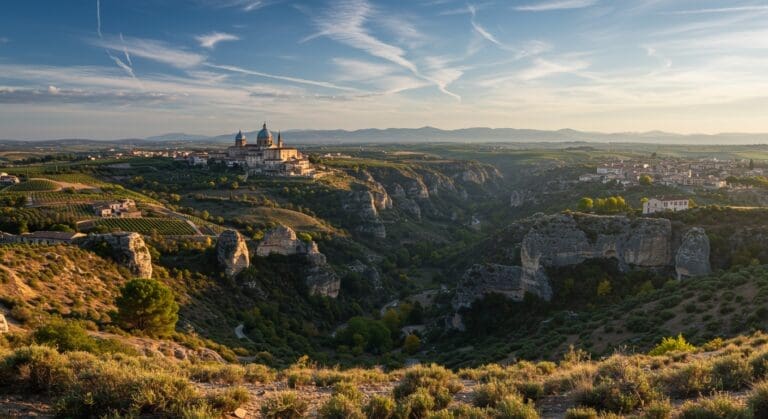
The Var department is one of those rare places where eating well is not an aspiration but a baseline expectation. Stretching from the red cliffs of the Estérel in the east to the lavender-scented back country around Lorgues, and south to the celebrity theatre of Saint-Tropez, Var contains more culinary ambition per square kilometre than almost anywhere else in France. Which, given that this is France, is saying something considerable. What follows is a guide to the best restaurants in Var – fine dining with Michelin stars, local gems that the guidebooks haven’t quite found yet, beach clubs, food markets, and the wines that tie it all together.
Fine Dining in Var: The Michelin Star Experience
Var’s fine dining scene operates with a quiet confidence that suits the region. There are no flashy PR campaigns or celebrity chef vanity projects here. What you find instead are restaurants with genuine roots – places where the story of the food and the story of the land are the same story.
Restaurant Bruno – universally known as Chez Bruno – near the market town of Lorgues is, for many serious food lovers, the entire reason to visit the Var interior. This is a Michelin-starred institution built around a single, magnificent obsession: truffles. Clément Bruno spent decades turning a Provençal farmhouse into one of France’s most distinctive dining destinations, and now his sons Benjamin and Samuel carry it forward with evident devotion – Benjamin in the kitchen, Samuel in the dining room, working in the kind of sibling synchrony that would make most family businesses envious. There is no à la carte here. You sit down and the truffle-based set menu comes to you, shaped by the season and by whatever the biodynamic vegetable garden outside – all four thousand square metres of it – is producing. Reviewers consistently award it top marks across food, service and atmosphere, describing the cuisine as “refined and truly memorable.” This is, it should be noted, an understatement. Book well in advance. Then book again to make sure.
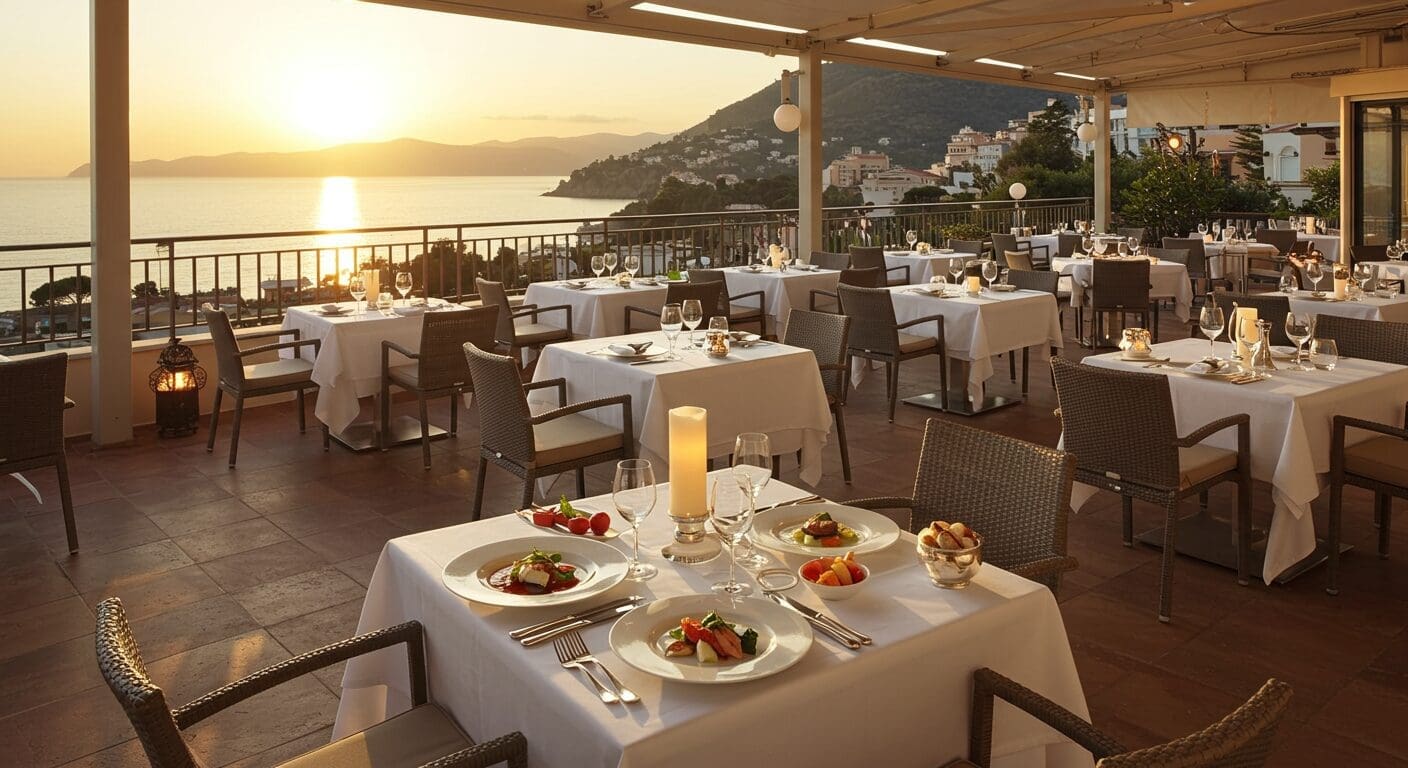
On the coast, Récif at the Hôtel Les Roches Rouges in Saint-Raphaël holds its own Michelin star with considerably more drama in the view department – the restaurant looks out over the Mediterranean and the rust-red cliffs of the Estérel massif, which have the good grace to glow orange at sunset just as your first course arrives. In 2025, the restaurant welcomed chef Alexandre Baule, who brings what guests describe as a sensory journey between Provence and the sea. The wine pairings lean towards discovery rather than the familiar – you may find yourself drinking something you have never heard of and cannot stop thinking about. Service is attentive without being oppressive, which in a fine dining context is considerably harder to achieve than it sounds.
In Toulon, Les Pins Penchés deserves to be spoken of in the same breath as Var’s most distinguished tables. Set within a 17th-century château at the heart of a botanical park facing the sea, it has the kind of address that makes you straighten your posture slightly as you arrive. Chef Stéphane Lelièvre produces bold, inventive cuisine that celebrates regional produce without turning the menu into a geography lesson. The palm grove setting is extraordinary, the views across the water are the sort that make conversation pause involuntarily, and guests have described evenings here as the highlight of their entire holiday. High praise when the holiday in question is a week in the South of France.
Saint-Tropez: Where to Eat Beyond the Spectacle
Saint-Tropez has a complicated relationship with its own reputation. It is simultaneously one of the most beautiful port towns on the Mediterranean and a place where a bowl of pasta can cost more than your first car. The trick – and there is a trick – is to look past the obvious and eat where the people who actually live here eat.
Le Girelier is one of those places. Sitting directly on the port of Saint-Tropez with views over the bobbing masts and painted hulls, it has been doing this for over fifty years, which in Saint-Tropez terms makes it practically a heritage site. The menu is focused and honest: fish, shellfish, crustaceans, grilled with care and served with confidence. The bouillabaisse – that great Provençal fish stew that lesser establishments approach with timidity – is the real thing here, properly spiced, properly assembled, served with rouille and croutons and the understanding that this is a dish you make time for. The Michelin Guide has taken notice. Regulars, tourists, and people who claimed they were “just passing through” and ended up staying for three courses have collectively given it 4.4 stars on Google. It earns every one of them.
La Petite Plage, also in Saint-Tropez, offers something the town’s glossier establishments sometimes forget: a sense of ease. This is where you come when you want the Mediterranean on your plate and the sun on your shoulders without the performance of it all. The seafood is fresh, the atmosphere is warm, and the feeling of eating well without drama is, in Saint-Tropez, genuinely rare.
Local Gems and Hidden Bistros: The Var That Tourists Miss
Away from the coastal circuit, Var’s interior is scattered with village restaurants, family-run auberges, and market-town bistros that operate in cheerful ignorance of tourist seasons and Instagram trends. These are the places where the chalkboard menu changes daily because the chef drove to the market at seven in the morning and cooked whatever looked best. Where the wine list is short because the patron has opinions. Where the bread arrives without being asked and the olive oil is local and the conversation at the next table has been going on since 1987.
Lorgues itself, beyond Chez Bruno, rewards wandering. The old town has several smaller restaurants clustered around its arcaded square where you can eat extremely well for a fraction of the coast’s prices. Cotignac, Aups, and Tourtour – three of Var’s loveliest interior villages – each have their own table worth seeking out, the kind of places that will never appear on a “top ten” list because the owners prefer it that way. Ask your villa manager. They will know exactly where to send you. This, incidentally, is one of the underrated advantages of renting well.
In the Maures massif and the Esterel foothills, look for restaurants offering daube Provençale – beef slow-braised with red wine, olives, and herbs until it becomes something close to a religious experience. Socca, the chickpea flour pancake more commonly associated with Nice, makes appearances across eastern Var. Pieds et paquets – lamb tripe stuffed and braised, a dish that rewards courage – is a local speciality that separates the committed from the casually curious.
Beach Clubs and Casual Dining: Lunch with Its Feet in the Sand
The beach club is a Var institution, and along the Pampelonne beach peninsula outside Saint-Tropez, the concept has been refined to something approaching an art form. You arrive, you are shown to a sun lounger, you eat grilled fish and cold rosé, you nap, you eat again. There are worse systems.
The better beach clubs along Pampelonne – and there are several operating at a genuinely high level – serve food that would not embarrass a proper restaurant. Whole sea bass grilled over fire, burrata with heritage tomatoes, tuna tartare with enough acidity to cut through an afternoon of sunshine: this is not beach food in the polystyrene-box sense. It is Mediterranean eating at its most relaxed and arguably its most pleasurable.
Further along the coast, the Lavandou and Hyères areas offer a slightly less choreographed version of the same pleasure – beach restaurants that have been serving the same families for two or three generations, where the fish arrived this morning and the chips are made from real potatoes. These places ask very little of you and give a great deal back.
Food Markets in Var: Where It All Begins
Understanding what you are eating in Var requires at least one morning spent at a Provençal market, preferably before ten o’clock when the serious shopping is done and only the tourists remain. The markets in Var are the source code for everything on the plates around you.
Lorgues holds a market on Tuesdays that draws producers from across the department – truffle sellers in winter, extraordinary tomatoes in August, cheeses from the Var hills that have no business being as good as they are. Brignoles and Draguignan both run substantial weekly markets where you can watch the locals make decisions about courgettes with the kind of concentration usually associated with surgery.
In summer, look for the evening markets in smaller villages – more festive in tone, less pressured, and often running alongside live music that nobody asked for but nobody minds. Buy olives. Buy honey. Buy a small jar of something that the producer explains at length in French and you understand perhaps forty percent of. It will be wonderful.
Var Wine and Local Drinks: What to Pour
Var produces more rosé than any other wine region in France, which is not a boast so much as a statement of geological inevitability. The limestone and schist soils, the particular angle of the light, the hot dry summers: Provence was always going to make pale pink wine of unsettling elegance. The Côtes de Provence appellation covers much of Var, and within it, the Bandol AOC produces what many consider the finest rosés in France – structured, complex, and capable of ageing in a way that surprises people who think rosé is purely seasonal.
Bandol’s red wines, predominantly Mourvèdre, are serious and age-worthy – the kind of bottles that reward patience and then make you wish you had opened them sooner. For an aperitif in the Var style, try pastis – Ricard or a smaller artisan producer – with exactly five parts cold water to one part spirit, and the acceptance that the afternoon has now officially begun.
At the restaurants, do not be afraid to ask for local wine recommendations. The sommeliers and patrons of Var are proud of their region’s output and will steer you well. Récif in particular has a reputation for its discovery wine pairings – bottles you will not have encountered before and will spend the rest of the holiday trying to find again.
Reservation Tips and Getting the Most from Eating in Var
A few practical notes, offered in the spirit of saving you from preventable disappointment.
For Chez Bruno, book as far ahead as possible – months rather than weeks during the summer season. The restaurant is not enormous, the reputation is considerable, and the truffle season commands its own calendar. Récif and Les Pins Penchés similarly require advance planning, particularly from June through August when the entire French Riviera decides simultaneously that it would like a table.
In Saint-Tropez, make reservations for dinner on the port – including Le Girelier – at least several days in advance during peak season. Walk-ins exist in the way that lottery wins exist: technically possible, statistically unkind.
For the interior village restaurants and local gems, the calculus is different. Many operate Tuesday to Sunday, close for the whole of January, and may or may not have a website. Calling ahead is always sensible. Arriving with an appetite and an open mind is mandatory. Lunch in Var is frequently the better meal – longer, more generous, and often available at prices that make dinner menus look like a different category of experience entirely.
One final note: dress codes in Var’s finest restaurants are smart-casual at minimum. Nobody will refuse you entry for wearing the wrong thing, but you will know, and so will the maître d’, and the evening will carry that awareness like a slightly ill-fitting jacket throughout.
The full picture – geography, culture, practical planning, and more – is covered in our Var Travel Guide, which is worth reading before you arrive and arguing with once you get here.
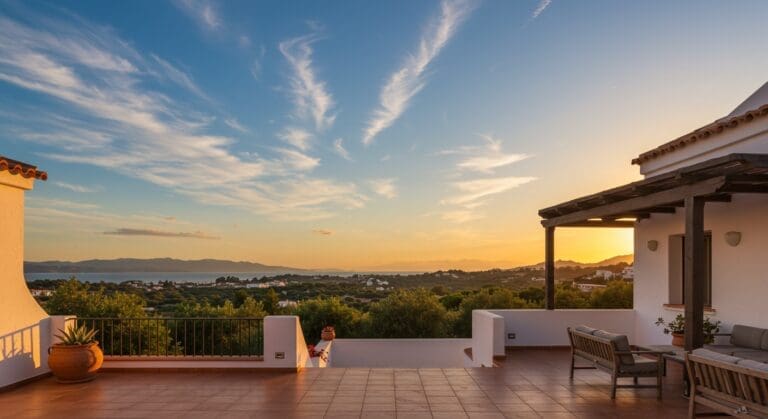
For those who want to take the Var’s culinary richness to its logical conclusion, renting a luxury villa in Var with a private chef option transforms the experience entirely. Your chef will source from local markets, design menus around what the season is doing, and deliver the kind of dinner at your own table – under your own olive trees, beside your own pool – that reminds you why you came to Provence in the first place. The Michelin stars are wonderful. But some of the best meals in Var happen in private.
What are the best Michelin-starred restaurants in Var?
Var has several outstanding Michelin-recognised restaurants. Restaurant Bruno (Chez Bruno) near Lorgues holds a Michelin star and is one of France’s most distinctive dining experiences, built around a truffle-focused set menu and produce from its own biodynamic garden. Récif at the Hôtel Les Roches Rouges in Saint-Raphaël holds a Michelin One Star for high-quality cooking and offers Mediterranean-inspired cuisine with extraordinary views over the Estérel cliffs. Les Pins Penchés in Toulon is a highly regarded gastronomic restaurant set in a 17th-century château, offering inventive cuisine using local Var produce in a spectacular coastal setting.
When should I make restaurant reservations in Var?
For fine dining restaurants like Chez Bruno and Récif, book as far in advance as possible – ideally several months ahead if you are visiting between June and September. Saint-Tropez restaurants on or near the port, including Le Girelier, fill up quickly during peak summer season and should be reserved at least a week in advance. For village bistros and market-town restaurants in the Var interior, a day or two of notice is usually sufficient, though calling ahead is always recommended. Lunch reservations are generally easier to secure than dinner and often represent better value across all categories.
What local dishes should I try when eating in Var?
Several dishes define eating in Var and Provence more broadly. Bouillabaisse – the classic Provençal fish stew served with rouille and croutons – is at its finest in coastal restaurants like Le Girelier in Saint-Tropez. Daube Provençale, slow-braised beef with red wine, olives, and herbs, is a defining dish of the Var interior. Truffle-based cuisine is exceptional in and around Lorgues, particularly at Chez Bruno. Fresh grilled fish and seafood dominate coastal menus throughout the season. For wine, the rosés and reds of the Bandol AOC – produced within the Var department – are among the finest in France and the natural accompaniment to almost everything on the menu.