
Best Time to Visit the Aegean Islands
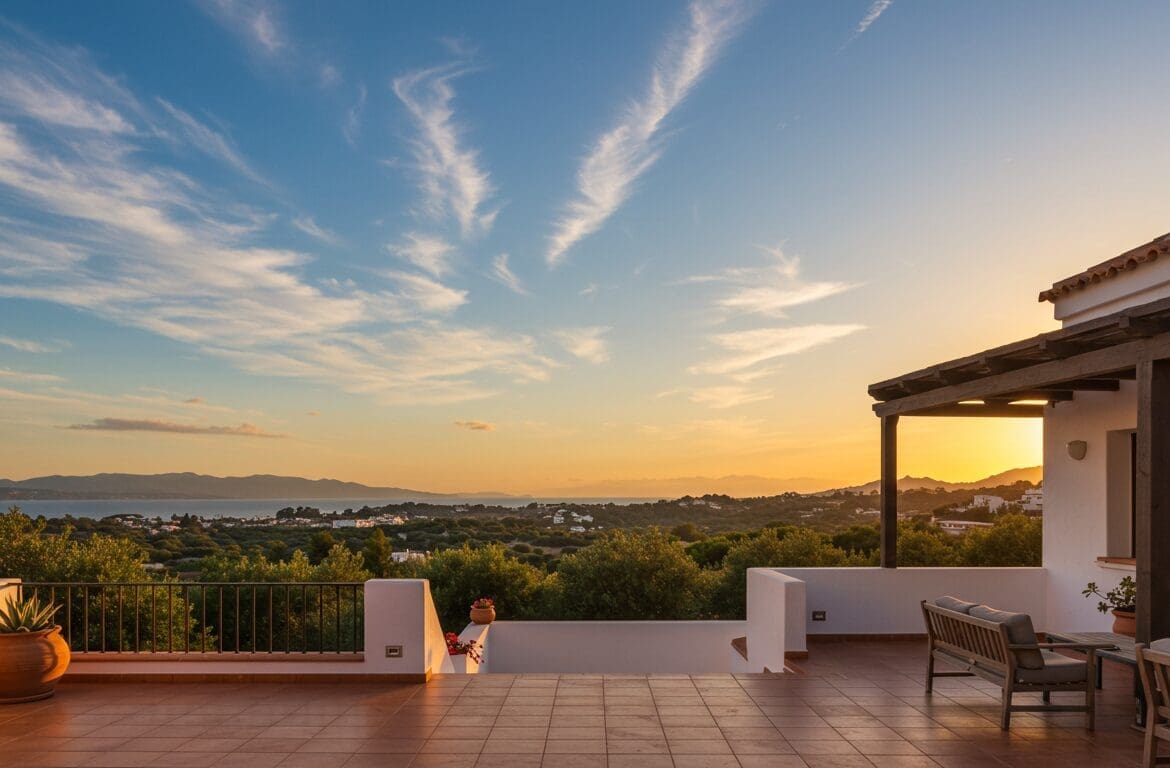
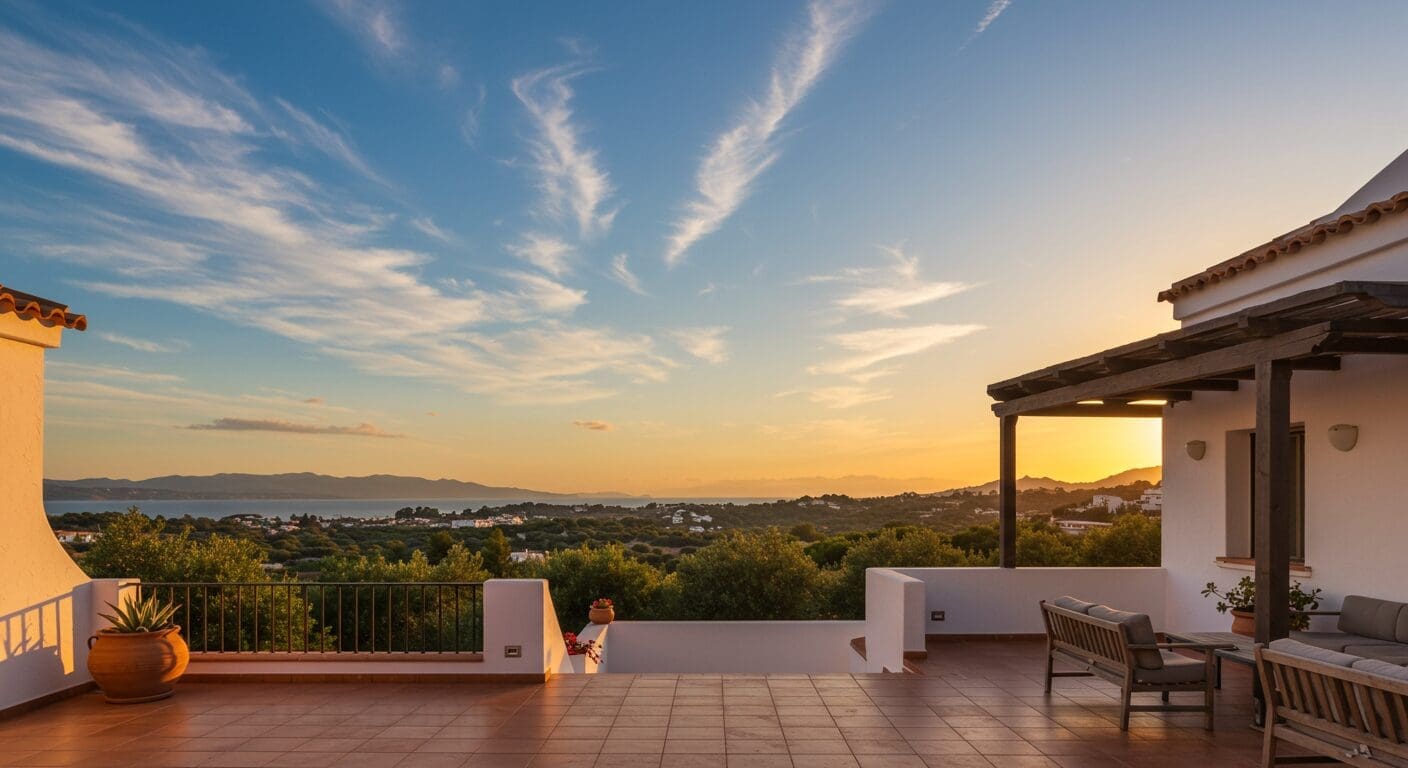
The coffee arrives before you’ve quite worked out where you are. The table is small, the shade is generous, and somewhere below the terrace the sea is doing that thing it does in the Aegean – turning a colour that has no real name in English, somewhere between turquoise and cobalt and the particular blue of a Delft tile. A cat is watching you with mild contempt. A fishing boat is making slow, unhurried progress across the bay. You have nowhere to be until dinner. This, you think, is precisely it. The only question worth asking at this point is not whether you should come – that much is obvious – but when.
The Aegean Islands are not a single destination so much as a state of mind distributed across several hundred islands, islets, and rocks jutting from the sea between Greece and Turkey. Mykonos and Santorini carry the headlines. Rhodes and Kos draw the families. Lesbos and Chios quietly get on with being magnificent without asking for much attention. Each island has its own rhythm, its own high season, its own particular version of paradise. But they share a broadly Mediterranean climate – hot, dry summers; mild, wet winters; and two shoulder seasons that are, frankly, the best-kept secret in the Aegean.
So. When to go? The answer depends entirely on what you want from it.
Spring: April to Early June
Spring in the Aegean is the season for people who have actually done their research. Temperatures sit comfortably between 18°C and 25°C – warm enough to eat outside every night, cool enough to walk the hillside villages of Naxos or the volcanic caldera rim of Santorini without suffering. The wildflowers are everywhere. The landscape is still green, which surprises people who only know the islands in their sun-bleached July incarnation. The sea is fresh rather than warm – swimming is possible from late May onwards, bracing before that – but nobody came in April for the swimming. They came for the quiet.
Crowds are thin. Restaurants are open but not frantic. The owners have time to talk to you. Prices for villas and hotels sit meaningfully below their summer peaks, which matters when you’re thinking about a week in something with a private pool and views of the caldera. Easter is the great exception to the quietness – Greek Orthodox Easter is celebrated with extraordinary intensity across the islands, with midnight candlelit processions, lamb roasting on spits, and a communal warmth that is genuinely moving. If you can time a visit around it, do. Just book early, because Greeks themselves fill the islands for the holiday.
Spring suits couples looking for romance without the circus, cultural travellers, hikers, and anyone who considers a week of reading, eating, and unhurried exploration to be a holiday well spent. It is not peak season for families with school-age children, for obvious logistical reasons. But for almost everyone else, it makes a very strong case.
Summer: Late June to August
Let’s be honest about summer. It is magnificent and it is also, in places, absolutely heaving. Temperatures in July and August regularly reach 35°C across much of the Aegean, with some islands – particularly those further south – nudging 38°C. The sea, by contrast, is a perfect 26°C to 28°C and you will spend a significant portion of your day in it. This is the season the Aegean was built for, in a sense. Everything is open. Every beach bar, every boat charter, every hilltop restaurant with the view you came for. The light in the evenings is extraordinary – long, golden, and forgiving.
The meltemi wind is worth knowing about. This is the strong northerly that blows across the Aegean from around mid-July through August, sometimes for days at a time. On Mykonos and Paros it is a fact of life. It keeps temperatures manageable and makes sailing interesting. On more sheltered islands – Samos, Ikaria, the southern Dodecanese – it barely registers. If you’re planning to sail, talk to your charter company about routing around it.
Santorini and Mykonos in August are not quiet. The cruise ships arrive in the morning and the narrow lanes of Oia and Little Venice fill with purpose. That said, a well-chosen private villa on the right island removes you almost entirely from the chaos – your pool, your terrace, your olive tree, your view. The crowds become largely theoretical. Families thrive in summer. Groups thrive in summer. Anyone who wants guaranteed sun, warm water, and a functioning social scene thrives in summer. You will pay for it. On every measure. But there’s a reason this is peak season.
Early Autumn: September to October
September is, by some margin, the most reliably excellent month in the Aegean. The crowds have thinned – the schools have gone back, the August madness has dissipated – but the sea is at its warmest, having absorbed three months of serious heat. Water temperatures hover around 26°C through September and remain swimmable well into October. Daytime temperatures drop to a more civilised 28°C to 30°C. The light changes too – slightly softer, slightly more golden, and significantly more photogenic than the flat white glare of August.
Prices fall. Not dramatically in the first weeks of September, but noticeably by the end of the month, and significantly in October. Villa availability opens up. Restaurant bookings become possible on the night. The pace of island life slows just enough to remind you why you came – the unhurried lunch, the afternoon entirely unscheduled, the evening that starts with a glass of local wine and ends four hours later without anyone particularly noticing.
October brings the first hints of autumn – the occasional shower, the sea slightly cooler, a few establishments beginning to wind down – but on the southern islands like Rhodes and Kos, conditions remain genuinely excellent. This is arguably the best month for active holidays: hiking, cycling, sailing without a headwind, and exploring villages that have their composure back. Couples and more discerning independent travellers tend to regard September and October as their private property. They are not entirely wrong.
Late Autumn and Winter: November to March
The Aegean in winter is not nothing. It is, however, a very different proposition. Most of the smaller island tourist infrastructure closes from November onwards – the beach bars, the boutique restaurants, the boat trips. What remains is the island as it actually lives: the fishing harbours, the local tavernas, the kafeneions where elderly men play backgammon with a seriousness the game arguably doesn’t warrant. Temperatures range from around 10°C to 16°C. Rain arrives. The sea turns grey and dramatic and beautiful in an entirely different register.
For a certain kind of traveller – writers, photographers, people who have been to the island six times already and want to see the other version – winter has genuine appeal. The light on a clear winter morning on Samos or Lesbos is extraordinary. The hiking trails are cool and empty. The cultural sites – the archaeological museum at Rhodes, the Heraion at Samos, the medieval street pattern of Chios town – can be explored with something approaching solitude.
The Dodecanese islands, Rhodes in particular, maintain a more year-round infrastructure than the Cyclades, making them better winter choices. Practical visitors should note that ferry services reduce significantly in winter and weather can disrupt transport. This is not the season for a family with young children, or for anyone whose idea of a holiday requires a functioning beach. It is the season for people who travel on their own terms and find the off-season version of a place more honest, and often more interesting, than the summer one.
Shoulder Season: The Case for Going in Between
The shoulder seasons – roughly May to early June, and the second half of September through October – represent the most straightforward answer to the question of the best time to visit the Aegean Islands. You get the warmth without the heat. You get the sea without the queues. You get the restaurants, the villages, the sunsets, and the general exhilarating quality of Aegean light, but with your elbows to yourself.
For villa travellers in particular, shoulder season is where the equation becomes compelling. Properties that were booked out six months in advance in August become available. Rates are lower, sometimes substantially. The staff-to-guest ratio across the islands is tilted in your favour. You can get a table at the restaurant with the terrace over the water. Your chartered boat captain will give you the route you actually wanted rather than the one everyone else is doing.
There is also something to be said for the quality of attention you receive. Island hospitality is genuine in any season. But in September, when the pace has slowed and the season is winding towards its end, there’s a warmth and generosity that feels less transactional than it does in the white heat of August. The islands show you more of themselves when they’re not performing for a crowd. That, for many travellers, is the whole point.
Events, Festivals and Local Calendar
Greek Orthodox Easter – moveable, but typically April to early May – is the Aegean’s most significant cultural event, celebrated with candle-lit midnight liturgies, the cracking of red eggs, and feasting that continues well into the following day. Each island adds its own character to the occasion. It is worth experiencing at least once.
Midsummer brings a series of cultural festivals across the islands. Rhodes hosts outdoor theatre and music performances in and around its medieval old town. Santorini has developed a small but serious jazz and arts festival scene. Many islands mark the feast day of their patron saint with local panigiri celebrations – outdoor music, dancing, and food that are entirely authentic and not remotely staged for tourists. These happen throughout summer and into autumn, and stumbling into one is one of the better things that can happen to you in the Aegean.
The wine harvest in late September and October is worth noting on islands like Santorini, Lemnos, and Samos, where viticulture is taken seriously. Some producers welcome visitors during this period – the Samos cooperative and the assyrtiko vineyards of Santorini’s caldera are particularly notable. If you’re visiting in autumn, build in a half-day.
Practical Summary: Which Season Suits You
Families with school-age children are, in practice, working with July and August. Both are excellent months for a family holiday in the Aegean – warm water, reliable sun, full infrastructure, plenty to do. The Dodecanese islands, particularly Rhodes and Kos, offer particularly strong family-oriented resort infrastructure. Book villas and properties well in advance – the best options go early.
Couples have the widest range of options. Spring and autumn shoulder seasons are genuinely romantic in the way that August, with its full volume and full prices, sometimes isn’t. A week in May or October in a well-chosen private villa on Paros, Sifnos, or the quieter corners of Crete offers something closer to the Aegean of imagination than the peak-season reality.
Groups travelling together tend to do best in June or September – enough warmth and social energy to make evenings interesting, enough space and availability to not feel like you’re fighting the entire world for a table. A large villa with a pool and a terrace becomes your base camp, and the island happens around you at whatever pace you choose.
Independent and cultural travellers – those who measure a trip by what they learn and see rather than hours on the beach – will find the most generous version of the islands in spring and autumn. The human geography of the Aegean, its medieval architecture, Byzantine churches, Ottoman traces, and ancient sites, doesn’t care about the season. The Acropolis of Lindos is no less impressive in October. The mastic villages of Chios are no less extraordinary in May. And you’ll have them largely to yourself.
Explore our Aegean Islands Travel Guide for deeper destination insight across the archipelago – island by island, neighbourhood by neighbourhood, from the volcanic drama of the Cyclades to the green forested hills of the northern Aegean.
When you’ve settled on your season, the next decision is where to stay. Browse our full collection of luxury villas in the Aegean Islands – handpicked properties across the archipelago, from clifftop estates on Santorini to private retreats on lesser-known islands that reward those who bother to find them.