
Cape Town Food & Wine Guide: Local Cuisine, Markets & Wine Estates
There are cities where you eat well, and then there is Cape Town – a place where the food itself becomes a reason to extend your stay. Not in the way hotels want you to extend your stay, but in the way where you find yourself on a Tuesday morning genuinely rearranging your calendar because you’ve just discovered a Franschhoek wine estate that does a barrel-tasting you weren’t supposed to attend, or a market stall selling spiced lamb sosaties that seem, against all reasonable odds, to be the best thing you’ve ever eaten. Cape Town sits at a remarkable confluence: two oceans delivering extraordinary seafood, winelands an hour from the city delivering some of the Southern Hemisphere’s finest bottles, and a cultural history so layered – Cape Malay, Afrikaner, Indigenous Khoisan, colonial, contemporary – that its cuisine is unlike anywhere else on earth. That, for the discerning traveller, is the point.
Understanding Cape Town’s Culinary Identity
To understand Cape Town’s food is to understand its history – which is, frankly, a more interesting education than most culinary traditions offer. The Cape Malay community, descendants of enslaved people and political exiles brought from Indonesia, Malaysia and East Africa during the Dutch colonial period, left an indelible mark on the city’s kitchen. Their cooking is a study in beautiful contradiction: warming spice alongside gentle sweetness, slow-braised richness finished with something bright and sharp. Bobotie, perhaps the most iconic of all Cape Malay dishes, is a spiced minced meat bake topped with a savoury egg custard – it sounds deeply odd until you try it, at which point it becomes something you think about on the flight home.
Alongside Cape Malay cooking, you find the braai – the South African barbecue that is less a cooking technique and more a social contract. Boerewors (coarse, spiced beef and pork sausage), lamb chops over open flame, and the slow-cooked potjiekos (a rich stew made in a three-legged cast iron pot) all belong to this tradition. What makes Cape Town different from the rest of South Africa is how fluently these traditions have been absorbed into a genuinely world-class restaurant scene. You’re just as likely to encounter a deconstructed bobotie at a fine-dining table in the V&A Waterfront as you are to find the real thing at a family kitchen in the Bo-Kaap. Both versions, done properly, are worth your time.
Signature Dishes Worth Seeking Out
Any serious Cape Town food & wine guide would be remiss not to flag the dishes that define the region. Waterblommetjiebredie is a Cape lamb stew made with water hawthorn flowers – a dish so specific to this geography that you simply cannot eat it anywhere else with the same authority. Sosaties are skewered meat (often lamb) marinated in apricot and tamarind, grilled over coals: sweet, smoky, deeply satisfying. Bunny chow, though more a Durban invention, has found its way into Cape Town’s street food consciousness with some conviction.
For seafood, the options are frankly unfair. Crayfish (what the rest of the world calls rock lobster) is pulled from cold Atlantic waters and served simply – grilled, buttered, occasionally with a squeeze of lemon and very little else, because nothing else is needed. Snoek is the local fish, a firm, oily, intensely flavoured Cape staple that divides visitors cleanly into two camps and belongs to a third option: the smoked variety, spread on bread with apricot jam, which you should try before forming any opinions. Cape Malay fish curry, fragrant with turmeric and ginger, is one of the city’s genuine gifts to the world. It is very seldom wrong.
The Winelands: Where to Go and What to Drink
The Cape Winelands are, without exaggeration, one of the great wine regions on earth – which the world is gradually catching on to, though not fast enough to make the roads busy. Stellenbosch, Franschhoek and Paarl form the main arc of the winelands, each with its own personality. Stellenbosch is the academic heartland – it has a wine university, which tells you something about how seriously they take this. Franschhoek, founded by Huguenot refugees in the 17th century, is the most self-consciously beautiful of the three and has built a fine-dining reputation to match.
Chenin Blanc is arguably the Cape’s most compelling white variety – capable of producing everything from crisp, citrus-driven table wines to barrel-fermented expressions of real complexity and age-worthiness. Pinotage, the Cape’s own grape variety (a cross between Pinot Noir and Cinsaut), is the red that gets the most attention, though the debate about whether this is deserved runs cheerfully through every wine conversation in the country. Cabernet Sauvignon and Syrah from Stellenbosch and the Swartland are worth the serious drinker’s attention. The Swartland in particular – wild, dry, full of old bush vines – is producing some of the most exciting wines in the Southern Hemisphere right now. A handful of small producers there are doing things with Grenache and old-vine Chenin that would make a Rhône vigneron sit up.
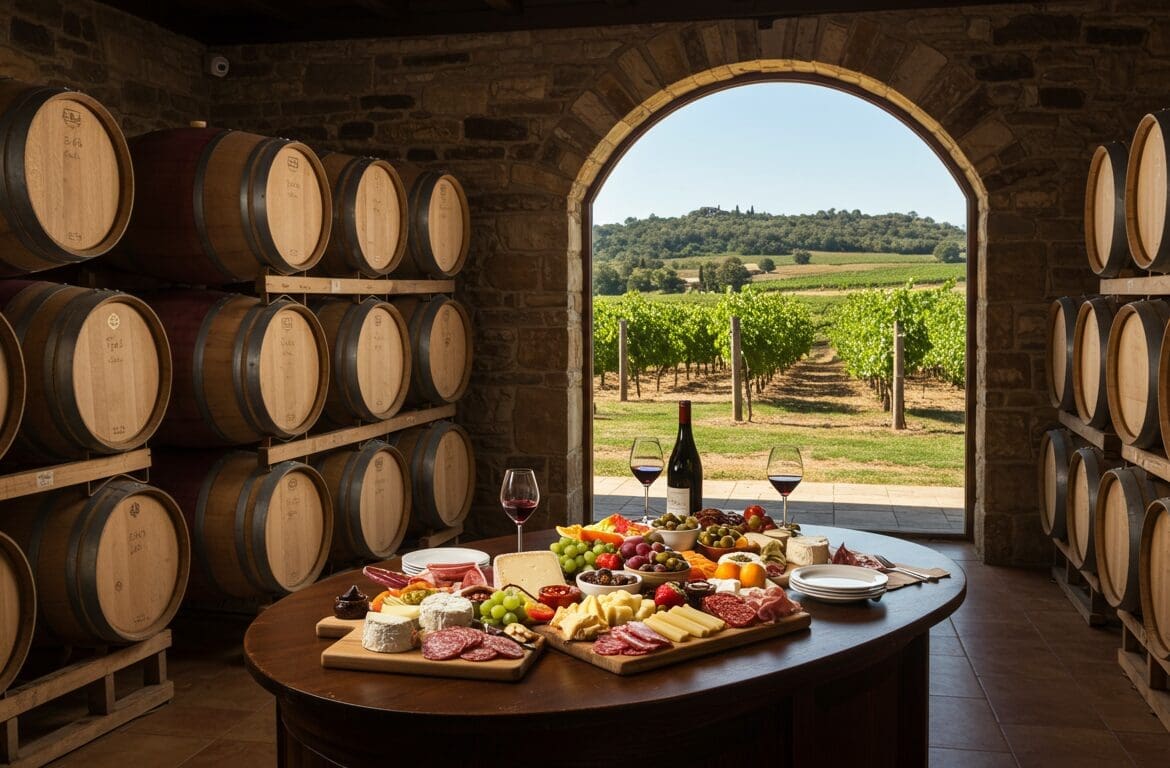
When it comes to estates worth visiting, the region offers cellar doors across every price and seriousness level. Look for estates with genuine heritage architecture (Cape Dutch gables are not merely decorative – they signal age and seriousness), chef-driven restaurants on the property, and guides who will open bottles they weren’t necessarily planning to. The best wine estate experiences in the Cape are not rushed. Bring the afternoon.
Food Markets That Are Actually Worth Your Morning
Cape Town has an abundance of markets, which means it also has an abundance of markets where you can spend forty-five minutes looking at artisanal candles. The ones worth your time are more specific. The Oranjezicht City Farm Market at the V&A Waterfront is the real article – a farmers’ market with genuine provenance, where producers grow and make what they sell, and where the quality of the ingredients is reflected in the fact that things actually sell out. Arrive by nine if you want the good sourdough. Arrive by eleven if you want the good sourdough story.
The Bay Harbour Market in Hout Bay operates on weekends and has built something genuinely atmospheric in what is essentially a converted fishing factory – the setting is industrial, the food is excellent, and the combination of live music, wood-fired cooking and cold wine in the afternoon light is rather difficult to fault. For something more urban, the weekly Neighbourgoods Market in Woodstock (Saturdays) draws a food-literate crowd and a range of traders that spans everything from Korean-inspired street food to heritage grain bakers and local charcuterie makers. It is not quiet. It is worth it.
Cooking Classes and Culinary Experiences
For travellers who want to understand Cape food rather than simply consume it, cooking classes are available at multiple levels of seriousness. The most culturally rich option is a Cape Malay cooking experience in the Bo-Kaap neighbourhood – the pastel-painted hillside district above the city centre that has been the heart of the Cape Malay community for centuries. To learn bobotie, koesisters (spiced fried dough, not to be confused with koeksisters, which are a different and equally necessary thing) and a proper Cape curry in someone’s home kitchen is an education that no restaurant menu can replicate.
Several wine estates also offer blending experiences alongside their tastings – the chance to work with the winemaker (or a very knowledgeable member of their team) to understand how a final blend is constructed. It is occasionally humbling, frequently delicious, and produces a bottle you can take home with a label bearing your name, which is either charming or slightly embarrassing depending on your disposition. Either way, the wine is generally good.
Olive Oil, Truffles and the Smaller Pleasures
The Western Cape produces olive oil of genuine distinction, and yet somehow it remains one of the region’s better-kept secrets. The Franschhoek and Swartland valleys, along with the Overberg region further east, are home to estates pressing extra-virgin oils from both local and traditional Italian varieties. Several wine estates now run dual operations – vines and olive groves sharing the same mountain slopes – and offer olive oil tastings alongside their wine programmes. For anyone interested in food at this level of detail, it is a half-day very well spent.
Truffle cultivation has taken hold in the Western Cape with more success than anyone quite anticipated. The cool-climate conditions of certain mountain regions – particularly in areas like Villiersdorp and the Elgin Valley – have proved hospitable to both black and white truffle cultivation, and a small number of specialist farms now offer truffle hunting experiences during the season (roughly June to August for black truffles). Finding your own truffle with the help of a trained dog, then watching it appear in a dish that afternoon, is one of those experiences that sits at the exact intersection of indulgence and genuine wonder. Cape Town rewards that kind of curiosity.
The Best Food Experiences Money Can Buy
At the apex of Cape Town’s food scene sit a small number of restaurants that have earned international attention for very good reason. The city now regularly features on lists of the world’s best dining cities, which is relatively new and entirely deserved. Several restaurants in the Franschhoek and Stellenbosch belts offer tasting menus that showcase indigenous ingredients – buchu, fynbos honey, rooibos, Cape herbs – within fine-dining frameworks that are technically rigorous without being cold. The best of them feel rooted in the landscape in a way that is increasingly rare in high-end dining.
For an experience that money genuinely makes better, consider a private chef dinner at your villa – the city has a deep pool of culinary talent, and the combination of a Cape Town cook working with the local produce at its best, in the privacy of a well-appointed kitchen with a view you’ve chosen yourself, is something restaurants simply cannot replicate. A private wine pairing with a sommelier who actually knows the estates they’re pouring from adds another layer. This is not showing off. It is knowing how to use a city properly.
Then there is the wine estate lunch, which deserves its own category and its own afternoon. The combination of a long table under old oaks, wines poured by the people who made them, food that has been designed specifically for those bottles, and the particular quality of Cape light in the early afternoon – golden, warm, unhurried – is one of the genuinely great travel experiences. It is also one of the most consistently underrated. Plan for three hours. Stay for four. You’re on holiday.
For the most immersive food journey, consider building a dedicated itinerary around the food markets, wine estates and cooking experiences as a thread running through your broader stay. Our Cape Town Travel Guide gives you the wider context – the neighbourhoods, the nature, the logistics – that makes this kind of trip genuinely seamless.
Where to Stay for Serious Food Travellers
The geography of eating well in Cape Town suggests that where you stay matters more than it might in other cities. The winelands are a 45-minute drive from the city centre – close enough for day trips, far enough to justify a night in Franschhoek if you’ve eaten and drunk as you should. The Atlantic Seaboard gives you the seafood restaurants and fresh morning markets with ease. The city bowl puts you near the Bo-Kaap’s cooking culture and the Saturday markets in Woodstock.
A private villa gives you something else entirely: the space to bring the food to you. A kitchen stocked with market produce, a private chef who knows the difference between a Cape Malay spice blend and an approximation of one, and a dining terrace with the kind of view that makes every meal slightly ceremonial. It is, for the serious food traveller, the obvious choice.
Explore our collection of luxury villas in Cape Town – from Atlantic Seaboard properties with uninterrupted ocean views to Winelands retreats where the vineyards begin at the garden gate. Each property is hand-selected, and each one offers the kind of base from which a truly serious Cape Town food and wine itinerary can be built with comfort and style.