
Best Time to Visit the Caribbean
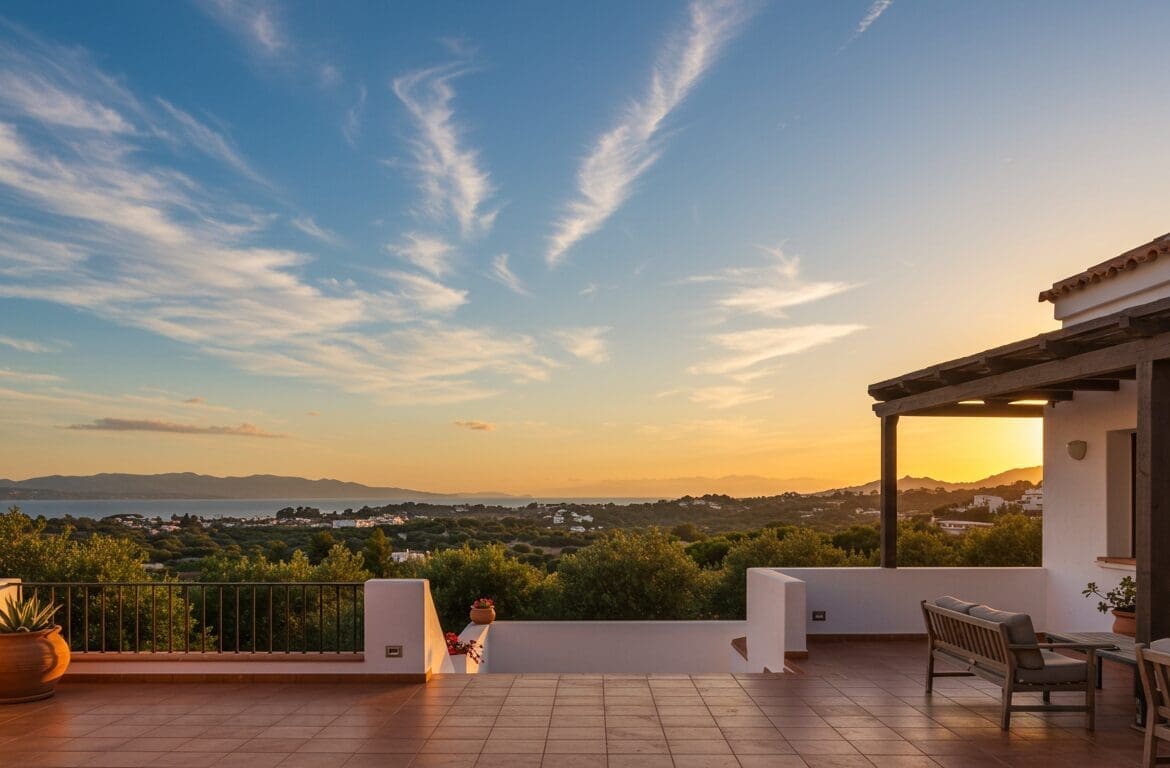
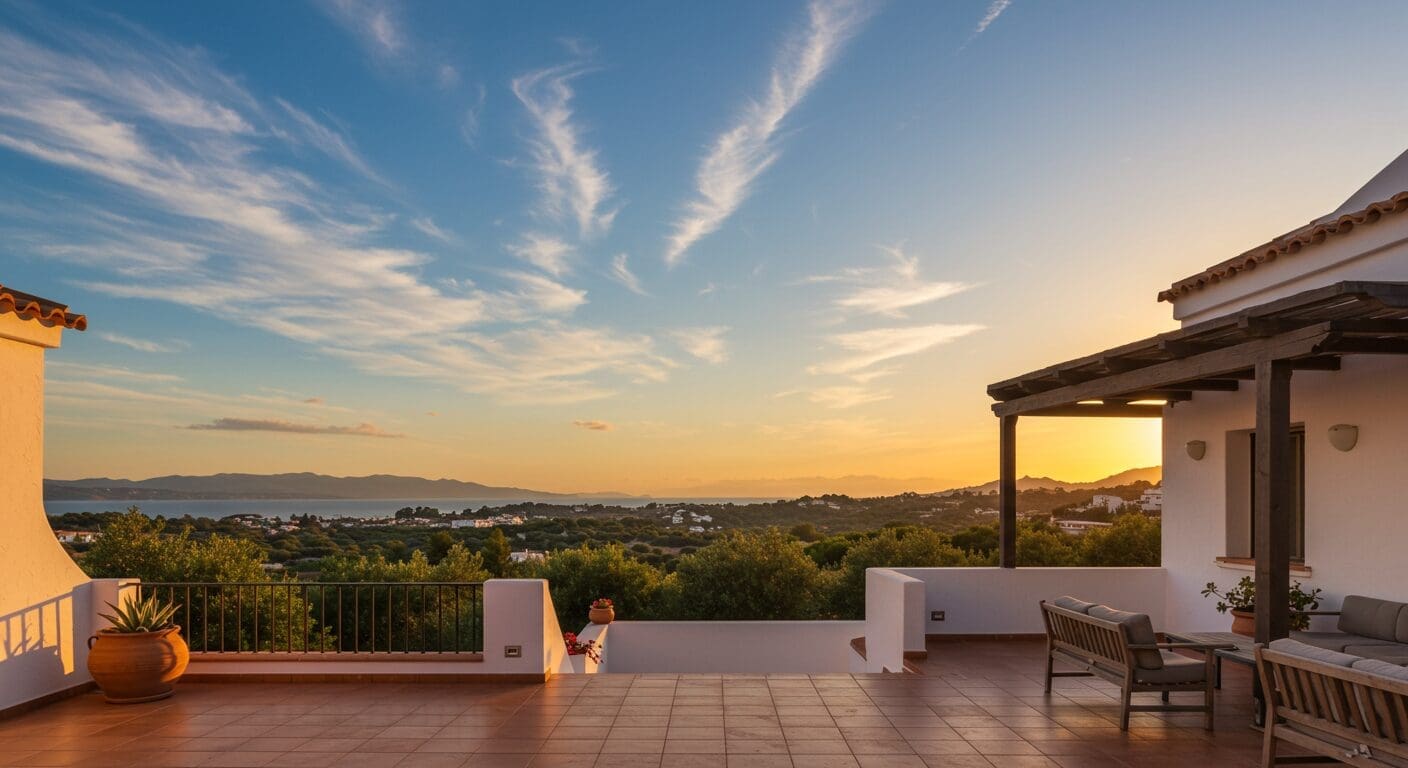
It is eight in the morning and you are already in the water. Not because you planned to be – you simply walked out of the villa, across warm sand that has somehow never heard of cold, and kept going. The sea is the colour of something a painter would be accused of exaggerating. Somewhere behind you, coffee is being made. A frigate bird wheels overhead with the lazy confidence of a creature that has never once been cold or delayed at an airport. You have nowhere to be and a great deal of nothing to do, and the Caribbean is entirely fine with that.
The question of the best time to visit the Caribbean is one that deserves a proper answer rather than a single season cheerfully declared and left at that. The Caribbean is not one place. It is a loose and gloriously disorganised collection of islands, each with its own rhythms, its own festivals, its own particular relationship with the rain. What follows is an honest seasonal guide – month by month, crowd by crowd, price by price – so you can make the kind of decision that actually suits you, rather than whoever wrote the airline’s blog.
For the broader picture on where to go and what to do once you get there, our Caribbean Travel Guide is a good place to start.
Understanding Caribbean Seasons: The Basics
The Caribbean operates on two broad seasons: dry and wet. The dry season runs roughly from December through April, when temperatures sit in the high twenties Celsius, trade winds keep things pleasantly breezy, and rainfall is sporadic at best. The wet season, broadly May through November, brings higher humidity, more frequent afternoon showers, and – between June and November – the Atlantic hurricane season. Neither of these labels should be taken too literally. A dry season day can produce a sudden downpour that disappears within the hour. A wet season week can be gloriously, continuously sunny. The Caribbean is not particularly interested in conforming to your expectations. That is, in many ways, part of the point.
Temperatures across most of the Caribbean stay within a fairly narrow band year-round – typically 25 to 32 degrees Celsius – which is one of the more compelling arguments for the region as a destination at any time. The variation between seasons is less about temperature and more about humidity, rain frequency, and how many other people have had the same idea.
December to February: Peak Season and Why It Deserves the Title
This is the Caribbean at its most classically itself. Skies are reliably clear, the trade winds arrive with pleasing punctuality, and the humidity drops to levels that feel genuinely luxurious after the claustrophobia of a northern winter. Temperatures hover around 26 to 28 degrees Celsius, which is the kind of warmth that neither overwhelms nor disappoints. The sea is calm, visibility for snorkelling and diving is excellent, and every beach looks as though it has been specifically arranged for your arrival.
There is a catch, of course. Everyone knows it. December through February represents high season across almost every island, and prices reflect that fact without apology. Villa rates climb, particularly around Christmas and New Year, and booking a good property for the festive period without planning six to twelve months ahead is optimistic at best. Airports are busier. Popular beaches acquire more umbrellas. The better restaurants fill faster. None of this ruins things, but it does require a degree of planning that slightly contradicts the escapism the Caribbean promises.
This period suits couples seeking romance and warmth, families making the most of school holidays, and anyone simply desperate to escape a January that has gone on far too long. St Barts becomes particularly animated over New Year, with a social scene that requires a certain level of commitment. Barbados hosts Holders Season – a celebrated programme of opera, theatre and music held in a plantation garden setting – across late February and into March, which gives the cultural traveller an excellent excuse to be there. Carnival season begins its Caribbean circuit during this period too, with various islands hosting their own versions in the months ahead.
March and April: The Sweet Spot Before the Rush Ends
March and April occupy an interesting position in the Caribbean calendar. High season is winding down, Easter aside, and with it comes a slight easing of pressure on both prices and beach space. The weather remains excellent – dry, breezy, warm without being oppressive – and the islands have a slightly more relaxed quality, as if they too are exhaling after a busy few months.
Easter week brings a brief surge of visitors and prices tick back up accordingly, but outside of those dates, March and April represent something close to the ideal balance. You get the reliably good weather of peak season without quite the peak-season premium. Villa availability improves. The pace slows to something more genuinely restorative.
This window suits couples particularly well – there is an unhurried quality to the islands in early April that makes it one of the better times for those who actually want to relax rather than perform relaxing. It also works well for groups renting larger villas, where the improved availability and slightly lower rates allow for better properties within the same budget. Trinidad’s Spiritual Baptist Liberation Day in March and various Easter regattas across the sailing islands add local colour without overwhelming the general sense of calm.
May and June: Shoulder Season and the Value Argument
May marks the technical beginning of the Caribbean’s low season and, with it, a shift that benefits the patient and the pragmatic. Prices drop – often significantly – villa availability opens up, and the islands take on a quieter character that many long-term Caribbean travellers will tell you, in slightly smug tones, is actually their preference. The weather in May and June is still largely very good. Rainfall increases but tends to arrive as sharp afternoon showers rather than sustained gloom, and mornings are often brilliant.
Humidity rises from May onwards, which is worth factoring in honestly. Not everyone finds it pleasant, particularly those coming from genuinely dry climates. It is the kind of warmth that asks something of you – that you slow down, seek shade in the afternoon, drink more water than you think you need. This is, in another framing, simply the Caribbean encouraging you to behave sensibly.
June is the beginning of the hurricane season on the calendar, though statistically the risk in June remains low. Travellers with good travel insurance and reasonable flexibility about dates will find June offers exceptional value. Antigua Sailing Week, one of the Caribbean’s great annual events, takes place in late April into early May, meaning the surrounding period on that island has an energised quality. Couples and smaller groups who value space and peace over company and spectacle tend to find the shoulder season quietly revelatory.
July and August: Heat, Festivals and the Family Crowd
The Caribbean in July and August is a study in contradictions. It is technically low season and yet, thanks to European and North American school holidays, it does not always feel like one. Prices rise from their May-June trough, particularly on the more popular islands, as families descend in numbers. The weather is hotter and more humid, and the hurricane season is gaining momentum – though meaningful activity typically peaks from August through October.
What July and August do offer that nothing else quite matches is festivals. Crop Over in Barbados – one of the Caribbean’s great celebrations, a festival of music, costume and collective joy with roots in the end of the sugar cane harvest – reaches its spectacular peak in early August with the Grand Kadooment Day parade. Trinidad’s festivals calendar is active. Various islands host their own carnival iterations. The cultural energy of the Caribbean in summer is, frankly, electric, and if you are travelling to experience the islands as living, breathing places rather than merely scenic backdrops, this is a compelling reason to go.
Families with children who have no flexibility around school holidays will find this period manageable with good advance planning. Book early, choose a villa with pool and space, and accept that the beaches will be more populated. For those with flexibility, however, the honest advice is to consider other months.
September and October: The Honest Truth About Hurricane Season
September and October sit at the statistical peak of the Atlantic hurricane season, and the honest advice is to treat that fact with respect rather than bravado. Hurricanes are not a daily occurrence – the vast majority of Caribbean visitors across history have never encountered one – but the risk during these months is real enough to warrant serious consideration and comprehensive travel insurance at minimum.
What these months offer in return is the lowest prices of the year, the emptiest beaches, and a version of the Caribbean that very few tourists ever see. Some resorts and rental properties close for maintenance or renovation, which can limit options, but those that remain open often offer rates that make the rest of the year look unreasonably expensive. The light in September and October has a particular quality – thick, golden, occasionally dramatic – that photographers and painters have always appreciated, even if they tend not to mention the humidity.
This period suits adventurous couples, digital nomads, and those who find genuine solitude more valuable than a beach chair and a cocktail menu. It demands flexibility – a willingness to adjust plans if serious weather approaches – and a pragmatic relationship with uncertainty. For the right traveller, that is part of the appeal. For most, it is a reason to look at other months.
November: The Quiet Turning Point
November is one of the Caribbean’s most underrated months. The hurricane season is winding down, the islands are still in low-season quiet, and prices have not yet climbed back to their December highs. Weather improves noticeably as the month progresses, and by late November the dry season logic is beginning to reassert itself. You get increasingly good conditions alongside the relative emptiness of the off-season – a combination that feels like rather good value.
This is an excellent time for those who want the best of both worlds without committing to the compromises of either peak or deep off-season. Villas are available, rates are reasonable, crowds are light, and the Caribbean is beginning to remember what it looks like at its best. The Barbados Food and Rum Festival takes place in November and is worth planning around if the combination of exceptional local cooking and Caribbean rum sounds like the kind of research you are prepared to conduct. It always does, in our experience.
Who Should Go When: A Quick Reference
Families with school-age children and no flexibility on dates will find December through February and July through August their realistic windows, with December to February delivering significantly better weather. Couples seeking romance and relaxation should consider March, April, or November for the ideal balance of good conditions and relative calm. Groups renting large villas will find the best combination of availability and value in May, June, and November. Adventure travellers and budget-conscious visitors who can handle some uncertainty about weather should look seriously at the shoulder months – May, June, and November in particular – where the financial case is strong and the crowds have gone home.
The Case for a Caribbean Villa, Whatever the Season
One of the genuinely sensible things about renting a villa in the Caribbean rather than a hotel room is the way it insulates you from the tyranny of peak-season logic. When you have your own pool, your own beach access, your own kitchen, and no requirement to compete for a sun lounger, the relative merits of crowds and prices shift considerably. A villa in high season delivers privacy when everything else is packed. A villa in low season gives you an extraordinary amount of space for a fraction of the peak price. Either way, the villa argument holds.
To find your ideal base for the Caribbean at whatever time of year suits you, explore our collection of luxury villas in Caribbean and let the calendar work in your favour.