
Best Time to Visit Catalonia: Month by Month Weather, Crowds & Tips
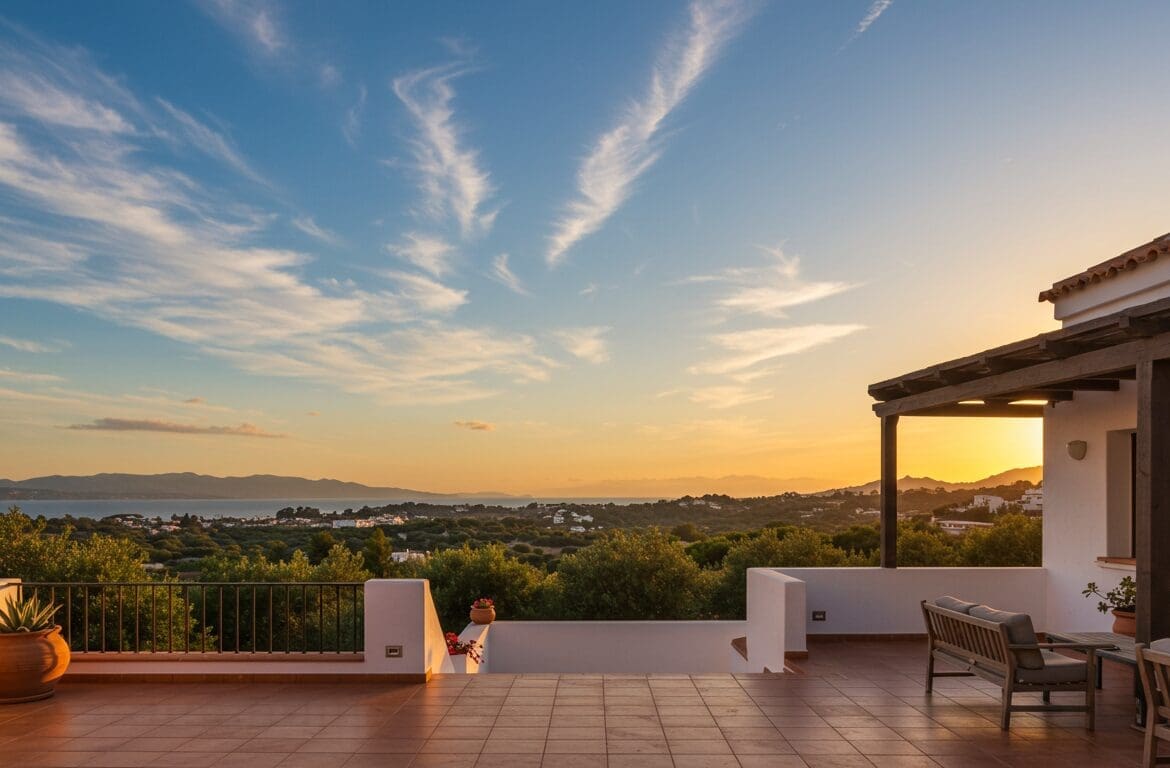
There is a particular hour in Catalonia – late afternoon, sometime in September – when the light turns the colour of old honey and the smell of woodsmoke drifts down from the hillside villages above the Costa Brava. The terraces are still warm. The tourists have, largely, gone. Someone nearby is drinking vermut and not apologising for it. This is when you understand why people come here once and then quietly rearrange their lives to come back.
But when, exactly, is the best time to visit Catalonia? The honest answer is that it depends enormously on what you want – and who you are. A family with school-age children and a villa with a pool has entirely different priorities to a couple looking for truffle season in the Empordà or a group of friends who want to eat their way through Barcelona without waiting an hour for a table. This guide covers it all: month by month, season by season, with the practical intelligence you need to get it right. For the broader picture, our Catalonia Travel Guide is a useful companion piece.
Spring in Catalonia: March, April & May
Spring arrives in Catalonia with genuine conviction. By March, the almond blossom has finished its brief, showy performance in the southern parts of the region, and the landscapes are turning that electric shade of green that only lasts a few weeks before the summer sun bleaches everything golden. Temperatures along the coast sit comfortably between 14°C and 19°C – warm enough for long lunches on terraces, cool enough for actually walking around medieval villages without dissolving.
April is perhaps the most underrated month in the Catalan calendar. The Costa Brava is photogenic without being overrun. Barcelona is busy but not oppressive – you can get a table at lunch without negotiating. Inland, the Pyrenean foothills are spectacular after the winter rains, with waterfalls and rivers running full. Sant Jordi’s Day on April 23rd is one of Catalonia’s most charming traditions – a kind of Valentine’s Day crossed with a literary festival, where lovers exchange roses and books in the streets. It is considerably more dignified than its equivalents elsewhere, and considerably more bookish.
May nudges temperatures up toward the low-to-mid 20s and brings the first real beach days to the southern stretches of coast. Prices remain reasonable. Availability at good villas is still solid. Families who can travel outside school holidays will find May particularly rewarding – the combination of warm weather, low crowds and fully operational restaurants and attractions is hard to beat. This is also a fine month for cycling in the Garrotxa volcanic zone or hiking around the Cap de Creus peninsula, where the wind-sculpted landscape looks like something Salvador Dalí would have painted. (He did, repeatedly, and he lived there. The connection was not subtle.)
Summer in Catalonia: June, July & August
Summer is when Catalonia pulls on its best clothes, opens every beach bar, fills every cala, and attracts several million people who all had the same idea at the same time. June is the most civilised of the summer months – warm, lively, with the full infrastructure of the season open and running but without the white-hot intensity of July and August. Temperatures on the coast reach 26-28°C. The sea is swimmable. Restaurants are in their full seasonal stride.
July and August are peak season in every sense: peak beauty, peak heat (temperatures regularly touch 30-35°C inland), peak price and peak crowd. The Costa Brava’s famous calas become genuinely difficult to access by car in August – the car parks fill by 9am. Barcelona in August is a curious thing: half the city’s residents leave, replaced by approximately three times their number in tourists. The city is vibrant and hot and loud and relentlessly photogenic, and you will need a reservation for almost everything worth doing.
For villa holidays, summer is when the format comes into its own. Having your own pool, your own shaded terrace, your own kitchen stocked from the local market – this is not an indulgence in August, it is a strategy. Families with school-age children are well served by the full summer, when beach clubs, water parks and activity programmes are in full operation. Couples and groups willing to pay peak rates will find the long golden evenings and the warmth of the sea ample compensation. The Festa Major celebrations happen across Catalan towns throughout the summer – each village has its own, marked by human towers (castellers), fire runs and communal dancing that goes until an hour that would alarm most northern Europeans.
Autumn in Catalonia: September, October & November
Here is where most experienced travellers land when you push them: autumn. September in particular combines everything that summer offers – warm sea, long days, open restaurants – with everything summer lacks: space, reasonably priced accommodation and the sense that you are actually experiencing a place rather than queuing for it.
Early September still delivers sea temperatures around 24°C and air temperatures in the high 20s. By mid-month, the light takes on that particular amber quality mentioned at the start of this piece, and the evenings require a light layer. It is the kind of weather that was designed for sitting outside with a glass of something cold and not going in until you absolutely have to.
October shifts things inland. The Empordà region enters truffle season. The Pyrenean beech forests turn extraordinary shades of amber and copper. Wine harvest season brings activity to the Priorat, Penedès and Empordà wine regions – many estates offer tastings and visits during October and November. Temperatures drop to the mid-teens, and while beach swimming becomes optimistic rather than comfortable, hiking, cycling and gastronomy are all at their best. Prices drop meaningfully from peak, and availability opens up across villas and hotels alike.
November is genuinely quiet. Some smaller coastal restaurants close for refurbishment or owner holidays. But cities – Barcelona, Girona, Tarragona – are fully operational and considerably calmer. The All Saints’ Day celebrations in early November have a particular warmth and civic character in Catalan towns that is worth experiencing if you happen to be there.
Winter in Catalonia: December, January & February
Winter in Catalonia is a subject that deserves more attention than it typically receives. The coastal climate is mild by any reasonable European standard – Barcelona rarely dips below 8-10°C even in January – and the quality of light on clear winter days is frankly unfair to the rest of the continent. Rain is more likely, particularly in January and February, but it rarely arrives in the unrelenting form familiar to those who live further north.
Christmas in Catalonia is a distinctive cultural experience. The Catalan approach to nativity scenes involves a character called the Caganer – a figure depicted in a state of, let’s say, natural relief – which appears in cribs across the region and in shops as a souvenir. It sounds like a joke. It is entirely serious and has been for centuries. The Tió de Nadal, a log that is ceremonially beaten to produce presents on Christmas Eve, completes the impression that Catalan festive traditions were designed by someone with a very particular sense of humour.
January and February are the true off-season months. Barcelona’s Museu Picasso, the Fundació Joan Miró and the extraordinary Museu Nacional d’Art de Catalunya can be visited without the usual summer compromises. Girona’s medieval Jewish Quarter and the cathedral are at their most atmospheric under grey winter skies. And for those drawn to the mountains, the Pyrenean ski resorts – Baqueira-Beret in particular – are in full operation, offering alpine skiing at a scale that surprises many first-time visitors.
Prices in winter are substantially lower across the board. Villa availability is excellent. For couples on a cultural and gastronomic trip, February is a genuinely compelling option: the Carnival celebrations in Sitges are among the most theatrical in Spain, and the restaurant scene in Barcelona is operating at full capacity for a local audience rather than a tourist one. The food, as a result, is better.
The Shoulder Season Advantage
If the concept of a shoulder season needs any advocacy in Catalonia, consider this: in May and October you get approximately 80% of the experience for 60% of the cost, with perhaps 30% of the people. The mathematics are compelling. The coast is accessible. The villas are available. The restaurants have time to care about what they’re serving you.
Shoulder season suits almost every type of traveller – couples wanting a romantic escape, groups of friends focused on food and wine, families with flexible school schedules, solo travellers who want to move at their own pace without fighting for pavement space. These months also offer the greatest flexibility in villa selection, which matters when the difference between a good villa and an exceptional one can come down to which week you’re prepared to travel.
Month by Month at a Glance
January: Cool and quiet. Ideal for culture, skiing in the Pyrenees. Very low prices. Some coastal restaurants closed.
February: Carnival season. Sitges comes alive. Still quiet on the coast. Good for Barcelona and Girona. Prices low.
March: Spring arrives. Good walking weather. Coast waking up. Reasonable prices. Shoulder season begins.
April: Sant Jordi on the 23rd. Warm and beautiful. Moderate crowds. Strong choice for most travellers.
May: One of the best months. Warm, low crowds, everything open. Families with flexible dates take note.
June: Early summer – warm, lively, manageable. Prices rising. Best of the summer months for avoiding the crunch.
July: Peak heat, peak season. Busy everywhere. High prices. Book villas months in advance.
August: Absolute peak. Hottest, busiest, most expensive. Phenomenal for villa holidays. Plan everything.
September: The connoisseur’s choice. Warm sea, warm air, lower crowds and prices, magnificent light.
October: Autumn colour, truffle season, wine harvest. Cooler but beautiful. Excellent value.
November: Quiet and atmospheric. Best for cities. Some coastal facilities closing. Low prices.
December: Christmas culture is genuinely distinctive. Cities festive and manageable. Mild temperatures.
Plan Your Stay with a Luxury Villa in Catalonia
The right villa changes everything about how you experience a destination. In Catalonia, it means waking to the sound of cicadas or mountain silence rather than a hotel corridor. It means a table set for eight on a terrace that overlooks the sea or the vines, rather than a hotel restaurant where the tables are too close together. It means arriving back from a day on the water and having somewhere genuinely yours to arrive back to.
Whether you’re planning a week in September on the Costa Brava, a winter cultural break in or near Barcelona, or a full summer with extended family, our collection of luxury villas in Catalonia has been curated with exactly this kind of stay in mind. Get in touch – we know this region well, and we’ll help you find exactly the right base for whenever you choose to go.