
Best Time to Visit Malaga
Best Time to Visit Malaga
Malaga gets about 300 days of sunshine a year. Most cities that claim this figure are being optimistic. Malaga is not. It sits at the southernmost edge of continental Europe, cradled between the Sierra Nevada and the Mediterranean, and it has the weather receipts to prove it. But sunshine alone doesn’t explain why discerning travellers keep returning. What sets Malaga apart – what makes it genuinely compelling rather than merely convenient – is that it has quietly become one of the most culturally alive cities in Spain, without ever losing the ease and warmth that made it famous in the first place. The Picasso Museum, the Roman theatre, the extraordinary food scene, the old city that rewards slow walking – none of this was here by accident. Malaga earned its reputation. The question is simply when you’d like to collect on it.
Why Timing Your Visit to Malaga Actually Matters
Unlike some destinations where “any time is a good time” is more marketing than advice, in Malaga the season you choose genuinely shapes your experience. July and August deliver the full, heaving spectacle of high summer – brilliant but breathless, beautiful but busy. A February visit gives you the city almost entirely to yourself, with temperatures mild enough to eat outside and a cultural calendar that most tourists don’t know exists. Spring and autumn occupy that enviable middle ground where the weather is excellent, the crowds have thinned, and prices have remembered their manners.
For villa travellers in particular, the timing calculus matters more than it does for hotel guests. A private pool in June feels like a considered pleasure. In August, it feels like a survival strategy. This guide walks through the year honestly, so you can decide which version of Malaga suits your particular idea of a good time.
Spring in Malaga: March, April and May
Spring is arguably the finest season in Malaga, and the fact that it remains a shoulder season is one of travel’s more cheerful injustices. Temperatures in March hover between 14°C and 19°C, climbing to a genuinely lovely 20-24°C by May. The light is extraordinary – clear and golden without the bleaching intensity of high summer. Rain is possible in March, increasingly unlikely by May, and largely irrelevant given how quickly skies clear here.
The old city is walkable without requiring serious hydration stops every ten minutes. Terrace tables at restaurants are available without a forty-minute wait. Semana Santa – Holy Week before Easter – transforms the city in a way that no travel photograph quite captures. The processions are solemn, theatrical, and genuinely moving, even if you arrived as a sceptic. The elaborate pasos, the scent of incense, the near-silence of enormous crowds: it is an experience that earns its reputation.
By May, the beaches are coming to life without being overwhelming. The chiringuitos – the seafood beach bars that are as central to Malagueño life as the cathedral – are open and serving espetos, the famous skewered sardines cooked over open flame on the beach, with a cold glass of local white wine and the unhurried afternoon you’ve been meaning to have. Families, couples, and groups travelling together all find spring genuinely accommodating. Prices are moderate, availability is good, and the city is operating at full capacity without the strain that summer brings.
Summer in Malaga: June, July and August
Let’s be honest about summer. June is glorious – temperatures in the mid-to-high 20s, long evenings, the sea warming up to genuinely swimmable temperatures, and crowds that are present but not yet punishing. It is the high season’s most elegant month.
July and August are a different proposition. Temperatures regularly reach 32-35°C, occasionally higher. The beaches are packed. The old city at midday operates on a silent, shuttered logic that sensible locals have always understood: you don’t walk anywhere between 1pm and 5pm unless you have a very good reason. The crowds are substantial and international, prices are at their peak, and villa rental availability tightens considerably if you haven’t planned ahead.
None of this is a reason to avoid summer. It is a reason to approach it correctly. A private villa with a pool becomes not a luxury but a framework around which the day is sensibly organised – mornings out early, afternoons in the water, evenings when the city comes back to life and the restaurants fill with people who know how to enjoy themselves. The Feria de Málaga in mid-August is a week-long festival of flamenco, food, and dancing in the streets that is chaotic, joyful, and entirely worth the heat. If you are travelling with children, summer’s long days and beach-ready conditions make it the obvious choice, provided the villa has shade and the planning has been done.
Autumn in Malaga: September, October and November
September may be the single best month to visit Malaga. The summer crowds have dissolved. The sea is at its warmest – around 24°C – having spent three months absorbing heat. Temperatures drop to a comfortable 25-28°C. The restaurants, galleries, and cultural spaces are all operating at full tilt, and the city seems to exhale a little. Prices begin their gradual descent from summer heights.
October continues in a similar vein, perhaps slightly cooler, occasionally rainier, but still delivering more reliably warm weather than most of Europe can manage in its best months. It is the season for serious travellers – people who want the whole of Malaga rather than just the beach element of it. The Picasso Museum, the Pompidou Centre Malaga (which remains one of the more unexpected cultural footnotes of this city), the Carmen Thyssen Museum, the Roman theatre at the foot of the Alcazaba: all of these are infinitely more enjoyable when you are not elbowing through tour groups.
November brings a noticeable cooling – daytime temperatures of 16-20°C – and the first hints of proper off-season. Beach days become unlikely, though not impossible. The city belongs increasingly to those who live in it, which is not a bad thing at all for visitors who prefer authenticity to atmosphere management. Prices are low, availability is excellent, and Malaga in November has a quiet confidence about it that is entirely its own.
Winter in Malaga: December, January and February
Malaga winters are the city’s best-kept secret, which is curious given how many northern Europeans have clearly worked it out and decided not to mention it to anyone else. Daytime temperatures in December and January typically reach 15-18°C – cold by local standards, genuinely mild by the standards of most European winters. Rain appears, but rarely stays. The cafés are full of locals. Hotel prices are at their annual low. The city operates on its own terms rather than those of seasonal tourism.
Christmas in Malaga is a spectacle worth scheduling around. The Calle Larios illuminations are among the most elaborate in Spain, drawing visitors from across the country. The Cabalgata de Reyes – the Three Kings parade on January 5th – is taken very seriously indeed, which is to say there is rather a lot of confetti and rather more enthusiasm than any adult foresaw.
February brings the first hints of spring optimism – temperatures nudging upward, almond trees in blossom in the surrounding countryside, the odd perfectly warm day that feels like a gift. The Malaga Carnival, typically in February, is a proper local affair: costumes, satire, music, and the very enjoyable sense that this is not something staged for tourism. Couples looking for a European city break that doesn’t involve queuing in the cold will find winter Malaga quietly compelling. It rewards the visit generously.
Shoulder Season: The Case for Going When Others Don’t
The shoulder seasons – late April to early June, and mid-September through October – represent the most consistently rewarding window for villa travellers who want the full experience without the full price tag or the full crowd density. Weather is excellent, the city’s cultural and culinary offer is operating at its best, and the particular pleasure of having a terrace dinner without competing for airspace is not to be underestimated.
Villa pricing during shoulder season typically runs 20-35% below peak summer rates, which at the luxury end of the market represents a meaningful saving. Availability is considerably better, giving you genuine choice over location, size, and specification rather than whatever happens to remain. For groups celebrating occasions – a significant birthday, a family reunion, a long-overdue gathering of people who keep meaning to do this – the shoulder season delivers everything summer promises and several things it doesn’t.
Malaga by Month: A Quick Reference
January: Quiet, mild, excellent for culture. 14-17°C. Low prices.
February: Carnival season. Almond blossom. First warmth of the year. 15-19°C.
March: Spring arrives. Semana Santa possible. 16-20°C. Moderate prices.
April: Excellent all round. Green, warm, uncrowded. 17-22°C.
May: Peak shoulder season. Beaches opening. Espetos season begins properly. 19-24°C.
June: Early high season. Warm, manageable, beautiful. 23-28°C.
July: High summer. Hot, busy, brilliant if prepared. 26-32°C.
August: Peak everything – heat, crowds, prices, Feria. 27-34°C.
September: The secret best month. Sea warm, crowds gone. 24-29°C.
October: Golden, warm, cultural. 20-25°C. Prices easing.
November: Quiet, authentic, affordable. 16-20°C.
December: Christmas illuminations. Mild. Low prices. 14-18°C.
Who Should Visit Malaga and When
Families with children will find July and August most practical – school holidays, warm seas, and long days align perfectly, and the city’s beach infrastructure is well-suited to the logistical requirements of family travel. June is the quieter, slightly cooler alternative that parents who have previously done August will often choose the second time around.
Couples seeking a genuinely romantic city break are, frankly, spoiled for choice outside of high summer. February through April offers the combination of culture, good food, and a city that feels like it’s yours for the duration. September and October deliver this in warmer, more golden form.
Groups travelling together – whether for celebrations, villa holidays, or the kind of extended gathering that requires a private pool and several good dinners – will find May, June, and September the most rewarding months. The infrastructure supports them, the weather delivers, and the city has enough going on that the group doesn’t need to manufacture its own entertainment.
For a deeper understanding of what Malaga offers across its neighbourhoods, museums, beaches, and restaurant scene, our Malaga Travel Guide covers the city in full.
Plan Your Malaga Villa Stay
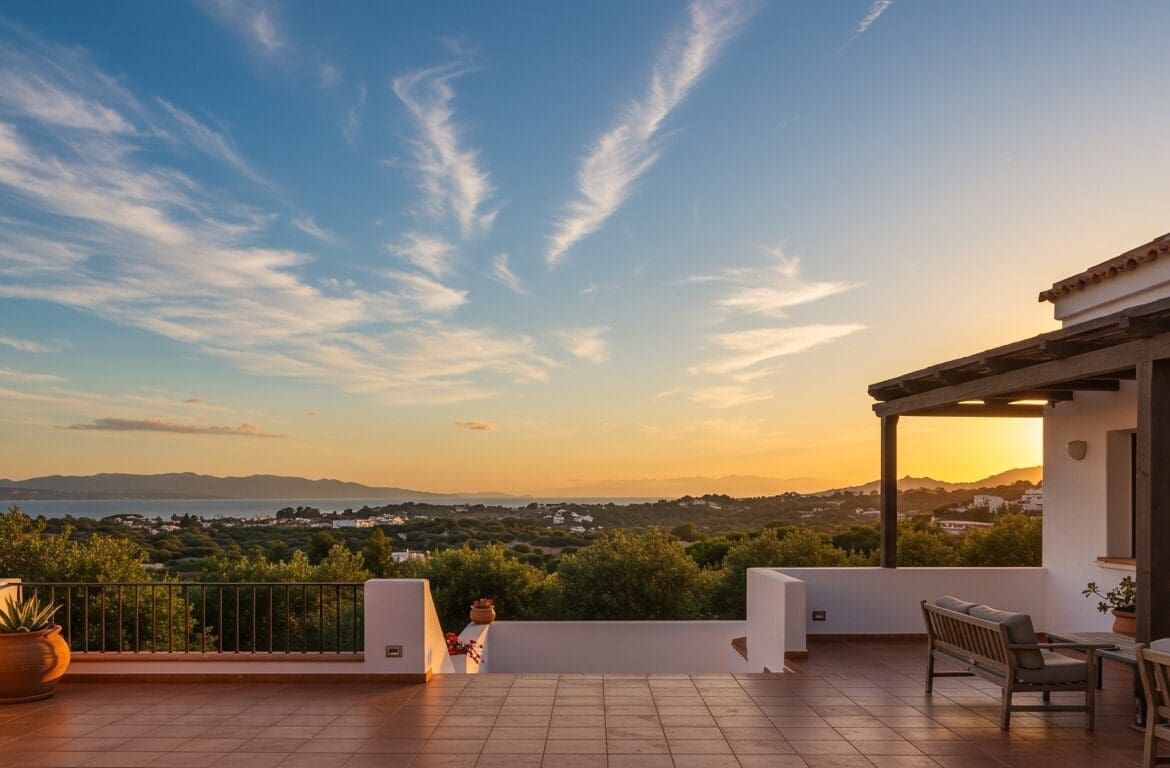
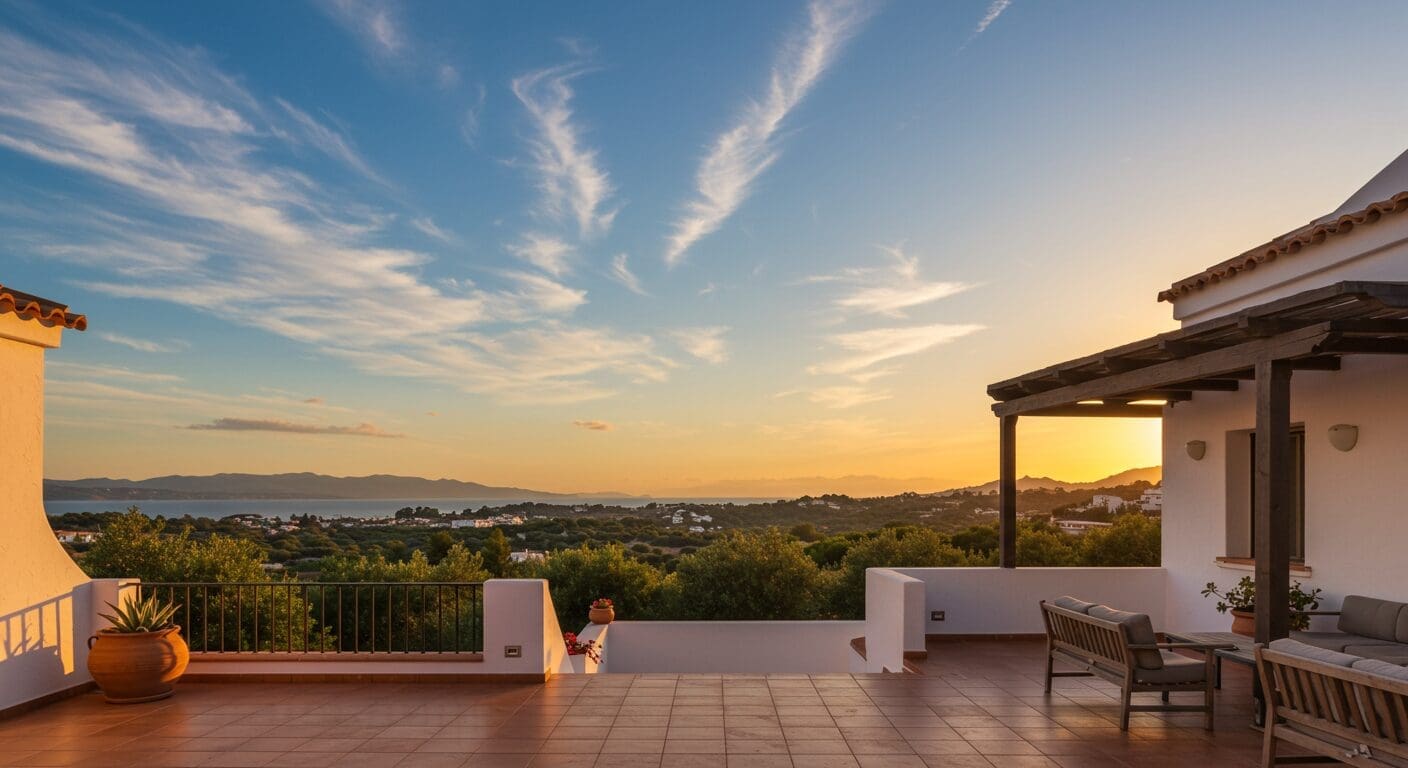
Whenever you choose to go, the quality of where you stay shapes the entire experience. A private villa in Malaga – whether in the hills above the city, close to the old quarter, or positioned along the coast – gives you the space, privacy, and particular pleasure that no hotel can replicate. A morning coffee on your own terrace, an afternoon in your own pool, an evening table under your own sky: these are not small things.
Browse our curated collection of luxury villas in Malaga and find the right base for the right time of year. Whether you’re planning a summer escape, a spring cultural break, or a quiet winter retreat, we’ll help you get it right.
What is the best time to visit Malaga for good weather without the crowds?
September is widely considered the finest month overall – the sea is at its warmest, summer crowds have thinned considerably, and temperatures settle into a very comfortable 24-29°C. May runs it close, with excellent weather, fully open restaurants and beaches, and none of the August intensity. Both months represent the sweet spot between weather quality and visitor numbers.
Is Malaga worth visiting in winter?
Genuinely, yes – and not just as a consolation prize for those who couldn’t get flights in summer. Winter daytime temperatures of 15-18°C make the city entirely walkable and enjoyable. Cultural attractions are at their least crowded, restaurants are operating at their most local and unhurried, and prices across accommodation and travel are at their annual lowest. December adds the considerable bonus of the Calle Larios Christmas illuminations, which are among the best in Spain.
When is Malaga’s Feria, and is it a good time to visit?
The Feria de Málaga typically takes place in the second week of August, usually around the 15th to 20th, though dates vary slightly each year. It is a week-long city-wide festival involving flamenco, food stalls, processions, and dancing in the streets late into the night – the kind of event that rewards visitors who engage with it fully rather than observe from a distance. It coincides with peak summer conditions and peak prices, so book accommodation well in advance. For a genuine taste of Malagueño culture at full volume, there is nothing quite like it.