
Best Time to Visit Split-Dalmatia County
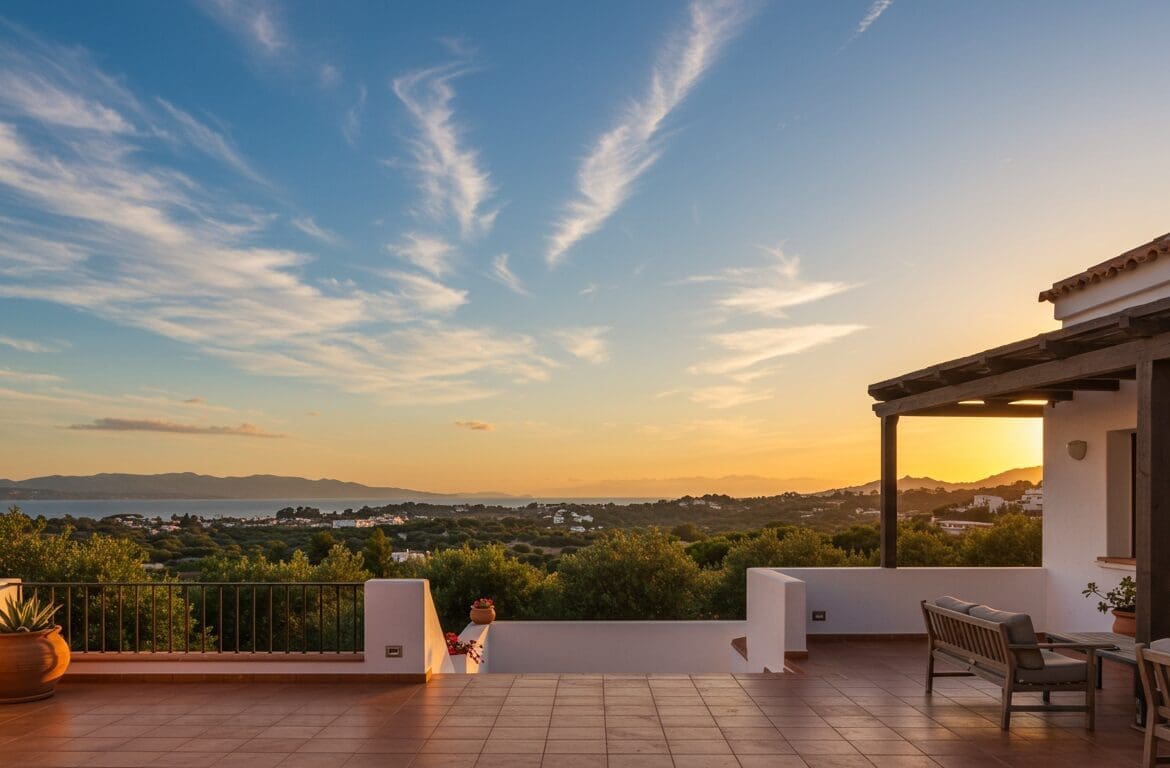
In late September, when the last of the summer crowd has shuffled back to their airports and the Adriatic has had a few weeks to settle into something quieter and more itself, Split-Dalmatia County becomes exactly what you always hoped it would be. The light turns amber by four in the afternoon. The fish market in Split is full again – full of locals, not selfie sticks. The sea is still warm enough to swim in without any kind of bravado. This, right here, is the moment the Dalmatian coast earns its reputation properly. But that’s getting ahead of things. The best time to visit Split-Dalmatia County depends rather a lot on what you’re looking for – and equally, what you’re willing to put up with.
Understanding Split-Dalmatia County’s Climate
Split-Dalmatia County enjoys a classic Mediterranean climate, which is a polite way of saying it is aggressively sunny for roughly half the year and surprisingly mild for the other half. Summers are hot, dry and reliably blue-skied. Winters are cool and occasionally wet, though rarely what you’d call brutal. Spring and autumn sit somewhere between the two: gentle, luminous and – crucially – dramatically less crowded than the peak months. The Dalmatian hinterland, stretching inland toward the Dinaric Alps and the Cetina River canyon, runs slightly cooler and wilder than the coast at any given time of year, which is worth bearing in mind if your plans extend beyond the beach. The islands – Brač, Hvar, Šolta and Vis – follow broadly coastal patterns, though the famous bura wind can arrive with some force during winter and spring, occasionally reminding visitors that the Adriatic has moods.
Summer: June, July and August
This is the season Split-Dalmatia County is famous for, and it is genuinely excellent – if you arrive prepared. Temperatures along the coast regularly reach 30°C to 35°C through July and August, with sea temperatures hovering around a very agreeable 26°C. The light is extraordinary. The islands are at their most beautiful. The outdoor restaurants are full every night, the ferry connections between islands run frequently and the whole region hums with a particular kind of Mediterranean energy that is difficult not to love.
It is also, in July and August especially, extremely busy. Split’s Diocletian’s Palace – one of the most lived-in Roman monuments in the world – becomes something of a human traffic jam by mid-morning. Hvar town fills to a point where finding a table for dinner without a reservation requires either extraordinary patience or lowered standards. Prices for ferries, restaurants and accommodation all rise accordingly. None of this is a secret.
For families, peak summer makes obvious sense: school holidays align, boat trips are plentiful, and the warm shallow waters around the islands are ideal for children. For couples seeking something more atmospheric, the sheer volume of visitors can dilute the romance somewhat. For groups renting a private villa, high summer remains genuinely compelling – you have your own space, your own pool, your own pace, and you can largely choose when to engage with the outside world and when not to. June is noticeably calmer than July and August, and worth serious consideration: temperatures are already high, the sea swimmable, and the worst of the crowds still a few weeks away.
Shoulder Season: May and September
If there is a case to be made for the ideal time to visit Split-Dalmatia County, these two months make it most convincingly. May brings the region back to life after the winter pause – restaurants reopen, ferry services increase, boat hire becomes available – while temperatures sit comfortably between 20°C and 25°C. The wildflowers are out across the islands. The olive groves look impossibly green. You can walk around Diocletian’s Palace and actually look at it.
September extends all the pleasures of summer with most of the crowds removed. The sea is at its warmest of the entire year – heated by three months of direct sun – and the food scene enters its best season, with late-summer produce and early-season game appearing on menus. Restaurants that were overwhelmed in August suddenly remember what hospitality is supposed to feel like. Prices drop noticeably. The whole coast exhales.
Couples tend to find May and September particularly rewarding – there’s space to discover things at your own rhythm, sunsets are less observed by committee, and the overall atmosphere shifts from beach holiday to something more considered. This is also when Dalmatian wine country, particularly around Kaštela and the Primošten area, comes into its own, with the grape harvest beginning in late September and continuing into October.
Autumn: October and November
October is genuinely underrated. Temperatures along the coast remain in the high teens to low twenties, the sea holds enough warmth for a determined swim, and the tourist infrastructure is still largely operating. By the second half of October, some island restaurants and seasonal businesses begin to close, but Split itself – a proper, working city of 170,000 people – functions perfectly well year-round. The old town is atmospheric in autumn in a way it simply cannot be in high summer, when the sheer density of visitors makes it hard to connect with what the place actually is.
November brings genuine quiet and lower prices, but also some closures and a higher chance of rain. The Cetina canyon and Krka river area become particularly striking in autumn colours – one of those experiences that rewards the traveller who has gone slightly off-script. For those who value solitude, dramatic landscapes and restaurants that seem genuinely pleased to see you, late autumn is its own kind of pleasure.
Winter: December, January and February
Winter in Split-Dalmatia County is not a beach holiday. Temperatures in Split itself tend to range between 7°C and 14°C through the coldest months, and the islands see significantly reduced ferry services. A number of hotels and restaurants on the islands close entirely until Easter or May.
What winter does offer is a completely different relationship with the region. Split in December has an Advent market, candlelit streets, and a distinct lack of tour groups. The food is heartier – lamb, slow-cooked stews, local wines drunk by the glass rather than photographed. The Dalmatian hinterland and national parks, including the Cetina gorge and Biokovo Nature Park, are peaceful and often mist-draped in a way that is quietly theatrical. Prices for villa rentals and accommodation generally reach their annual low, which suits travellers whose priority is the architecture, the food culture and the landscape rather than the sea.
Winter suits independent travellers, cultural enthusiasts and those who find genuine pleasure in having somewhere largely to themselves. It is not the answer for everyone. But for the right visitor, it can be revelatory – Split without the crowds is a place of real character and unhurried warmth. (The warmth of the people, to be clear. The bura wind is not warm.)
Spring: March and April
Spring arrives gently in Split-Dalmatia County, and there’s something almost tentative about it – as if the region is testing the water before committing. March is cool and can be unsettled, with temperatures between 10°C and 16°C and the occasional determined downpour. By April, things improve considerably: the days lengthen, the blossom is out across the islands, and the first optimistic tourists of the year appear on the waterfront promenades looking slightly cold but satisfied with themselves.
Easter tends to mark a meaningful shift – many seasonal businesses reopen around this time, and the islands come alive in a way they haven’t since October. Hvar in spring is particularly special: the lavender fields on the south side of the island haven’t reached full bloom yet, but the island itself is green and fragrant and profoundly quiet. It is, in the best possible sense, a place to be walked around slowly and taken seriously. Families with school-age children may find spring half-terms a useful entry point, though the sea remains too cold for swimming until late May at the earliest.
Events and Festivals Worth Planning Around
Split-Dalmatia County has a strong calendar of cultural events that can add real texture to a visit at any time of year. The Split Summer Festival, running through July and August, stages opera, theatre and music performances within and around Diocletian’s Palace – there is something genuinely memorable about watching a concert inside a 1,700-year-old Roman emperor’s retirement home. The Ultra Europe music festival brings a very different energy to Split in early July, which is worth knowing about if large-scale electronic music events are not what you had in mind when you booked your villa.
The Hvar Summer Festival runs through July and August in the island’s historic arsenal square. The Sinjska Alka – a traditional knight’s jousting tournament held in the inland town of Sinj – takes place every August and is a genuine piece of living cultural heritage, not a staged performance for tourists. It has UNESCO recognition and draws Croatian visitors from across the country. In September, the local grape harvest brings a series of smaller celebrations and wine events across the Dalmatian wine regions. And Split’s Carnival, held in February, is a proper local affair – raucous, colourful, and very much attended by people who actually live there.
The Verdict: When Should You Go?
The honest answer is that Split-Dalmatia County is a genuinely rewarding destination in every season – it simply requires some adjustment of expectation. High summer delivers the full Mediterranean spectacle: warmth, water, outdoor life and vivid colour. It asks in return that you share it with rather a lot of other people. The shoulder months of May, June and September offer the most balanced experience for most travellers, combining reliably good weather with noticeably fewer crowds and a more authentic rhythm. Autumn and winter reward the curious and the self-sufficient with lower prices, genuine quiet and a different but equally valid version of what this part of the Adriatic coast is about.
For those staying in a private villa – where the pool, the terrace and the kitchen are yours alone – the case for shoulder season or even off-season travel becomes even stronger. The region comes to you rather than requiring you to navigate it in crowds. The best time to visit Split-Dalmatia County, in the end, is whenever you can actually be present in it.
For more detail on what to see, eat and explore once you’ve chosen your moment, visit our Split-Dalmatia County Travel Guide.
When you’re ready to start planning, browse our collection of luxury villas in Split-Dalmatia County – from island retreats on Hvar and Brač to coastal properties on the Makarska Riviera and elegant townhouses in Split itself.