
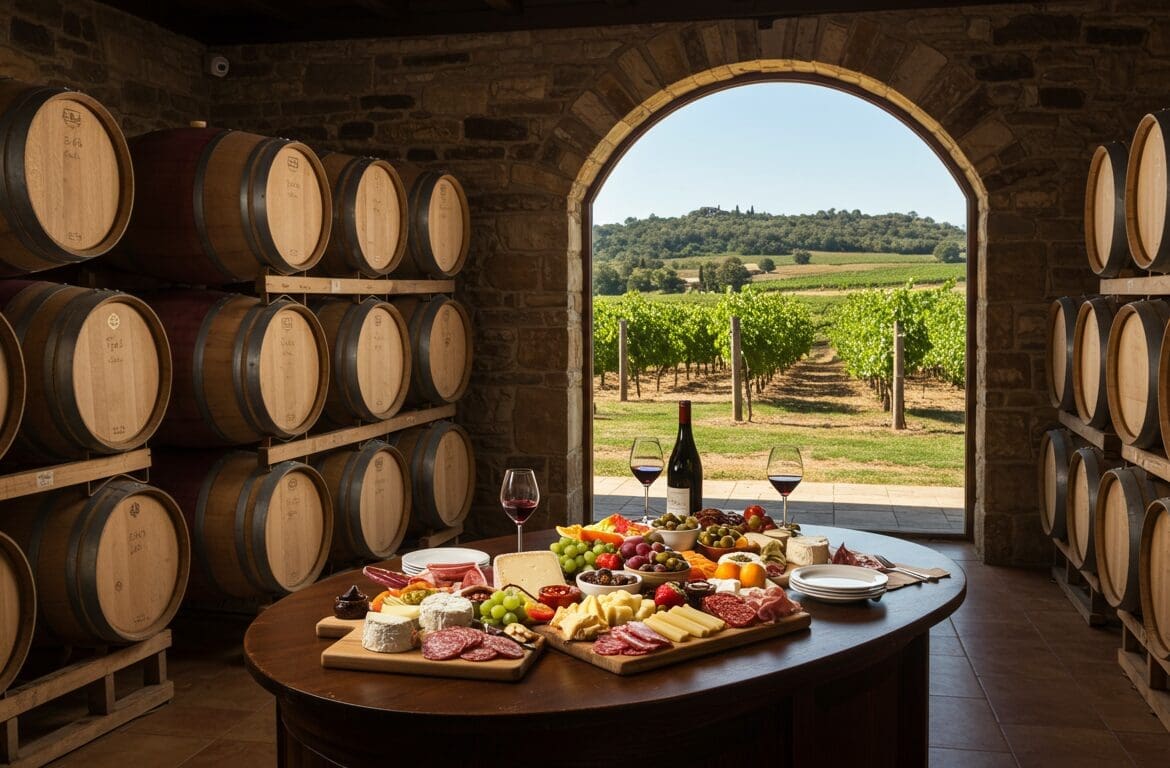
Valencian Community Food & Wine Guide: Local Cuisine, Markets & Wine Estates
Here is a mild confession: paella is not Spanish. Or rather, it is not generically, vaguely, nationally Spanish in the way that the laminated menus of coastal tourist traps would have you believe. It is Valencian – fiercely, specifically, defiantly Valencian – and the locals will remind you of this with a patience that is admirable given how many decades they have spent watching the rest of the world do terrible things to their national dish. Paella valenciana contains rabbit and chicken and flat green beans and sometimes snails. It does not contain chorizo. It does not contain seafood. These are not negotiable positions. They are the law. And once you accept this – once you arrive in the Valencian Community ready to eat and drink on its own extraordinary terms – you discover that this is one of the great food regions of Europe, producing ingredients of rare quality and dishes of remarkable intelligence, all of it largely ignored by visitors who came for the beach and left without ever finding the market.
The Architecture of Valencian Cuisine
The Valencian Community stretches along Spain’s eastern Mediterranean coast, taking in the provinces of Valencia, Alicante and Castellón, and the food across all three shares a sensibility that is both earthy and elegant. This is a landscape of rice paddies, citrus groves, almond orchards, artichoke fields and market gardens that have been producing food of exceptional quality for well over a thousand years – the Moors understood the agricultural potential of this land long before the rest of Europe had worked out crop rotation.
The cooking is built on foundations that luxury travellers will find quietly revelatory. Olive oil is not a condiment here – it is a primary flavour. Saffron, grown locally and used with more restraint than the tourist-facing rice dishes might suggest, gives depth without shouting. Almonds appear in sauces, in pastries, ground into the base of slow-cooked stews. The sea provides bream, sea bass, red mullet, cuttlefish and prawns from the Gulf of Valencia with a freshness that makes you briefly resentful of everywhere else you have ever eaten fish. And then there is the rice – always the rice.
Beyond paella, the regional rice repertoire is extraordinary: arroz a banda, cooked in concentrated fish stock and served with alioli; arroz al horno, baked in a clay dish with pork ribs, black pudding and chickpeas; and arroz negro, darkened with cuttlefish ink until it looks like something from a different world entirely and tastes better than anything that colour has a right to. Each rice dish is its own argument for staying another week.
The Wines of the Valencian Community
The region’s wines are among the most underrated in Spain, which is a situation that serious wine lovers should regard as a personal opportunity rather than a collective oversight. There are four principal DO (Denominación de Origen) zones: Valencia, Utiel-Requena, Alicante and Cava – the last shared with other regions but producing some sparkling wines of real distinction.
Utiel-Requena, the high inland plateau west of Valencia city, is the jewel. The dominant grape here is Bobal – a thick-skinned, late-ripening variety that produces wines of deep colour, firm tannins and a wild berry intensity that is unlike almost anything else in the Iberian Peninsula. Old-vine Bobal, particularly from producers working organically or biodynamically in the high-altitude vineyards around Requena, can be genuinely world-class. The fact that most of the world remains unaware of this is Utiel-Requena’s secret, and one worth keeping until you have bought all you need.
The DO Valencia zone produces a wider range – everything from light, aromatic whites made from Merseguera and Malvasía to full, rich reds from Monastrell and Garnacha. Alicante’s Monastrell-dominated wines, particularly those from the Marina Alta sub-zone where the Moscatel de Alejandría grape also thrives, produce some remarkable fortified and dessert wines alongside serious dry reds. Fondillón – an aged Alicante wine made exclusively from overripe Monastrell with a history stretching back to the Renaissance – is one of Spain’s great wine curiosities, and deeply worth seeking out.
Wine Estates Worth Your Time
A growing number of Valencian wine producers now offer visitor experiences that go well beyond the standard cellar tour – which is to say, they have recognised that the people arriving in private cars with serious questions deserve more than a cursory explanation and a glass of something poured in a car park. In Utiel-Requena, several estates offer private tastings, vineyard walks, and lunch among the vines for groups that prefer their wine education horizontal rather than standing at a stainless-steel tank.
The best estates to visit are those working with old-vine Bobal – some of these vineyards date back sixty, seventy, even a hundred years, and walking through them with a winemaker who can explain what continental altitude does to acidity and tannin structure is time very well spent. In the Marina Alta sub-zone of Alicante, smaller artisan producers making Moscatel and Monastrell have begun opening their properties to carefully curated visits, often combined with local food pairings that match the wines to the mountain and coastal ingredients of the region. If you are staying in a private villa, most of these estates will arrange private visits on request – and the difference between a group tour and a private tasting in a centuries-old bodega with the winemaker themselves is, frankly, not even a comparison worth making.
The Markets: Where the Region Reveals Itself
The Mercado Central in Valencia city is the entry point – and it is genuinely one of the great covered markets of Europe, housed in an Art Nouveau building of considerable architectural drama and stocked with a density of excellent produce that makes most supermarkets feel like an insult. The stalls selling fresh horchata – the tiger nut drink that Valencia invented and refuses to allow anyone else to claim – the stands piled with blood oranges and mandarins from the Ribera Alta orchards, the fishmongers with their displays of Mediterranean catch arranged with a pride that borders on competitive: it is a complete education in the region’s larder, and you can be in and out in forty minutes or lose an entire morning without noticing.
Beyond Valencia city, the weekly markets in smaller towns and villages across the region operate with a more local energy. The markets in the interior – in the towns around Requena, in the villages of the El Comtat highlands, in the agricultural flatlands of the Huerta – are where you find the cheesemakers, the honey producers, the smallholders selling dry-cured meats from mountain pigs. They are not curated for visitors, which is precisely their value. Nobody will be trying to sell you a souvenir.
In Alicante, the Mercado Central is a more intimate affair than its Valencian counterpart but no less rewarding – particularly for the local Alicantina longganissa sausage, the salt cod preparations that reflect centuries of trade, and the rice sold by varieties that simply do not appear outside the region. The vendors here are happy to explain the difference between Senia, Bomba and Albufera rice varieties to anyone who asks, and considerably happier still when that person then buys several kilos to take home.
Cooking Classes and Culinary Experiences
Learning to make a proper paella valenciana is one of those experiences that sounds straightforward and turns out to be considerably more involved than anticipated – the control of heat, the ratio of rice to stock, the moment at which you stop touching the pan entirely and simply trust the process, are all things that take guidance. Across the region, a number of excellent culinary experiences offer private paella classes, often led by local chefs or specialist cooking instructors who have strong feelings about the socarrat – the caramelised crust on the bottom of the pan that is either perfectly achieved or the source of genuine disappointment.
The best culinary experiences in the Valencian Community go beyond paella, however. Private classes covering the full spectrum of local rice dishes, traditional pastry-making including the almond-based recipes of the Alicante interior, and the preparation of fideuà – the noodle-based cousin of paella that Gandia claims as its own invention – are available through specialist operators who work with private villa guests. For a more immersive experience, full-day market-to-table programmes, in which a private chef accompanies guests to the morning market, selects the day’s produce and then cooks a multi-course lunch at the villa, represent one of the finest possible ways to engage with a food culture this rich.
Truffle Hunting and High-Value Ingredients
The interior of the Valencian Community – particularly the mountainous areas of the Maestrazgo and the Rincon de Ademuz – produces black truffle (Tuber melanosporum) of serious quality, and the season running roughly from December through March draws a small but devoted community of hunters, chefs and enthusiasts to the oak forests of the high interior. Truffle hunting experiences in this region are available to private guests, typically led by local hunters with trained dogs who work in the early morning when the cold and the damp concentrate the scent. It is, in all honesty, more exciting than it sounds on paper – and it sounds quite exciting on paper.
The broader luxury ingredient landscape of the Valencian Community deserves attention. Saffron from the La Mancha border zones, almonds from the Valencia interior, carob from the coastal hills, and the extraordinary range of citrus – including varieties of orange and mandarin that have been cultivated in the Ribera Alta since the nineteenth century – all represent ingredients of genuine provenance and quality. Seeking out the producers directly, whether through a guided food tour or through the contacts that a well-connected villa rental agency can provide, transforms these from background facts into real, memorable experiences.
Olive Oil: The Region’s Quiet Treasure
Valencian olive oil does not receive the attention that Catalonian or Andalusian oil does, which is the sort of injustice that only benefits those already in the know. The region produces oil from several indigenous varieties – Villalonga, Farga, and the remarkable Blanqueta, grown in the mountains of the Marina Alta – that have flavour profiles of real complexity and a freshness, when pressed early-harvest, that is close to extraordinary. The Farga variety, in particular, is grown from trees that are in some cases a thousand years old or more, which gives the oil a provenance story that even the most marketing-resistant traveller tends to find compelling.
Several producers in the inland areas of Alicante and the mountains north of Valencia offer visits during harvest season (typically October through December) in which guests can watch the pressing process, taste fresh oil at different stages, and understand the difference between polyphenol-rich early-harvest oil and the gentler, rounder character of later pressings. For those staying in villas with fully-equipped kitchens – which is rather the point of a luxury villa holiday – returning with two or three bottles of exceptional single-estate olive oil is both a sensible and a deeply satisfying thing to do.
The Best Food Experiences Money Can Buy
The Valencian Community has climbed steadily through the upper tiers of Spanish gastronomy over the past two decades, and the region’s restaurant scene now includes several properties holding serious critical recognition. The area around Dénia has been particularly important – chef Quique Dacosta’s approach to Mediterranean ingredients, particularly the extraordinary local red prawns (gambas rojas de Dénia), helped establish the region as a destination for serious food travel rather than merely excellent casual eating. The red prawns themselves – sweet, deeply flavoured, with a head full of coral that is not to be wasted – are one of those ingredients that justify a journey entirely on their own terms.
Beyond the headline restaurants, the most memorable food experiences here are often the most direct: a late Sunday lunch in a village restaurant specialising in arroz al horno, the table filling steadily with terracotta dishes; a private dinner at a wine estate in Utiel-Requena as the sun drops over the plateau; a morning visit to an almadraba (traditional bluefin tuna trap operation) followed by a tasting of various tuna preparations that fundamentally reorder your understanding of the fish. These are experiences that require local knowledge, the right contacts, and occasionally a degree of flexibility in one’s schedule. They are also the experiences that guests remember for years, and discuss at dinner parties in London with the kind of authority that comes from having actually been there.
For a fuller picture of what to see and do beyond the table, the Valencian Community Travel Guide covers everything from coastal highlights to cultural itineraries across the region.
Stay Well, Eat Better
The Valencian Community rewards visitors who arrive with curiosity and leave the beach occasionally. Its food and wine culture is deep, specific and generous – willing to share itself with anyone who approaches it on its own terms rather than expecting it to conform to a preconceived version of Spanish cooking. The rice dishes alone merit a dedicated trip. The wines of Utiel-Requena will quietly rearrange your priorities. The olive oil will make you briefly angry about every other oil you have used. And the red prawns of Dénia will make everything else feel slightly beside the point.
A well-positioned private villa puts all of this within reach – the morning market run, the winery visit, the private chef at the kitchen island, the terrace dinner with the correct wine, the whole deliberate, unhurried architecture of a food holiday done properly. Explore our collection of luxury villas in Valencian Community and find the right base for eating and drinking your way through one of Europe’s most rewarding food regions.