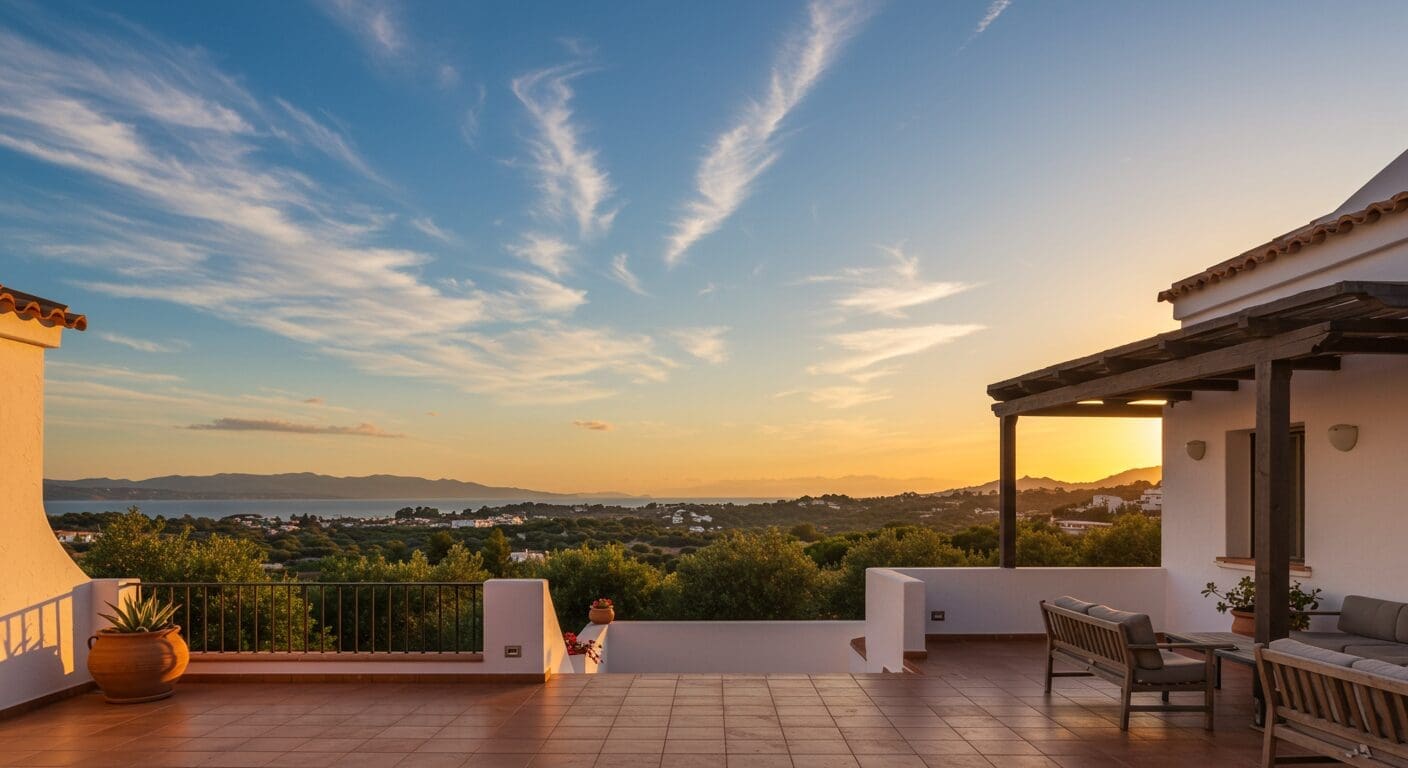
Best Time to Visit Lombardy: Month by Month Weather, Crowds & Tips
Best Time to Visit Lombardy: Month by Month Weather, Crowds & Tips
Few places on earth manage the trick Lombardy pulls off with such effortless regularity: being genuinely world-class at almost everything simultaneously. The Alps are right there. So are the lakes. So is Milan – one of the great cities of design, food and fashion – and behind it, a landscape of medieval towns, Romanesque churches, vineyard-draped hillsides and more first-rate restaurants per square kilometre than almost anywhere in Europe. Other regions do one or two of these things well. Lombardy does all of them, and then has the nerve to also produce Franciacorta. Knowing when to go, however, makes all the difference between a trip that feels effortless and one that involves standing behind a tour group on a narrow jetty while someone’s selfie stick nearly takes your eye out.
This guide breaks down the best time to visit Lombardy month by month – weather, crowds, prices, events and the honest truth about what each season actually delivers on the ground. Whether you’re planning a villa retreat on Lake Como, a cultural sweep through Bergamo and Brescia, or a ski season in the Valtellina, the timing shapes everything.
Spring in Lombardy: March, April and May
Spring arrives in Lombardy the way a good idea arrives – gradually, then all at once. March is still firmly transitional: the northern Alps hold their snow, mornings by the lakes carry a chill that no amount of good coffee entirely dispels, and the tourist infrastructure is only just rubbing its eyes. Average temperatures hover between 8°C and 14°C across the region, creeping upward through the month. Rain is a genuine possibility, particularly around the lakes where the surrounding mountains create their own microclimate, but the light – that particular northern Italian spring light – begins to do something extraordinary to the water and the villa gardens, which is reason enough to be here.
April is where spring starts earning its reputation. Temperatures reach 15°C to 18°C in the lowlands and lake basin, the azaleas and camellias come into full spectacle around Lake Como and Lake Maggiore (technically Lombardy and Piedmont share the latter, but let’s not be pedantic), and the crowds remain manageable by the generous standards of high summer. Easter brings a domestic surge – Italian families travel enthusiastically and well – so prices tick up around the holiday weekend, but the shoulder weeks either side remain genuinely good value.
May is the sweet spot many experienced travellers quietly favour. Temperatures settle comfortably between 18°C and 22°C, the gardens of the great lakeside villas are at their most theatrical, and the walking and cycling conditions in the Brescia prealps and the Valtellina valley are close to perfect. Crowds are building but haven’t yet reached the compression of July and August. Families with flexible school schedules, couples seeking atmosphere without the summer scrum, and villa renters who want long evenings on a terrace without negotiating for a sun lounger will all find May extremely rewarding.
Summer in Lombardy: June, July and August
Summer is when Lombardy performs at full volume – and, depending on your tolerance for volume, that is either its greatest selling point or its most significant liability. June opens with warm, largely settled weather in the 24°C to 28°C range, the lakes at their most inviting, and a region that hasn’t quite surrendered to peak-season intensity. It remains the most civilised of the summer months by a reasonable margin.
July and August are the honest reckoning. Milan empties of Milanese (who are too smart to be there in August) and fills instead with visitors, while Lake Como, Lake Garda and the Dolomite foothills absorb tourist volumes that the infrastructure handles with varying degrees of grace. Temperatures regularly exceed 30°C, accommodation prices are at their annual peak, and the most famous stretches of the lakeshores – the promenade at Varenna, the ferry docks at Bellagio – can feel like a very beautiful version of a queue. Book everything early, and we mean very early for anything worth staying in.
That said, there is a strong case for summer, made entirely on its own terms. The light is magnificent. The long evenings are made for outdoor dining. The lake water is warm enough to swim in from late June through August. Festivals are everywhere – open-air concerts, village sagre, the lake town markets that happen on summer evenings and operate on a pace entirely their own. For families, the summer infrastructure is at its most complete: boat hire, watersports, children’s programmes, and the kind of reliable sunshine that makes planning a villa holiday feel like a reasonable bet rather than an act of meteorological optimism.
Autumn in Lombardy: September, October and November
Autumn is Lombardy’s second argument for itself, and in some ways its most persuasive. September is perhaps the finest month in the regional calendar: temperatures fall gracefully from high summer into something in the low-to-mid twenties, the light shifts to that warm amber register that photographers and painters have been pursuing here for centuries, and the crowds thin perceptibly after the first week. The lakes remain swimmable. The vine leaves on the Franciacorta estates and the hillsides above Valtellina turn slowly gold, then rust, then every shade between.
October deepens all of this. The truffle season begins in earnest – white truffles from Alba drift across the border into Lombardy’s kitchen culture, and the regional food scene, already operating at a considerable level, finds a further gear. Temperatures range from 12°C to 18°C; cooler evenings make the mountain villages and hilltop towns of the Bergamo Alps and Franciacorta a pleasure to walk rather than a test of endurance. Prices retreat meaningfully from their summer heights. Some lake ferry services begin to reduce their schedules, and a handful of the smaller restaurants and hotels close for their own well-deserved holidays, but the main destinations remain fully operational.
November is where Lombardy earns its off-season credentials. It is quieter, cooler (5°C to 10°C), and prone to low mist on the lakes that some visitors find atmospheric and others find melancholy. Both reactions are understandable. What November offers in return is the region at its most authentically itself: fewer tourists, lower prices, and the kind of unhurried welcome from restaurants and hotels that high season simply doesn’t allow. For couples travelling without children’s school schedules to accommodate, or for those interested primarily in food, wine, Milan’s galleries and the understated pleasures of Lombard towns like Lodi or Cremona, November is worth serious consideration.
Winter in Lombardy: December, January and February
Winter in Lombardy divides cleanly into two propositions. The first is the Alps: the Valtellina valley, the resorts around Bormio and Livigno, and the slopes of the Bergamo and Brescia prealps deliver reliable ski conditions from December through March, with Livigno carrying the additional appeal of its low-tax status, which makes the apres-ski economy notably cheerful. If you’re here to ski, January and February offer the best snow reliability and the most complete mountain experience, with temperatures well below zero at altitude and the kind of clear cold days that make skiing feel like exactly the right idea.
The second proposition is the cultural and culinary one. Milan in December is genuinely spectacular – the fashion houses lean into the season with characteristic seriousness, the Christmas markets around the Duomo and along the Navigli canals are atmospheric without being overwhelming (unlike certain more famous northern European equivalents), and the opera season at La Scala opens with its traditional first-night gala in December, which is one of those events that manages to be simultaneously a world-class cultural occasion and a magnificent piece of social theatre. Tickets require planning well in advance. That is an understatement.
January and February in the lowlands and on the lakes are cold, often foggy, and very quiet. Prices are at their annual floor. Many lakeside properties and smaller restaurants close entirely. But for the traveller who wants Milan without its usual pace, or who finds the misty, monochrome winter landscape of the Po plain unexpectedly beautiful, this is the time when the region belongs almost entirely to you. Bring a good coat. Bring several, actually.
Crowds and Prices: The Honest Calendar
High season runs from late June through August, with a secondary peak around Easter and the Italian public holidays in late April and early May. During these periods, prices for villas, hotels and popular restaurants are at their highest, availability tightens considerably, and the famous lake towns require either early arrival or genuine patience. August – and specifically the two weeks around Ferragosto on the 15th – is the absolute peak of domestic Italian tourism, which means the country is essentially on holiday alongside you.
The shoulder seasons – May, early June, September and early October – offer the most balanced equation between good weather, manageable crowds and reasonable value. These are the periods that experienced Lombardy travellers tend to return to, year after year, with quiet satisfaction.
The low season runs from November through March (excluding Christmas and New Year, when prices briefly recover). For certain types of travel – ski holidays, Milan city breaks, food and wine touring in the Franciacorta or Valtellina – the low season is not a compromise but simply the most appropriate time to be here.
Events and Festivals Worth Planning Around
Lombardy’s event calendar rewards attention. The Milan Fashion Weeks in February and September bring the city to a particular pitch of intensity – interesting to observe, potentially inconvenient for accommodation prices and availability if fashion isn’t your primary interest. The Milan Design Week in April (Salone del Mobile and the wider Fuorisalone events) is arguably the most significant design event in the world and transforms the city completely for a week; book accommodation months in advance if you plan to attend.
The Mille Miglia – the legendary vintage car race that passes through Brescia and across the Lombard countryside – runs in May and is one of those events that manages to be spectacular even if classic cars are not normally your thing. Village sagre (food festivals) run throughout the summer and into autumn, celebrating everything from local cheeses to lake fish to the polenta and game dishes of the mountain valleys. The Franciacorta wine harvest festivals in September offer a combination of fine wine, excellent food and beautiful vineyard scenery that requires no further editorial endorsement.
Who Each Season Suits
Families with school-age children will, by necessity, concentrate on the summer months, and June or early July is the version of summer that delivers most of what July and August offer with noticeably less crowd pressure. September is worth attempting for families who can manage the timing.
Couples seeking romance and atmosphere with the lakes at their most evocative should look seriously at May and September – the two months when Lombardy performs at something close to its ceiling without the logistical complications of peak summer. November to March suits couples who prioritise culture, food and quiet over sunshine and swimming.
Groups travelling for food and wine tourism will find October and November particularly rewarding – the harvest season, truffle markets and the relaxed pace of the region in autumn create the conditions for serious, unhurried enjoyment of one of Europe’s great culinary landscapes. Ski groups have a clear answer: January and February for Valtellina and Livigno.
For a full overview of what the region offers beyond its weather calendar, the Lombardy Travel Guide covers everything from the lakes and the cities to the food, the wine and the cultural highlights that make this region worth returning to, season after season.
Plan Your Lombardy Villa Stay
Whether you’re drawn by spring gardens on Lake Como, a summer week of long evenings and lake swimming, the golden light of an autumn wine country retreat, or the particular satisfaction of Milan in winter with La Scala on the agenda, the right villa makes everything better. Private space, a terrace facing the water, a kitchen that makes the best of the local market – these are not luxuries so much as the sensible infrastructure of a trip done properly.
Browse our curated collection of luxury villas in Lombardy and find the base from which your Lombardy, whichever season you choose, actually begins.
What is the best month to visit Lake Como in Lombardy?
May and September are widely regarded as the finest months on Lake Como. Both offer warm, settled weather without the intensity of July and August, when the most famous villages can become genuinely congested. In May, the villa gardens are at their most spectacular and the ferry services are running full schedules. September brings softer light, warm water still suitable for swimming, and a perceptible easing of summer crowds – along with a return to something resembling normal pricing for accommodation and restaurants.
When does it get crowded in Lombardy and how can I avoid the worst of it?
The lake towns and mountain resorts reach peak congestion in July and August, particularly around the Italian national holiday of Ferragosto on 15th August. The Easter period and the late April Italian public holidays also generate significant domestic tourism. To avoid the worst of the crowds, visit in May, early June or September – the shoulder seasons that still offer excellent weather and full access to all attractions and services. If your dates are fixed in summer, arriving at popular spots early in the morning (before 10am) and planning lake ferry journeys outside the midday rush makes a considerable difference.
Is Lombardy worth visiting in winter?
Absolutely, depending on what you’re after. The Alpine resorts – particularly Bormio and Livigno in the Valtellina – offer reliable skiing from December through March and are well worth the trip for winter sports. Milan in December has genuine seasonal atmosphere, a prestigious Christmas market culture, and the opening night of the La Scala opera season in early December. The lake towns are significantly quieter and much of the smaller accommodation closes, but for travellers focused on food, wine, culture and city life rather than swimming and sunshine, the winter months offer an authentic and unhurried experience of the region at considerably lower prices.