Best Time to Visit Moraira: Month by Month Weather, Crowds & Tips
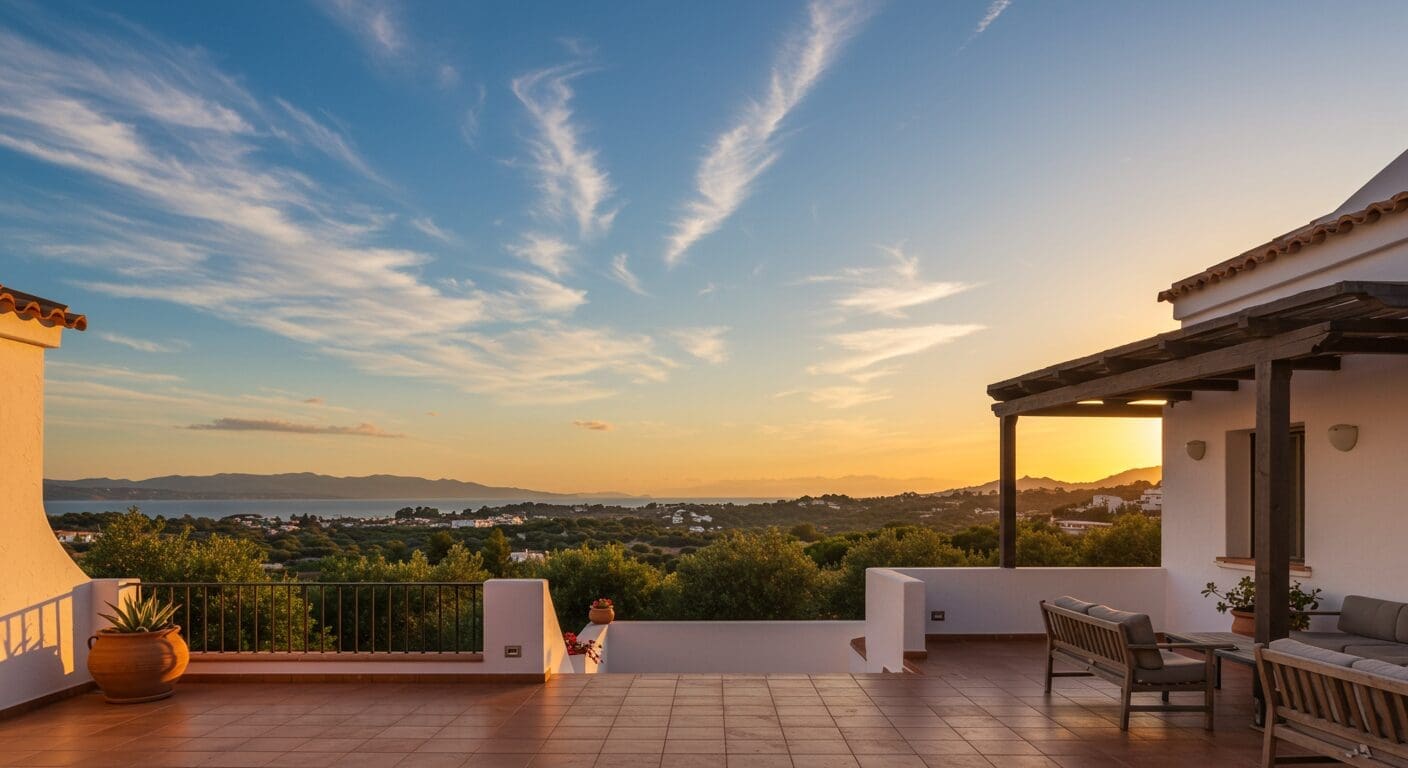
There is a particular quality to the light in Moraira at seven in the morning in late May. The sea is glassy, the air still carries a faint coolness from the night before, and somewhere nearby someone is making coffee. Not instant coffee. Proper coffee, the kind that escapes through a kitchen window and drifts across a terrace before you’ve even opened your eyes properly. This is the Costa Blanca at its most honest – unhurried, luminous, and quietly confident that it doesn’t need to try very hard. Which, frankly, it doesn’t.
Moraira is a small resort town on the northern Costa Blanca, in the province of Alicante, and unlike some of its louder neighbours it has managed the rare trick of remaining genuinely pleasant. But like anywhere on the Mediterranean, when you go matters enormously. The difference between Moraira in August and Moraira in October is roughly the difference between a crowded lift and a private terrace. Both involve the same building. The experience is not remotely comparable.
This guide walks you through the year month by month – the weather, the crowds, the prices, the events, and the quiet honest truth about which kind of traveller belongs in which season. Consider it a frank conversation with someone who has actually been there, rather than a document generated by someone who very much hasn’t.
For a broader introduction to the town itself, our Moraira Travel Guide covers everything from where to eat to how to get around.
Spring in Moraira: March, April & May
Spring arrives early on the Costa Blanca. By March, the almond blossom has already done its thing and largely gone, but the temperatures are climbing gently and the countryside around Moraira – the terraced hillsides, the vineyards of the Teulada-Moraira wine region, the scrubby paths leading down to hidden coves – is an extraordinary shade of green that it will entirely abandon by July.
March temperatures sit comfortably between 13°C and 18°C during the day, which is excellent walking weather and not quite swimming weather, unless you are the sort of person who announces that the sea is “refreshing” while everyone else watches from a towel. April nudges up to 15-20°C, and May – May is the quiet revelation. Daytime highs reach 22-25°C, the sea is warming up, and the town hasn’t yet filled with summer visitors. Restaurant tables are bookable. Parking exists. The whole of Moraira feels slightly conspiratorial, as if it’s letting you in on something.
Crowds in spring are light to moderate. Easter week (Semana Santa) brings a domestic Spanish influx and a genuine festive atmosphere – processions in the streets, local families out in numbers, a different and rather lovely energy to the town. Outside of Easter, spring is the domain of couples, walkers, golfers, and anyone who has worked out that the best version of a Mediterranean resort is the one that hasn’t been fully switched on yet. Prices for villa rentals reflect the lower demand, which means more space for your money – always a sensible consideration when you’re thinking about where to put the sun loungers.
What’s open: most restaurants and local businesses are back in operation by April. The marina is active. The weekly market runs throughout the year. What’s not: some beach bars and seasonal businesses don’t open fully until May or even June – a minor inconvenience that most spring visitors regard as entirely worth it.
Summer in Moraira: June, July & August
Let’s be honest about summer. It is busy. It is hot. It is the peak of everything – prices, temperatures, visitor numbers, and the faint background hum of people who booked too late and are now mildly stressed about it. And yet summer in Moraira is also, undeniably, what many people came for. The sea reaches 26-28°C in August. The days are long and fierce and golden. The town is fully alive.
June is the sweet spot of summer – the schools haven’t broken up across northern Europe, the temperatures are high but not overwhelming (26-30°C), and Moraira retains some of its spring composure while adding the full summer wardrobe of beach clubs, boat trips, and evening promenade culture. Families with flexibility who can travel in June are doing something right. The rest of the family market arrives in July, and by August – well, August is August. Beautiful, heady, crowded, and priced accordingly.
July and August temperatures regularly exceed 33-35°C inland, though the sea breeze along Moraira’s coastline provides some relief. The town’s two main beaches – El Portet and L’Ampolla – fill up quickly in the mornings. Go early or accept that you’ll be navigating a landscape of umbrellas, which requires a certain diplomatic skill.
Summer events include the town’s local fiestas in July and the broader programme of summer festivals across the region. The Moraira Jazz Festival, typically held in late July, draws visitors specifically and brings a different kind of evening atmosphere to the seafront – one that involves rather less beachball and rather more sitting down with a drink, which most people find an improvement.
Summer suits: families with school-age children, groups of friends, anyone who genuinely wants the full Mediterranean experience at full volume. For villa guests, a private pool stops being a luxury in August and becomes a matter of basic necessity. Book early. This is not the season for spontaneity.
Autumn in Moraira: September, October & November
September is, quietly, the best month to visit Moraira. The sea is at its warmest – temperatures carry over from August and hover around 25-27°C. The crowds thin noticeably after the first week as European school terms restart. Restaurants, fully staffed and fully stocked after the summer rush, are operating at their best. The light shifts into something richer and more amber. The whole of Moraira exhales.
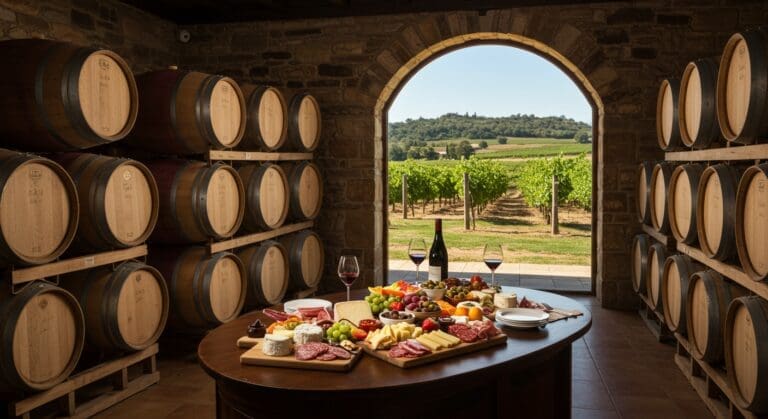
Daytime temperatures in September sit between 25-29°C – warm enough for the beach without the ferocity of August. October drops gently to 20-24°C, which remains genuinely warm by most northern European standards and is ideal for walking, cycling, exploring the vineyards, and eating lunch outside without wishing you were somewhere with shade. The grape harvest is underway in October, and the local Teulada-Moraira wine scene comes into its own – a reason to visit that has nothing to do with beaches whatsoever.
November is the transition month. Temperatures range from 15-20°C and rain becomes more likely – the Costa Blanca sees most of its annual rainfall between October and December, sometimes dramatically. But between the weather events, November days can be remarkable: clear, warm, and shared with almost no one else. The town starts to quiet down, some seasonal businesses close, and Moraira reverts to something closer to its year-round local identity. There is something genuinely appealing about seeing a place without its tourist infrastructure fully deployed.
Autumn suits: couples, empty-nesters, anyone interested in food and wine, remote workers who have realised that “working from home” can reasonably be interpreted quite broadly. Villa prices drop after August, sometimes significantly. The value proposition in September and October is difficult to argue with.
Winter in Moraira: December, January & February
Moraira in winter is a different proposition entirely, and not a bad one if approached with the right expectations. The town does not close down – it is a year-round residential community, not a seasonal construct – but it becomes distinctly quieter. Daytime temperatures range from 13-17°C in December and January, which is not beach weather by any conventional measure, though it is perfectly respectable walking, eating, and general pottering weather.
The winter coastline has a particular drama to it. The sea is restless, the light is clear and sharp, the views across to the Peñón de Ifach (the great limestone outcrop that defines the horizon to the north) are unobstructed by the visual noise of summer. Restaurants that remain open – and a good number do – are quieter, more relaxed, and staffed by people who have time to talk to you. This is when you get the real Moraira, the one that locals actually live in.
Christmas and New Year bring some animation to the town. Spanish Christmas traditions – the Three Kings parade on January 5th is a proper event, enthusiastically observed – give December and early January a festive dimension that has nothing to do with the commercialised version familiar to northern Europeans. If you happen to be in the area, it is worth witnessing.
February is the month of almond blossom. The inland countryside between Moraira and the hills behind Benissa and Teulada turns white and pink, and on a clear February morning with the mountains as a backdrop, it is one of the more quietly extraordinary things the Costa Blanca produces. Winter suits: those escaping grey northern winters for reliably dry, mild days; villa renters who want maximum space for minimum outlay; people who find summer resorts in summer slightly exhausting. Fair point, frankly.
The Shoulder Season Case: Why April, May, September & October Win
If there is a recurring theme in everything above, it is this: the shoulder seasons are where the intelligent visitor ends up. April, May, September, and October offer a version of Moraira that combines the best of what makes the Costa Blanca worth visiting – the warmth, the food, the sea, the landscape – with none of the friction that comes with peak summer. Prices are lower. Availability is better. The town has room to breathe.
For villa rentals specifically, the shoulder season calculation is compelling. A property that commands a premium in August becomes considerably more accessible in May or September, often at 30-40% lower rates, while offering essentially the same pool, the same terrace, the same Mediterranean views, and a sea warm enough for swimming. The trade-off in terms of actual experience is minimal. In some respects – privacy, service quality, ease of restaurant reservations – the shoulder season is simply better.
Couples and groups travelling without school-age children should not need much convincing. Families with flexibility in their school calendars – or those homeschooling, or simply those who have decided that missing a week of October term is a reasonable life decision – will find the shoulder season genuinely transformative. You get more, for less, in a more pleasant environment. This is not a complicated argument.
A Quick Month-by-Month Summary
January: Quiet, mild (13-16°C), excellent for walking and local culture. Very low crowds and prices. Almond blossom beginning in late January inland.
February: Similar to January, with the almond blossom in full effect. Still very quiet. A genuinely overlooked month for the right visitor.
March: Warming up. 14-18°C. Some businesses reopening. Easter can fall here or in April – check dates carefully as it affects crowd levels sharply.
April: Lovely. 16-21°C. Green countryside, quiet beaches, good restaurant availability. Excellent for couples and walkers.
May: Arguably the best all-round month. 20-25°C. Sea warming. Low crowds. Full availability. High quality of experience for a relatively modest outlay.
June: The gentle start of summer. 23-28°C. Crowds building but not yet overwhelming. Ideal for families travelling before schools break up.
July: Peak summer. Hot (28-33°C), busy, lively. Book everything well in advance. Great if you want full animation.
August: The busiest month. 30-35°C. Maximum crowds and prices. Best enjoyed from a private villa with a pool. Book months ahead.
September: The connoisseur’s choice. Warm (25-29°C), sea at its best, crowds thinning. Restaurants operating at full capacity and quality. Highly recommended.
October: Excellent. 20-24°C. Harvest season. Quiet beaches. Lower prices. Ideal for food and wine lovers.
November: Quieter, with some rain possible. 15-19°C. The town returns to its local rhythm. Some seasonal businesses close. Good for those wanting solitude and authenticity.
December: Mild and quiet. 13-16°C. Christmas traditions worth experiencing. Good off-season value on villas. Not for beach holidays – excellent for everything else.
Which Season Suits You?
Families with school-age children: June (pre-break) or the core July-August window. Book your villa early – we mean it.
Couples and honeymooners: May, September, or October without hesitation. The town is at its most romantic when it isn’t sharing itself with quite so many people.
Groups of friends: June and September offer the ideal balance of warmth, activity, and the ability to get a table at a good restaurant without a week’s notice.
Walkers, cyclists, and outdoor enthusiasts: March, April, October, and November. The landscape is at its best and the temperatures are made for moving through it.
Food and wine travellers: October is your month. The harvest, the local wine scene, the post-summer restaurant quality. Come hungry.
Those escaping winter: January and February offer reliable mild days, extraordinary countryside, and a town that hasn’t forgotten what it’s actually like to be lived in rather than visited. There’s a quiet satisfaction in that.
Plan Your Stay with Excellence Luxury Villas
Whatever time of year draws you to the Costa Blanca, the experience of Moraira improves considerably with the right base. A private villa – your own pool, your own terrace, your own morning coffee situation sorted – changes the character of any visit, whether you’re arriving in the languid warmth of September or the clear bright cool of February. Browse our collection of luxury villas in Moraira and find the property that matches your season, your group, and the version of Moraira you’ve come here to find.