Best Time to Visit Occitanie: Month by Month Weather, Crowds & Tips
Here is what the guidebooks tend to gloss over: Occitanie is not one climate. It is four, sometimes five, depending on which meteorologist you ask and how recently they visited the Massif Central in March. The coast runs on Mediterranean time – hot, dry, brilliantly lit. The Pyrénées operate on entirely different logic, with snow lingering into May at altitude and afternoon thunderstorms that arrive without much in the way of an apology. The Languedoc plains bake gloriously in summer, then reward autumn visitors with a quality of light that would make a landscape painter weep. Knowing which Occitanie you are visiting, and when, changes everything. The region stretches from the Spanish border to the edge of the Auvergne, and treating it as a single weather forecast is the kind of mistake that leads to leaving your coat in the car on a Tuesday in Millau in October.
For a full introduction to the region – its geography, culture, food, and where to base yourself – start with our Occitanie Travel Guide, then come back here to decide when to go.
Spring in Occitanie: March, April & May
Spring arrives early and convincingly in the lowland parts of Occitanie, which is one of the region’s best-kept secrets. By late March, the garrigue is already warming up – that extraordinary scrubland of rosemary, thyme and cistus that carpets the hills between Montpellier and Nîmes releasing its scent at the slightest provocation. Temperatures in the Hérault and Gard reach the mid-teens by April, climbing toward 20°C by May. The Pyrénées, for the record, are still very much doing their own thing.
This is prime shoulder season. Hotels and villas are priced well below summer rates, the Canal du Midi towpaths are quiet enough that you can actually hear the water, and Carcassonne’s medieval walls are not yet ringed by visitors eating ice cream on the drawbridge. The flowering of the orchards in the Roussillon plain – cherries, apricots, peaches – is genuinely worth arranging a trip around. Crowds are thin, the light is soft and warm rather than brutal, and restaurant tables are available without the vague theatrical stress that July brings. Families will find May particularly well-suited: school term in France runs until late June, which means French domestic tourism hasn’t yet arrived en masse. Couples after a slower, more atmospheric visit would do well to consider April in particular – the warmth is reliable enough without being overpowering, and everything is open.
The Fête de la Saint-Georges and various village festivals dot the spring calendar, particularly in the Gers and Aveyron. Worth looking up local town programmes before you arrive. Events are community-oriented, unhurried, and often involve a great deal of duck.
Summer in Occitanie: June, July & August
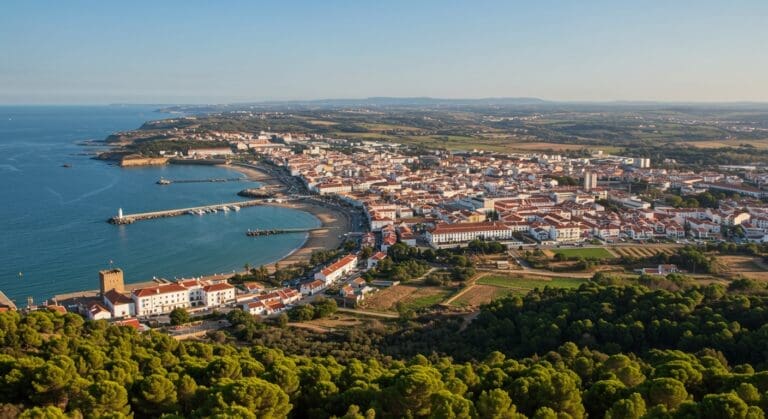
Summer in Occitanie is magnificent and, at its peak, mildly relentless. June is the sweet spot – school is still in session for most of the month, temperatures in Montpellier sit around 25-28°C, and the Med is warm enough for swimming without being the colour of a heated swimming pool. The coast, from Sète to Perpignan, is glorious. The medieval hilltop villages of the Hérault draw day-trippers but not yet the full volume of August.
July changes register. The Festival de Radio France Occitanie Montpellier fills the city with opera, jazz and orchestral concerts across three weeks – genuinely world-class programming in an extraordinary setting, and one of the most underrated music events in southern France. Carcassonne’s Festival de la Cité runs through July, transforming the ancient citadel into an open-air stage for theatre, dance and music. The atmosphere is electric, the production values are high, and the queues at the main gate are the price of admission.
August is when Occitanie fills up properly. Beach resorts along the Languedoc coast are at capacity. Inland towns are paradoxically quieter – many French visitors head for the water rather than deeper into the countryside, which means the Aveyron gorges, the Lot valley and the Cathar castle routes are accessible without too much bother. Temperatures regularly exceed 35°C on the plains; the Pyrénées offer a merciful 10-degree correction. August suits groups and families who want the full-heat experience, the markets, the long lunches, the whole performance. Book villas far in advance – the best properties go months ahead of season.
Autumn in Occitanie: September, October & November
If someone with good taste and a moderate budget asked when to visit, the honest answer would be September. The crowds thin sharply after the French school return in early September, temperatures drop to a more civilised 22-26°C on the coast and inland, and the vineyards of Corbières, Minervois, Saint-Chinian and Pic Saint-Loup are in full harvest. The vendange is not just atmosphere – it is the region’s most important economic and cultural moment of the year, and visiting during harvest means markets are loaded, domaines are welcoming, and the whole of Occitanie smells faintly extraordinary.
October deepens the palette. The Pyrénées go amber and copper, the light across the Lauragais plain becomes almost theatrical, and the Canal du Midi reflects skies that have gone from Mediterranean blue to something more considered and northern. Temperatures fall to around 15-18°C during the day, cooler at altitude, and the first fires appear in restaurant hearths. Most major sites remain open through October. The Camargue – technically within reach of Occitanie’s eastern edge – hosts spectacular flamingo gatherings at this time of year.
November is quieter still, which suits some visitors perfectly. Prices drop again, properties are available with real flexibility, and you begin to see the region in a different register – local, unhurried, honest. Some smaller restaurants close for a few weeks after All Saints, and certain chateau and abbey sites reduce their hours. Worth checking ahead. Couples and independent travellers who prefer to explore without the ambient noise of high season find autumn deeply rewarding.
Winter in Occitanie: December, January & February
Winter here is not what most visitors expect. The coast and lowland areas are mild by most European standards – Montpellier averages around 8-10°C in January, and clear days are genuinely common, with the kind of sharp winter sunshine that makes café terraces viable if you’re wearing the right jacket. The Languedoc in December has a certain quiet authority. The Christmas markets in Toulouse and Montpellier are well-established and genuinely atmospheric without tipping into the manufactured sentiment of their counterparts further north.
The mountains, predictably, operate on completely different terms. The Pyrénées ski resorts – Font Romeu, Ax-les-Thermes, Saint-Lary-Soulan – are in full operation from December through March, and represent serious skiing without the price tag or social pressure of the Alps. The slopes are less groomed, the villages more real, the après considerably more about wine and less about performance. It is the sort of skiing that reminds you why you liked skiing before it became an exercise in luggage logistics.
January and February are genuinely off-season on the coast and in the cities. Some villa properties are closed; others are available at their lowest annual rates, which for a region of this quality is an opportunity worth taking seriously. Toulouse – the urban heart of Occitanie – is fully operational year-round, and exploring the Capitole, the Musée des Augustins and the city’s extraordinary food market in January without a crowd is a quietly excellent experience. The Fête de la Violette in Toulouse, held in February, is one of those local events that exists entirely for the residents’ own pleasure. Which is usually a reliable sign that it’s worth attending.
Crowds, Prices & Practical Timing
The basic calculation is simple enough. Peak season runs from late June through August; prices are highest, availability tightest, and the social contract at popular sites requires patience. Shoulder seasons – May, early June, September and October – offer the best balance of warmth, accessibility and value. The off-season, from November to March (excluding the mountain ski period), delivers the lowest prices and the most honest version of the region, at the cost of some restaurant and attraction closures.
Families with school-age children are largely constrained to July and August and will find Occitanie handles them well – the beaches are excellent, the villa infrastructure is strong, and there is enough variety within the region to keep everyone occupied across a fortnight. Couples and solo travellers have the most flexibility and are best served by the shoulder seasons. Groups renting villas tend to book summer in advance and autumn on shorter notice; the latter often yields better value for the same quality of property.
One persistent piece of received wisdom suggests avoiding Occitanie in August entirely. This is an overreaction. The key is position – inland properties above 300 metres are considerably more comfortable than coastal ones during a heatwave, and the social temperature of the region in high summer has its own pleasures. You just need to adjust expectations and timetables: early morning for markets and sightseeing, late afternoon for everything else.
When to Visit Occitanie: A Summary by Traveller Type
Couples: April to June or September to October. You’ll have the region at something close to its best without the theatrical effort of peak season.
Families: July and August are the obvious choice, with the coast and villa pool the primary draws. Late June is worth considering for those with any scheduling flexibility – all the warmth, a fraction of the crowd.
Foodies and wine lovers: September is almost unfairly good. Harvest season, truffle season beginning in the Périgord Noir to the north, markets at peak abundance, and the restaurants all fully staffed and motivated.
Hikers and outdoor enthusiasts: May to June in the Pyrénées and Cévennes, September in the Gorges du Tarn and Gorges du Verdon borderlands. The winter ski season for those that way inclined.
Culture and city visitors: Toulouse and Montpellier work year-round. Festival season concentrates in July; the quieter winter months allow more considered access to museums, architecture and local life.
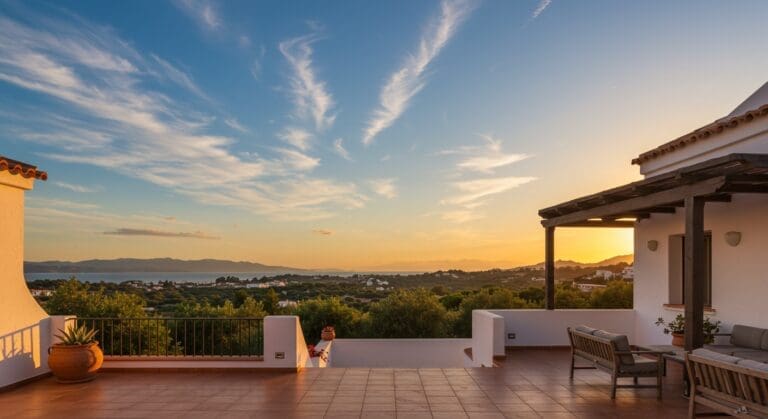
Occitanie rewards the visitor who looks past the obvious. The obvious, in this case, is August on the beach. Which is fine, of course. But the region has considerably more to give, to those who turn up at the right moment with the right expectations and, ideally, a villa with a terrace pointing west.
Browse our collection of luxury villas in Occitanie and find the right base for your season. Whether you’re planning a summer house party in the Hérault, a quiet autumn escape in the Aveyron or a winter break near the Pyrénées slopes, there is a property here that fits the moment.