
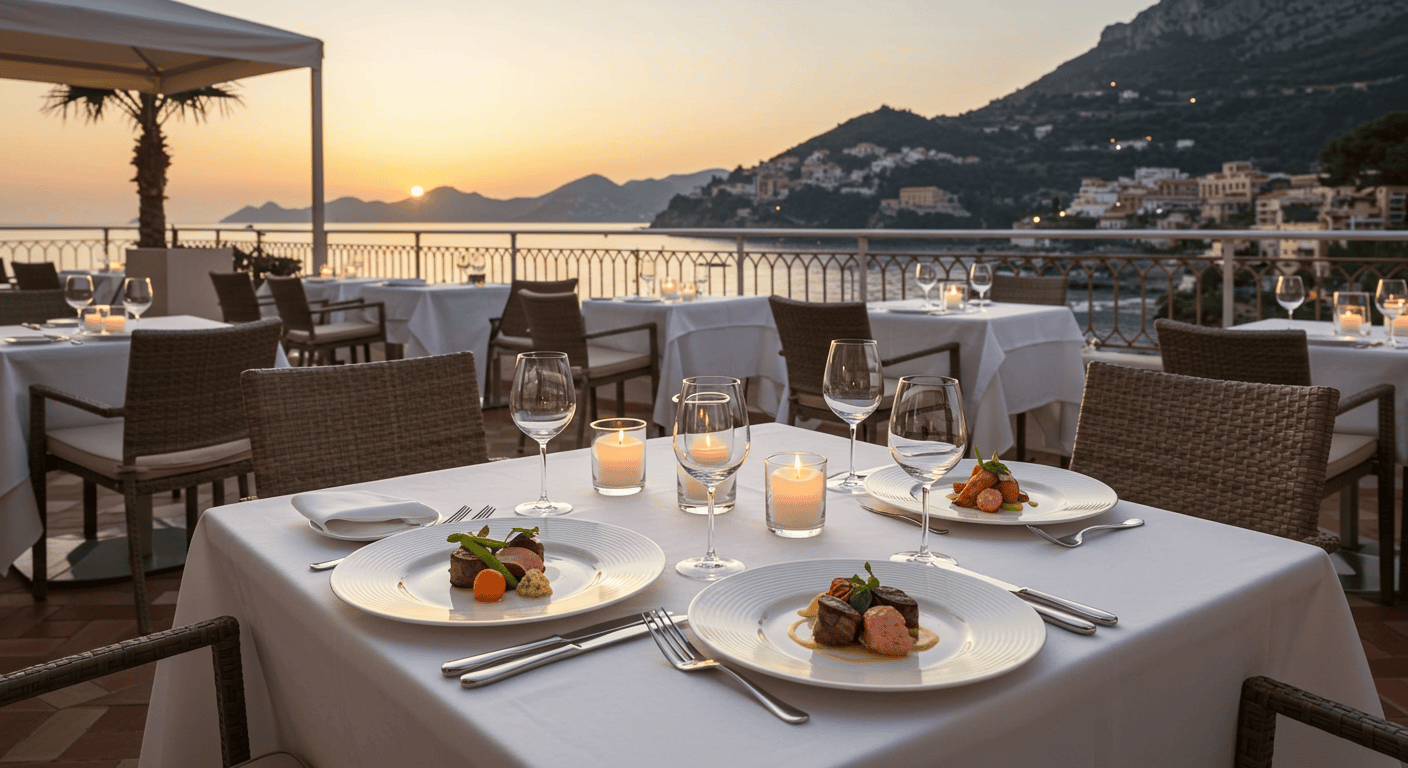
Best Restaurants in Lapad: Fine Dining, Local Gems & Where to Eat
Where do you actually eat well in Lapad – not just adequately, not just prettily, but properly, memorably, in the way that makes you rearrange your dinner plans for the following night before you’ve even finished dessert? It’s a question worth asking. Lapad sits quietly on its own peninsula west of Dubrovnik’s Old Town, and because it doesn’t wear its credentials on a sandwich board the way the old city does, visitors sometimes underestimate it. They shouldn’t. The restaurant scene here rewards the curious and gently punishes the incurious, who will wander into the first seafront terrace they spot and spend the rest of their holiday wondering why the pasta tasted faintly of regret. This guide is for everyone else.
The Fine Dining Scene in Lapad
Lapad does not currently hold any Michelin stars of its own – the Michelin Guide to Croatia has historically concentrated its attention on Dubrovnik’s Old Town and the islands – but to read that sentence as a reason to lower your expectations would be a significant mistake. What Lapad offers instead is a generation of chefs who have trained seriously, thought carefully about what Croatian cuisine actually is beneath the layers of tourism-adjacent habit, and are quietly producing some of the most interesting cooking on the Dalmatian coast.
The fine dining establishments here tend to operate on a philosophy that might be described as elevated restraint. Local ingredients – Adriatic fish, Pelješac oysters, Dalmatian lamb, truffles from Istria, locally pressed olive oil – are treated with genuine technical skill rather than the heavy-handed reverence that sometimes passes for sophistication elsewhere. Tasting menus are available at several of the more serious restaurants, and wine pairings lean intelligently on Croatian producers, which, if you haven’t been paying attention to Croatian wine over the last decade, will come as a very pleasant surprise. Portions are honest. Service is warm without being theatrical. The atmosphere is grown-up without being solemn.
Book ahead. Always. Even mid-week in shoulder season, the better tables in Lapad fill up with people who have done their research, and you don’t want to be the couple standing hopefully at the entrance looking as though you assumed everything would sort itself out.
Local Trattorias, Konobas and Neighbourhood Gems
The word you need to know is konoba. Roughly equivalent to a trattoria in Italian – a family-run, unfussy restaurant where the menu changes with what the fishermen brought in and what the kitchen garden is producing – a good konoba in Lapad will outperform many places charging three times the price for the privilege of a view. The ones worth finding tend not to advertise aggressively. They have handwritten menus or chalkboards. The wine arrives in a carafe and nobody apologies for it.
In these neighbourhood spots, you will encounter peka – meat or fish slow-cooked under an iron bell called a peka, buried in embers, and emerging after hours of patient heat as something that makes you briefly philosophical about how you’ve been cooking at home. Order it. Note that it typically requires advance notice of several hours, which is either an inconvenience or a very good reason to decide what you’re having for dinner at lunchtime. Grilled fish, priced by weight, is the other pillar of the konoba experience. Sea bass, bream, dentex – ask what came in that morning and follow the answer wherever it leads.
Alongside the seafood, look for lamb prepared in the old Dalmatian fashion, pršut – the local dry-cured ham, leaner and more assertive than its Italian cousin – served simply with local cheese, and brodetto, a fish stew that looks unassuming and tastes like someone has distilled the Adriatic into a bowl. Small, local, unhurried. This is where Lapad genuinely excels.
Beach Clubs and Casual Dining by the Water
Lapad Bay has a promenade – the Šetalište Kralja Zvonimira – that functions as the social spine of the neighbourhood, and along and around it you’ll find a range of beach clubs and casual restaurants that range from perfectly good to genuinely worth your time. The atmosphere in the evening, as the sun moves across the bay and the light does what Adriatic light insists on doing regardless of how many photographs are already taken of it, is genuinely lovely.
The beach club offering in Lapad is more relaxed than the table-service-in-your-swimwear productions you’ll find on certain Croatian islands, which is actually rather civilised. Expect good cocktails – Aperol Spritz, naturally, because the Adriatic has adopted it as an unofficial currency, but also some well-made local gin and rakija-based drinks at the more considered spots. Food at these venues tends toward grilled fish, fresh salads with local olive oil, seafood platters and wood-fired flatbreads. It’s casual, it’s good, and nobody is expecting you to be anywhere else.
For lunch specifically, the waterfront casual options are hard to fault. A long, slow lunch with a carafe of local white wine, watching the boats and the light and the occasional tourist confidently setting off in entirely the wrong direction – there are worse ways to spend an afternoon.
What to Order: Dishes, Wine and Local Drinks
If you order nothing else, order the oysters. Pelješac oysters, grown in the Ston Bay just north of Dubrovnik, are among the finest in Europe and remain relatively unknown to the wider world, which is either an injustice or a lovely secret depending on how you feel about sharing. They arrive clean and cold and taste of the sea in the very best sense of that phrase. Eat them simply. Don’t complicate it.
Beyond the oysters: black risotto – crni rižot – made with cuttlefish ink and fresh seafood, is ubiquitous on Croatian menus for the very good reason that it is genuinely excellent when made properly. Octopus salad, dressed with olive oil and capers, is the kind of dish that sounds like a starter and ends up being a reason to return. For meat eaters, the lamb from the Dalmatian hinterland, slowly braised or roasted, is exceptional.
Wines: Croatian whites deserve far more attention than they receive. Pošip from Korčula and Grk from Lumbarda are two varieties that pair beautifully with seafood and are increasingly available even at casual restaurants. For reds, Plavac Mali from Pelješac – the same genetic parent as Zinfandel, which surprises people in a satisfying way – is full, warm and structured. Finish with travarica, the herb-based grappa that arrives unsolicited at the end of a good meal in a konoba, because the host wants to, not because they’re trying to sell you something. Accept it graciously.
Food Markets and Artisan Producers
Lapad itself is primarily residential, which means that for serious market shopping you’ll find yourself heading into the broader Dubrovnik orbit. The Gruž market, a short drive or bus ride from Lapad, is the main open-air market and is worth an early morning visit with genuine commitment. Vegetables, olives, olive oil, honey, dried herbs, homemade jams, seasonal fruit and the occasional elderly woman selling produce from what is clearly her garden rather than any commercial enterprise – it has the feeling of a place that exists for locals first and visitors second, which is exactly what you want from a market.
For artisan olive oil and local spirits, look for small producers at the market or in specialist shops. Dalmatian olive oil – particularly from the islands of Brač and Hvar – has been receiving serious recognition from international food writers, and rightfully. Buying a bottle to take home is not a tourist impulse; it’s a reasonable decision. Lavender-based products from the islands, truffle products from Istrian producers sold throughout the region, and local honey infused with herbs are all worth investigating if you have luggage allowance and willpower.
Reservation Tips and Practical Advice
A few things worth knowing before you arrive hungry. The best restaurants in Lapad – whether fine dining or the better konobas – fill up quickly during the summer season, which in Dalmatia effectively means June through early September. Book as far in advance as you can for evening meals, particularly Friday and Saturday. Many restaurants are now bookable online through Croatian hospitality platforms or their own websites; others still operate on the telephone and the assumption that you will be organised enough to call. Be organised enough to call.
Lunch is generally easier to secure without a reservation and is, in Croatian culture, the main meal of the day – something that works very well for visitors who want to eat seriously without competing with every other guest who decided 8pm was the obvious dinner time. A long lunch followed by a period of horizontal reflection is not laziness. It is cultural immersion.
Dress codes are relaxed by Mediterranean standards – Lapad is not the kind of place that expects a jacket at dinner – but smart casual is both appropriate and appreciated at the better establishments. Tipping is not mandatory but is warmly received at around ten percent for good service. Cash is accepted almost everywhere; cards are increasingly so. Croatian menus often have an English translation; where they don’t, point confidently and trust the kitchen. It rarely goes badly.
Staying in Lapad: Private Chefs and Villa Dining
For travellers who want the best of Lapad’s food culture without leaving the property entirely – which, given the quality of some of the villas here, is an entirely rational position – the option of a private chef changes the equation significantly. A local chef with strong market connections, arriving in the morning with whatever was freshest at Gruž, cooking peka in your outdoor kitchen, selecting wines from regional producers: it is, not to put too fine a point on it, very good indeed. The restaurants of Lapad will still be there tomorrow night. Tonight, you have a terrace, a view across the Adriatic, and someone who knows exactly what to do with Pelješac oysters and a wood fire.
Exploring the best restaurants in Lapad is one of the great pleasures of this peninsula – but the foundation of a properly luxurious stay here is finding the right base. Browse the collection of luxury villas in Lapad available through Excellence Luxury Villas, many of which offer private chef arrangements and allow you to bring the very best of Dalmatian cuisine directly to your table. For everything else you need to know about this corner of Croatia, the Lapad Travel Guide covers the peninsula in full.


