
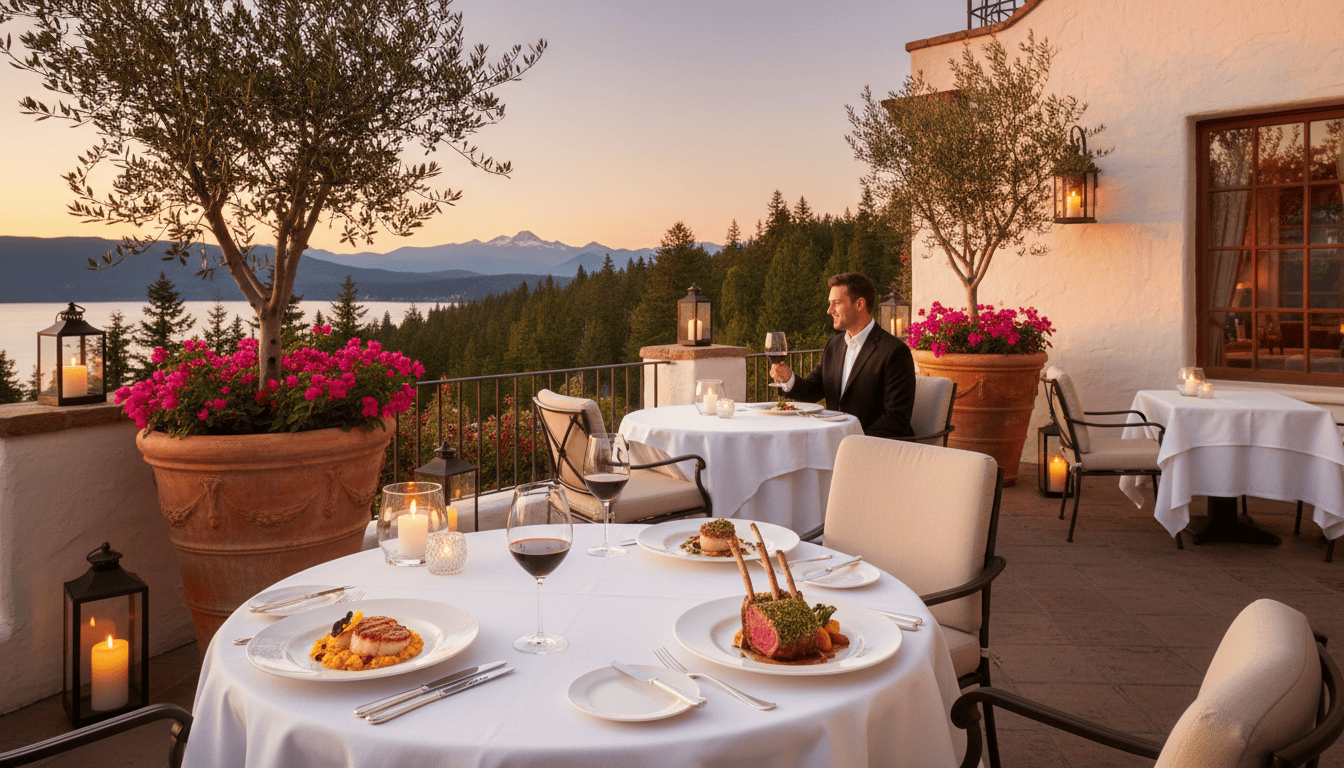
Best Restaurants in Canada: Fine Dining, Local Gems & Where to Eat
Here is what most food guides to Canada quietly skip over: the country does not have one food culture. It has about eleven, stacked on top of each other like geological strata, each shaped by climate, immigration, Indigenous tradition, and proximity to the sea. The thing that surprises visitors most is not that the food is good – it is how specific it is. Dungeness crab pulled from British Columbia waters an hour before dinner. Tourtière in Québec City made to a grandmother’s recipe that nobody has written down. Butter tarts in Ontario so criminally good they deserve their own protected designation of origin. Canada’s culinary identity is not loud about itself. Which is, of course, very Canadian. But for those who know where to look – and more importantly, where to sit down – the eating here is quietly extraordinary.
The Fine Dining Scene: Canada’s Michelin Moment
The Michelin Guide arrived in Canada with considerably less fanfare than it tends to in Europe – Canadians are constitutionally suspicious of fuss – but its Vancouver and Toronto editions have shone a useful light on what serious diners already knew. Both cities have restaurant scenes operating at a genuinely world-class level, with a culinary philosophy that leans heavily on provenance, technique and the remarkable diversity of ingredients available across this vast country.
In Vancouver, the fine dining conversation tends to orbit around a handful of restaurants that have been doing quiet, brilliant work for years. The emphasis here is on Pacific Northwest ingredients – wild salmon, spot prawns, foraged mushrooms, sea urchin from the cold Pacific – handled with precision and creativity. Expect tasting menus that feel like a considered argument for eating seasonally, served in rooms that are considered without being cold. The city’s proximity to both ocean and mountain means the larder is almost unfairly well-stocked.
Toronto’s fine dining scene is different in character – more urban, more international, more influenced by the extraordinary ethnic mix of a city where over 200 languages are spoken. Here you will find French technique applied to Japanese ingredients, Korean flavours reinterpreted through a modern Canadian lens, and chefs who trained in Copenhagen or San Sebastián before coming home to cook what they actually grew up eating. The result is a restaurant scene that is simultaneously sophisticated and personal. Reservations at the upper tier fill weeks in advance. Plan accordingly, or accept that you will be eating somewhere merely excellent instead.
Montréal, which has its own distinct food culture and a Gallic attitude towards the importance of a good meal, rounds out the country’s fine dining triumvirate. The city has produced some genuinely influential chefs and continues to punch well above its weight on the international stage.
Québec: Where French Canada Eats
To understand Québec’s food culture, you need to understand that it predates Canada itself. The cuisine that developed in this province over four centuries is neither French nor North American – it is something entirely its own. Robust, dairy-forward, rooted in the rhythms of a long winter and the produce of the St. Lawrence valley.
Poutine, the province’s most internationally recognised contribution to food culture, is best understood not as a fast-food item but as a piece of culinary philosophy: that chips, gravy and cheese curds – specifically, fresh squeaky cheese curds – are greater together than the sum of their parts. This is true. But to eat only poutine in Québec is to read only the jacket of a novel. Tourtière – the spiced meat pie traditionally eaten at Christmas, though frankly it deserves a longer season – is a dish with genuine soul. Maple syrup appears in contexts that will surprise you. Cipaille, a multi-layered game pie from the regions, is the kind of thing that makes you reconsider what comfort food can be.
In Montréal, the restaurant scene in neighbourhoods like Le Plateau-Mont-Royal and Mile End operates with a certain deliberate casualness that is deeply sophisticated once you stop mistaking it for disorder. Bring cash to some of the smaller spots. Bring patience everywhere. The food rewards both.
Québec City’s restaurant culture is smaller, more intimate, and concentrated largely within and around the Old City walls. The cooking in many of the better establishments reflects the surrounding countryside – the île d’Orléans just across the water supplies berries, cheeses, ciders and wines that appear on menus throughout the city.
British Columbia: Pacific Plates
Eating in British Columbia requires a certain recalibration of expectations about what seafood is supposed to taste like. The spot prawns alone – sweet, firm, available for a mercifully brief season each spring – will ruin lesser prawns for you permanently. Wild salmon, in its various species and preparations, appears everywhere and should be ordered everywhere. The halibut is not to be ignored. The oysters, from the cold, clean waters of the Pacific coast, are some of the finest in the world.
Vancouver’s restaurant scene extends well beyond Pacific seafood, of course. The city has one of the world’s most significant Cantonese populations outside of Hong Kong, and its Chinese restaurants – particularly in Richmond – are the real thing. Dim sum here is not a brunch experience. It is a serious meal deserving serious attention. The Japanese food, too, reflects the city’s history and geography in ways that are genuinely different from what you will find elsewhere in North America.
Further afield, the Okanagan Valley has become Canada’s most compelling wine region and the culinary destination that goes with it. Winery restaurants here serve food that has travelled very short distances from soil to plate – often the same soil the vines grow in – and the experience of eating on a terrace above a vineyard lake in late summer is one of those things that is difficult to describe without resorting to adjectives we have banned from this article.
Hidden Gems and Local Institutions
The best meals in Canada are not always in the places that win awards. They are, sometimes, in a 20-seat room in Montreal where a chef is doing something interesting with Quebec duck and not particularly interested in your approval. Or in a family-run Filipino restaurant in Toronto’s west end that has been feeding the neighbourhood for thirty years. Or in a Nova Scotia fishing village where the lobster roll arrives without ceremony and tastes like the sea distilled.
Seek out the food halls and covered markets, which in Canada tend to be considerably more serious than the tourist-facing stall markets of other countries. Granville Island Public Market in Vancouver is worth a morning regardless of what you purchase, but the produce, cheese and prepared food on offer is genuinely compelling for anyone planning to cook in a private property. The Jean-Talon Market in Montréal is the kind of place that makes you wish you lived locally – its scale and quality are extraordinary. St. Lawrence Market in Toronto has been operating in various forms since 1803 and on Saturday mornings fills with locals who know exactly what they are there for.
In smaller cities and towns – Halifax, Victoria, Charlottetown – the restaurant scenes are tighter, more local, and often more interesting for it. Prince Edward Island, best known for its potatoes and its lobster, has quietly developed a food culture well beyond those two anchors. The restaurants in Charlottetown and along the north shore draw chefs who left Toronto or Vancouver specifically to cook with ingredients this good.
Casual Dining, Beach Clubs and Summer Eating
Canada’s summer is brief and Canadians treat it accordingly – with a kind of joyful urgency that has something almost defiant about it. The summer eating culture reflects this. Lobster shacks on the east coast. Fish and chips eaten on docks. Crab boils at picnic tables. In British Columbia, the waterfront restaurants of Vancouver and Victoria, and the deck restaurants of the Gulf Islands, do a brisk trade in precisely the kind of seafood-forward casual eating that requires nothing more than a good view and a cold glass of something local.
British Columbia’s wine industry produces Pinot Gris and rosé that are made precisely for drinking outdoors in warm weather. The province also has a growing craft cider scene rooted in the apple orchards of the Okanagan and Vancouver Island, and a brewery culture that, in cities like Victoria and Vancouver, is taken with great seriousness by people who also take great seriousness seriously.
On the coasts, the beach-adjacent eating culture leans heavily towards seafood prepared simply – grilled, fried, or barely dressed with lemon and butter. This is not laziness. This is confidence. When the ingredients are this good, restraint is a form of respect.
What to Drink: Wine, Cider, Craft Beer and the Curious Case of Ice Wine
Canada’s wine story is concentrated in two regions. The Okanagan Valley in British Columbia produces Pinot Noir, Chardonnay and Riesling of genuine quality, and a handful of estates that have moved well beyond the regional curiosity stage into serious international recognition. Niagara-on-the-Lake in Ontario is the other significant wine region – its cool climate suits aromatic whites and produces the ingredient for Canada’s most distinctive wine export: ice wine, made from grapes frozen on the vine and pressed in temperatures cold enough to concentrate sugars to extraordinary levels. A small glass with a cheese course is one of Canada’s genuinely great eating experiences. Two small glasses is probably enough.
Craft beer in Canada has followed the same trajectory as everywhere else but has its own regional character. Québec’s microbrewery scene is particularly strong. Indigenous-owned distilleries and breweries have begun producing spirits and beers that draw on local botanicals, berries and traditions in ways that are both culturally significant and genuinely delicious.
The cocktail culture in Toronto, Vancouver and Montréal is sophisticated and inventive, with bartenders incorporating local ingredients – Canadian whisky, maple syrup, spruce tips, local bitters – into drinks that are rooted in place without being gimmicky. Which, come to think of it, describes the best Canadian food rather well.
Reservation Tips and Practical Advice
The top-tier restaurants in Vancouver, Toronto and Montréal operate reservation systems that require planning. For the most sought-after tables – particularly in Vancouver and in the Mile End and Plateau neighbourhoods of Montréal – booking two to four weeks in advance is sensible, and for weekend tables at genuinely celebrated spots, further ahead still. Many restaurants release reservations at midnight on a fixed day. Setting a reminder is not excessive. It is strategic.
Walk-ins remain possible, and often rewarding, at the bar – most serious restaurants keep bar seats available for those who show up and wait with equanimity. This is, in fact, often the best seat in the house. You can see the kitchen, talk to the bartender, and order without any of the small social theatre that accompanies a formal reservation.
Tipping culture in Canada mirrors that of the United States – 18 to 20 percent is standard at full-service restaurants, higher for exceptional service. Service charges are increasingly being incorporated into bills, particularly post-pandemic, so check before calculating. Tax is added at the point of sale rather than included in menu prices, which means the bill will be higher than the menu suggests. This is worth knowing before you hand over a card with your eyebrows in their normal position.
Dress codes at even the finest Canadian restaurants tend towards smart casual rather than formal – Canadians have a generally egalitarian relationship with clothing at the table. This does not mean you cannot dress well. It simply means nobody will refuse you entry for wearing good shoes instead of spectacular ones.
Planning Your Trip: Eat Well, Stay Better
For those spending serious time in Canada – whether in Vancouver, the Okanagan wine country, the Laurentians north of Montréal, or the wilds of Nova Scotia – the experience of eating well is significantly enhanced by where you are based. A luxury villa in Canada with a private chef option changes the calculus entirely: the markets become ingredient shopping, the wine regions become a cellar, and the food culture you have been eating your way through can come home with you for an evening of entirely private indulgence. Many of Excellence Luxury Villas’ Canadian properties are positioned with exactly this in mind – close enough to great restaurants to access them easily, private enough to prefer staying in.
For a broader picture of Canada’s regions, landscapes and seasonal travel, the Canada Travel Guide covers everything from when to go to how to move between the country’s very different worlds.


