Best Time to Visit Chamonix: Ski Season to Summer Hiking
The best time to visit Chamonix depends entirely on what you want from the mountain: December to March for skiing and snow sports, June to September for hiking and the Mont Blanc views, and late spring or November for low prices and near-empty streets. Winter and peak summer are the busiest and most expensive periods, while May and November are so quiet that many businesses simply close. Shoulder months – June and September especially – offer the best balance of good weather, open lifts, and manageable crowds.
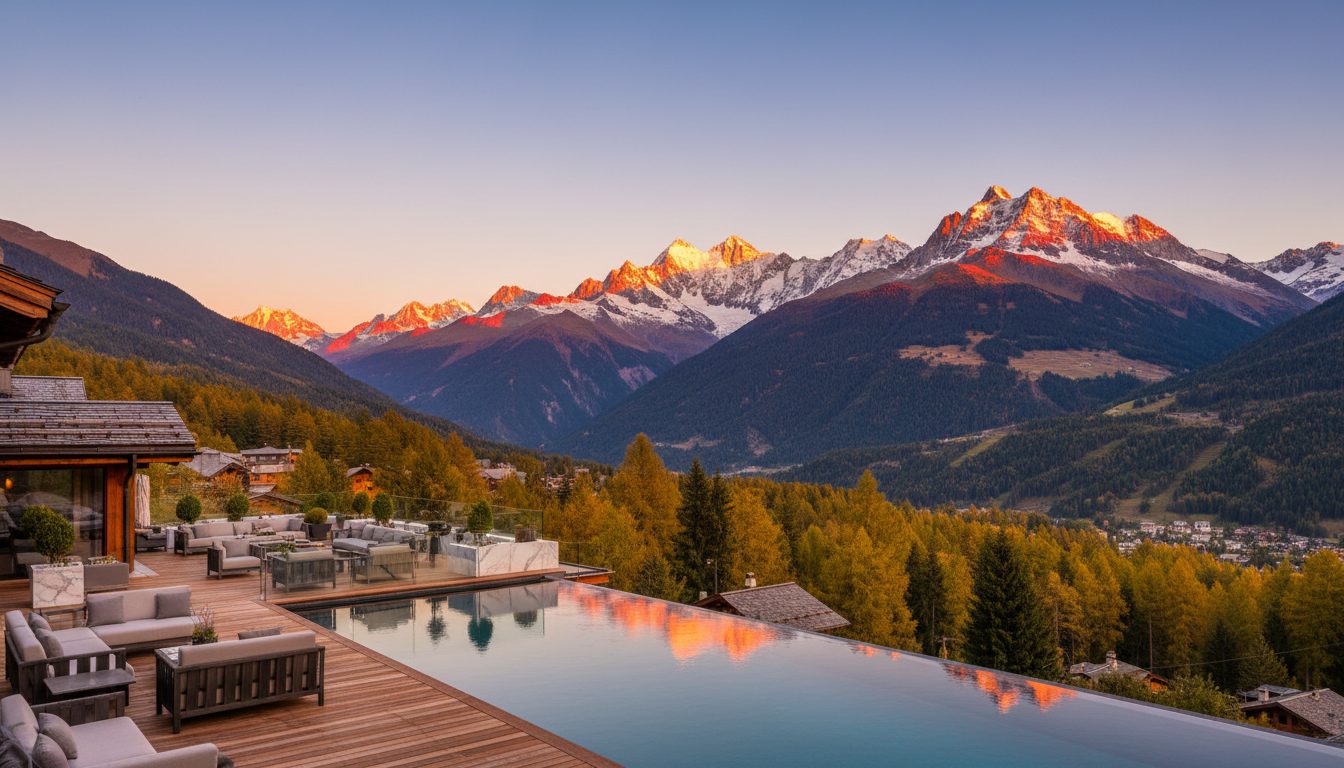
Here is the best morning Chamonix has to offer, and it is happening to you right now. It is early September, the air has that just-sharpened quality it gets once the summer crowds thin out, and you are drinking coffee on a terrace with Mont Blanc doing its enormous, slightly show-offish thing above the rooftops. The larches haven’t turned gold yet, but they’re thinking about it. Somewhere up the valley a cable car is gliding towards the Aiguille du Midi with perhaps a third of August’s passenger load, which means you might actually get a seat by the window. This is Chamonix at its most agreeable – not its most famous moment, but arguably its best kept secret, and the whole point of planning your visit with a little more thought than “whenever the school holidays allow.”
Best Time to Visit Chamonix: At a Glance
Winter (December-March): ski season, cold and crowded, prices highest around Christmas and February half-term. Spring (April-May): mixed weather, lower prices, many hotels and lifts closed for maintenance in early-mid May. Summer (June-August): warmest months, hiking and climbing season, July and August are peak and busy. Autumn (September-November): golden light, thinning crowds, another near-total shutdown in early-mid November before winter gears up.
Visiting Chamonix in Winter: December to March
This is Chamonix doing what it does best, and what most people picture when they hear the name. Snow typically settles across the valley floor by December and the high lift-served terrain, including the long runs above Argentière and Les Houches, stays reliably skiable into March. Valley temperatures hover around 0 to 2°C during the day, dropping to minus five or colder overnight, while the mountains above are considerably sharper. Christmas week and the February school holidays are the busiest and priciest stretches of the entire year – restaurant tables fill early, lift queues lengthen, and the town’s genuine mountaineering character gets briefly submerged under a wave of brightly coloured ski jackets. January, by contrast, is quieter and noticeably cheaper, with the same reliable snowpack and a town that feels like it belongs to locals again. Off-piste terrain such as the Vallée Blanche draws serious skiers from across Europe, and the Christmas markets add a dose of mulled-wine cheer to the shorter days. Winter suits couples after a proper alpine romance, groups of skiers who don’t mind sharing a chairlift queue with half of Geneva, and families who book around – not during – the main holiday peaks.
Visiting Chamonix in Spring: April and May
Spring arrives in Chamonix with a certain reluctance. April can still deliver decent skiing on the higher slopes while the valley below turns to slush and mud, a combination that photographs poorly but skis surprisingly well if you time it right. By May, the thaw is in full swing – waterfalls swell, wildflowers appear on the lower meadows, and the whole valley takes on a slightly scruffy, in-between look. This is also when Chamonix quietly closes for business: many hotels, restaurants and lifts shut for a few weeks in early-to-mid May while staff take a well-earned break between seasons, so it’s worth checking what’s actually open before booking. For those who do visit, prices drop noticeably and the town empties out almost entirely. It suits independent travellers and couples happy to trade a few shuttered shopfronts for empty trails and rock-bottom rates, less so families hoping for a full programme of activities.
Visiting Chamonix in Summer: June to August
Summer is when Chamonix reveals its other identity – less ski resort, more serious hiking and climbing base, with trails fanning out toward the Mer de Glace, the Grand Balcon Sud and dozens of mountain refuges. Valley temperatures climb into the low-to-mid twenties Celsius, occasionally higher in a proper heatwave, with cooler air and the odd dramatic afternoon thunderstorm at altitude – pack a waterproof even on a day that starts cloudless. June offers the long daylight hours and open high-altitude trails of full summer with noticeably fewer people than August, when the valley fills with hikers, climbers and the runners training for the ultra-trail race that circles Mont Blanc each year, filling every café table and most hotel beds along the way. July brings its own crowd for the valley’s jazz festival, adding music to the usual soundtrack of cowbells and cable car announcements. Summer suits families (long days, easier walking routes, cable cars doing the hard climbing for you), groups of hikers and climbers, and anyone who doesn’t mind sharing the view from the Aiguille du Midi with a few hundred new friends.
Visiting Chamonix in Autumn: September to November
September is, by most sensible measures, the best month to be in Chamonix. The summer crowds have gone home, the weather generally holds fair and mild, and the larch forests begin their slow turn to gold through late September and October – a genuinely lovely sight that somehow never makes it onto the postcards the way the snow does. Lifts and trails remain open well into autumn, though services thin out as the month progresses. Then, true to form, Chamonix shuts its doors again in early-to-mid November, a second off-season lull before winter machinery cranks back into life. Hotels close for refurbishment, restaurants take their own holidays, and the town goes almost eerily quiet – charming if you’ve come for solitude and a good book by the fire, frustrating if you were hoping for a full night out. Autumn suits couples, photographers and anyone who prefers their mountain views without the queue.
Chamonix Shoulder Season: Why June and September Work Best
If pressed to name the two cleverest months to book, most people who know the valley well would say June and September. Both deliver the weather and open infrastructure of peak season – lifts running, trails clear, restaurants fully staffed – without the peak-season price tag or the queue for the cable car that makes August feel more like a theme park than a mountain. Accommodation rates typically sit well below the July-August and Christmas-February peaks, and you’ll find it far easier to get a table without booking three weeks ahead. The light in both months tends to be clean and photogenic, the weather generally stable, and the locals noticeably more relaxed. For couples, groups wanting a slightly calmer version of the classic Chamonix experience, or families trying to dodge the worst of the school-holiday crush, these shoulder windows are worth building a whole trip around.
Chamonix Off-Season: The Case for Visiting in Early May or November
There’s a reasonable argument for visiting Chamonix precisely when nobody else wants to – the two short, deliberate lulls the town takes between its ski and summer seasons. Prices fall to their lowest point of the year, the valley is near silent, and you get a version of Mont Blanc with almost nobody standing in front of it. The trade-off is real: many hotels, restaurants and lifts close entirely for maintenance, so this suits self-sufficient travellers staying somewhere independent – a private villa with its own kitchen, say – far better than anyone relying on the town’s usual restaurant scene. It won’t suit families wanting activities laid on, but for couples or solo travellers after genuine quiet and a good rate, it’s a legitimate and slightly smug choice.
Best Time to Visit Chamonix for Families, Couples and Groups
Families generally do best in summer, when long days and gentler lower-altitude trails make hiking manageable for younger legs, or during the main winter holidays if ski lessons and childcare are booked well ahead. Couples tend to get more out of the shoulder months and the quieter end of winter – January rather than February, September rather than August – when restaurants are calmer and the views come without quite so many selfie sticks in them. Groups of skiers or climbers should aim for peak winter or high summer respectively, accepting the crowds as the price of the best conditions, though booking accommodation with space to spread out, rather than squeezing everyone into a single hotel room, makes a noticeable difference to how civilised the whole trip feels.
Whatever month draws you to the valley, having your own space to retreat to – a proper kitchen, a view that isn’t shared with forty other guests, somewhere to dry wet boots without judgement – changes the trip considerably. Browse luxury villas in Chamonix for a base that suits the season you’ve chosen, and for more on getting around and settling into the valley, see the full Chamonix Travel Guide.
Chamonix Weather and Seasons FAQs
What is the cheapest time to visit Chamonix?
The lowest prices come in the short off-season windows of early-to-mid May and early-to-mid November, when many hotels and restaurants close for maintenance between the ski and summer seasons. For a cheaper trip with more things actually open, aim for January or September instead.
Is Chamonix busy all year round?
No. Chamonix has two clear peaks – the winter ski season (especially Christmas and February school holidays) and summer hiking season (July and August) – separated by quieter shoulder months and two near-total off-season lulls in May and November.
What is the best month to visit Chamonix for hiking?
September is widely considered the best month for hiking, offering stable weather, open trails and lifts, and thinner crowds than July or August, with the added bonus of the larch forests beginning to turn gold.

