Gianyar Regency Travel Guide: Silver, Rice Terraces & Temples
Gianyar Regency is an inland district in Bali, Indonesia, that includes the town of Ubud, the Tegallalang rice terraces, and the silversmithing village of Celuk. It is known for traditional arts and crafts, Hindu-Balinese temples and palaces, and terraced rice landscapes. It suits couples, culture seekers, food lovers and walkers more than it suits beach holidaymakers or those chasing nightlife.
Gianyar Regency at a Glance
- Where: Central Bali, Indonesia, inland from the southern coast
- Nearest airport: Ngurah Rai International Airport (DPS), roughly 36 to 48 minutes to central towns, longer in traffic
- Best time to visit: April to June and September to early October
- Getting around: Private car with driver or hired scooter; no trains, buses or taxis in the metered sense
- Known for: Ubud, Tegallalang rice terraces, Celuk silverwork, royal temples and palace heritage
- Ideal for: couples, culture seekers, food lovers, walkers and yoga retreaters
Here is the thing nobody quite says out loud: the Bali most people picture when they say “Bali” – the rice terraces, the temple carvings, the silver rings sold two-for-one on a roadside table, even Ubud itself – is mostly happening in Gianyar Regency, and most of the people photographing it have no idea that’s its name. Ubud gets all the glory, and Gianyar, the regency that actually contains it, gets mentioned mainly on administrative forms and by locals buying suckling pig at the night market in Gianyar town, which is, incidentally, better than the one in Ubud and considerably cheaper.
This is a region for people who like their holidays with a bit of texture – couples wanting quiet mornings over rice paddies, food lovers willing to eat where the smoke is thickest, walkers who don’t mind a slope, and anyone with a genuine interest in how a carving, a dance or a silver bangle actually gets made. It is less suited to families wanting a beach to collapse onto by 10am, or groups hoping for beach clubs and late-night bars – for that, you want the coast, not the hills.
Getting to Gianyar Regency: Closer Than It Feels
Every visitor to Gianyar arrives through the same door: Ngurah Rai International Airport (DPS) in the south of Bali, the island’s only airport with scheduled international flights and, usefully, its only airport full stop. There’s no rail link anywhere on Bali, so don’t go looking for a station – there isn’t one, and there never has been.
The driving distance from DPS to Gianyar town is about 23 miles, roughly 36 minutes under ideal conditions; to Ubud it’s much the same, about 22 miles and 36 minutes; to the highland area around Payangan, closer to 27 miles and 48 minutes. Those are best-case figures. Realistically, allow one to two hours, since the roads near the airport and the main tourist belt have a habit of congealing into traffic exactly when you least want them to, usually just as your flight has landed at the worst possible hour. Private cars and pre-arranged drivers are the standard way to get here; door-to-door using mixed transport instead of a direct car takes around 1 hour 38 minutes, which tells you most of what you need to know about why nearly everyone just books a driver.
Once inside the regency, a car with driver remains the sensible option for day-tripping between villages, while scooters suit shorter hops if you’re confident on narrow, occasionally goat-interrupted roads. There are no local trains or metro buses – this is a region you travel through on wheels, at a gentle pace, which rather suits the scenery.
Where to Eat in Gianyar Regency: Pork, Rice and Patience
Fine Dining in Gianyar Regency
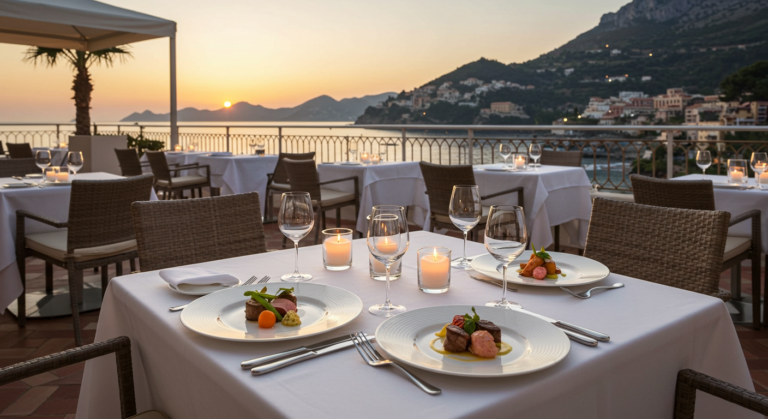
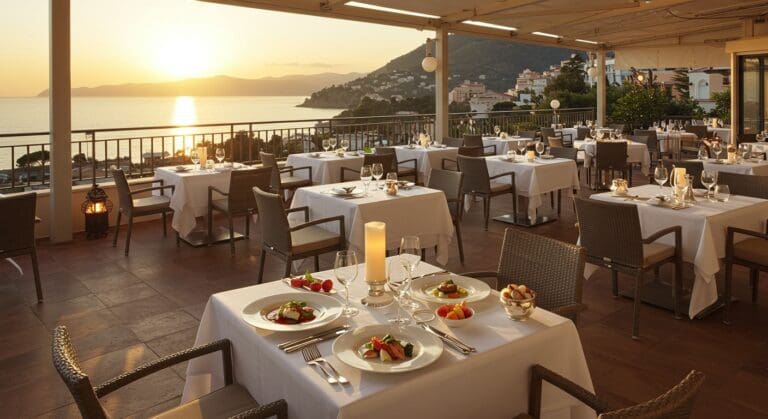
The regency’s more considered dining tends to cluster around Ubud and its surrounding rice-field villages, where open-air pavilions overlook paddies and menus lean into Balinese ingredients – turmeric, lemongrass, galangal, river fish – reworked with a contemporary, often farm-to-table sensibility. Expect long tasting menus with unhurried pacing, candlelight, and the gentle sound of frogs providing the evening’s only reliable soundtrack. This is not a place that does fast dinners, and nobody seems to mind.
Where the Locals Eat
The real culinary institution of the regency is babi guling – Balinese suckling pig, spit-roasted with a dense paste of spices and served with crackling, rice and blood sausage – and Gianyar town’s market is where locals will tell you, quietly but firmly, that the best of it is found. Warungs here serve plates by the hundred each morning and sell out by early afternoon, which tells you everything about demand and nothing about reservations, because there aren’t any.
Hidden Gems in Gianyar Regency
Beyond the obvious market stalls, smaller villages hold unmarked family-run warungs serving nasi campur, grilled fish and home-pressed sambal to an audience almost entirely of motorbike-riding locals. These places rarely have signage worth the name, let alone a website – you find them by asking, by smell, or by following a queue of parked scooters outside what looks, from the road, like somebody’s front porch.
Exploring Gianyar Regency: Rice, Rivers and Royal Villages
Gianyar’s geography is defined by terraced hillsides, rivers carving green gorges, and a scattering of villages each known historically for a single craft – silver in Celuk, wood carving in Mas, painting in Peliatan. The Ayung River marks part of the regency’s western edge, its banks thick with jungle and the occasional rafting group making enthusiastic noise. Inland, the land rises gently toward Payangan and the cooler highlands, where the air loses its humidity edge and the rice terraces turn a deeper, almost theatrical green.
Ubud sits roughly at the regency’s cultural centre, surrounded by satellite villages that blur into one another without much signage to help you tell where one ends and the next begins. Further east, Gianyar town itself retains a more workaday, lived-in character – a useful reminder that this regency isn’t a theme park built for visitors, but a working district of palaces, markets and family compounds that happens to also be extraordinarily photogenic.
Things to Do in Gianyar Regency: Temples, Terraces and the Odd Elephant
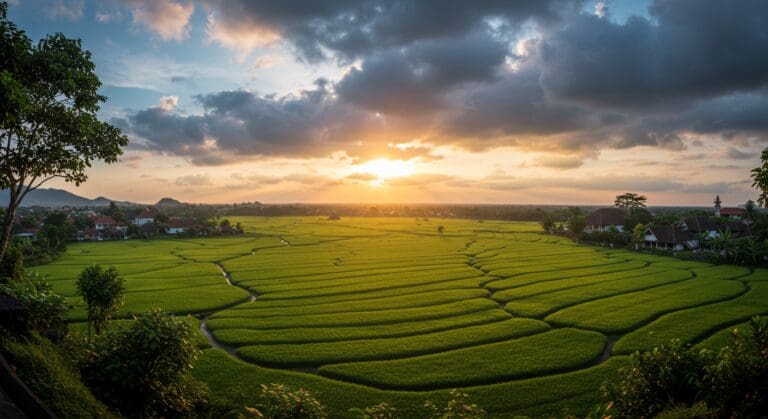
The Tegallalang rice terraces are the postcard image of the regency, their stepped paddies cut into a steep valley and best seen early, before the tour buses arrive and the paths fill with people taking the same photograph everyone else is taking. Tirta Empul, a holy spring temple near Tampaksiring, draws both pilgrims and visitors for its ritual purification pools, where locals bathe under carved stone spouts in a practice that predates tourism by many centuries and continues regardless of it. Goa Gajah, the so-called Elephant Cave, offers a smaller, stranger stop – a carved rock-face entrance leading to a modest cave shrine, more atmospheric than large.
Traditional dance performances – Legong, Barong, Kecak – are staged regularly around Ubud, often in palace courtyards lit by torchlight, and are worth seeing even if you’ve only a passing interest in gamelan music (you will leave with more than a passing interest). Art museums and galleries showcase the region’s painting traditions, while silver and woodcarving workshops in Celuk and Mas welcome visitors to watch craftsmen at work, no purchase obligatory, though it would be an unusual visitor who left entirely empty-handed.
Outdoor and Adventure Activities in Gianyar Regency: Pedal, Paddle, Repeat
The Ayung River offers white-water rafting trips that thread through jungle gorges, a genuinely good way to see the landscape from an unfamiliar angle – wet, and slightly out of breath. Cycling tours through the rice terraces are popular, typically downhill-biased routes starting in the cooler highlands and winding through villages, paddies and the occasional unimpressed chicken. Walking and trekking opportunities abound along the raised paths between rice paddies, though the heat means early starts are not optional extras but basic survival strategy.
Between June and August, the skies above inland Gianyar fill with traditional Balinese kites during the local kite season – an unplanned but genuinely good reason to be here in the dry months, as teams fly intricately decorated kites the size of small cars with a seriousness that borders on competitive sport, because it is.
Gianyar Regency for Families: Good for Some, Not All
Families with older children and teenagers who enjoy culture, nature and a bit of walking will find plenty here – rice terrace walks, the Ubud Monkey Forest (famous, slightly chaotic, best approached with belongings zipped firmly away from inquisitive macaques), craft workshops where kids can try their hand at carving or painting, and pools attached to accommodation for post-sightseeing recovery. There are no beaches, which rules out an entire category of family holiday; narrow roads and scooter traffic also mean very young children need careful supervision rather than free rein. Families wanting a classic beach-and-pool trip will find the southern coast – Seminyak or Kuta – a more straightforward fit, with Gianyar working better as an inland add-on or cultural base for families already comfortable with a slower, more exploratory pace.
History and Culture of Gianyar Regency: Kingdoms, Carvers and Kite Flyers
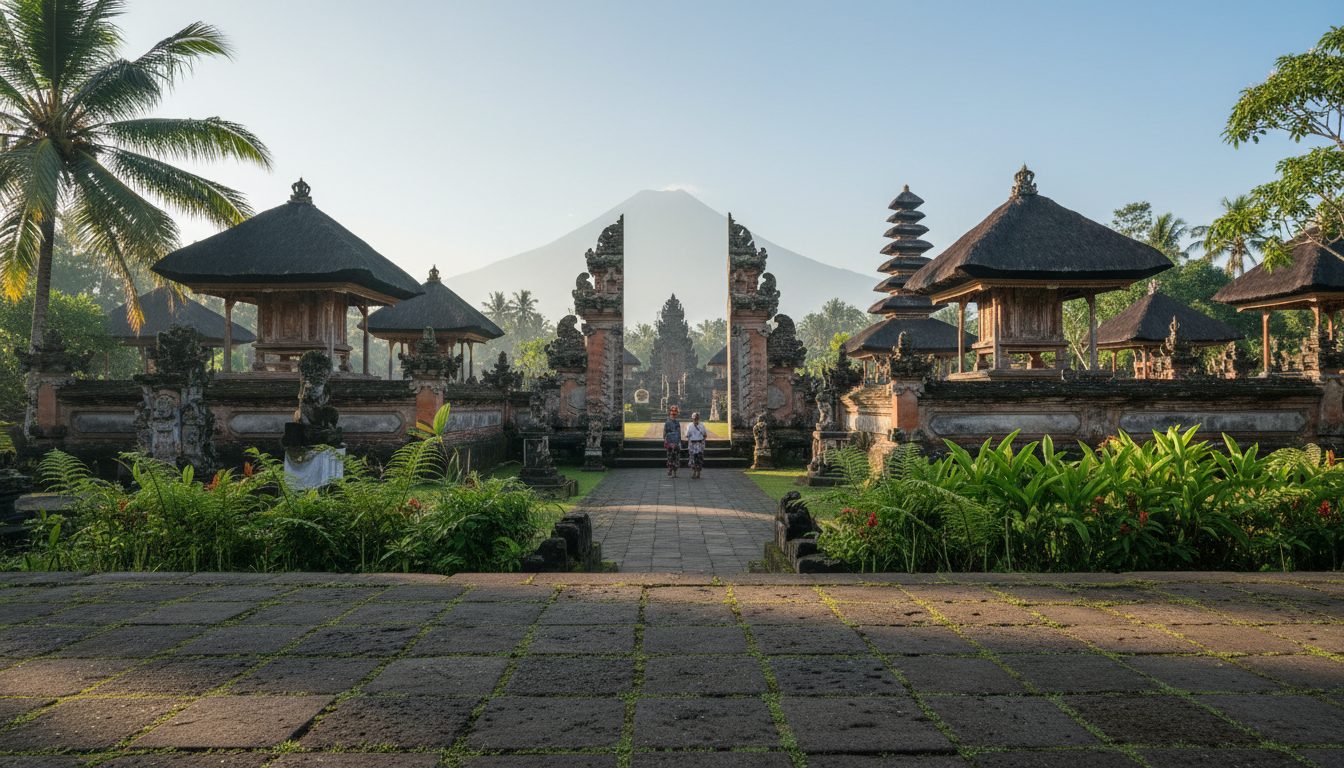
Gianyar was once among Bali’s independent kingdoms, and its royal lineage survives visibly in Puri Gianyar, the palace complex in Gianyar town, still linked to the royal family and occasionally open for cultural events. The regency’s villages developed distinct craft identities over centuries – Celuk for gold and silver, Mas for wood carving, Batuan and Peliatan for painting and dance – a specialisation that persists today, less as quaint tourist theatre than as genuine, ongoing livelihood. Temple festivals (odalan) occur regularly throughout the year on the Balinese calendar, bringing processions, gamelan orchestras and elaborate offerings that visitors may stumble into entirely by accident, usually while looking for a parking space.
Shopping in Gianyar Regency: Silver, Wood and the Art of Negotiation
Celuk remains the regency’s standout destination for silver and gold jewellery, with workshops producing intricate filigree pieces that range from affordable trinkets to serious investment jewellery. Mas specialises in wood carving, from devotional figures to contemporary sculpture, while Ubud’s markets stock textiles, batik, baskets and the sort of homeware that looks considerably better in Bali than it will on a shelf back home (a lesson learned by many a suitcase). Bargaining is expected in markets, though fixed-price galleries are increasingly common for higher-end pieces.
Where to Stay in Gianyar Regency: Village, Terrace or Palace Town
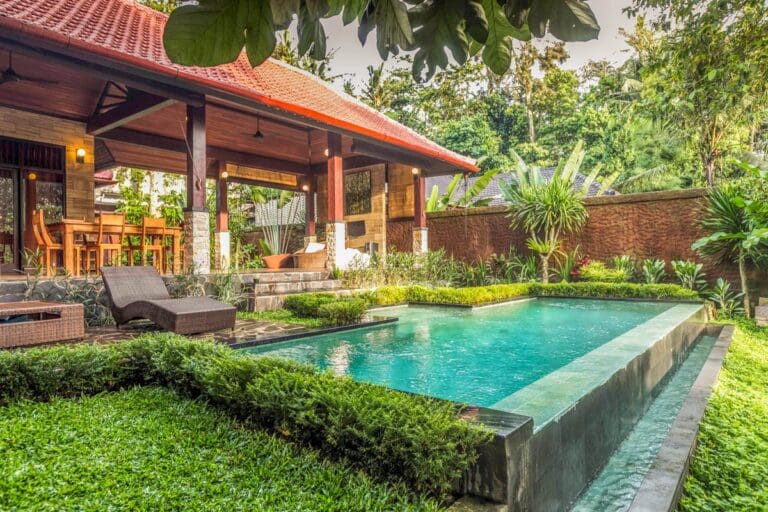
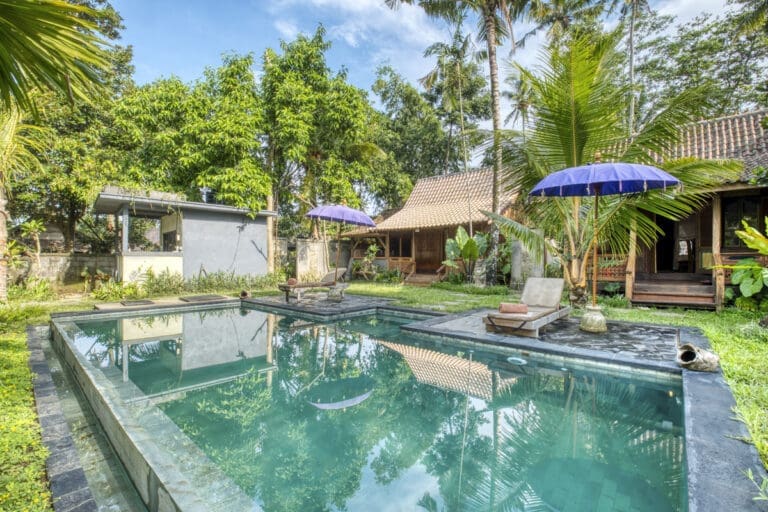
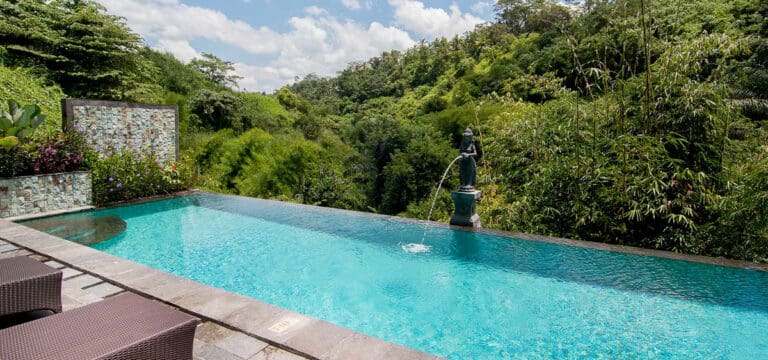
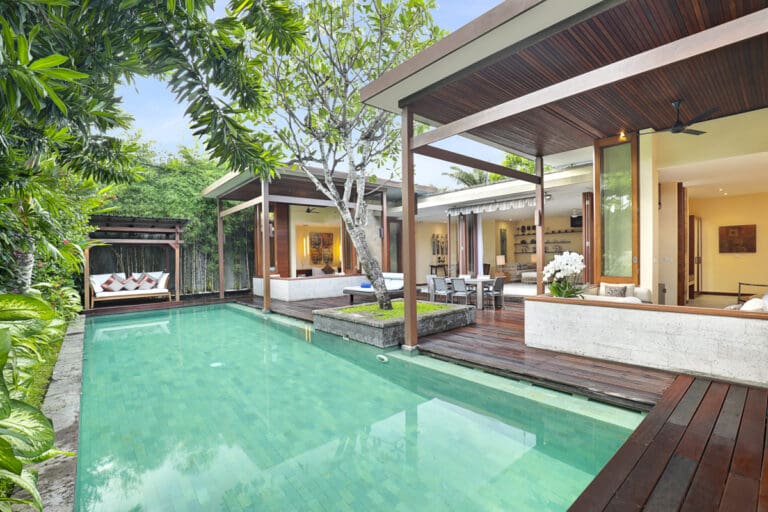
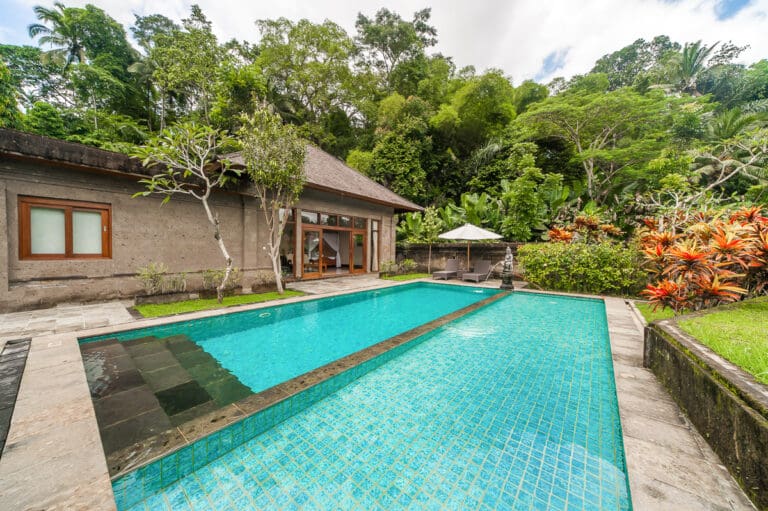
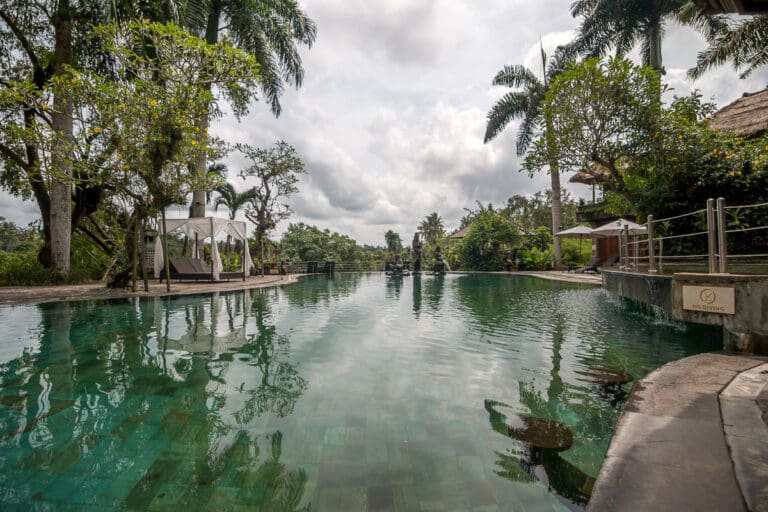
Ubud remains the natural base for first-time visitors – central, walkable in parts, dense with restaurants, galleries and yoga studios, though correspondingly busier and more built-up than it was even a decade ago. For quieter, greener surroundings, the Payangan area to the north offers a highland retreat feel, cooler air and views over working rice terraces, better suited to travellers with a car and a preference for stillness over street life. Tegallalang itself makes a scenic, if touristy by day, base close to the famous terraces, while Gianyar town offers a more authentic, less visitor-oriented alternative for those wanting to feel like residents rather than sightseers. Private villas in Gianyar Regency are a well-established way to stay in the area, offering flexibility across these different settings depending on whether you want village life, terrace views or palace-town quiet.
Practical Tips for Visiting Gianyar Regency: Sarongs, Small Notes and Patience
Indonesia’s currency is the rupiah, and while cards are increasingly accepted, small cash is essential for markets, warungs and temple donations. Bahasa Indonesia is the official language, with Balinese spoken locally, though English is widely understood in tourist areas. Tipping isn’t obligatory but is appreciated in small amounts for good service. Temple visits require a sarong and sash (often provided or rentable on-site) and modest dress generally, along with the usual courtesies – don’t step over offerings, and don’t photograph ceremonies as though they were staged for you, because they’re not. Book accommodation and popular restaurant tables ahead during July and August, and expect roads to be slower than distances suggest, particularly around Ubud at peak times.
Gianyar Regency FAQs
What is the best time to visit Gianyar Regency?
April to June and September to early October offer dry weather, lush green rice terraces and smaller crowds than the July-August peak. June to August also brings Bali’s kite season, a colourful bonus for visitors to inland areas.
How do I get to Gianyar Regency?
Fly into Ngurah Rai International Airport (DPS) in southern Bali, the island’s only airport with international flights. From there, it’s roughly 36 to 48 minutes by car to central towns like Ubud or Gianyar town, though traffic can extend this to one to two hours.
What is Gianyar Regency known for?
Gianyar is known for the town of Ubud, the Tegallalang rice terraces, Celuk’s silver and gold craftsmanship, royal palace heritage in Gianyar town, and traditional Balinese dance and temple culture.
How many days do you need in Gianyar Regency?
Three to five days allows time to explore Ubud, visit the rice terraces, see a temple or palace, and still have room for a craft village or two. Longer stays suit those combining it with coastal time elsewhere on Bali.
Is Gianyar Regency good for families?
It suits families with older children interested in culture, nature walks and craft activities, but there are no beaches and roads can be narrow and busy, making it less ideal for families with very young children seeking a classic beach holiday.
Where is the best place to stay in Gianyar Regency?
Ubud suits first-time visitors wanting walkable restaurants and galleries; Payangan suits those wanting quiet highland scenery; Tegallalang suits travellers prioritising rice-terrace views; Gianyar town suits those wanting a more authentic, less touristy base.
Do you need a car in Gianyar Regency?
Yes, practically speaking. There’s no rail network and no metered taxi system across the regency, so a private car with driver or a hired scooter is the standard way to move between villages, temples and rice terraces.
Where to stay
Villas in Gianyar Regency
A selection from our 6 luxury villas in Gianyar Regency.