Huez Food & Wine: Tartiflette, Reblochon & Savoie Wines
Huez food and wine centres on Savoyard mountain cooking – tartiflette, fondue, raclette and reblochon cheese – paired with the crisp white and light red wines of the nearby Savoie vineyards. Meals here are built for cold, hungry skiers and hikers, so expect generous portions, melted cheese in most forms, and wine chosen to cut through the fat rather than compete with it. The best places to eat this properly are the mountain refuge restaurants and the town’s weekly market rather than anything resembling a city bistro.
Nowhere else serves a wheel of melting cheese with quite the solemn ceremony of the French Alps. Order fondue in most places and it arrives as a favour. Order it in Huez and it arrives as an event, complete with its own cutlery, its own etiquette, and an unspoken agreement that you will not be doing anything strenuous for the rest of the afternoon. This is a place that takes its carbohydrates seriously, which makes sense when you consider that most people here have spent the day being hurled down a mountain and burning through calories at a rate that would alarm a nutritionist. The food is not subtle. It is not meant to be.
Regional Cuisine in Huez: Built for Altitude
Huez sits in the Oisans massif, within the wider cultural orbit of Savoyard and Dauphinois cooking, and the kitchen here reflects that heritage without apology. This is dairy country, cured-meat country, potato country. Dishes tend to be heavy on cheese, cream and charcuterie, and light on anything green that isn’t a herb used sparingly as garnish. That’s not a criticism so much as a fact of geography – when your growing season is short and your winters long, you cook with what keeps: cheese, cured pork, root vegetables, and wine robust enough to survive a mountain cellar.
What’s notable is how unpretentious the cooking remains, even at altitude where restaurants could easily charge resort prices for resort food. The better kitchens in and around Huez still serve dishes their grandparents would recognise – gratin dauphinois made with nothing more exotic than potatoes, cream, garlic and patience, or a plate of local charcuterie that needs no explanation beyond its origin. Expect wooden tables, wood-fired ovens where you’re lucky, and menus that read like a list of reasons to stay in the mountains rather than leave them.
Signature Dishes in Huez: Tartiflette, Fondue and Diots
Tartiflette is the dish most visitors arrive knowing and leave slightly obsessed with – sliced potatoes baked with lardons, onion and a whole reblochon cheese laid rind-up on top, so it melts into everything beneath it. It was invented, more or less, to sell reblochon cheese, and it remains a remarkably effective piece of marketing disguised as dinner.
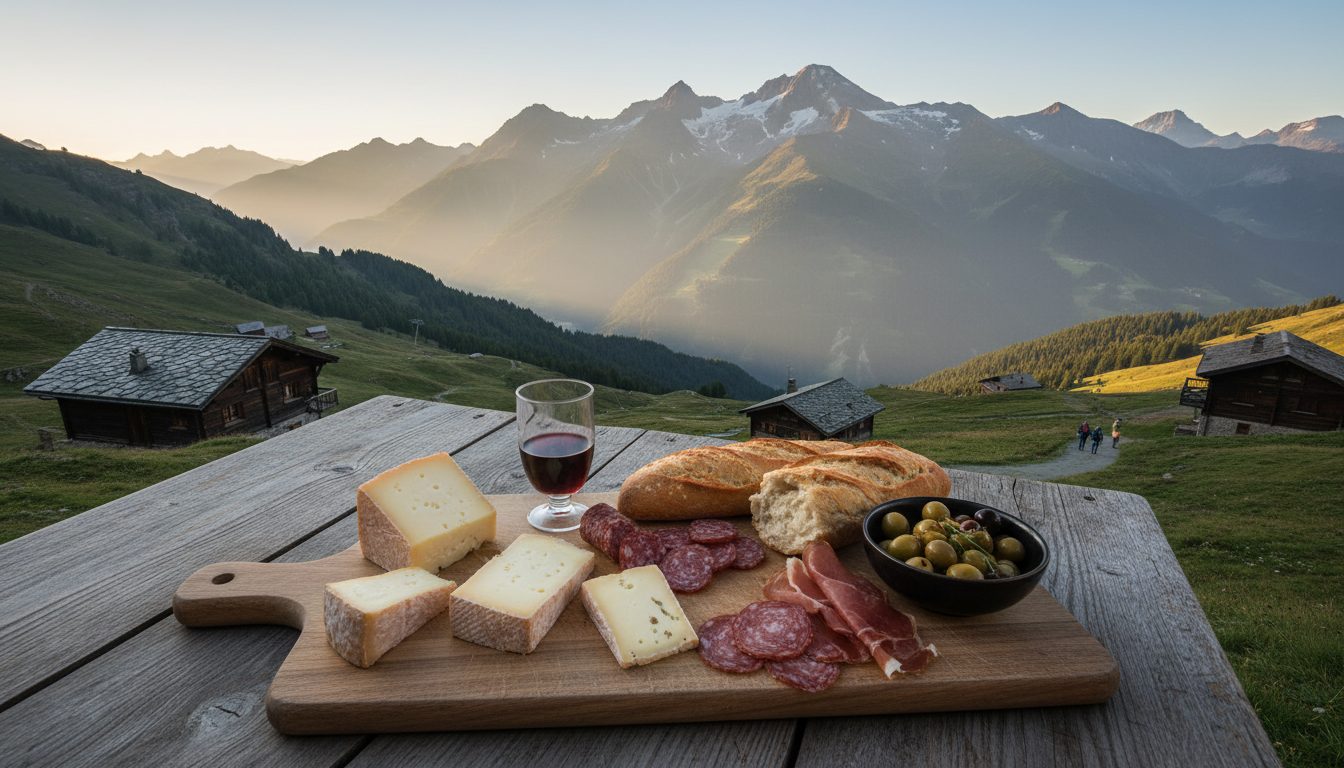
Fondue savoyarde, made with a blend of local cheeses and a splash of white wine, is the communal version of the same instinct: everyone dips, everyone talks too much, nobody finishes their bread allocation gracefully. Raclette follows the same principle with less theatre – a half-wheel of cheese scraped directly onto boiled potatoes and charcuterie, traditionally melted by an open fire rather than the tabletop grills most restaurants now use.
Diots, the small pork sausages simmered in white wine, turn up as a main course or tucked into a gratin, and are worth ordering simply because they rarely appear outside this part of France. For something lighter – relatively speaking – look for Farçon or Berthoud, both variations on the potato-and-cheese theme that locals will argue about with genuine passion.
Local Wines and Producers in Huez: The Savoie Connection
Huez itself sits too high and too steep for vineyards, but the Savoie wine region lies close enough in the valleys below to supply most of what’s poured at altitude. These are wines built to accompany cheese, not dominate it: crisp, mineral whites from the Jacquère grape, most recognisably labelled Apremont, with a faint spritz and an alpine freshness that makes them the obvious match for fondue. Chignin, made from the same grape on steeper slopes, tends to carry a touch more weight and fruit.
For red, Mondeuse is the grape to look for – peppery, dark-fruited, and sturdy enough to stand up to a plate of diots or charcuterie without being pushed around. It’s rarely exported in volume, which is precisely why it’s worth drinking while you’re here rather than hunting it down at home.
No Savoyard meal ends properly without a small glass of génépi, the local herbal digestif distilled from alpine flora and served ice-cold after dinner. It tastes faintly of the mountains themselves – bitter, herbal, and better appreciated on the second glass than the first.
Wine Estates to Visit Near Huez
The producing estates of Apremont, Chignin and the wider Combe de Savoie lie a manageable drive down from Huez, in the valley around Chambéry, and make a sensible day out on a non-ski day or during the quieter summer season. Most are small family operations rather than grand châteaux, with cellar doors open for tastings and a straightforward willingness to sell you a case to take home.
Visiting outside the main winter season tends to be more rewarding – producers have more time to talk, the vineyards themselves are worth looking at rather than being under a metre of snow, and tastings feel less like a transaction squeezed between ski runs. Booking ahead is sensible, since many estates are genuinely small operations with limited staff and no interest in running a tourist circuit. A short tasting, a conversation about the Jacquère grape, and a bottle of Mondeuse to drink with dinner back in Huez makes for a satisfying, unhurried afternoon.
Food Markets in Huez
Alpe d’Huez runs a market during the main seasons where producers from the surrounding valleys sell cheese, charcuterie, honey and bread directly – the kind of place where you end up buying far more reblochon than any sensible person needs for one week. This is also the easiest way to taste the difference between an industrially produced wheel and one made by someone who still does it by hand, which is considerable.
Stalls selling cured sausage, mountain honey and locally baked bread round out the offering, and prices are generally fair given the altitude – though nobody is pretending this is a budget destination. Arrive early if you want first pick of the cheese, since the good stuff tends to disappear well before lunch, taken home by people who clearly know something you didn’t.
Cooking Classes in Huez
Several chalets and mountain restaurants around Huez offer informal cooking sessions focused on the fundamentals of Savoyard cooking – how to build a proper tartiflette, how to choose the right cheese blend for fondue, and why raclette is as much about technique as ingredients. These sessions tend to be relaxed rather than rigorous, often finishing with the group sitting down to eat whatever’s been made, which is really the point.
They’re a genuinely useful way to understand why the food here tastes the way it does, and a reasonable rainy-day (or blizzard-day) activity when the slopes are closed. Expect practical, hands-on instruction rather than fine-dining technique – this is farmhouse cooking, not pastry school, and it’s better for it.
Seasonal Specialities in Huez: Cheese, Game and the Mountain Calendar
Huez’s culinary calendar follows the mountain rather than the coast, so don’t expect truffles or seafood here – those belong to other parts of France entirely, and any menu claiming otherwise is stretching geography for effect. What does change with the season is the cheese and the game. Autumn brings chestnuts, wild mushrooms foraged from the surrounding forests, and heartier game dishes – venison and wild boar appear on menus once the season opens. Winter is reblochon and fondue weather, unapologetically so. Spring and early summer, when the resort empties out, bring lighter dairy products and the first of the season’s herbs, along with noticeably quieter restaurants and friendlier service.
Best Food Experiences in Huez
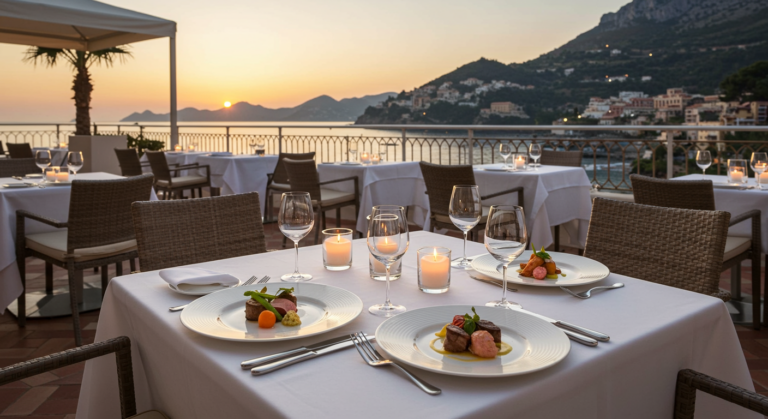
The single best food experience in Huez remains the simplest: a mountain restaurant reached on foot or by lift, a plate of tartiflette or raclette, and a glass of Apremont, taken on a terrace with the kind of view that makes the calorie count feel entirely justified. Timing a long lunch for a clear day, when the terraces fill and the pace slows to something closer to a Sunday than a Tuesday, is the whole point of coming here to eat rather than simply to ski.
Evenings are for fondue done properly – communal, unhurried, finished with génépi rather than coffee – and for seeking out the smaller, family-run places over anything built primarily for passing ski traffic. The food in Huez rewards patience and a willingness to eat exactly what the mountain has always eaten, which is, in the end, most of the appeal.
For more on getting around, where to stay and what else to do in the area, see the full Huez Travel Guide.
For those planning where to base themselves for all this eating and drinking, there are villas in Huez.
Huez Food and Wine FAQs
What is the local cheese used in Huez cooking?
Reblochon is the cheese most associated with the region and the key ingredient in tartiflette, alongside Beaufort and Abondance, which both feature heavily in fondue and raclette.
Is Huez expensive for eating out?
Prices sit higher than lowland France, as altitude and logistics add cost to everything from bread to wine, though mountain restaurants and market stalls generally offer better value than resort-centre dining.
What wine should I drink with Savoyard food in Huez?
A crisp Apremont or Chignin white complements fondue and raclette well, while a glass of Mondeuse red suits charcuterie and diots, both coming from the nearby Savoie vineyards.
Keep reading
More on Alpe d'Huez
Guides nearby in Auvergne-Rhône-Alpes
Where to stay
Villas in Alpe d'Huez
A selection from our 35 luxury villas in Alpe d'Huez.
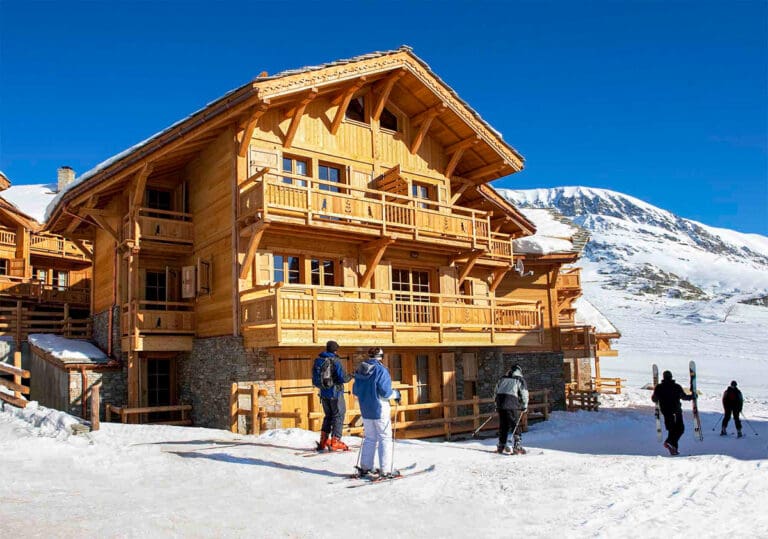 Rent Chalet Cascade France
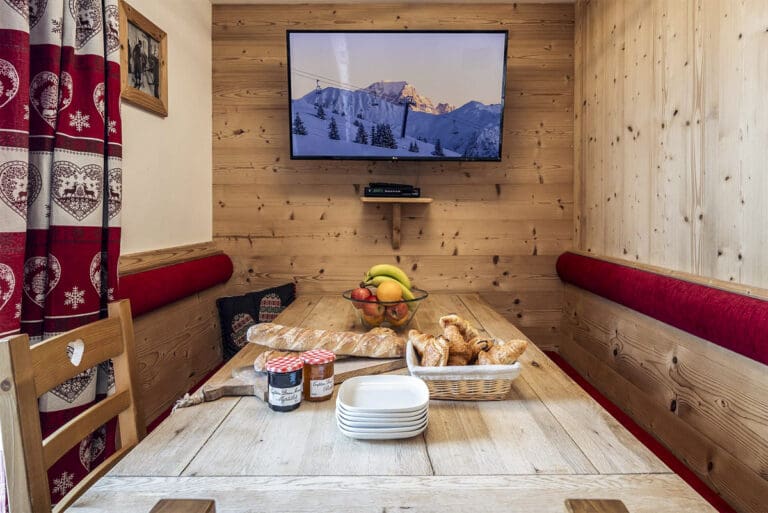 Rent Chalet Pauline France
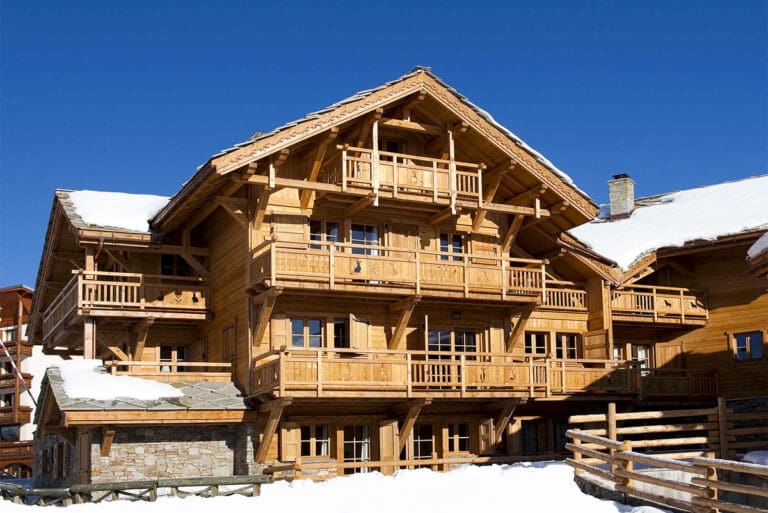 Chalet Latifa
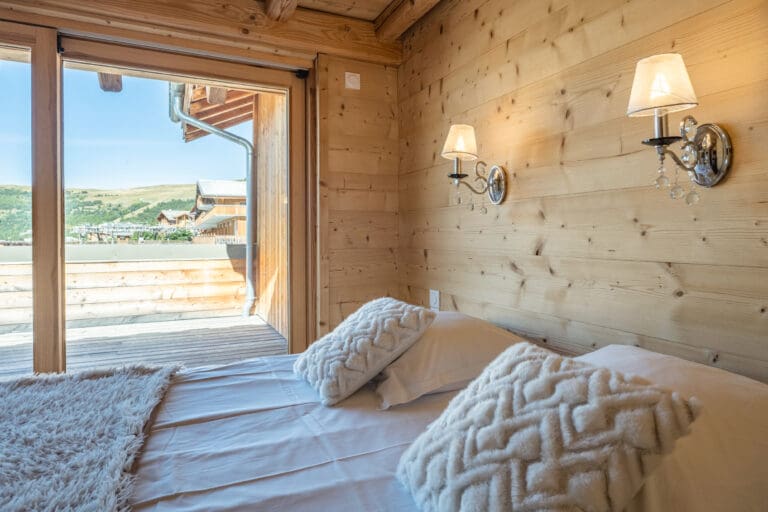 Rent Apartment Plein de vie France
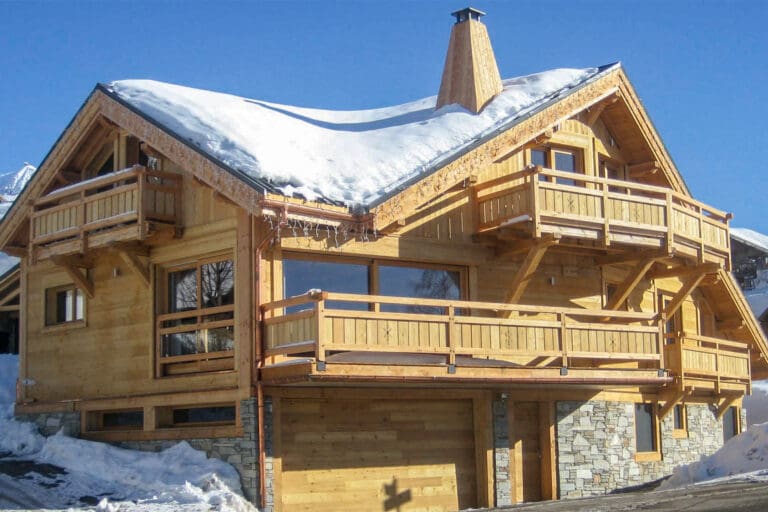 Rent Chalet Corinne France
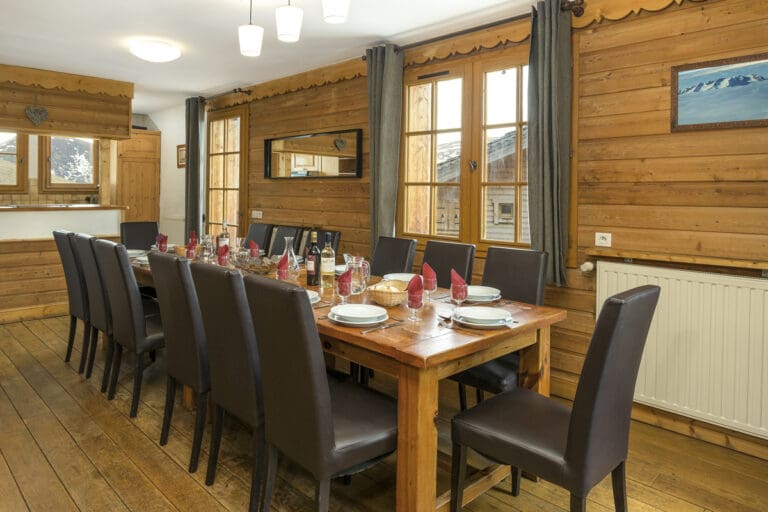 Chalet Hugo France
See all 35 villas in Alpe d'HuezVillas across Auvergne-Rhône-Alpes