Huez with Kids: Hairpin Bends, Alpine Lakes & Summer Luge
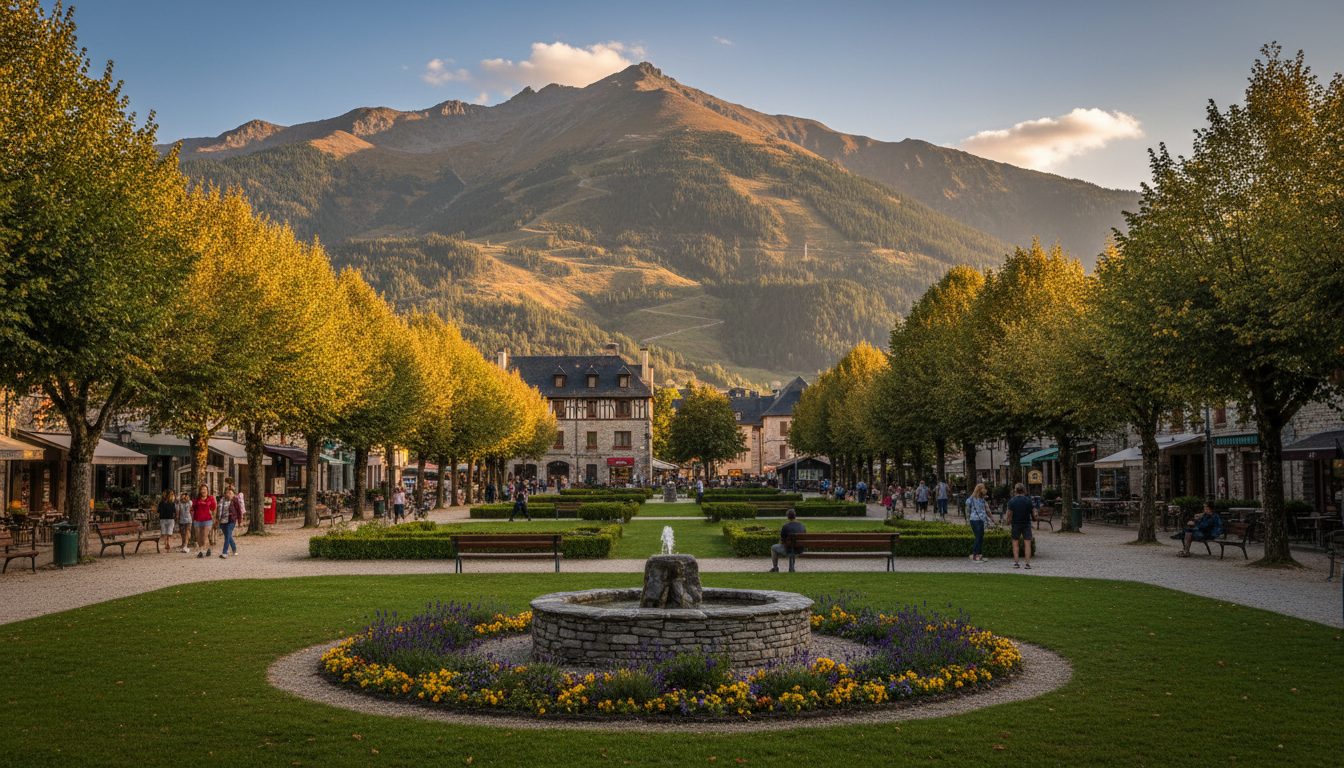
Huez, the old village beneath the ski resort of Alpe d’Huez, and the resort itself work well for families thanks to gentle nursery ski slopes, a summer luge run and alpine lakes within easy walking distance. The resort sits at 1,860 metres and is reached via the D211’s famous 21 hairpin bends, each plaque naming a Tour de France stage winner. Ski schools generally accept children from around age three, while summer brings mountain biking, hiking and watersports suited to most ages.
For years I assumed Huez was simply the unfinished first half of a longer word, the way some people think Baden-Baden is a stutter. It isn’t. Huez is the quiet original village, clinging to the hillside below the purpose-built resort that borrowed its name and added “Alpe” for drama. Most visitors never clock the distinction, which is rather the point: you get two different holidays for the price of one road. Our full Huez Travel Guide covers the wider area in more depth, but this one is strictly about what happens when you bring children along for the climb.
Does Huez Work Well for Families
Yes, broadly, and for reasons that have little to do with luck. Alpe d’Huez was built with families in mind from the start, which is unusual for a resort perched at this altitude – plenty of French ski towns feel like afterthoughts bolted onto a mountain, but this one was planned with nursery slopes, wide pistes and a village centre you can actually push a pram through, assuming the pram has good brakes and you don’t mind a gradient.
The village of Huez itself is smaller, slower and considerably less glamorous, which some families prefer precisely because there’s less to spend money on and more time spent simply looking at the view. The resort above has the infrastructure – ski schools, equipment hire, restaurants with high chairs – while the old village has the kind of unhurried charm that makes grandparents misty-eyed and teenagers faintly bored. Between the two, most age groups find something to do.
Things to Do in Huez with Kids
Winter here revolves around skiing, and sensibly so – the nursery slopes sit right at village level, meaning small children can be delivered to ski school without a single chairlift standing between breakfast and the first fall of the day. Snow parks, toboggan runs and gentle green runs cater to beginners, while older children graduate quickly to the resort’s genuinely large ski area, one of the biggest in the Alps, which teenagers tend to discover with alarming speed and considerably more confidence than their parents.
Summer is the quieter revelation. The mountain luge run – a sort of concrete bobsled track you steer yourself – is reliably the highlight of any child’s holiday, and parents’ nerves recover faster than expected. A short walk or drive brings you to Lac Besson and Lac Noir, two alpine lakes used for swimming, paddleboarding and picnicking, with water cold enough to produce the full repertoire of shrieking. Mountain biking trails, suitable for everything from gentle family loops to proper descents, and a network of marked walking paths round out the warmer months nicely.
Where to Eat in Huez with Kids
Family dining here follows a familiar Alpine formula: pizzerias with wood-fired ovens, self-service mountain restaurants where trays and chaos are expected, and crêperies serving the kind of buckwheat galettes that double as a reasonably balanced meal if you squint. Terraces are common and welcoming, built for ski boots and sun cream in roughly equal measure, and most places will produce a children’s menu without being asked twice.
What you won’t find is much in the way of formal, hushed dining rooms where a toddler’s opinion on the bread basket causes a diplomatic incident. This is a resort that has long accepted children as part of the furniture, which makes mealtimes considerably more relaxed than in grander Alpine villages that pretend otherwise.
Rainy Day Activities in Huez
Mountain weather does what it likes, and Alpe d’Huez has sensibly planned for the days when cloud sits in the valley like an uninvited guest. The resort’s aquatic centre, with pools and slides, absorbs restless energy efficiently, and indoor climbing walls give older children something vertical to conquer without the small matter of actual altitude. Cinemas and games arcades exist for the days when nobody, adult or child, can face another layer of waterproofing.
These options aren’t extensive – this is a mountain resort, not a theme park – but they’re enough to get a family through a wet afternoon without anyone reaching for the emergency sweets too early in the day.
Huez with Toddlers
Toddlers do well here in small, deliberate doses. Ski schools typically accept children from around three, often in dedicated nursery areas with their own gentle slopes and conveyor lifts rather than intimidating chairlifts. Altitude can affect very young children more than parents expect, so a slower first day or two, plenty of water and an early bedtime are worth building into the schedule rather than treating as an afterthought.
Huez with Juniors
This is arguably the resort’s sweet spot. Children aged roughly six to twelve have the run of a genuinely large ski area in winter, graduate quickly from nursery slopes to proper pistes, and in summer take to the luge run and lake swimming with an enthusiasm that borders on competitive. Bike trails of varying difficulty give slightly older juniors something to aim for without needing full downhill credentials.
Huez with Teens
Teenagers, predictably, want speed, and the resort’s extensive piste network and summer mountain biking trails deliver it. The lakes double as a social hub in summer, and the wider ski area’s size means teens can disappear for a full day of skiing without parents needing to track every run – a small mercy for everyone involved.
Getting Around Huez with Children
A car is genuinely useful, if only to negotiate the 21 hairpin bends with luggage and children in a single, uninterrupted sweep of nausea. Within the resort itself, however, things are far simpler: a free shuttle bus connects the main areas, and much of the village centre is walkable, snow permitting. Pushchairs cope reasonably well on cleared pavements in winter and considerably better in summer. The main cable car and chairlifts are generally pram-accessible with a little patience and a willingness to fold things awkwardly.
Best Time to Visit Huez with Kids
Winter, broadly December to April, is the obvious season, with school holiday weeks naturally busiest and priciest. Families after quieter slopes and shorter lift queues tend to favour January over the February school holidays, when the resort fills considerably. Summer, roughly July and August, offers the luge, lakes and biking at a gentler pace and noticeably lower cost, with long daylight hours that suit families trying to tire children out before bedtime – a universally appreciated parenting strategy.
Anyone working out where to base themselves for a family week can find villas in Huez to suit.
Huez Family Holiday FAQs
What age can children start skiing in Huez?
Most ski schools in the Alpe d’Huez area accept children from around three years old, usually in dedicated nursery groups with their own gentle slopes and conveyor lifts rather than chairlifts.
Is Huez suitable for non-skiing families?
Yes, particularly in summer, when the luge run, alpine lakes, walking trails and mountain biking give families plenty to do without any skiing involved at all.
How do you get up to Huez and Alpe d’Huez with children?
The resort is reached by road via the D211, a route of 21 numbered hairpin bends climbing from the valley floor, each marked with a plaque naming a past Tour de France stage winner.
Keep reading
More on Alpe d'Huez
Guides nearby in Auvergne-Rhône-Alpes
Where to stay
Villas in Alpe d'Huez
A selection from our 35 luxury villas in Alpe d'Huez.
 Chalet Honeycrisp France
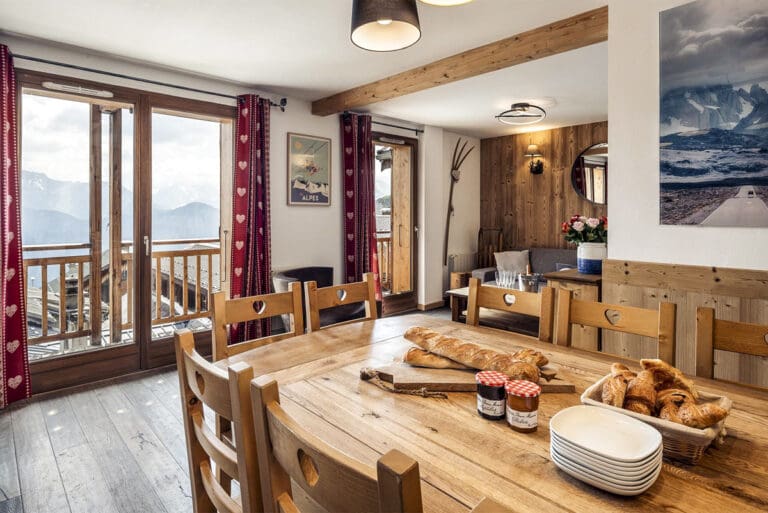 Rent Chalet Guillemette France
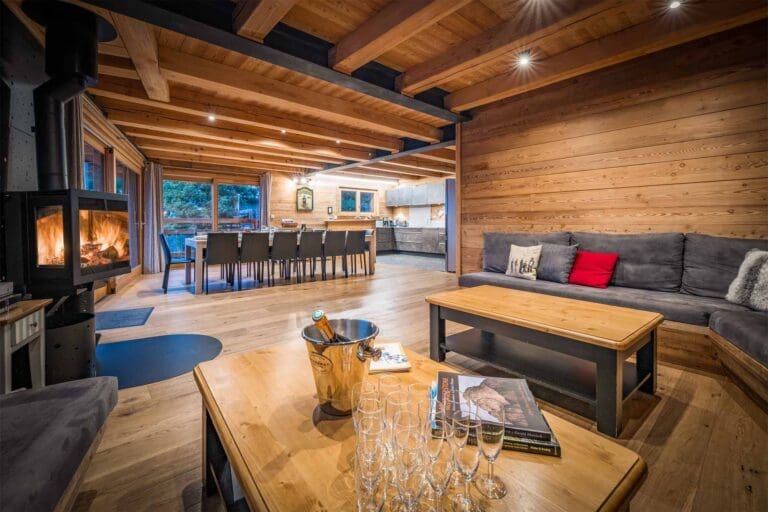 Chalet Lambourne France
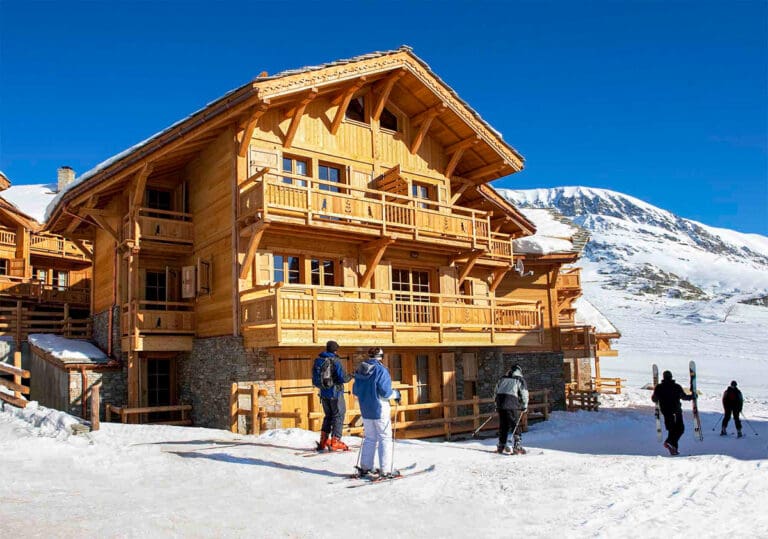 Rent Chalet Cascade France
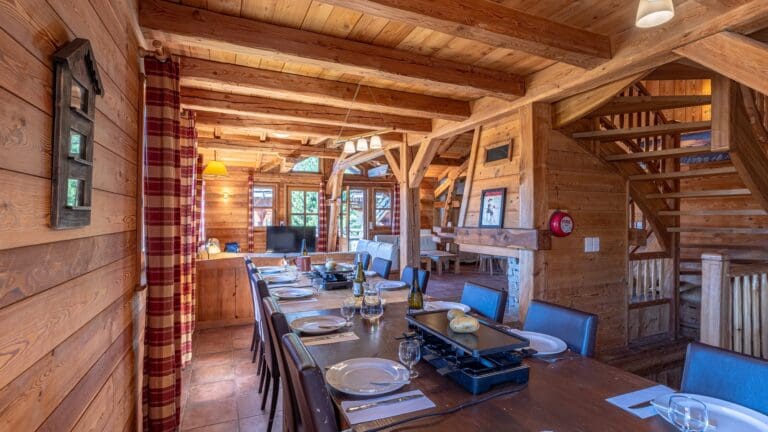 Chalet Emilie
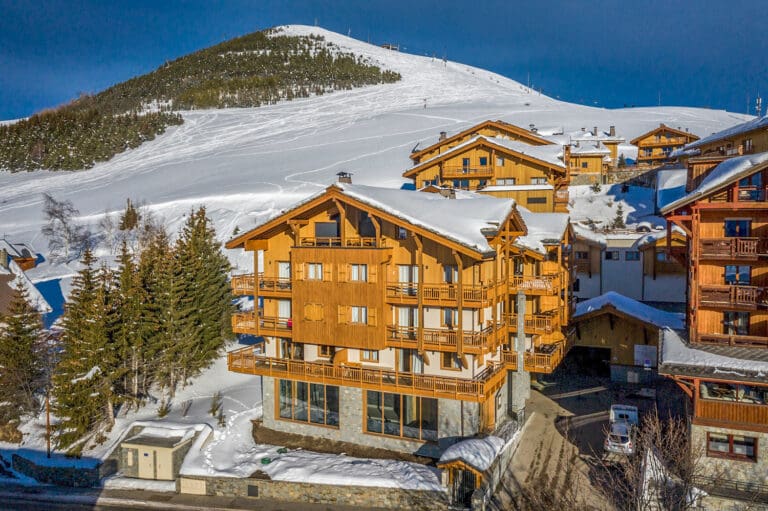 Apartment Outaris
See all 35 villas in Alpe d'HuezVillas across Auvergne-Rhône-Alpes