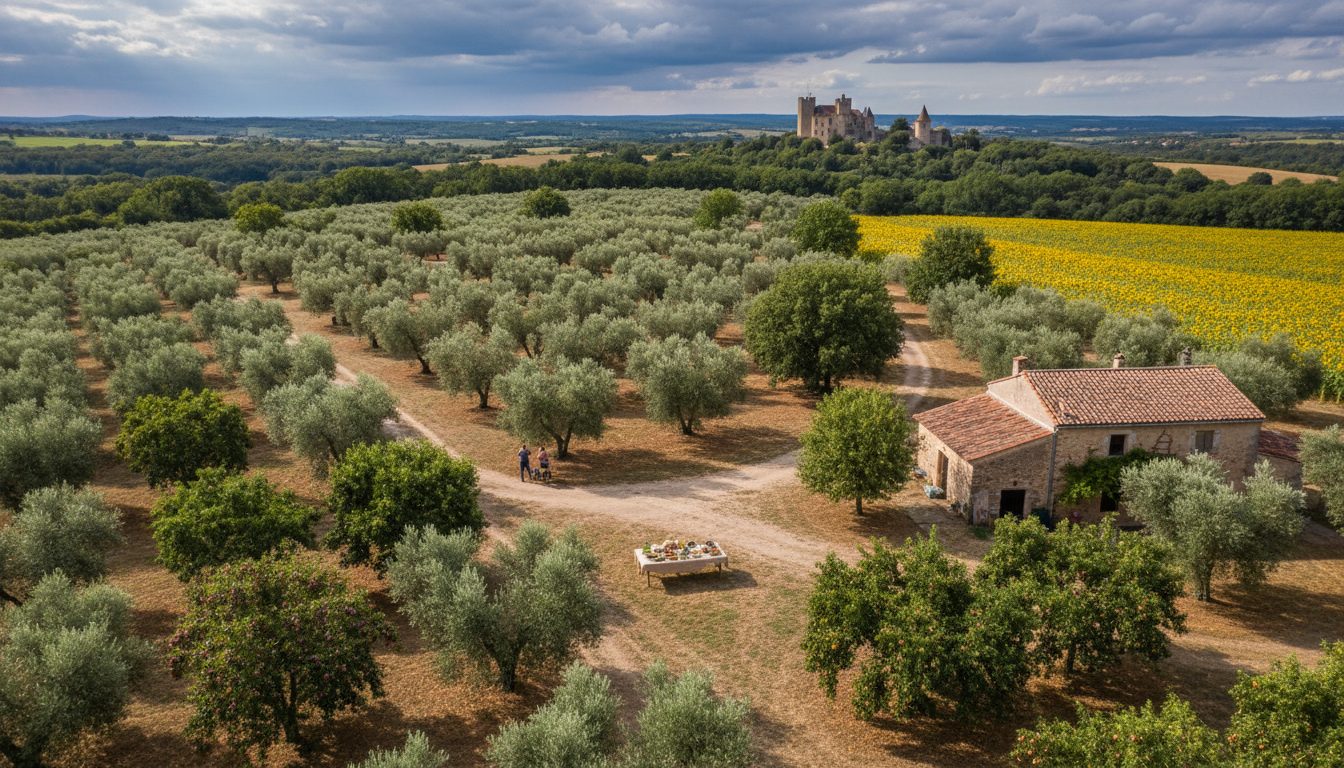
Lot-et-Garonne Food & Wine: Agen Prunes, Duras Wine & Armagnac
Lot-et-Garonne’s cuisine is built on Gascon-style Southwest French cooking, with Agen prunes, Marmande tomatoes, duck and goose dishes, and the wines of Buzet and Côtes de Duras as its backbone. Autumn brings black truffles to the markets, while Saturday markets in towns such as Villeneuve-sur-Lot and Nérac sell the region’s produce fresh and unfussed. Cooking classes and wine estate visits are easy to arrange throughout the department.
Plenty of regions in France will sell you a wine, a cheese and a story about tradition and call it gastronomy. Lot-et-Garonne has something slightly rarer: a produce list so specific that half of it carries the department’s name on the label whether it likes it or not. There is no mistaking a pruneau d’Agen for anything else, no confusing a Marmande tomato with the uniform red orbs stacked in supermarkets elsewhere. This is a region that cooks with what grows in its own soil, and mostly it still can’t quite believe its luck that the rest of the world caught on.
Lot-et-Garonne Cuisine: Gascon Roots and Honest Cooking
The food here sits firmly in the Gascon tradition that spreads across France’s southwest – duck fat rather than butter, garlic treated as a vegetable in its own right, and a general suspicion of anything described as “light.” Foie gras, confit de canard and magret appear on menus with a regularity that will either delight or alarm you, depending on your constitution. Garlic soup (tourin) turns up in farmhouse kitchens as a hangover cure, a starter and sometimes breakfast, all at once if the occasion demands it.
What sets Lot-et-Garonne apart from its Gascon neighbours is the fruit and vegetable growing that runs alongside the duck. This is intensive market-gardening country – the Garonne and Lot valleys are some of the most fertile land in France – so meals here lean more heavily on vegetables, fruit and salads than the rich southwest stereotype suggests. It is, in effect, duck country with a conscience.
Lot-et-Garonne Signature Dishes
Confit de canard remains the dish visitors come looking for, and rightly so – duck leg slow-cooked in its own fat until the skin turns to something between crackling and confession. Foie gras appears both as a terrine starter and folded into sauces, and will be offered to you more often than you expect, including at breakfast-adjacent hours in some farmhouse restaurants.
Tourin, the garlic and onion soup thickened with egg yolk, is a genuine local staple rather than a tourist-menu fossil. Marmande tomatoes – meaty, ridged, deeply flavoured – show up simply sliced with little more than oil and salt, because nobody with any sense improves on them. Pruneaux d’Agen, the region’s famous prunes, find their way into savoury dishes as often as sweet ones: wrapped in bacon, stewed alongside pork, or tucked into a rabbit stew where their sweetness cuts through the richness rather neatly.
Lot-et-Garonne Wine: Duras, Buzet and the Côtes du Marmandais
Wine in Lot-et-Garonne tends to live in the shadow of Bordeaux, which sits directly to the west and casts a long one. That’s a shame, because the three main appellations here – Côtes de Duras, Buzet and Côtes du Marmandais – produce wines with genuine character and considerably friendlier prices.
Côtes de Duras, grown on the hills around the town of Duras, is worth seeking out particularly for its whites – crisp, citrus-driven blends of sauvignon blanc and sémillon that share Bordeaux’s grape varieties without Bordeaux’s reputation for charging accordingly. Buzet, further south along the Garonne, is known for sturdy reds built on merlot and cabernet, aged in oak from the nearby Landes forest – a nice closed loop of local materials. Côtes du Marmandais, around Marmande, rounds out the trio with lighter, fruitier reds and a small amount of rosé, often overlooked and often rather good for it.
Wine Estates to Visit in Lot-et-Garonne
Most producers here are small, family-run affairs rather than grand châteaux with gift shops and gravel driveways, which is part of the appeal. Many welcome visitors for tastings with little more formality than a knock on the cellar door and a willingness to talk about soil types for longer than strictly necessary.
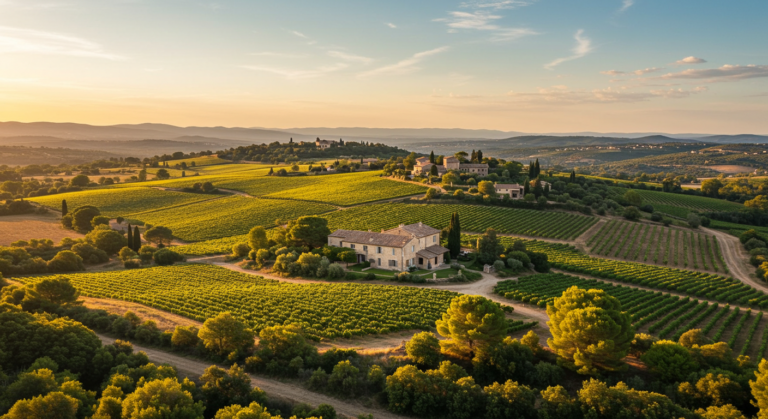
Around Duras, hillside estates offer views across vineyards toward the medieval château that gives the appellation its name – a useful landmark if you get lost among the vine rows, which you will. Near Buzet, the local cooperative cellar has long played an outsized role in the appellation’s wines, pooling resources from smaller growers who couldn’t otherwise afford the oak barrels their reds depend on. Visiting during harvest, from September into October, adds the theatre of actual work being done around you, rather than wine tourism performed for an audience.
Lot-et-Garonne Food Markets
The market remains the best single way to understand what this department eats, and nearly every town of any size runs one at least weekly. Villeneuve-sur-Lot’s Saturday market is among the largest and liveliest, spreading through the old town with stalls of cheese, charcuterie, seasonal vegetables and the inevitable prunes in every form imaginable – plain, in armagnac, coated in chocolate, stuffed with foie gras for reasons that only become clear after your third tasting.
Smaller bastide towns hold their own weekly markets too, usually built around a central square ringed by arcades, which is a sensible design feature in a region that takes its summer heat seriously. Nérac’s market is a pleasant, smaller-scale affair worth timing a visit around, and Marmande – unsurprisingly, given its tomato fame – holds markets that lean heavily into produce in late summer, when the tomatoes arrive by the crate rather than the punnet.
Cooking Classes in Lot-et-Garonne
Cooking classes here tend toward the unpretentious: farmhouse kitchens teaching confit technique, market visits followed by a few hours at the stove, or sessions built entirely around Gascon classics like cassoulet and tourin. Many are run by small producers themselves rather than professional culinary schools, which means you’re as likely to learn something about duck husbandry as sauce reduction.
These classes work particularly well as a half-day activity paired with a market visit earlier the same morning – buy the ingredients yourself, then spend the afternoon learning what to do with them. It’s a more honest education in Lot-et-Garonne cooking than any restaurant tasting menu, however good, because nobody is trying to impress you. They’re just trying to get the confit right.
Seasonal Specialities in Lot-et-Garonne: Prunes, Truffles and Melons
Pruneaux d’Agen dominate late summer, when the plum harvest (late July into August) gets dried into the prunes that have carried the Agen name around the world for centuries – somewhat ironically, since very few are now actually dried within the town itself, the production having spread across the wider department. Either way, August is prune season, and the markets know it.
Black truffles appear from December through February, when small weekend truffle markets pop up around the department’s rural towns – modest affairs by comparison with the famous markets further east, but genuine, and considerably easier to actually buy something at without an auctioneer’s paddle. Melons, grown around Villeneuve-sur-Lot, have their moment from June into August, and Marmande’s tomatoes run alongside them through the same stretch of summer. This is not a region that does seafood – it sits well inland, and what fish appears on menus tends to be river fish from the Lot and Garonne rather than anything from the coast, which is a three-hour drive away at best.
Best Food Experiences in Lot-et-Garonne
If time only allows for a handful of food experiences, prioritise a Saturday market in Villeneuve-sur-Lot, an afternoon tasting at a small Duras or Buzet producer, and a farmhouse meal built around confit and a bottle of something local rather than imported. Add a winter truffle market if your dates align with the season, and a cooking class if you want to take some of it home with you, in skill rather than luggage.
None of this requires much planning or expense – which is, in its own quiet way, Lot-et-Garonne’s whole appeal. It doesn’t perform food tourism the way some regions do. It just keeps growing extraordinary tomatoes and drying extraordinary prunes, largely indifferent to whether anyone’s watching. For a wider view of the department beyond the table, the Lot-et-Garonne Travel Guide covers the rest.
For somewhere to base a trip built around all this eating and drinking, see villas in Lot-et-Garonne.
Lot-et-Garonne Food and Wine FAQs
What is Lot-et-Garonne known for food-wise?
Lot-et-Garonne is best known for Agen prunes, Marmande tomatoes, duck and foie gras dishes typical of Gascon cooking, and the wines of Duras, Buzet and the Côtes du Marmandais.
When is truffle season in Lot-et-Garonne?
Black truffle season in the department runs roughly from December through February, with small weekend truffle markets appearing in rural towns during these winter months.
Can you visit wine estates in Lot-et-Garonne without booking ahead?
Many small, family-run estates around Duras and Buzet accept casual visitors, though calling or emailing ahead is sensible, particularly during harvest season in September and October when producers are busiest.
Keep reading
More on Lot-et-Garonne
- Travel guideLot-et-Garonne Travel Guide
- RestaurantsBest Restaurants in Lot-et-Garonne
- FamiliesLot-et-Garonne with Kids
Guides nearby in Nouvelle-Aquitaine
Where to stay
Villas in Lot-et-Garonne
A selection from our 50 luxury villas in Lot-et-Garonne.