Lot-et-Garonne with Kids: Bastides, Plums & River Towns
Lot-et-Garonne is a family-friendly region of southwest France with gentle rivers for canoeing and swimming, fortified bastide towns to explore on foot, and a slower pace than the coast or the Dordogne proper. It suits families with children of any age, particularly those who want outdoor activity without crowds, and it works well as a self-drive holiday from spring through early autumn.
There is a particular hour, mid-morning on a market day in one of the bastide towns, when the whole operation seems designed for children without anyone quite admitting it. A boy of about six is working his way through a wedge of melon with the single-minded dedication of a Victorian engineer. His sister has found a stall selling nothing but prunes – whole, stuffed, soaked in armagnac, turned into something resembling fudge – and is sampling her way along it with the confidence of a sommelier half her age. Nobody hurries them. Nobody hurries anyone. This, roughly, is what a family holiday in Lot-et-Garonne feels like: unhurried, a little sticky, and better than you expected.
Is Lot-et-Garonne Good for Families?
Lot-et-Garonne with kids works because almost nothing here requires a reservation, a queue, or a plan drawn up six months in advance. The department sits inland between the Dordogne and the Gers, threaded by three rivers – the Lot, the Garonne and the Dordogne clips its northern edge – and dotted with bastide towns whose arcaded squares were built for exactly the kind of aimless wandering that keeps small children from asking “are we nearly there” every four minutes. There are no theme parks of international renown, no coastline, and that is rather the point: this is a region that rewards families happy to make their own entertainment from rivers, markets and long lunches, rather than ones hoping for queue-jump passes and mascots in foam suits.
It helps enormously that the French take children in restaurants and public life as a given rather than an inconvenience, so there is none of the low-level anxiety that can accompany eating out with toddlers elsewhere. Distances between towns are modest – nothing in the department takes much more than forty minutes to reach by car – which matters more than people admit when travelling with small bladders and shorter tempers. For a fuller sense of the region beyond the family angle, the Lot-et-Garonne Travel Guide covers the wider picture.
Best Family Beaches and Activities in Lot-et-Garonne
Lot-et-Garonne is landlocked, so “beach” here means riverside rather than seaside, and it is better for it: no tides, no salt in the eyes, and water generally warm enough by July that children will refuse to leave it. Several villages along the Lot and the Garonne maintain supervised bathing areas in summer, with roped-off sections, sandy or grassy banks, and lifeguards on duty during peak season – worth checking locally, since supervision only runs in July and August.
Canoeing is the department’s great family activity, and rightly so. Outfits along the Lot river rent canoes and kayaks by the hour or the half-day, with routes gentle enough for children from about six upwards, and pick-up points that mean you are not obliged to paddle back upstream against the current (a design flaw in family holidays that canoe operators here have thoughtfully engineered out). For younger children, riverside parks with shallow paddling areas and picnic tables offer the same cooling-off effect with considerably less risk of a capsized seven-year-old. Cycling along the old towpaths and quiet departmental roads is another easy win, flat enough for family groups and scenic enough that nobody minds the extra kilometre to the next ice cream stop.
Child-Friendly Restaurants in Lot-et-Garonne
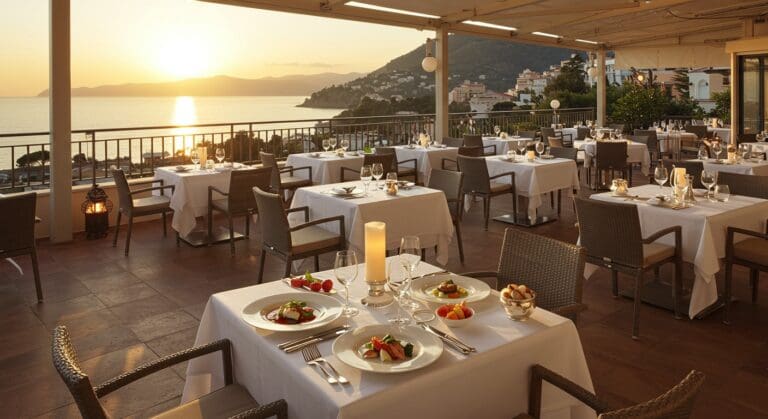
You will not struggle to feed children well here, though you should adjust your expectations of what “children’s menu” means: it is less likely to be chicken nuggets and more likely to be a smaller portion of whatever the adults are having, which is either a delight or a minor crisis depending on how adventurous your eight-year-old feels that day. Village bistros and bastide square cafés generally welcome children without fuss, terraces are plentiful, and service is relaxed enough that nobody will mind a certain amount of under-table crawling during the main course.
Markets double as the most reliable child-friendly meal of the day: a baguette, a round of local cheese, a punnet of strawberries and something plum-based for pudding, assembled for a few euros and eaten on a riverbank or bastide bench. Farm shops and roadside stalls selling melons, tomatoes and the famous Agen prunes are everywhere in summer, and most are entirely unbothered by sticky fingers browsing the produce. For a formal dinner, book ahead and aim for an early sitting – French dinner service often starts later than small children can comfortably manage, so 7pm rather than 8.30pm will save everyone a meltdown.
Family Attractions in Lot-et-Garonne
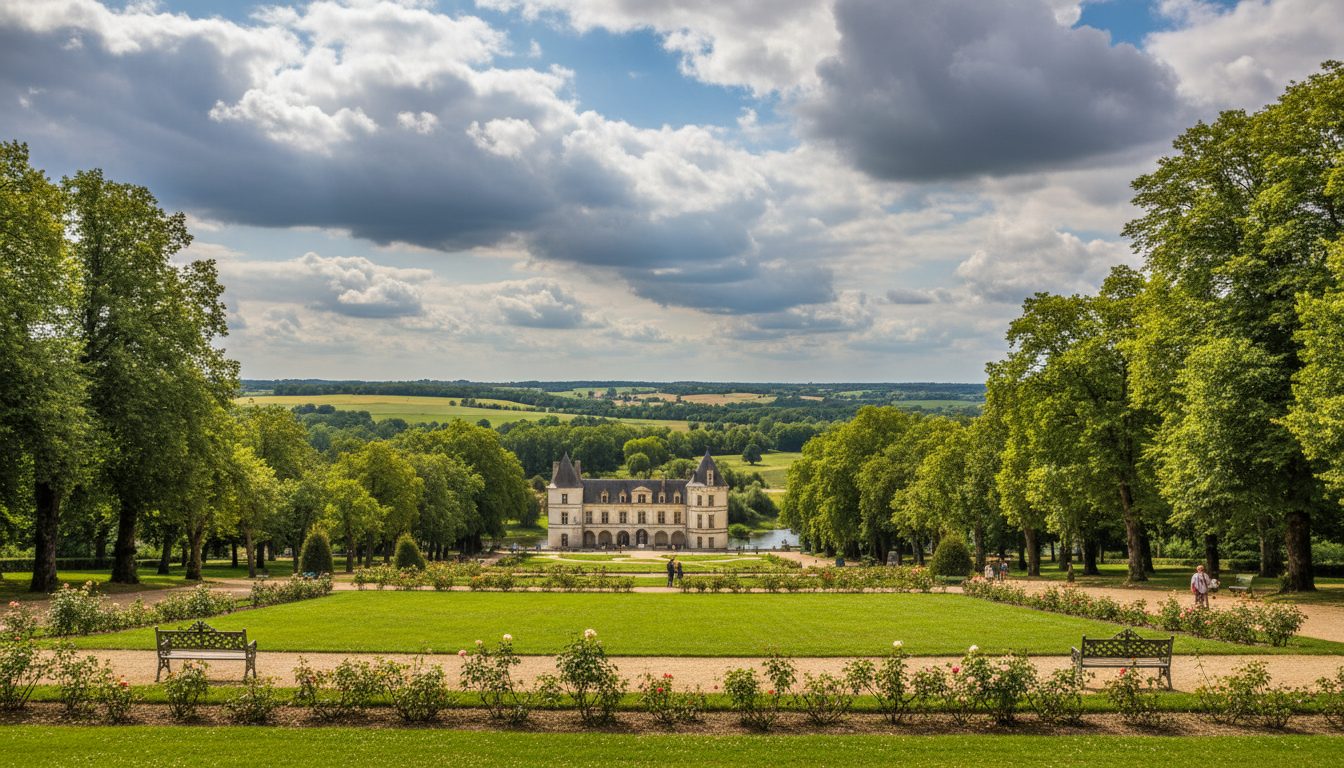
The bastide towns themselves are the main attraction, and they are more engaging for children than the words “medieval fortified town” might suggest. Covered market halls, narrow lanes built for defence rather than straight lines, and the occasional turret to climb give even reluctant small walkers something to investigate. Several chateaux across the department open their grounds and sometimes interiors to visitors, with gardens large enough for children to run off excess energy while adults inspect the architecture at a more sedate pace.
Farm visits are common and genuinely popular with younger children – working farms offering animal encounters, fruit picking in season, and the sort of unglamorous barnyard smells that children find endlessly more interesting than adults do. Local tourist offices keep up-to-date lists of which farms and chateaux are open to visitors on a given week, since opening patterns shift with the season, and it is worth a quick call ahead rather than arriving to a locked gate.
Rainy-Day Activities in Lot-et-Garonne
Rain in southwest France tends to arrive as a dramatic event rather than a drizzle, and when it does, the region’s covered markets become unexpectedly good entertainment – watching stallholders bellow prices over the sound of rain on a tin roof has its own theatre. Indoor leisure centres with swimming pools exist in the larger towns, useful for burning off energy without getting anyone actually wet from the sky.
Museums dedicated to local history, prune production and traditional crafts are mild but genuine diversions for an hour or two, particularly for juniors old enough to ask questions rather than simply touch everything. Failing all else, a long lunch in a covered market hall, with children colouring on the paper tablecloth while adults wait out the weather over coffee, is not a bad way to lose an afternoon. It rarely rains for more than a day at a time here in summer, so patience is usually rewarded by evening.
Lot-et-Garonne with Kids by Age: Toddlers, Juniors and Teens
Different ages get different things from this region, and it is worth planning around your children’s actual stage rather than an idealised version of them.
Toddlers in Lot-et-Garonne
Toddlers do well here largely because nobody expects much of them. Shallow riverside paddling spots, shaded market squares for pram-pushing, and restaurants entirely unfazed by a toddler having opinions about cutlery all help. Pack sun hats and more spare clothes than feels reasonable – rivers and melon juice are not forgiving of good intentions.
Juniors (6-12) in Lot-et-Garonne
This is arguably the department’s sweet spot age group. Old enough to canoe, cycle short distances and climb bastide ramparts unassisted, young enough to find farm animals and covered markets genuinely thrilling rather than beneath them. Build in regular water breaks and they will ask for very little else.
Teens in Lot-et-Garonne
Teenagers need more convincing than younger siblings, and the region’s quieter pleasures can be a harder sell. Longer canoe routes, cycling further afield, and the odd chateau with a genuinely good story (sieges, scandal, the occasional ghost) tend to win them over. A day trip to a livelier town with more shops and cafés helps break up the rural calm if restlessness sets in.
Getting Around Lot-et-Garonne with Children
A car is close to essential in Lot-et-Garonne – public transport between the smaller bastide towns is limited and not built around family schedules. Hire a car with a few extra inches of boot space for the inevitable accumulation of pool floats, canoe kit and market produce, and fit child seats before you arrive if travelling by air, since availability from local hire firms can be inconsistent in peak season.
Roads are quiet and well maintained, distances short, and the driving itself relatively stress-free compared with busier parts of France. Satellite navigation can struggle with some of the smaller lanes between villages, so a paper map as backup is not the eccentric suggestion it once was. Factor in regular stops – this is a region built for lingering, and trying to rush between attractions rather defeats the purpose of coming here at all.
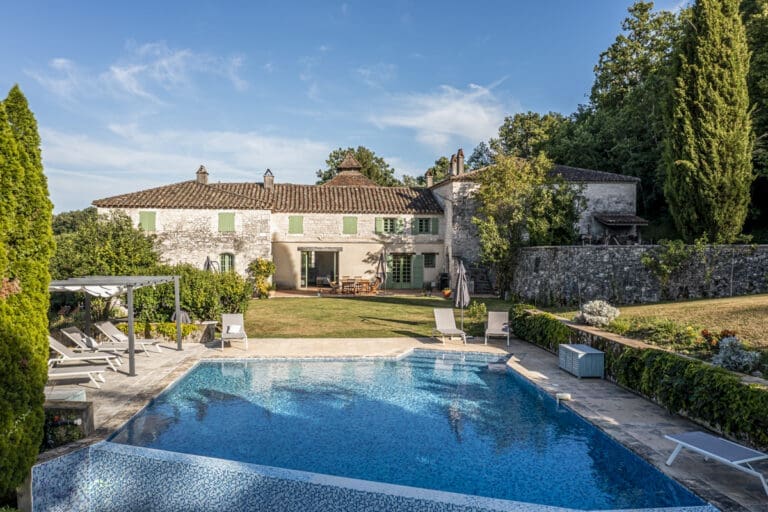
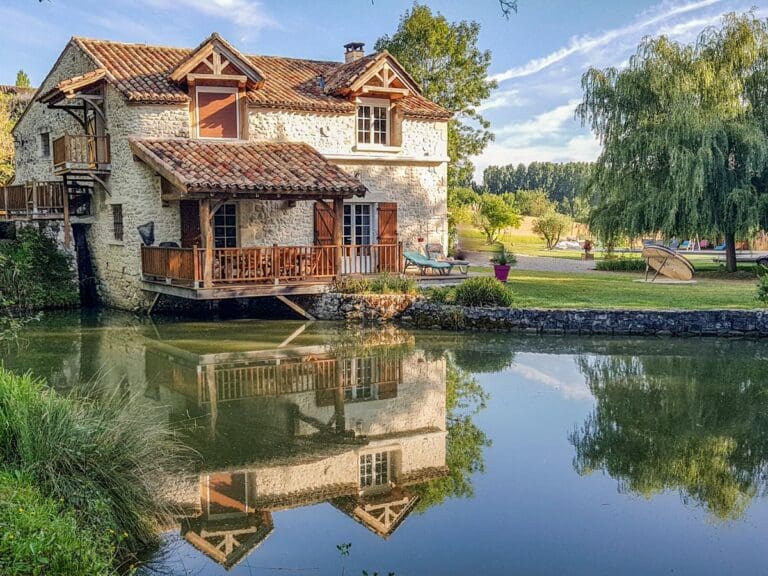
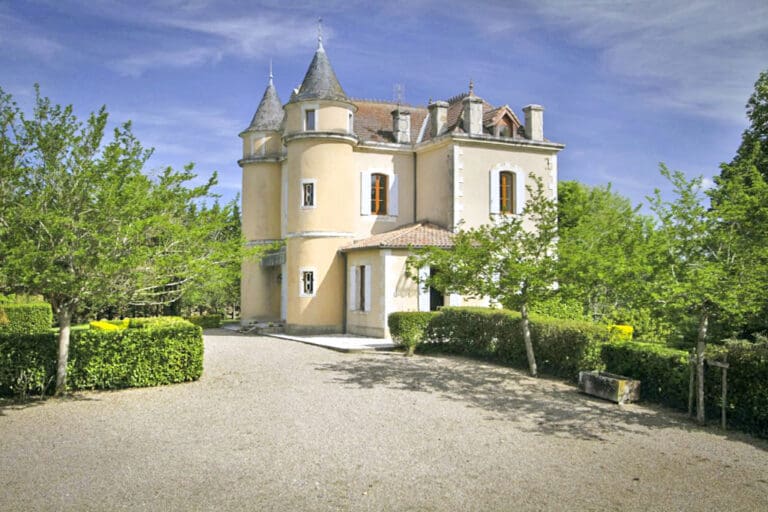
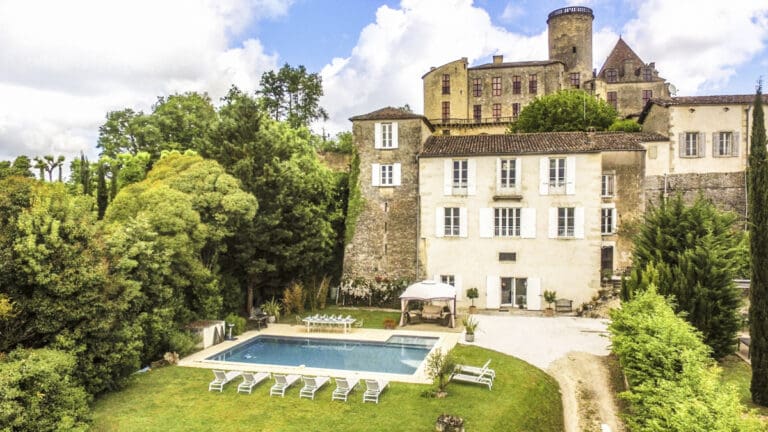
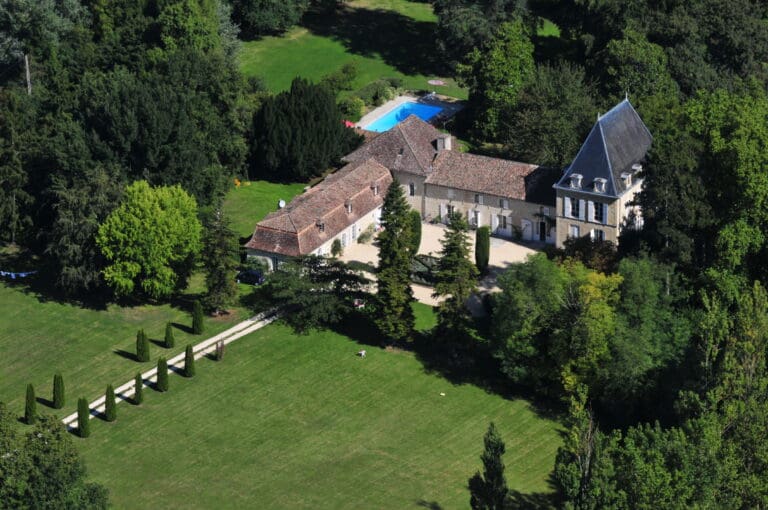
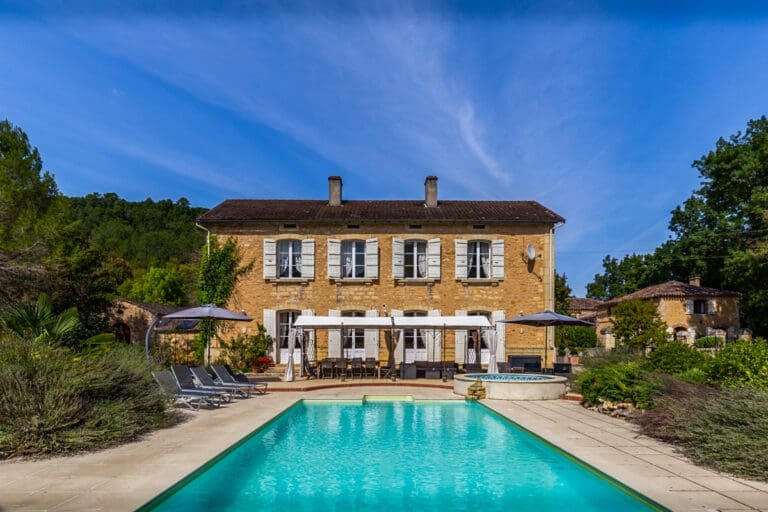
For families deciding where to base themselves, there is a well-chosen selection of villas in Lot-et-Garonne.
Lot-et-Garonne Family Holiday FAQs
Is Lot-et-Garonne suitable for families with young children?
Yes. The region’s slower pace, shallow river swimming spots, and relaxed attitude towards children in restaurants and public spaces make it comfortable for families with toddlers and young children, though note it has no sea coast.
What is the best time of year to visit Lot-et-Garonne with kids?
Late May through September gives the most reliable weather for river swimming, canoeing and outdoor markets, with July and August offering supervised river bathing but also the busiest roads and highest temperatures. Late spring and early autumn are quieter and milder, better suited to cycling and sightseeing than swimming.
Do children need to speak French while visiting Lot-et-Garonne?
No, though a few basic phrases help, particularly in smaller villages where English is less common than in larger French tourist destinations. Markets and casual restaurants are generally patient with visitors managing in limited French, and pointing works perfectly well for most transactions.
Keep reading
More on Lot-et-Garonne
- Travel guideLot-et-Garonne Travel Guide
- RestaurantsBest Restaurants in Lot-et-Garonne
- Food & wineLot-et-Garonne Food & Wine
Guides nearby in Nouvelle-Aquitaine
Where to stay
Villas in Lot-et-Garonne
A selection from our 50 luxury villas in Lot-et-Garonne.