Sintra Food & Wine: Travesseiros, Queijadas & Colares Wine
Sintra’s food centres on two famous pastries, the travesseiro and the queijada de Sintra, alongside hearty Portuguese cooking and Atlantic seafood from its coastal parishes. The wine of note is Colares, grown on ungrafted vines planted directly in coastal sand dunes – one of the rarest wine styles left in Europe. Markets, bakeries and a handful of historic cellars make up most of the genuine food and wine experiences here, rather than a formal fine-dining scene.
It is nine in the morning and the fog hasn’t yet burned off the hills, which is exactly how the locals like it, because it means the tourist coaches are still stuck on the motorway from Lisbon. You find a bakery with its ovens already going, order something warm wrapped in paper, and eat it standing at the counter while an old man argues cheerfully with the woman behind the till about nothing in particular. By lunch you’ll be inland, at a long table under a trellis, eating food that owes nothing to trend and everything to tradition. By evening, if you’ve planned well, you’ll be holding a glass of something pale and faintly saline that grew in sand within sight of the sea. This is Sintra food and wine in a day – unglamorous in the best sense, and all the better for it.
Sintra Cuisine: What the Region Actually Eats
Sintra sits in an odd and useful position – close enough to Lisbon to share its seafood and its taste for good olive oil, but tucked into hills and forest that have always kept it slightly apart, gastronomically as well as geographically. The cooking here is Portuguese home cooking rather than anything invented for visitors: bacalhau in its many forms, roasted meats, bean and vegetable stews, and soups that taste better than their humble ingredients suggest they should. Caldo verde, the pale green kale soup with a slick of olive oil and a slice of chouriço, turns up on menus with a regularity that borders on the religious.
What sets Sintra apart is its pastry tradition, which is genuinely its own. The Moorish and monastic influences that shaped so much of Portuguese sweet-making left a particular mark here, and the town has guarded its two signature pastries with something close to civic pride. Expect simple, unfussy restaurants rather than elaborate plating – this is not a region that goes in for foam.
Sintra Food: Signature Dishes You Must Try
Start with the travesseiro, a crisp pastry parcel filled with almond and egg cream, served warm and dusted with sugar, best eaten within minutes of purchase and slightly too hot to hold comfortably – which is part of the charm. The queijada de Sintra is older still, a small tart of cheese, sugar, cinnamon and egg baked in a crisp shell, and locals will tell you, with a straight face, that the recipe has barely changed since medieval nuns first made it. Believe them or don’t; it tastes good either way.
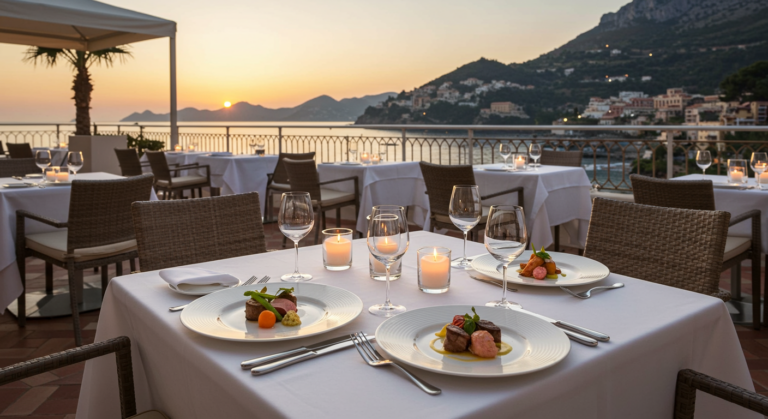
Beyond the pastries, look for bacalhau à Brás (shredded salt cod with egg and matchstick potato), arroz de marisco (a loose, saffron-tinted seafood rice best eaten with bread to mop the bowl), and grilled fish brought up from the coastal towns within the Sintra municipality. Game dishes, particularly wild boar and rabbit, show up on autumn menus and reflect the forested hills surrounding the town rather than any coastal influence.
Sintra Wine: The Colares Vineyards and Their Sand-Planted Vines
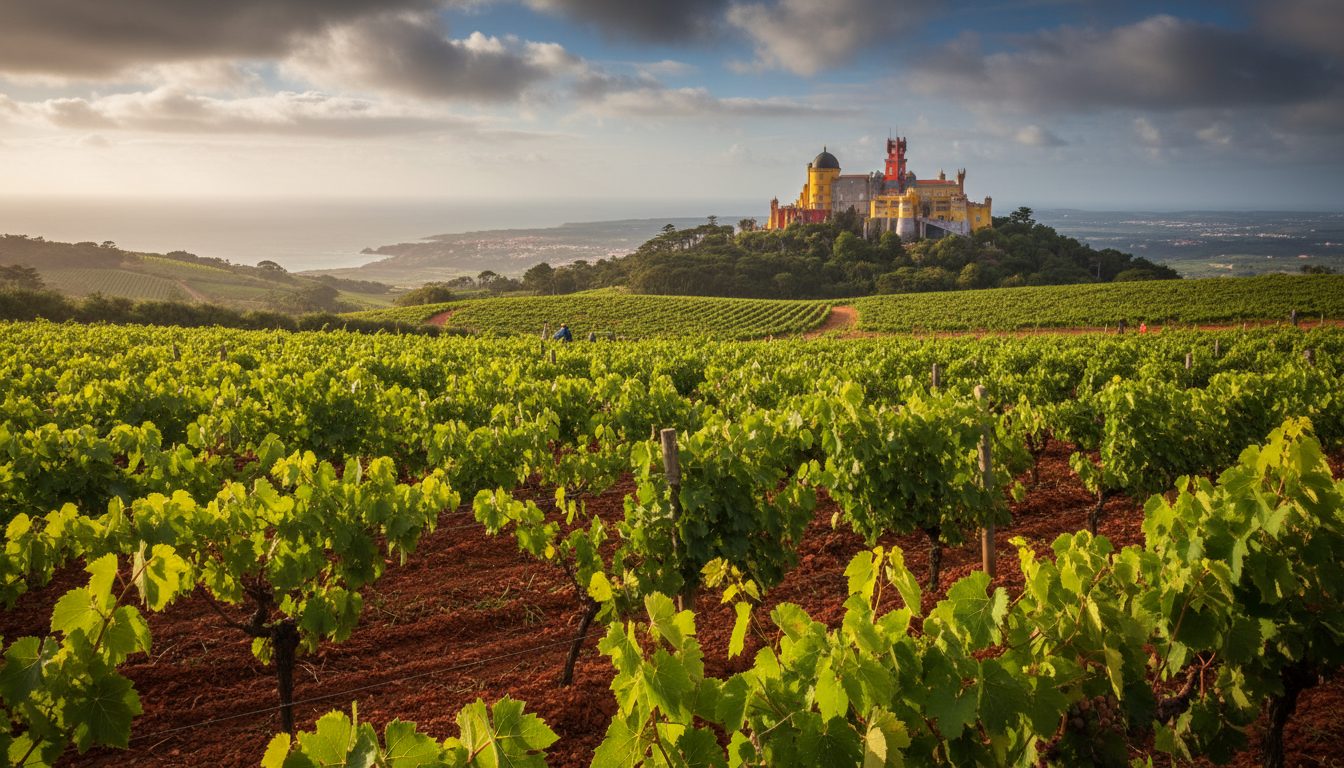
If there is one thing serious wine people come to this part of Portugal for, it is Colares, a small and genuinely strange wine region on Sintra’s western fringe, where vines grow not in soil but in deep coastal sand, their roots pushed down several metres to reach clay below. The sand did something remarkable in the late nineteenth century: it kept out the phylloxera louse that devastated vineyards across Europe, meaning some Colares vines are ungrafted originals, a rarity almost nowhere else survives. The result is the Ramisco grape, making tannic, saline reds that need patience, and Malvasia, producing crisp, mineral whites shaped unmistakably by their proximity to the Atlantic.
Production is tiny, and that is the honest caveat here: Colares will never supply a supermarket shelf, and bottles can be hard to track down even within Portugal. Treat finding one as part of the pleasure rather than a given.
Wine Estates Near Sintra: Where to Taste Colares
The historic heart of Colares winemaking is a cooperative cellar near the coast, where small growers have long pooled their sand-grown grapes, and visitors can arrange tastings that explain, far better than any tasting note, why these wines taste the way they do – briny, old-fashioned, faintly stubborn. A handful of smaller independent producers have revived old plots in recent years, working in cellars dug into the dunes themselves, and some offer tastings by appointment rather than casual walk-ins, so calling ahead is sensible rather than optional.
Don’t expect polished visitor centres or tasting rooms with views curated for Instagram. Colares wine tourism is modest, slightly dusty, and entirely unbothered by fashion – which, depending on your temperament, is either disappointing or the entire point.
Sintra Food Markets: Shopping Like a Local
The biweekly Feira de São Pedro, held in the parish of São Pedro de Sintra, is the best way to see what the region actually eats and cooks with, rather than what it serves tourists. Stalls sell local cheeses, cured meats, honey, olives and seasonal fruit and vegetables alongside secondhand goods and household bric-a-brac, in the unbothered jumble typical of Portuguese market towns. It is not curated for visitors, which is exactly why it is worth the trip – arrive early, before the heat and the crowds, and bring cash.
Smaller daily grocers and bakeries throughout the historic centre sell travesseiros and queijadas fresh through the morning, and it is worth noting that the queue outside the most famous bakery in town is less a tourist trap than a genuine local habit – residents queue too, out of loyalty rather than curiosity.
Cooking Classes in Sintra
Formal cooking schools are thinner on the ground here than in, say, Tuscany or Provence, but small-group classes focused on Portuguese home cooking – bacalhau preparation, pastry-making, and regional soups – can be arranged through local guides and culinary tour operators based in the wider Lisbon area, with Sintra itself as a day excursion. These tend to be hands-on and informal rather than polished productions, often held in family kitchens or small culinary studios, and are better suited to travellers who want to understand technique than those expecting a slick cooking-show experience. Booking ahead, particularly in high season, is sensible given how few operators run them.
Seasonal Food in Sintra: What to Eat and When
Spring and early summer bring the best seafood, as the Atlantic coast around Sintra’s parishes delivers fresh sardines, clams and bream to local grills. Autumn turns the menu towards game and heartier stews, with wild boar and rabbit appearing as the forested hills cool down. Olive oil production in the wider region peaks with the autumn harvest, and some smaller producers sell directly from farm gates, though this is a modest cottage industry rather than a major tourist circuit. Truffles, despite occasionally appearing on restaurant menus, are not genuinely native to Sintra and are typically brought in from other Portuguese regions – worth knowing if authenticity matters to you.
Best Food Experiences in Sintra
If you only do three things, make them these: eat a travesseiro standing up within minutes of it leaving the oven, because they do not improve with transport; spend a slow lunch at a simple inland restaurant working through bacalhau and a bottle of something local; and taste a glass of Colares, ideally the white, with grilled fish somewhere within sight or smell of the sea it so clearly tastes of. None of this requires booking months ahead or spending a fortune – which, in a town as visually spectacular as Sintra, feels almost like a loophole.
For the wider context of what else fills a Sintra itinerary beyond the plate and the glass, the Sintra Travel Guide covers the palaces, hills and practicalities that frame these meals.
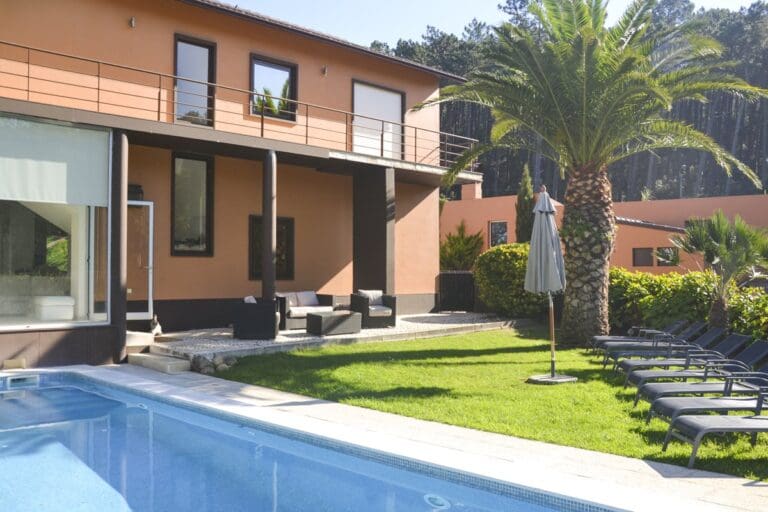
Travellers planning where to base themselves for all this eating and drinking can find villas in Sintra.
Sintra Food and Wine FAQs
What is the most famous food in Sintra?
The travesseiro, a warm almond and egg cream pastry, and the queijada de Sintra, a small cinnamon-spiced cheese tart, are the two dishes most strongly associated with the town, both dating back centuries.
Is Colares wine easy to find outside Sintra?
Not really. Production is small and the wines rarely reach supermarket shelves, even within Portugal, so tasting it in or near Colares itself is the most reliable way to try it.
Does Sintra have good seafood?
Yes, particularly in the coastal parishes within the Sintra municipality, where fresh fish, clams and sardines arrive daily and feature heavily on local menus, especially in spring and summer.
Keep reading
More on Sintra
Guides to places in Sintra
Where to stay
Villas in Sintra
A selection from our 60 luxury villas in Sintra.