Best Time to Visit Texas: Bluebonnets, BBQ and Hurricane Season
The best time to visit Texas is March through May or October through November, when temperatures sit comfortably between 15-25°C (59-77°F) and humidity hasn’t yet taken over. Summer (June to September) brings serious heat across most of the state and the start of hurricane season on the Gulf Coast, while winter is mild and dry inland but prone to sudden cold snaps. The right month depends heavily on which part of Texas you’re visiting – a July day in Big Bend behaves nothing like a July day in Houston.
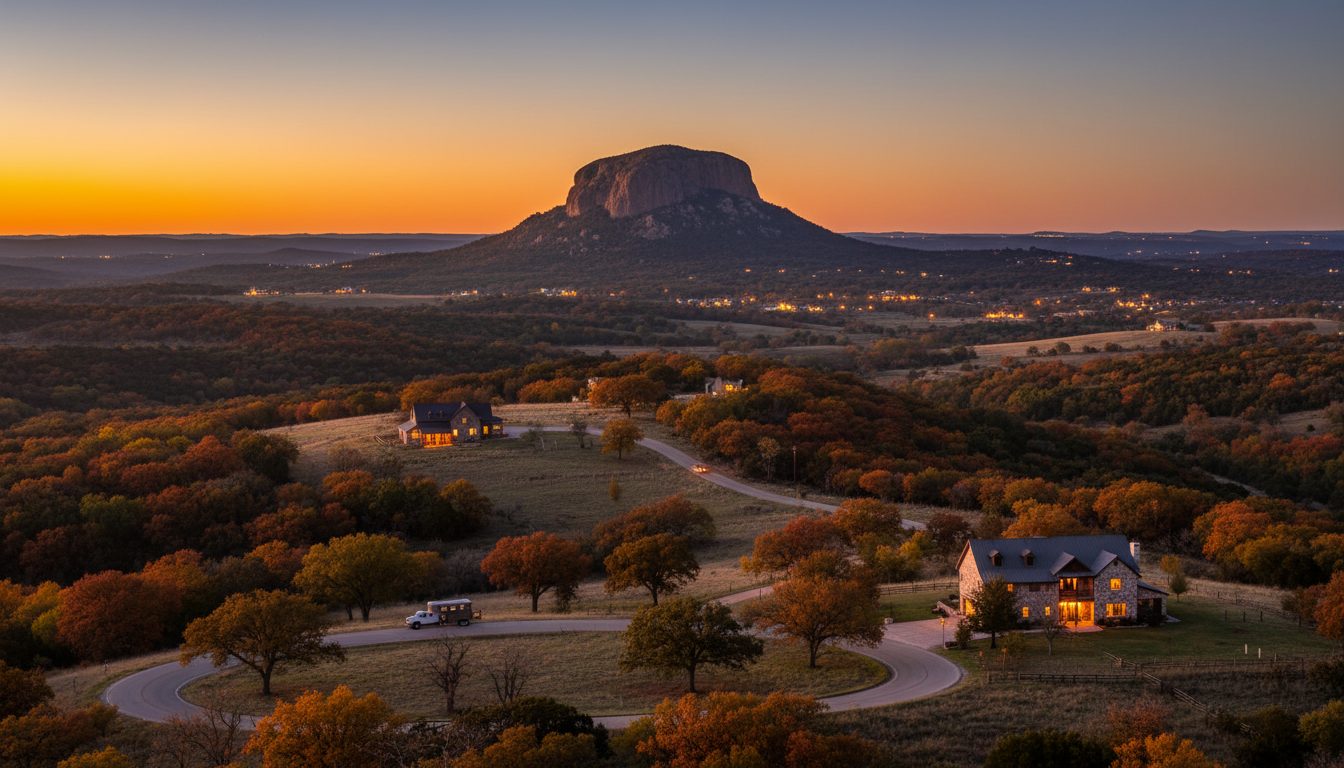
Picture this: it’s the second week of April, somewhere along the back roads between Fredericksburg and Llano, and the fields on either side of the highway have gone absolutely feral with bluebonnets – that particular shade of blue that makes you understand why Texans get so proprietary about their state flower. The morning air is cool enough for a jacket you’ll shed by eleven. By evening you’re sitting outside with a plate of brisket that’s been in a smoker since before sunrise, the heat has settled into something pleasant rather than punishing, and nobody is talking about the weather because, for once, there’s nothing to complain about. This window doesn’t last long. Texas weather has moods, and this guide will tell you when to catch it at its best – and when to simply avoid it altogether.
Best Time to Visit Texas: Quick Answer
Spring (March-May) and fall (October-November) are the sweet spots for most of the state – mild days, cooler nights, blooming wildflowers in spring and gold-tinged live oaks in autumn. Summer (June-September) is hot and often humid, especially on the Gulf Coast and in East Texas, with hurricane risk from June through November. Winter (December-February) is generally mild and a good time for value, though a cold snap or ice event isn’t impossible. West Texas and the Panhandle run drier and more extreme in both directions than the humid east. For more on regional differences, see the full Texas Travel Guide.
Visiting Texas in Spring: March to May
Spring is, by general consensus among people who’ve suffered through a Texas August, the best time to visit Texas. Temperatures through most of the state run 18-27°C (64-81°F), and the humidity hasn’t yet arrived to remind you it exists. March brings the first bluebonnets to the Hill Country, building to a full carpet by April – Fredericksburg and the Willow City Loop are the classic routes, and yes, everyone pulls over for photos, and yes, you will too. San Antonio’s Fiesta celebrations fill the city in late April, and rodeo season winds down in Houston by March, so you’ll find plenty going on without the summer crush. Crowds build steadily through spring break (mid-March) when families descend on the coast, then ease again before the heat sets in. Hotel prices climb for spring break and festival weekends but are otherwise reasonable. This is prime time for Hill Country wine touring, Gulf Coast beach days without the swelter, and hiking in Big Bend before it turns punishing. Pack layers – mornings can still dip to single digits Celsius in early March.
Visiting Texas in Summer: June to September
Summer in Texas is less a season than an endurance test, and the state wears it differently depending on where you are. Dallas and Austin regularly hit 35-38°C (95-100°F) with sun that feels personal. Houston adds humidity to the mix, turning a short walk into a small ordeal. The Gulf Coast – Galveston, Corpus Christi, South Padre Island – stays a few degrees cooler thanks to sea breezes, which is precisely why families flock there all summer long; book coastal stays well ahead if you’re travelling in July. Hurricane season runs June through November, peaking August to October, so Gulf Coast travellers should keep half an eye on the forecast, though direct hits are the exception rather than the rule. West Texas and Big Bend are genuinely dangerous for midday hiking in summer – locals start before dawn and are done by ten. On the upside, summer is when Austin City Limits’ sister events and open-air concerts fill calendars, lake life kicks into gear across the Hill Country, and air-conditioned museums in Dallas and Houston make surprisingly sensible refuges. This suits heat-tolerant travellers, families chasing school-holiday beach time, and anyone who actually prefers a city half-empty because sensible people have fled indoors.
Visiting Texas in Fall: September to November
Fall is spring’s quieter, equally deserving sibling, and arguably the better-kept secret. September can still run warm (28-32°C / 82-90°F), but by October the state settles into something close to ideal – 18-26°C (64-79°F), lower humidity, and a sky that behaves itself. The State Fair of Texas takes over Dallas’s Fair Park from late September into October, a genuinely enormous spectacle of corny dogs and livestock judging that’s worth seeing once. Hurricane risk lingers along the coast through November, so it pays to keep travel insurance current if you’re beach-bound. Foliage isn’t Texas’s headline act, but the Hill Country and East Texas pine belt do put on a modest, often underrated show in late October and November. Crowds are lighter than spring’s wildflower rush, prices ease after the summer peak, and this is arguably the best window for Big Bend hiking – cool enough to move during the day, clear enough for the stargazing the park is known for. Fall suits travellers who want good weather without spring’s festival crowds, and anyone keen on outdoor time in West Texas.
Visiting Texas in Winter: December to February
Winter is Texas’s most misunderstood season, largely because the state is too big to have just one. Houston and San Antonio stay mild, 10-18°C (50-64°F), with the occasional grey, drizzly stretch. Dallas and the Panhandle can drop below freezing for short spells, and while severe winter weather events are rare, they’re not unheard of – a blanket and a backup plan for heating aren’t unreasonable precautions. Big Bend and West Texas nights get properly cold, which is exactly when the stargazing reaches its best, with some of the darkest skies in the contiguous United States. This is value season almost everywhere: hotel rates drop, flights ease up, and the Gulf Coast beaches, while too cool for swimming, are pleasant for long empty walks. The Houston Livestock Show and Rodeo begins in late February, bridging winter and spring with its own particular brand of chaos. Winter suits budget-conscious travellers, city-break visitors to Austin or San Antonio who don’t need beach weather, and stargazers happy to trade warmth for clarity.
Shoulder Season in Texas: Why Spring and Fall Win
If you want the single best argument for shoulder-season travel, it’s this: Texas in April or October gives you the state’s best weather with none of its worst instincts on display. Crowds are manageable, prices sit below peak summer coastal rates and peak spring-break weekends, and the state’s outdoor assets – Hill Country rivers, Big Bend trails, coastal boardwalks – are usable without heat exhaustion as a side effect. Festivals cluster in these windows too, so there’s plenty to do without fighting for a hotel room. The trade-off is minimal: slightly variable weather, the odd cool evening, nothing that a jacket doesn’t solve.
Off-Season Travel in Texas: The Case for Summer and Winter
There’s a reasonable argument for visiting in the off-season too, provided you choose your region wisely. Winter delivers genuine savings and some of the clearest skies in the country out west, while summer – if you stick to the coast or simply accept the heat as part of the bargain – offers lake days, lighter inland crowds, and the particular pleasure of air-conditioned barbecue joints that feel earned rather than indulgent. Neither season suits everyone, but both reward travellers willing to plan around the extremes rather than fight them.
Whenever you choose to go, it helps to have somewhere comfortable to land – browse villas in Texas for the season that suits you.
Texas Weather and Seasons FAQs
What month has the best weather in Texas?
April and October are generally considered the most reliable months, offering mild temperatures, low humidity and minimal hurricane risk, though conditions vary significantly between the humid east and arid west of the state.
Is Texas too hot to visit in summer?
It depends on the region and your tolerance. Inland cities like Dallas and Austin get genuinely hot and humid, while coastal areas benefit from sea breezes. West Texas desert heat is intense but dry, and midday outdoor activity should be avoided.
When is hurricane season on the Texas Gulf Coast?
Hurricane season runs from June through November, with peak risk between August and October. Direct hits are infrequent, but travellers heading to Galveston, Corpus Christi or South Padre Island during these months should monitor forecasts and consider travel insurance.
Keep reading
More on Texas
- Travel guideTexas Travel Guide
- RestaurantsBest Restaurants in Texas
- Food & wineTexas Food & Wine
- FamiliesTexas with Kids
Guides to places in Texas
Where to stay
Villas in Texas
A selection from our 147 luxury villas in Texas.