Switzerland Food & Wine: Fondue, Raclette & Alpine Wine Villages
Switzerland’s food culture is regional rather than national, shaped by German, French and Italian neighbours and built around cheese, cured meats, alpine dairy and precise, unshowy cooking. Its wine industry is small, largely unexported and genuinely excellent, centred on Valais, Vaud and Ticino. Markets, cheese dairies and lakeside vineyards offer some of the most rewarding food experiences in the country.
Here’s an admission that surprises people: Switzerland doesn’t really have a cuisine of its own, not in the way France or Italy insist they do. What it has instead is four cuisines borrowed from its neighbours and then quietly perfected, like a student who copies everyone’s homework and somehow still comes top of the class. German precision meets French technique meets Italian warmth, with a layer of alpine dairy farming holding the whole thing together. The result is a food culture that rarely gets celebrated in the same breath as its neighbours, which is, frankly, Switzerland’s loss and the traveller’s gain – there is less competition for the good tables.
Switzerland Food and Wine at a Glance
Expect cheese in forms you didn’t know existed, wine you’ve probably never heard of (and will want to take home by the case), and a dining culture that takes its lunch break seriously. Regional variation is the rule, not the exception – what’s on the table in Geneva bears little resemblance to what’s served in Lucerne or Lugano. Reservations matter in cities; markets run on their own unhurried schedule. Cash still has its place in rural cheese dairies, even in a country that otherwise seems allergic to it.
Regional Cuisine in Switzerland: Four Countries, One Passport
German-speaking Switzerland leans hearty – think sausages, rösti and dishes built to survive a day on a mountain. French-speaking Switzerland, unsurprisingly, takes its cues from Lyon and Savoie, favouring butter, wine-based sauces and a certain unhurried formality at the table. Italian-speaking Ticino, tucked south of the Alps, cooks with the lightness and confidence of Lombardy – risotto, polenta, chestnuts and a fondness for grappa that outlasts the meal itself. The small Romansh-speaking region in the east adds its own quiet contributions, mostly involving barley soup and considerable patience with winter.
What unites all four is dairy. Switzerland’s alpine pastures produce some of Europe’s best milk, and the Swiss have spent centuries turning it into cheese with an almost religious seriousness. Travel between regions and you’ll notice the language on the menu changes before the ingredients do – cheese, potatoes and cured meat remain the constants, dressed differently depending on which border happens to be closest.
Signature Dishes in Switzerland
Fondue is the dish everyone expects, and it delivers – a pot of melted Gruyère and Vacherin, wine, a little kirsch, and bread on long forks, best eaten in winter when the cold outside makes the whole ritual feel earned rather than performed. Raclette follows a similar logic but with more theatre: a wheel of cheese scraped molten onto boiled potatoes and pickles, traditionally done over an open fire, now usually managed with a small tabletop grill that nobody minds owning.
Rösti, the shredded and pan-fried potato cake, started as a German-Swiss farmer’s breakfast and became something close to a national symbol, served everywhere from mountain huts to city bistros, often with a fried egg on top for reasons nobody has ever satisfactorily explained but everybody accepts. Zürcher Geschnetzeltes – veal in a creamy mushroom sauce, again with rösti – is Zurich’s contribution to the canon. In Ticino, expect risotto with porcini, polenta with local sausage, and a chestnut culture that peaks in autumn with roasted chestnuts sold from carts and chestnut flour appearing in everything from pasta to desserts. And then there’s chocolate, which Switzerland did not invent but industrialised with great success – look for small producers rather than the supermarket names, which taste noticeably different once you’ve tried the real thing.
Switzerland Wine Regions and Producers
Swiss wine is the country’s best-kept secret, mostly because the Swiss drink nearly all of it themselves. Valais, in the dry, sun-trapped upper Rhône valley, is the largest and most varied wine region, growing over sixty grape varieties on terraced slopes that look more like staircases than vineyards. Fendant, a local expression of Chasselas, is the everyday white; Petite Arvine, crisp and faintly saline, is the one worth seeking out.
Vaud, along Lake Geneva, is Chasselas country at its most serious – the Lavaux terraces, a UNESCO-listed landscape of vine-covered slopes tumbling toward the water, produce wines from sub-regions like Dézaley that reward the extra few francs they cost. Geneva itself makes easy-drinking reds and whites close to the city. Ticino, south of the Alps, does something quite different again, producing Merlot with an Italian confidence that outshines a surprising number of actual Italian Merlots. Across the country, production is small, quality control is strict, and very little of it ever reaches export markets – which is precisely why it’s worth drinking on the spot.
Wine Estates to Visit in Switzerland
Most Swiss wine is made by small, family-run estates rather than large commercial producers, and many welcome visitors for tastings, particularly in Valais and the Lavaux terraces, where cellar doors sit a short walk from vines you’ve just been looking at. Lake Geneva’s shoreline lends itself to a slow, scenic approach – walking or cycling the terraced paths between villages, stopping wherever a tasting room has its door open. In Ticino, estates tend to pair a Merlot tasting with a plate of local charcuterie and a view south toward Italy that makes the whole exercise feel less like a wine tour and more like a long, pleasant excuse to sit still.
Booking ahead is sensible, especially during harvest in September and October, when cellars are busiest and staff have less patience for drop-ins. Many estates are genuinely small operations – a family, a few hectares, decades of accumulated knowledge – so turning up expecting a slick visitor centre will leave you disappointed. Turning up expecting good wine and an honest conversation will not.
Food Markets in Switzerland
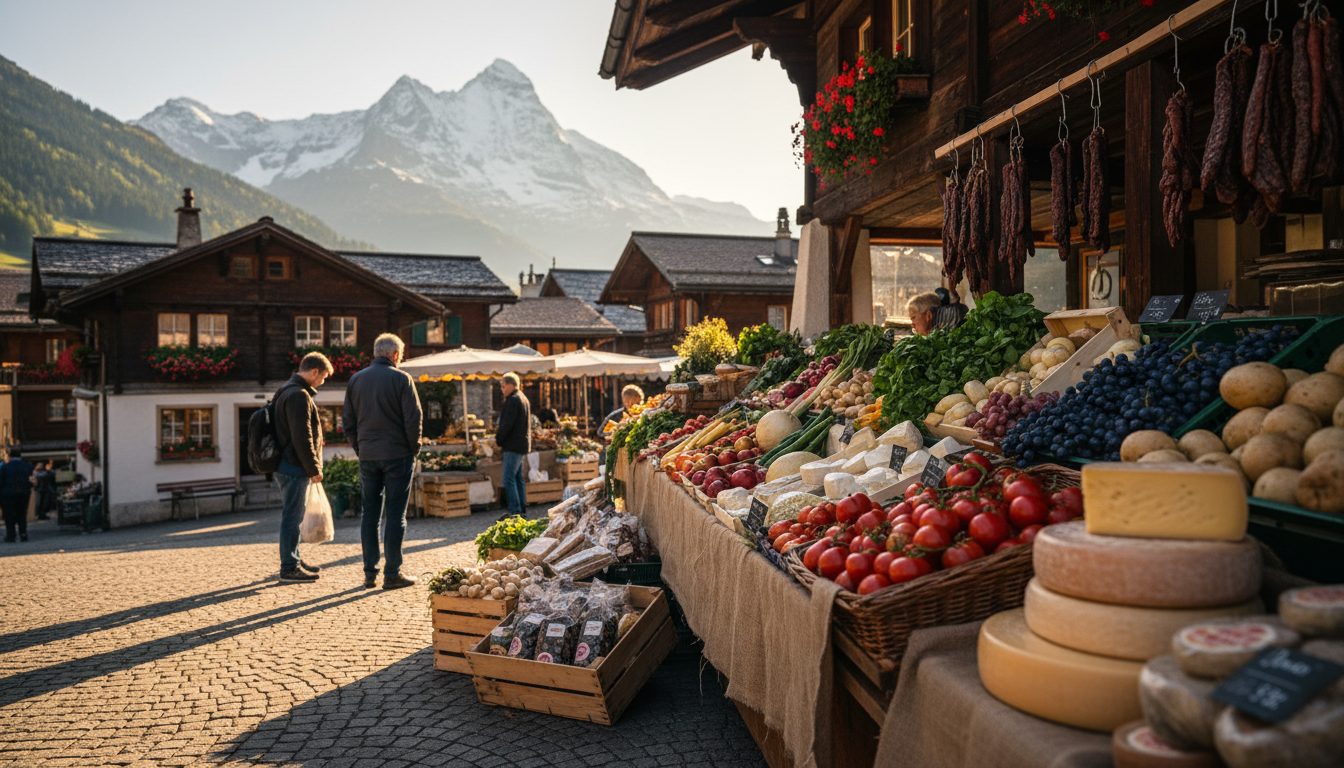
Swiss cities run excellent weekly markets, and they’re worth building a morning around rather than squeezing in between sights. Bern’s Old Town market on Bundesplatz is a reliable showcase of regional produce – cheese, bread, seasonal vegetables, honey – set against a backdrop of sandstone arcades that make even buying carrots feel like a small occasion. Geneva and Lausanne run similarly strong lakeside markets, leaning French in character, heavy on cheese stalls and bakery vans with queues that tell you which one to join.
In German-speaking towns, markets tend to start early and wind down by lunch – arrive before ten if you want the full selection rather than the picked-over remains. Cheese dairies in alpine villages often sell direct, sometimes from a window cut into the side of the building, payment left in an honesty box if nobody’s around. It is, without question, the most charming way to buy cheese that exists anywhere in Europe.
Cooking Classes in Switzerland
Learning to make proper fondue or rösti is less about technique and more about ratio – how much kirsch, how much garlic rubbed round the pot, how long the potato sits before it hits the pan. Cooking classes focused on these alpine staples are increasingly available in mountain regions and larger cities, often run from private kitchens or small culinary schools, and they tend to include a cellar visit or cheese tasting as part of the package. Classes centred on chocolate-making are also common, particularly around the German-speaking cities, and are considerably more hands-on – and more delicious – than they have any right to be.
For a more regional angle, Ticino offers classes built around risotto, polenta and chestnut cookery, usually taught by someone’s grandmother’s recipes passed down with minimal written documentation and maximum conviction. Whichever region you choose, expect a class that ends in a shared meal rather than a certificate – which, frankly, is the correct order of priorities.
Seasonal Specialities in Switzerland
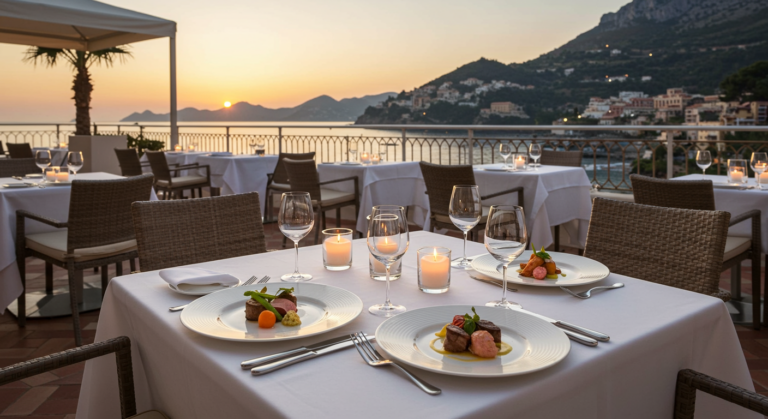
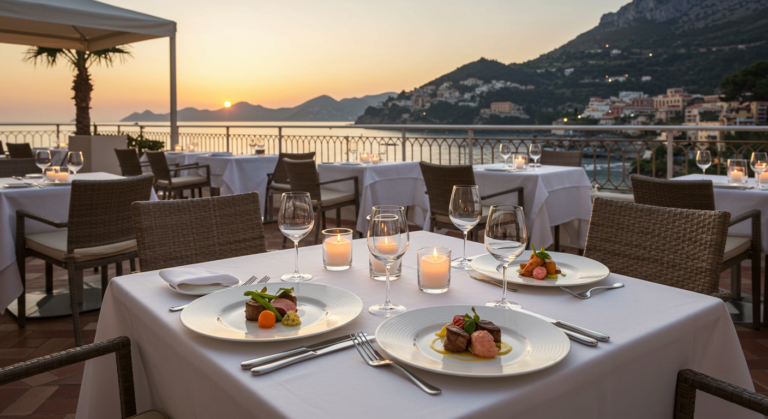
Switzerland’s food calendar follows the mountains rather than the sea – there’s no coastline, so forget seafood beyond trout and perch pulled from the lakes, usually served simply fried with almonds in a way that needs no improving. Autumn belongs to chestnuts in Ticino, mushroom foraging across the German-speaking regions, and the start of the alpine cheese season, when herds come down from summer pastures and dairies release their first wheels of the year. Winter is fondue and raclette weather, non-negotiably. Spring brings white asparagus, treated with near-ceremonial respect in French-speaking Switzerland, while summer means lake fish, outdoor markets and long evenings on terraces that make the long winter feel like a fair trade.
Best Food Experiences in Switzerland
If there’s one thing worth prioritising, it’s eating in context – fondue in a mountain hut rather than a city restaurant, Merlot on a Ticino terrace rather than from a bottle shipped elsewhere, cheese bought from the dairy that made it an hour earlier. Switzerland rewards slowness in a way that catches visitors off guard, used as they are to a country otherwise associated with trains running on time and everything happening efficiently. Food here is the one area where efficiency takes a back seat – a good meal is meant to take hours, and nobody’s going to rush you out for the next sitting.
For more on getting around and planning the wider trip, the Switzerland Travel Guide covers the practical groundwork that pairs well with all this eating and drinking.
For travellers weighing up where to base themselves for all this, there are villas in Switzerland within easy reach of the vineyards and markets covered here.
Switzerland Food and Wine FAQs
Is Swiss wine available outside Switzerland?
Rarely, and that’s part of the appeal. The Swiss consume most of what they produce, so very little is exported. Buying it in person at the vineyard or in local shops is usually the only option.
What is the best time of year for Swiss food and wine?
Autumn, broadly, for the harvest season in the vineyards and the start of the alpine cheese season, plus chestnuts in Ticino. Winter suits anyone prioritising fondue and raclette, while spring brings white asparagus and summer favours lake fish and outdoor markets.
Do I need to book ahead for wine estate visits in Switzerland?
Generally yes, particularly during the September and October harvest when cellars are at their busiest. Many estates are small, family-run operations without a dedicated visitor centre, so a booked tasting is more reliable than turning up unannounced.
Where to stay
Villas in Switzerland
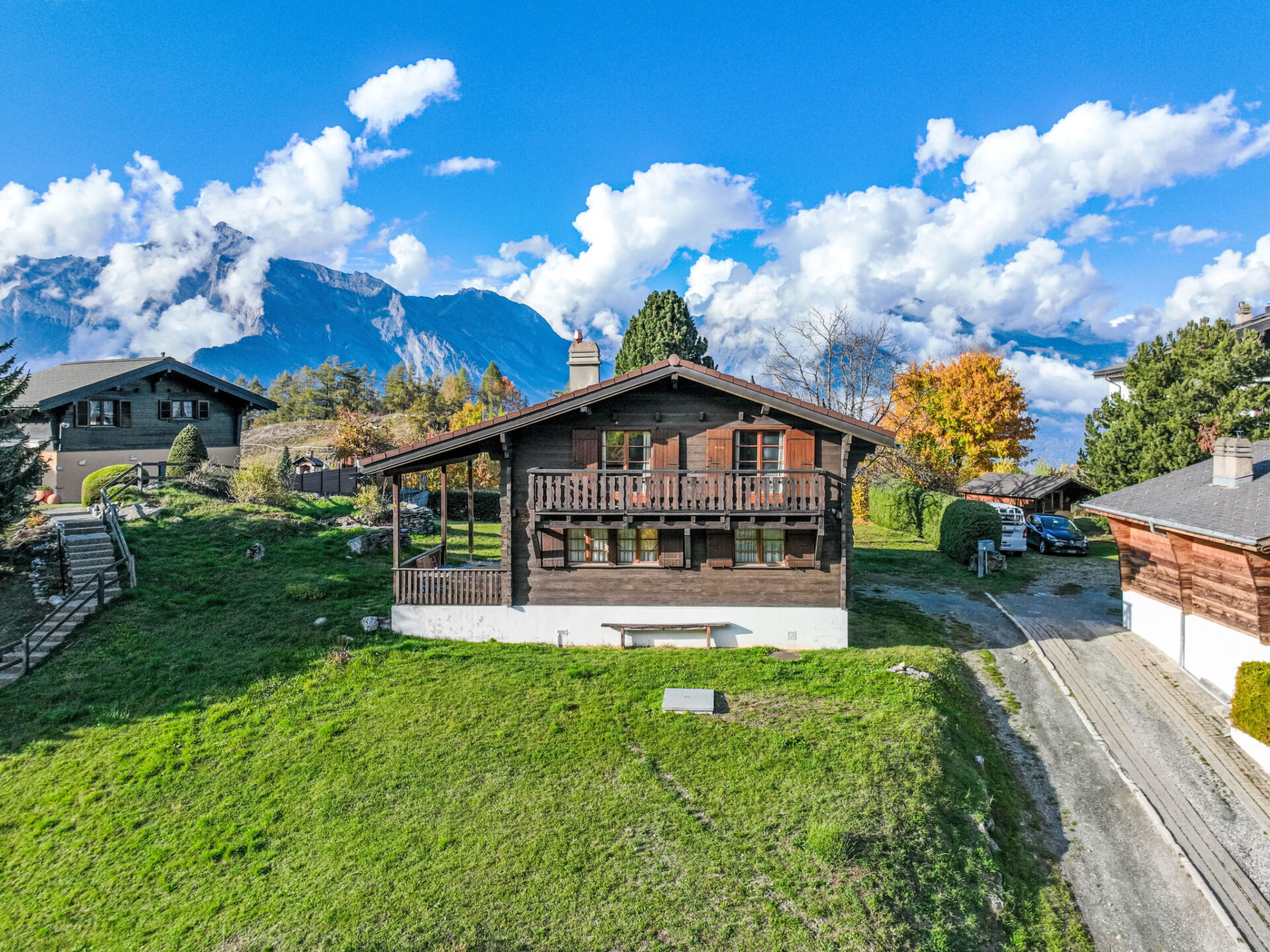
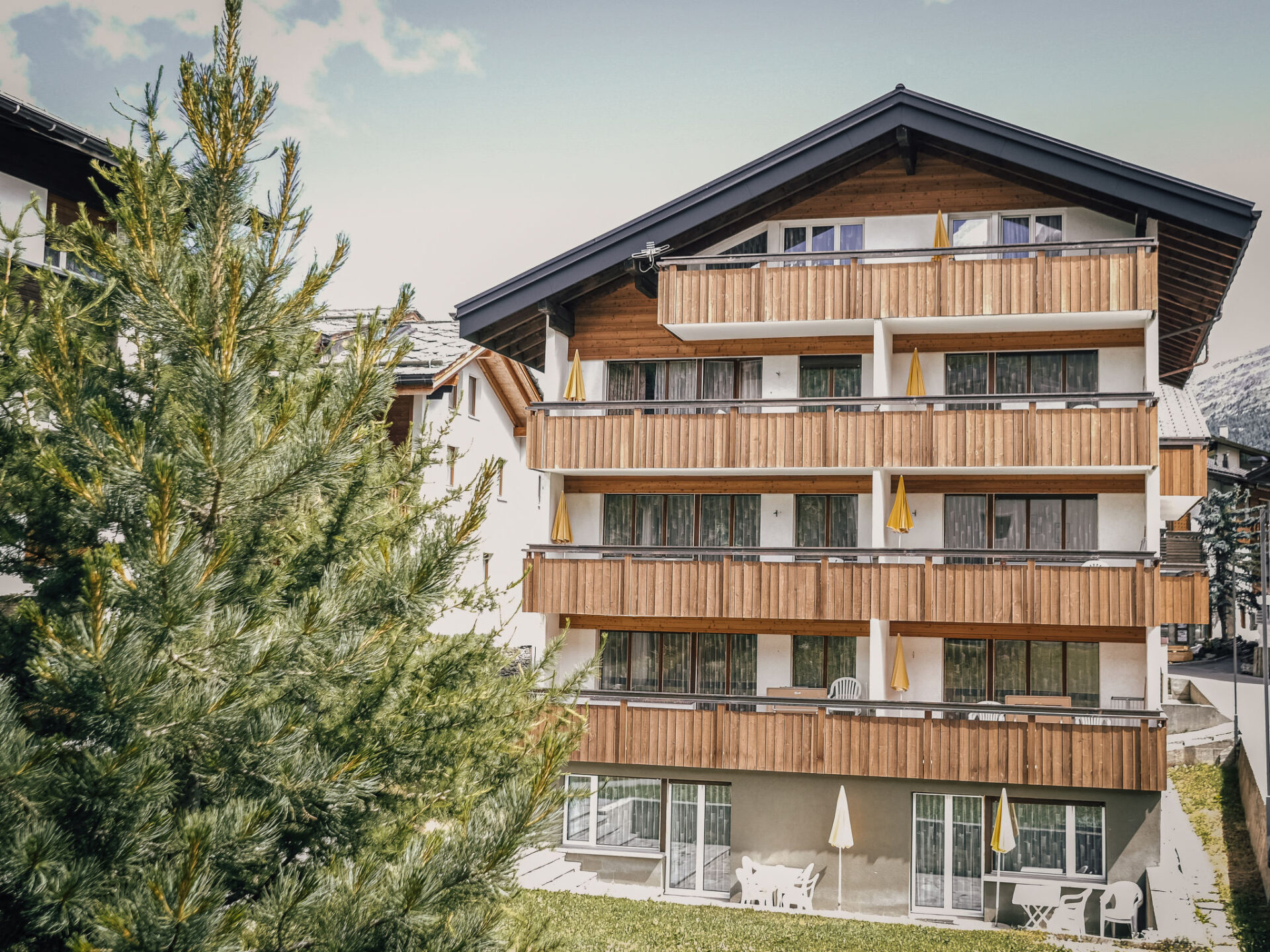
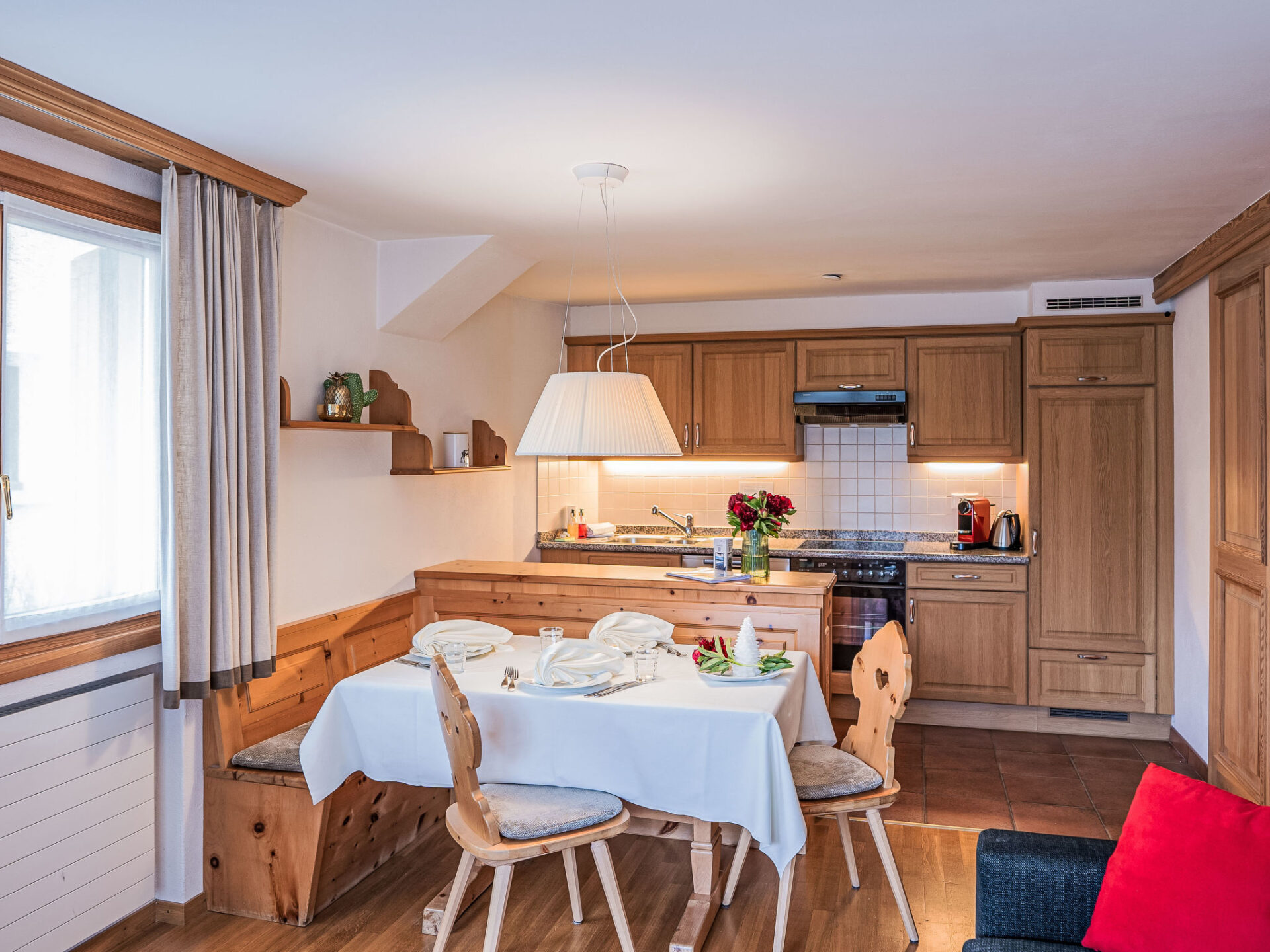
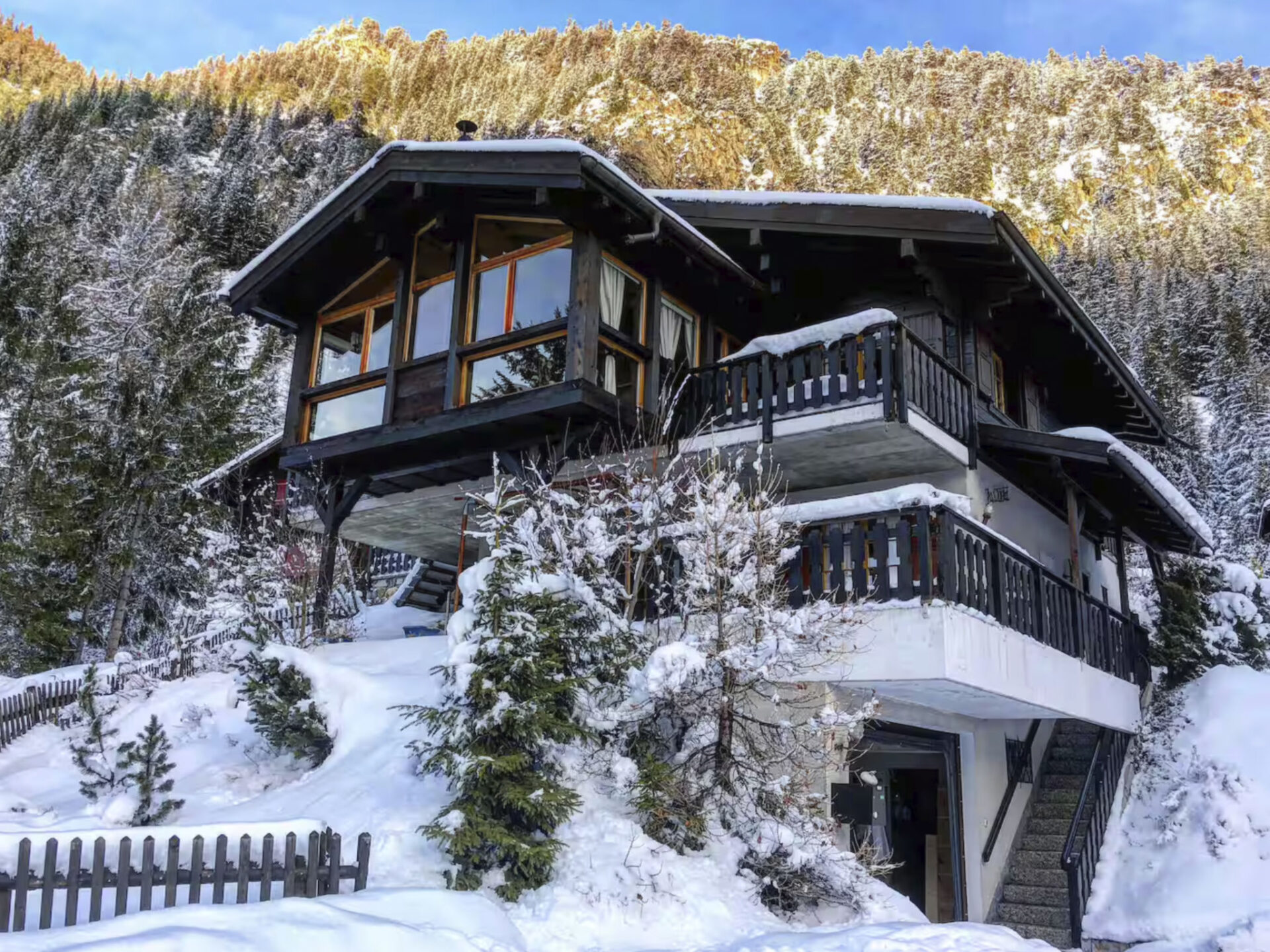
A selection from our 598 luxury villas in Switzerland.