Pembrokeshire with Kids: Beaches, Castles & Coasteering
Pembrokeshire works well for families thanks to its sheltered sand beaches, shallow rock pools and short coastal walks that suit pushchairs and small legs alike. Tenby, Saundersfoot and Broad Haven have promenades, ice cream and amusements for all ages, while the Pembrokeshire Coast National Park offers castles, boat trips and wildlife watching for older children. Most of the county is within a thirty to forty-five minute drive of itself, which means you can realistically do a beach morning and a castle afternoon without anyone falling asleep face-first into their dinner.
There is a particular smell to a Pembrokeshire morning – salt, wet bracken, somebody’s bacon roll – that announces itself before you have even found the car keys. Oystercatchers pipe insistently on the tideline as if personally affronted by your lie-in, and the light does that low, buttery thing across the water that makes even a damp caravan park look faintly cinematic. This is a county that has been quietly perfecting the family holiday for longer than most destinations have existed, and it shows in the small, unglamorous details: the slipway worn smooth by decades of crabbing lines, the café that has never once complained about sandy feet.
How Well Pembrokeshire Works for Families
Pembrokeshire’s appeal to families is mostly geological. The coastline folds into dozens of small, sheltered bays rather than one long exposed stretch, which means you can usually find somewhere out of the wind regardless of which way it is blowing – and in Wales, it is always blowing from somewhere. Many beaches shelve gently, the water warms in the shallows faster than the open sea, and the rock pools are genuinely good, not the sad puddle-with-a-limpet variety found elsewhere.
The county is compact enough that a base in the south (Tenby, Saundersfoot) or the west (St Davids, Solva) puts most attractions within reach without hours of winding lanes. There is also a refreshing lack of pretension to it. Nobody minds a wetsuit in the pub garden. For a fuller sense of the wider region beyond the family-specific logistics, the Pembrokeshire Travel Guide covers the landscape, history and food in more depth.
Best Family Beaches in Pembrokeshire
Tenby’s two main beaches – North and South – are the obvious starting point: wide, sandy, patrolled in summer, and backed by a town with enough ice cream outlets to keep a toddler negotiating for an hour. Saundersfoot has similarly gentle sand and a harbour that children find endlessly fascinating, largely because of the boats and occasionally because of an actual crab race staged by someone’s uncle.
Broad Haven and Little Haven, on the western side, offer rock pools thick with anemones and the kind of low-tide sandflats that turn a simple walk into an expedition. Barafundle Bay is the one everyone photographs – dunes, pines, turquoise shallows on a good day – though reaching it involves a walk from the car park that will test smaller legs (and, frankly, some larger ones). Freshwater West, further south, is beautiful but has a serious undertow and is better suited to older children who can be trusted not to wander past the flags.
Things to Do in Pembrokeshire with Kids
Beyond the beaches, Pembrokeshire’s main draw for families is the coast itself – specifically, the things you can do on, in and above it. Coasteering, which was more or less invented in this corner of Wales, combines clambering over coastal rock, jumping into deep water and swimming through gullies, and most operators run family sessions for children from around eight upwards. Boat trips out to the offshore islands bring puffins, seals and the occasional basking shark into view between spring and late summer, and are generally calmer than they sound – these are short, sheltered crossings, not open-ocean adventures.
On land, the Norman castles scattered across the county – Pembroke Castle among the most complete – give children somewhere to run, climb and reenact siege warfare with sticks, which is really all a castle needs to offer. The coast path itself, broken into short, manageable sections, works surprisingly well with children if you bribe appropriately and keep an eye on the cliff edges, which are closer and less fenced than some parents expect.
Child-Friendly Restaurants in Pembrokeshire
Pembrokeshire’s family dining scene leans sensibly toward the informal. Harbourside chip shops and seafood shacks in Tenby and Saundersfoot serve fish and chips that need no embellishment, eaten straight from the paper on a harbour wall while gulls eye your dinner with undisguised intent (guard your chips – this is not a metaphor). Farm shops and cafés dotted along the coast road do a good line in cream teas and simple lunches, usually with a garden or outdoor seating where children can roam without troubling other diners.
Ice cream, it should be said, is taken seriously here, with small dairies and parlours along the coast selling flavours made from milk that has not travelled far. For a sit-down evening meal, most coastal towns have at least one relaxed, family-welcoming restaurant doing fresh local fish and simpler options for fussier palates – worth booking in peak summer weeks, when every other table seems to contain a toddler mid-meltdown over the wrong colour plate.
Rainy Day Things to Do in Pembrokeshire
Wales does not pretend otherwise: it will rain, probably on the day you had earmarked for the beach. Pembrokeshire’s indoor options are modest but functional – local leisure centres with swimming pools, small museums covering maritime history and the area’s prehistoric past, and indoor soft-play centres in the larger towns that will buy you a desperately needed hour of adult conversation.
Castles remain a decent wet-weather option too, since much of the appeal is architectural rather than weather-dependent, and a few have roofed sections or interpretation centres to duck into. Several coastal towns also have cinemas or small theatres showing family films, useful for the kind of afternoon where the alternative is four bored children and one very small holiday cottage.
Pembrokeshire with Kids by Age Group
Toddlers in Pembrokeshire
Toddlers do best on the gentler, more sheltered beaches – Tenby North, Broad Haven, Saundersfoot – where the sand is soft, the water shallow, and the nearest café is never more than a short, tantrum-free walk away. Short, flat sections of the coast path near towns suit buggies, though the wilder stretches further out do not. Pack more sun cream and more layers than seems reasonable; Pembrokeshire weather changes its mind frequently and without warning.
Juniors in Pembrokeshire
This is arguably the age group Pembrokeshire suits best. Rock pooling, crabbing off harbour walls, castle exploring and gentle boat trips all land in the sweet spot of being genuinely exciting without requiring a waiver form. Cycling along converted railway paths and simple coasteering tasters (check minimum ages with operators) both work well for confident seven-to-twelve-year-olds.
Teens in Pembrokeshire
Teenagers, who are famously hard to impress, tend to come round to Pembrokeshire via surfing, coasteering and the longer coast path walks that let them range ahead and feel briefly unsupervised. Freshwater West and Whitesands near St Davids both have reliable surf and board hire nearby. A kayak trip or a proper scramble along the cliffs tends to do more for teenage morale than any museum, however good the museum.
Getting Around Pembrokeshire with Children
A car remains the most practical option, since many of the best beaches and castles sit along minor roads that public transport reaches infrequently at best. Coastal roads are narrow and winding, which makes journeys slower than the map suggests – budget more time than you think, particularly in summer when tractors and tourists compete for the same single-track lane.
That said, the Coastal Bus services linking Tenby, Saundersfoot, St Davids and other towns are a pleasant, low-stress option for a day without the car, and children generally prefer the top deck view to being wedged in a booster seat. Parking at popular beaches fills early on fine summer days, so an early start is less about ambition and more about securing somewhere to put the car.
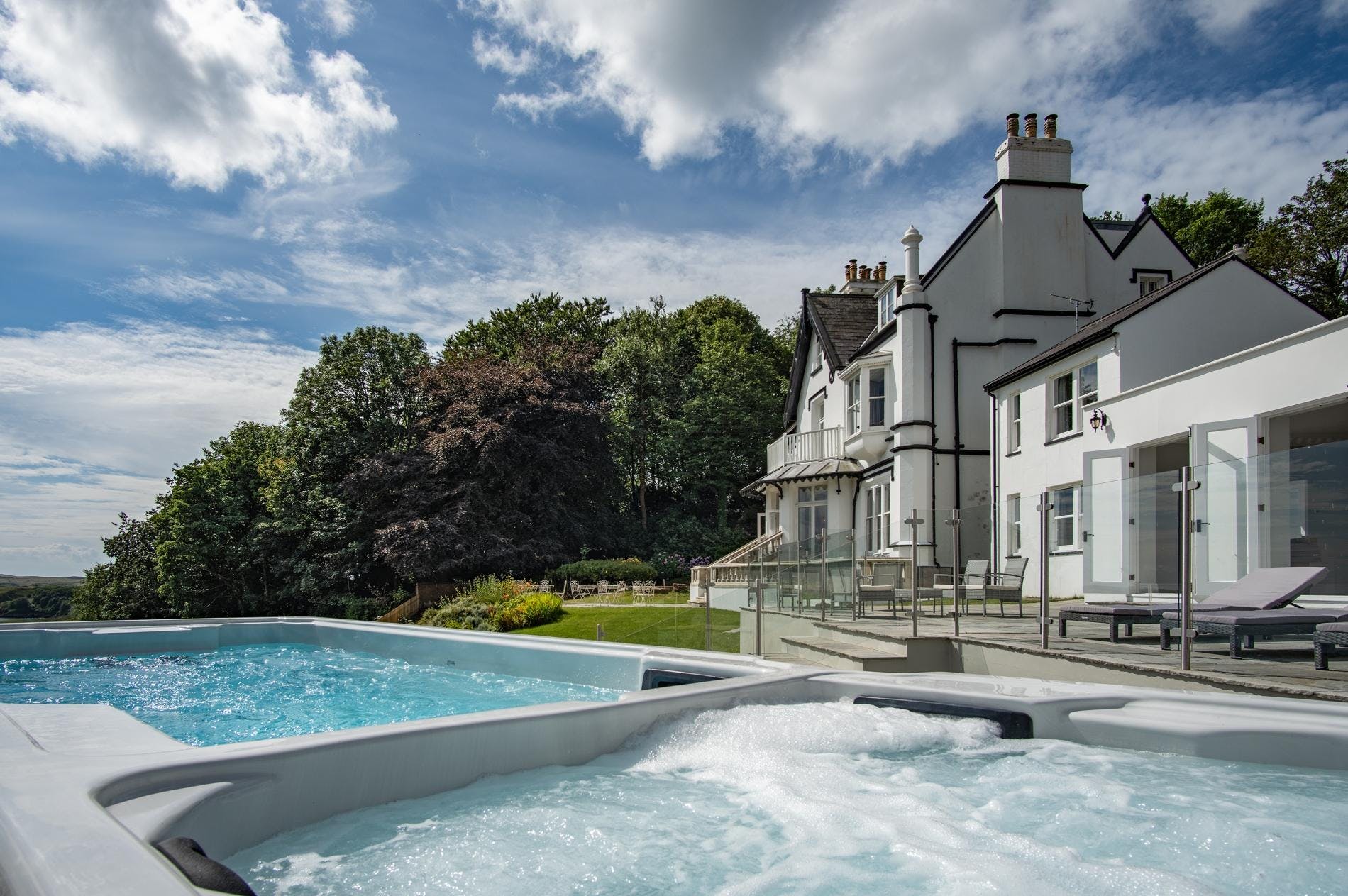
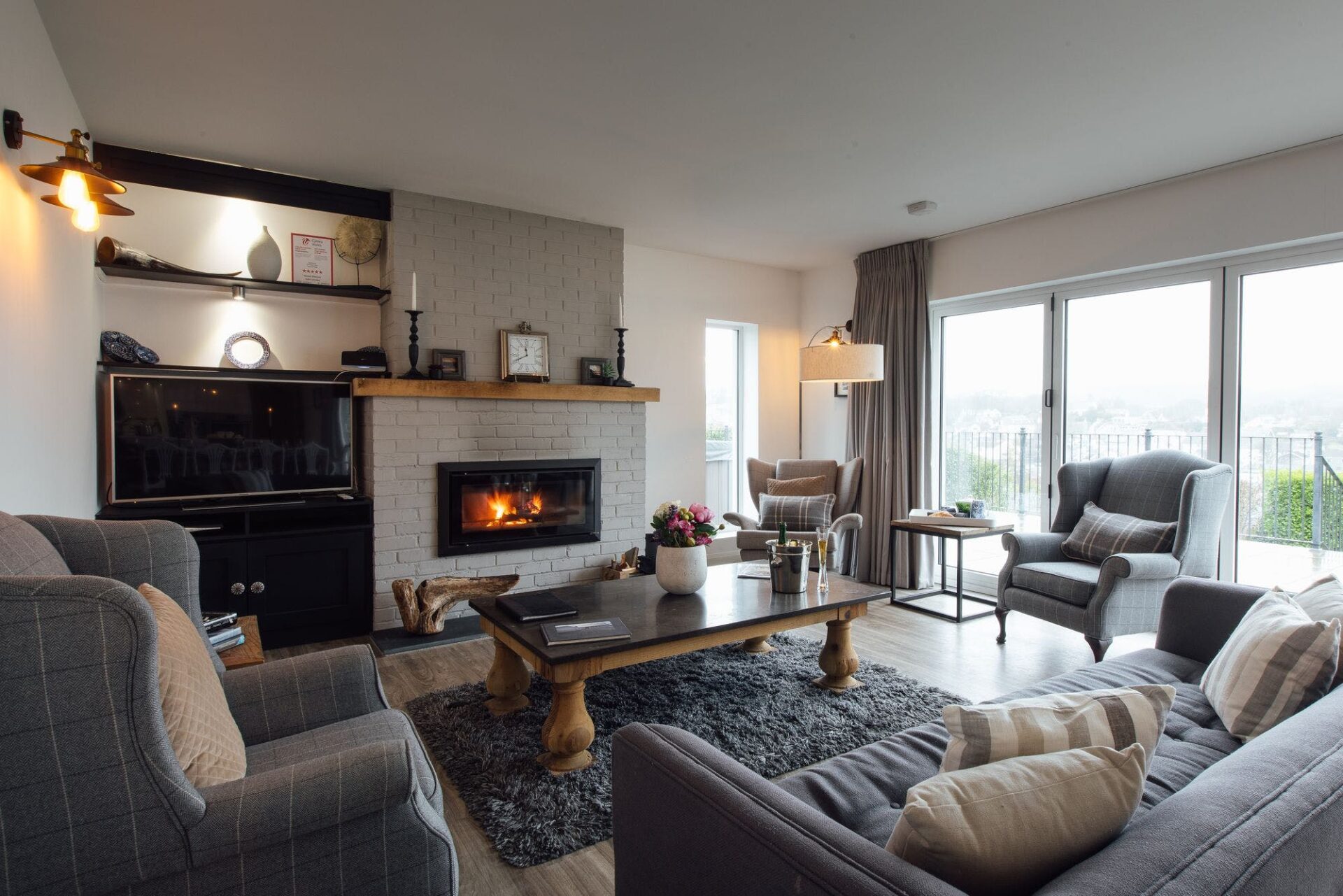
If you are weighing up where to base yourself, there are villas in Pembrokeshire suited to families wanting more space than a hotel room allows.
Pembrokeshire Family Holiday FAQs
What is the best time of year to visit Pembrokeshire with children?
Late May through early September offers the warmest sea temperatures and longest daylight, though the school summer holidays bring the busiest beaches and roads. Late May and June, before the main rush, often give the best balance of good weather and quieter conditions.
Are Pembrokeshire beaches safe for swimming with young children?
Many of the main family beaches, including Tenby and Saundersfoot, are lifeguarded during peak summer months and have gently shelving sand. Always check tide times and flag conditions locally, as some beaches such as Freshwater West carry strong currents unsuitable for weak swimmers.
How many days do you need for a family trip to Pembrokeshire?
A week gives enough time to properly explore several beaches, fit in one or two activity days such as coasteering or a boat trip, and allow for at least one rained-off day without feeling short-changed. Long weekends work for a single-base beach holiday but leave little slack for bad weather.
Keep reading
More on Pembrokeshire
- Travel guidePembrokeshire Travel Guide
- RestaurantsBest Restaurants in Pembrokeshire
- Food & winePembrokeshire Food & Wine Guide
Guides to places in Pembrokeshire
Where to stay
Villas in Pembrokeshire
A selection from our 42 luxury villas in Pembrokeshire.