7th arrondissement Food & Wine: Rue Cler & Bistro Classics
The 7th arrondissement’s food scene centres on classic Parisian bistro cooking, the daily market street of rue Cler, and a dense concentration of cheese shops, wine merchants and traiteurs rather than any single signature dish. There are no vineyards within the arrondissement itself, so “wine estates” here means well-stocked cavistes and wine bars pouring Burgundy, Loire and Champagne rather than anywhere you can walk among vines. Seasonal highlights include spring white asparagus, autumn game and winter truffles, sold alongside the usual excellent bread and cheese.
First-time visitors tend to arrive expecting two things from the 7th: the Eiffel Tower, obviously, and not much else beyond overpriced cafes angling for a view of it. This is roughly where the research stops for most people, who then wonder why their croque monsieur near the Champ de Mars tasted like a sad rehearsal for the real thing. The actual food life of the arrondissement happens a few streets back, on pavements too narrow for tour buses, where the ministries and embassies give way to butchers who still know your order and cheesemongers who will tell you, unprompted and at length, why this week’s Comté is better than last week’s. It is not flashy. It does not need to be.
7th arrondissement Food and Wine at a Glance
Cuisine style: classic Parisian and bistro French, built on butter, bread, cheese and precise simplicity. Key streets: rue Cler, rue Saint-Dominique, rue de Grenelle. Markets: the open-air rue Cler market, running daily except Monday. Wine: no estates within the arrondissement, but serious wine shops and bars stocking Burgundy, Loire, Rhône and Champagne. Peak seasons: spring for asparagus, autumn for game and mushrooms, winter for truffles and oysters.
Local Cuisine in the 7th arrondissement
Food here is Parisian cuisine in its most confident form: bistro cooking that doesn’t shout about technique because it doesn’t need to. Expect steak frites done properly (the fries thin, the steak rested, the sauce never an afterthought), duck confit with crisp skin and soft fat underneath, and onion soup that tourists order ironically and then finish without irony at all. This is also prime terrine-and-pâté country, sold by weight from traiteurs who assume you know what you want and get mildly impatient if you don’t.
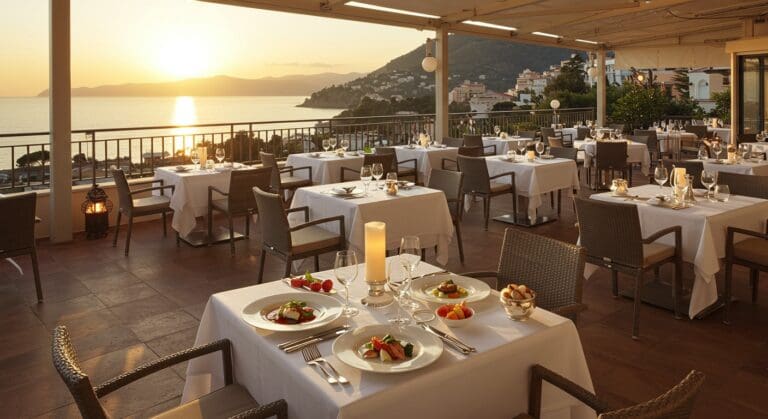
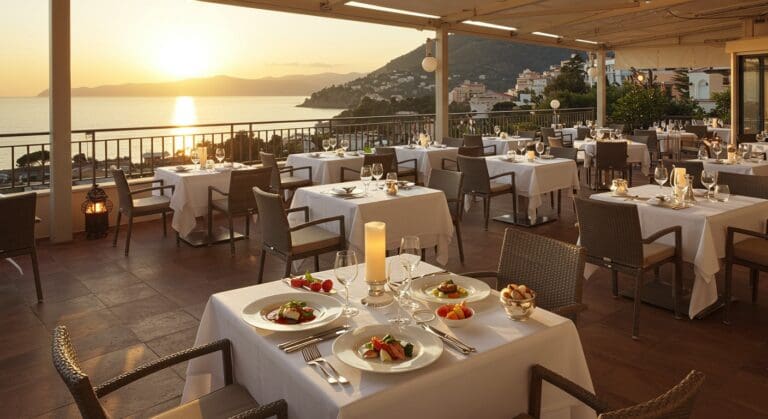
The arrondissement’s wealth shows less in extravagance than in consistency – a decent neighbourhood bistro here holds a standard that would be a special occasion elsewhere. Portions are not generous by American standards and nobody apologises for this. Bread comes from a proper boulangerie, is never free unless you ask, and is assumed to be eaten rather than photographed, though plenty of visitors manage both.
Signature Dishes to Try in the 7th arrondissement
Beyond the steak frites and confit, look for sole meunière, a dish that sounds simple and is ruined constantly elsewhere by people who think more butter is always the answer (it is, within reason, but there is a reason). Blanquette de veau – veal in a pale, creamy sauce – turns up on winter menus as the sort of dish grandmothers made and nobody has quite matched since. Tarte Tatin, upside-down and defiantly unglamorous, closes a meal properly. In spring, white asparagus served simply with hollandaise is treated with something close to reverence, which is fair, because good white asparagus is genuinely hard to get right and the 7th’s markets generally do.
Food Markets in the 7th arrondissement: Rue Cler and Beyond
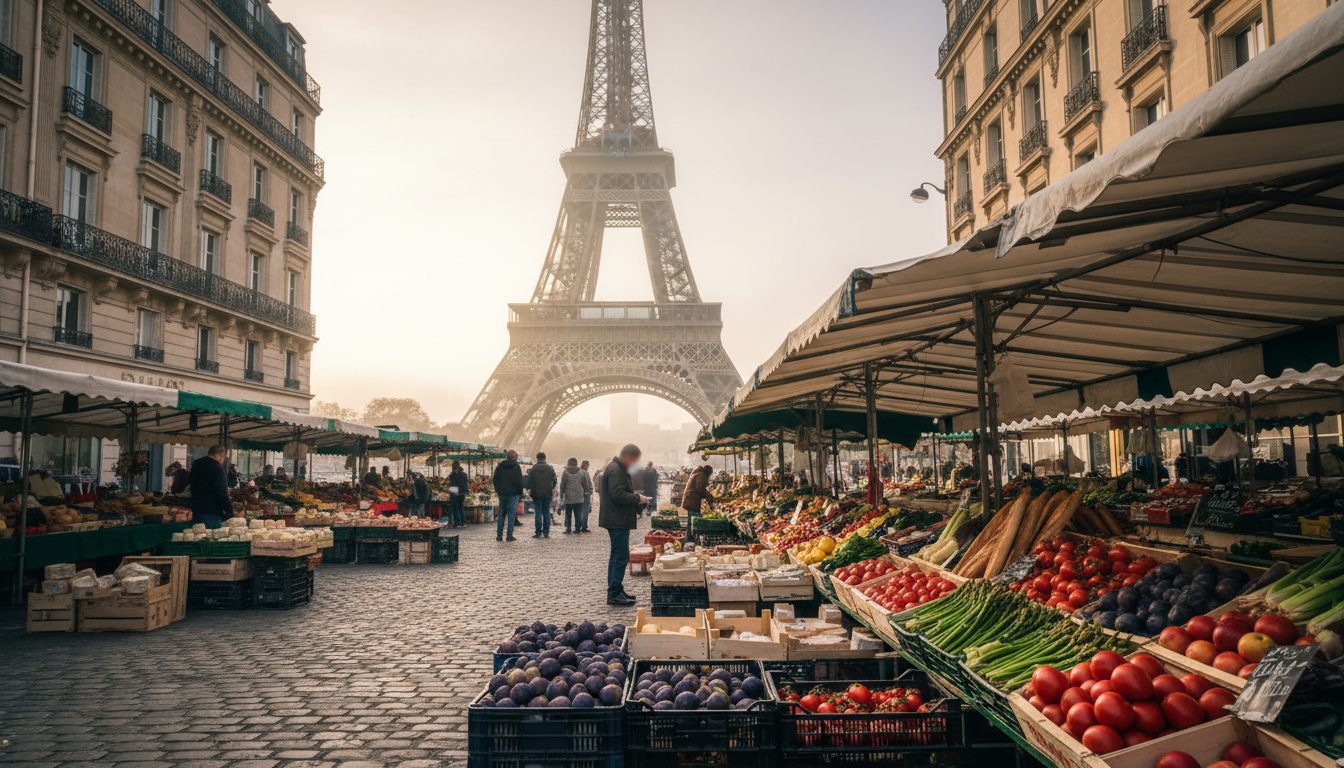
Rue Cler is the arrondissement’s food backbone, a pedestrianised street of stalls, fishmongers, cheese shops and wine merchants running daily except Monday, busiest – and best – on weekend mornings before the crowd thickens into something closer to a queue than a shopping experience. It is touristy in parts, which is not the same as being inauthentic; plenty of locals still do their actual shopping here, elbow to elbow with visitors clutching guidebooks.
Rue Saint-Dominique runs a quieter, equally good parallel operation, with butchers and bakeries that see fewer camera phones. A landmark department store’s food hall near rue de Sèvres offers the opposite experience entirely: a vast, climate-controlled temple to produce from across France, useful if you want fifteen types of honey under one roof and don’t mind paying for the privilege.
Wine in the 7th arrondissement: Cavistes, Bars and the Reality of Paris as Wine Country
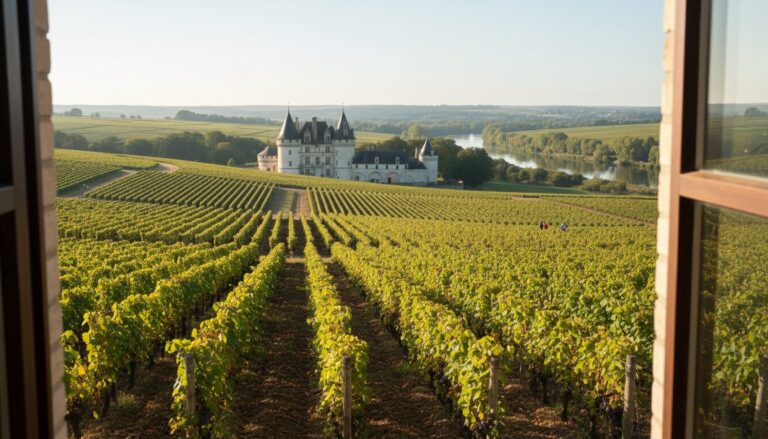
Here is the honest part: there are no vineyards in the 7th arrondissement, nor anywhere else in central Paris. Anyone promising you a vineyard tour within walking distance of the Eiffel Tower is selling something that doesn’t exist, and you should ask them what else they’re making up.
What the arrondissement does have is excellent access to wine from everywhere else in France. Independent cavistes stock Burgundy, Loire whites, Rhône reds and proper Champagne, usually from small producers rather than the supermarket names, and the people behind the counter tend to enjoy a conversation more than a quick sale. Wine bars across the arrondissement pour by the glass and pair confidently with cheese and charcuterie, which is really all a wine bar needs to do well. If you want to see actual vines, that means a day trip out of Paris entirely – Champagne and the Loire are the usual targets, and worth planning as a separate excursion rather than squeezing into a lunch break.
Cooking Classes in the 7th arrondissement
Paris has no shortage of cooking schools, and the 7th’s central position makes it a sensible base for reaching them. Classes typically run a few hours, cover a market visit followed by hands-on preparation of a classic menu – think a sauce, a main and a dessert – and finish with the obvious and correct reward of eating what you made with a glass of something decent. Some focus narrowly on pastry or bread, which suits anyone who has eaten enough croissants to want to know what’s actually involved in making one. Booking ahead matters, particularly in spring and autumn when demand from visitors combined with limited class sizes fills schedules quickly.
Seasonal Specialities in the 7th arrondissement
Spring brings white and green asparagus to the market stalls, along with the first strawberries, and menus shift accordingly. Summer is lighter – more seafood, more rosé, less of the heavy sauces that make winter bearable. Autumn turns things toward game, mushrooms and the start of truffle season, with black winter truffles from Périgord and Provence appearing shaved over eggs and pasta from around November. Winter also means oysters, served at marble-topped counters with nothing more than lemon and a cold Muscadet, and it is the one time of year a Parisian will queue outside in the cold without complaint, which tells you something.
Best Food Experiences in the 7th arrondissement
A Saturday morning on rue Cler, bought with cash and patience, remains the single best orientation to how the arrondissement actually eats – buy cheese from one stall, bread from another, and a bottle recommended by whoever’s behind the counter at the wine shop, then find a bench near the Champ de Mars and ignore the view in favour of lunch. A long bistro dinner, three courses and no rush, is the other essential, best booked rather than wandered into. For a change of pace, the food hall near rue de Sèvres rewards an hour of wandering with no shopping list at all – sometimes the best plan is simply to see what looks good and buy it.
For a wider sense of the neighbourhood beyond the table, the 7th arrondissement Travel Guide covers what else fills the days between meals.
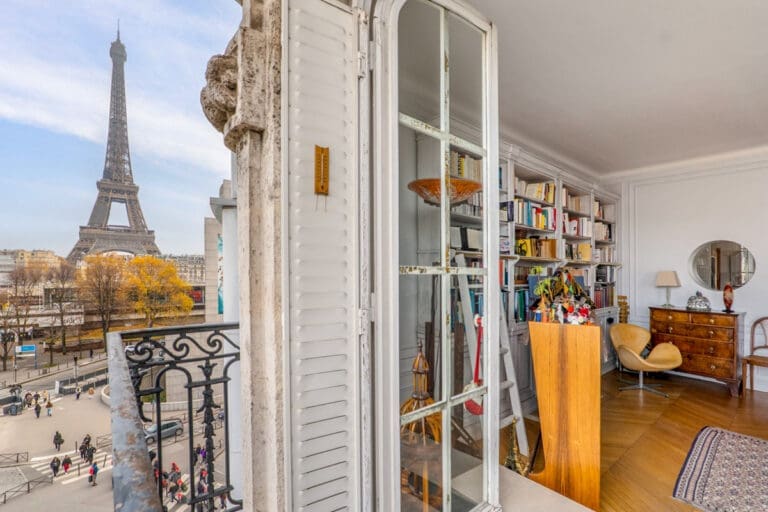
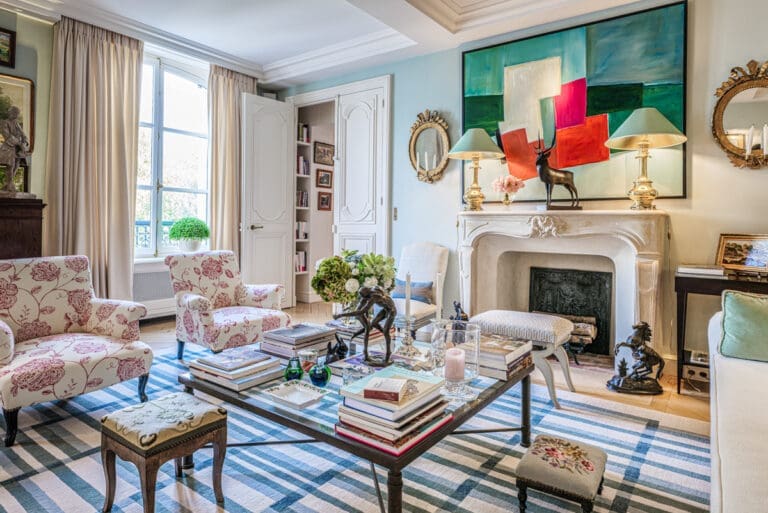
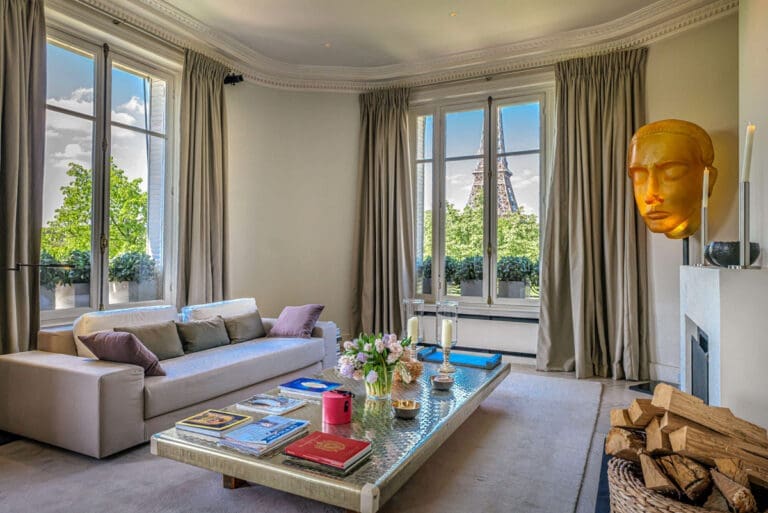
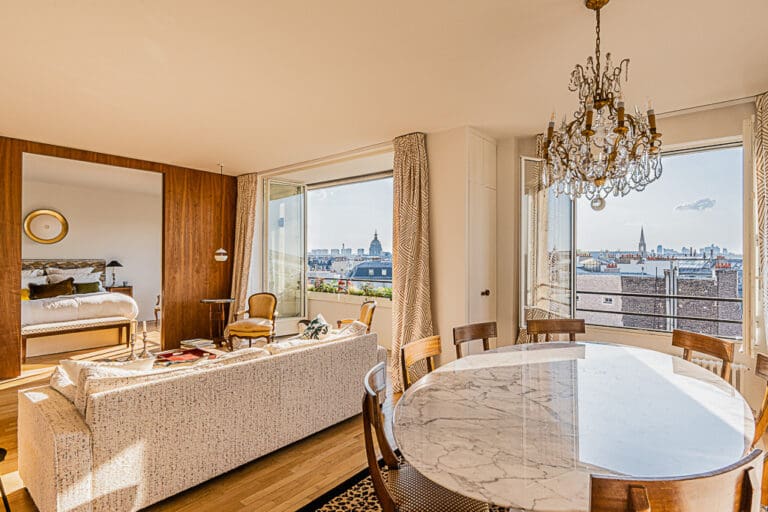
For those planning where to stay while exploring all this, there are villas in 7th arrondissement.
7th arrondissement Food and Wine FAQs
Is rue Cler worth visiting if I only have one morning in the 7th arrondissement?
Yes, particularly on a weekend before midday. It gives a genuine sense of how the neighbourhood shops and eats, and a short visit is enough time to pick up bread, cheese and something to drink for a picnic nearby.
Can I visit a vineyard from the 7th arrondissement?
Not within the arrondissement itself, since it sits in central Paris with no vines nearby. Visiting actual vineyards means a day trip to Champagne or the Loire Valley, both reachable from Paris but requiring a dedicated excursion rather than a quick stop.
When is truffle season in the 7th arrondissement’s restaurants and markets?
Black winter truffles typically appear on menus and in shops from around November through to early spring, sourced from regions such as Périgord and Provence rather than grown locally, and feature most commonly shaved over eggs, pasta or risotto.
Keep reading
More on 7th arrondissement
- Travel guide7th arrondissement Travel Guide
- RestaurantsBest Restaurants in 7th arrondissement
- Families7th arrondissement with Kids
Guides nearby in Ile-de-France
Where to stay
Villas in 7th arrondissement
A selection from our 4 luxury villas in 7th arrondissement.