Best Time to Visit Liverpool: Beatles, Football & Mersey Weather
The best time to visit Liverpool is between May and September, when daytime temperatures average 16-21°C (61-70°F) and the city’s festival calendar is at its fullest. Spring (April-May) and early autumn (September-October) offer a reliable middle ground of mild weather, moderate prices and smaller crowds. Winter (November-February) is the coldest, wettest and cheapest season, best suited to travellers prioritising museums, pubs and football over sunshine.
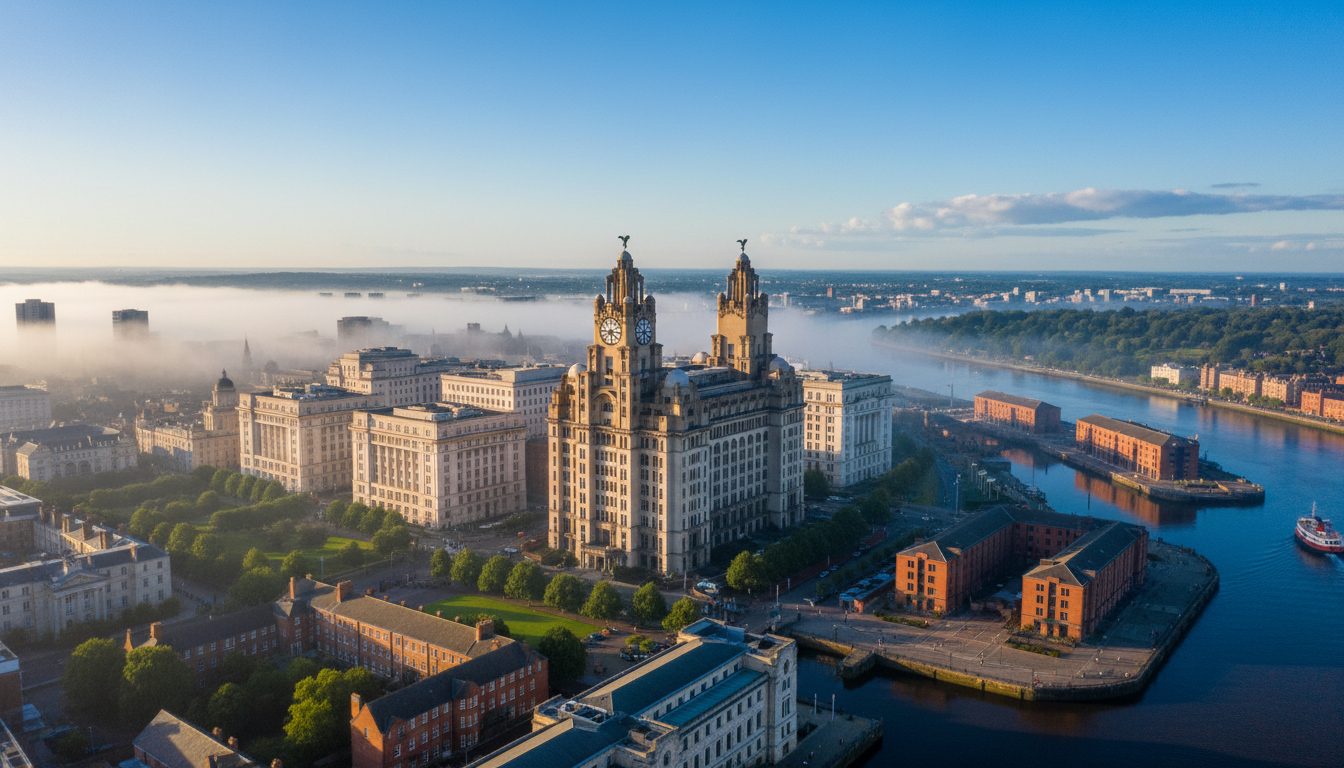
Nobody sensible chooses Liverpool for its climate. You choose it because it produced the most famous band in the world out of damp terraced houses and grey skies, because its people will talk to you in a pub queue like you’re old friends, and because the city’s cultural weight – music, football, maritime history, a waterfront that still looks faintly astonished by its own grandeur – has never once depended on the forecast. The weather here is a supporting actor, occasionally scene-stealing, rarely the reason you came. That said, it does affect how comfortable your trip is, how much you’ll pay, and whether you’ll be sharing the Cavern Quarter with a coach party or three. So let’s get into it, season by season, with the honesty a city this unpretentious deserves. For the fuller picture of what to do once you’ve picked your dates, the Liverpool Travel Guide covers the rest.
Best Time to Visit Liverpool: At a Glance
- Spring (March-May): Mild, often dry spells, Grand National crowds at Aintree, moderate prices.
- Summer (June-August): Warmest and busiest, Beatles festival season, highest hotel rates.
- Autumn (September-November): Cooling fast, fewer tourists, good value, football season in full swing.
- Winter (December-February): Coldest, wettest, cheapest, Christmas markets and quiet museums.
Liverpool in Spring: March, April and May
Spring is when Liverpool starts shaking off winter without quite committing to summer. March still carries a chill, with highs around 10°C (50°F), but by May you’re looking at a more agreeable 16°C (61°F), and the long evenings make the waterfront genuinely pleasant to walk along rather than merely bracing. Rain is a constant companion in any Liverpool season, but spring tends to deliver it in shorter, less committed bursts.
Crowds build steadily through the season, with a notable spike around the Grand National at Aintree in April, when the city’s hotels fill up and prices follow suit for race week specifically. Outside that window, spring remains one of the better-value times to visit. Museums, the Albert Dock and the Beatles-related sites are all fully operational, and you’ll find yourself sharing them with manageable numbers rather than elbow-to-elbow crowds. This suits travellers who want culture without competition – families on half-term breaks, couples wanting a city break that doesn’t require a raincoat budget, and anyone who’d rather queue for ten minutes than ninety.
Liverpool in Summer: June, July and August
Summer is Liverpool at its most confident and its most crowded. Average highs sit between 19-21°C (66-70°F), and while that’s hardly tropical, it’s enough for outdoor festivals, riverside drinking and the kind of long evenings that make the Mersey look almost Mediterranean, if you squint and ignore the ferry horns. July and August are also, somewhat perversely, among the wetter months in Liverpool’s rainfall calendar – the maritime climate doesn’t take a summer holiday just because you did.
This is peak festival season. International Beatleweek draws visitors from genuinely improbable distances in August, filling the city centre with tribute acts, vinyl stalls and a great deal of earnest Beatles trivia. Africa Oyé, a free outdoor music festival in Sefton Park, brings another surge of visitors in June. Expect hotel prices at their highest and popular attractions – the Cavern Quarter especially – at their most crowded. Summer suits first-time visitors who want the full programme of events and don’t mind paying for the privilege, and families making the most of school holidays. It’s less kind to anyone hoping for a quiet pint and an empty museum.
Liverpool in Autumn: September, October and November
Autumn is where Liverpool quietly makes its case as the smart choice. September often retains some of summer’s warmth, with highs around 18°C (64°F), before temperatures drop steadily to 10°C (50°F) by November. The crowds thin noticeably after the school summer holidays end, and prices follow them down. This is also when Liverpool and Everton’s football seasons are in full swing, giving the city a genuine match-day atmosphere without the tourist saturation of August.
Everything remains open – museums, galleries, the docks – and you’ll often find staff with more time to actually talk to you, which in a city built on conversation is no small thing. Rain becomes more frequent and the days shorten fast, so pack accordingly. Autumn suits travellers who want the real, working city rather than its summer performance: football fans, music lovers happy to trade festival crowds for gig-venue intimacy, and anyone allergic to queuing.
Liverpool in Winter: December, January and February
Winter in Liverpool is cold rather than brutal – highs rarely exceed 8°C (46°F), and overnight temperatures hover a few degrees above freezing more often than below it, thanks to the Mersey’s moderating effect. What it lacks in warmth it makes up for in rain, grey skies, and the kind of early darkness that has four o’clock feeling suspiciously like midnight. December brings Christmas markets and festive lights to the city centre, after which January and February settle into the quietest, cheapest stretch of the year.
This is genuinely the off-season, and it has its charms if you’re the sort who prefers an empty gallery to an Instagrammable queue. Hotel rates drop, flights (where applicable) are cheaper, and the city’s indoor attractions – world-class museums, historic pubs, live music venues – are precisely the sort of thing winter weather was invented to send you towards. It suits budget-conscious travellers, football fans happy to brave the cold on a Saturday afternoon, and anyone who finds a rain-lashed waterfront more atmospheric than annoying.
Best Time to Visit Liverpool: Shoulder-Season Advantages
If you want one straightforward answer to when to go, shoulder season – essentially April-May and September-early October – is it. You get temperatures comfortable enough for walking tours and outdoor seating, prices well below the summer peak, and crowd levels that let you actually see the inside of the Albert Dock’s museums rather than the back of someone’s rucksack. Major events are fewer, which some will count as a downside and others as blessed relief.
These months also give you the best odds of a run of dry days, since Liverpool’s rainfall is spread fairly evenly across the year rather than concentrated in a single miserable month. Shoulder season suits independent travellers, photographers chasing softer light on the waterfront, and anyone who has learned the hard way that “summer in Britain” is a promise rarely kept in full.
Best Time to Visit Liverpool in the Off-Season
There’s a reasonable case for visiting in deep winter precisely because almost nobody else does. Hotel rates fall to their lowest, the Beatles sites and museums operate with none of the summer bottleneck, and the city’s pub culture – arguably its finest export after the music – comes into its own when there’s a genuine reason to be indoors with a pint rather than an obligation. The downside is honest: short days, persistent rain, and a waterfront wind that comes straight off the Irish Sea with no manners whatsoever.
Off-season Liverpool suits the traveller who wants the city rather than the spectacle – someone content to spend an afternoon in a museum, an evening in a live music venue, and not mind that the sun set at half past three. For many, that’s a fair trade.
For travellers weighing up when to go, it’s worth deciding where to stay around those dates too: here are villas in Liverpool.
Liverpool Weather and Seasons FAQs
What is the rainiest month in Liverpool?
Liverpool’s rainfall is spread fairly evenly across the year, but late summer months like July and August tend to record slightly higher totals than spring. There’s no genuinely dry month, so packing a waterproof is sensible whenever you travel.
Is Liverpool warm in summer?
Liverpool summers are mild rather than hot, with average highs of 19-21°C (66-70°F) in June, July and August. Warm spells do occur, but a light jacket for evenings is still worth packing.
When is the cheapest time to visit Liverpool?
January and February are typically the cheapest months, with lower hotel rates and fewer visitors at major attractions. Early autumn, after the summer holidays end, also offers good value with milder weather than deep winter.
Keep reading
More on Liverpool
Where to stay
Villas in Liverpool
A selection from our 5 luxury villas in Liverpool.
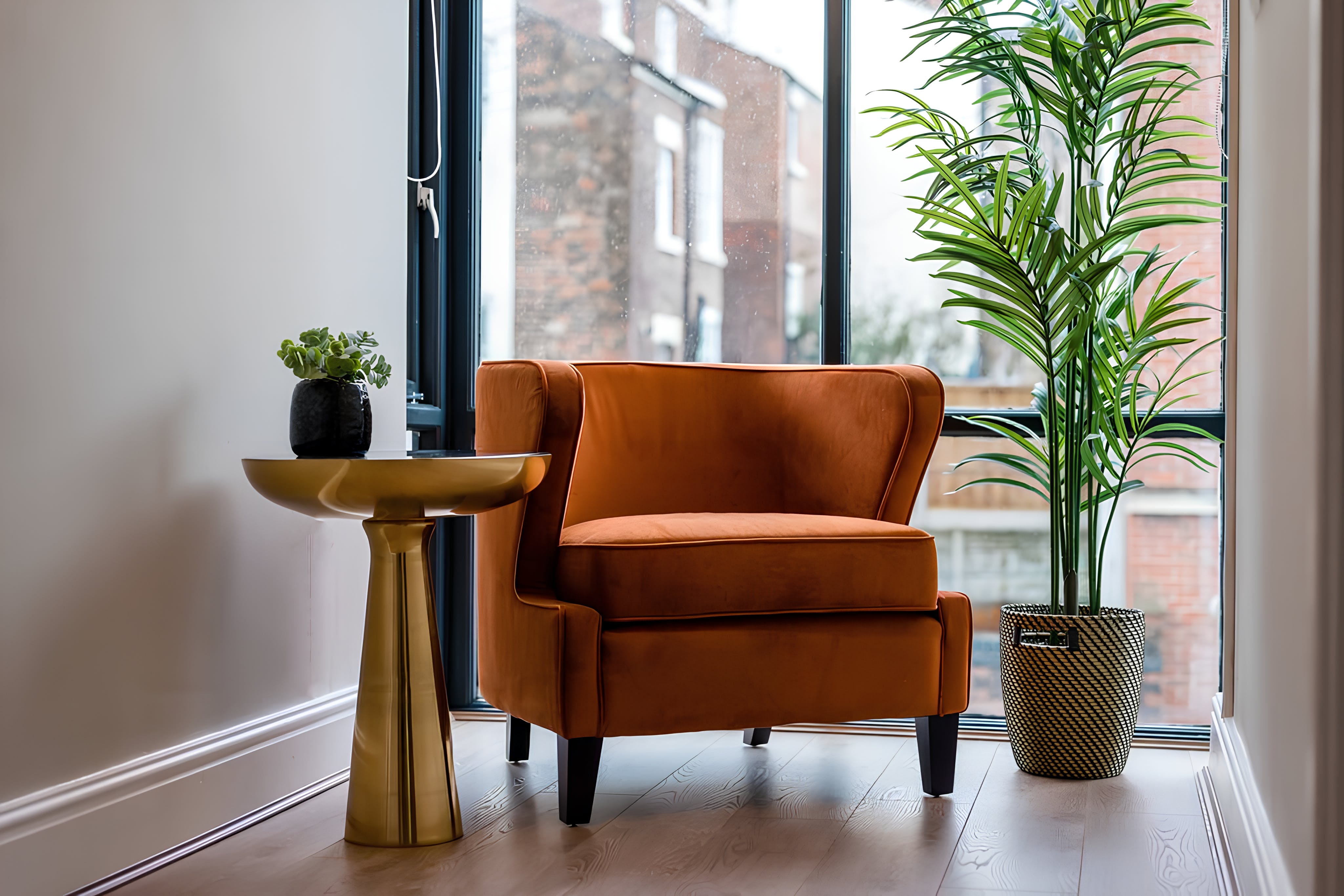 House Sefton Liverpool
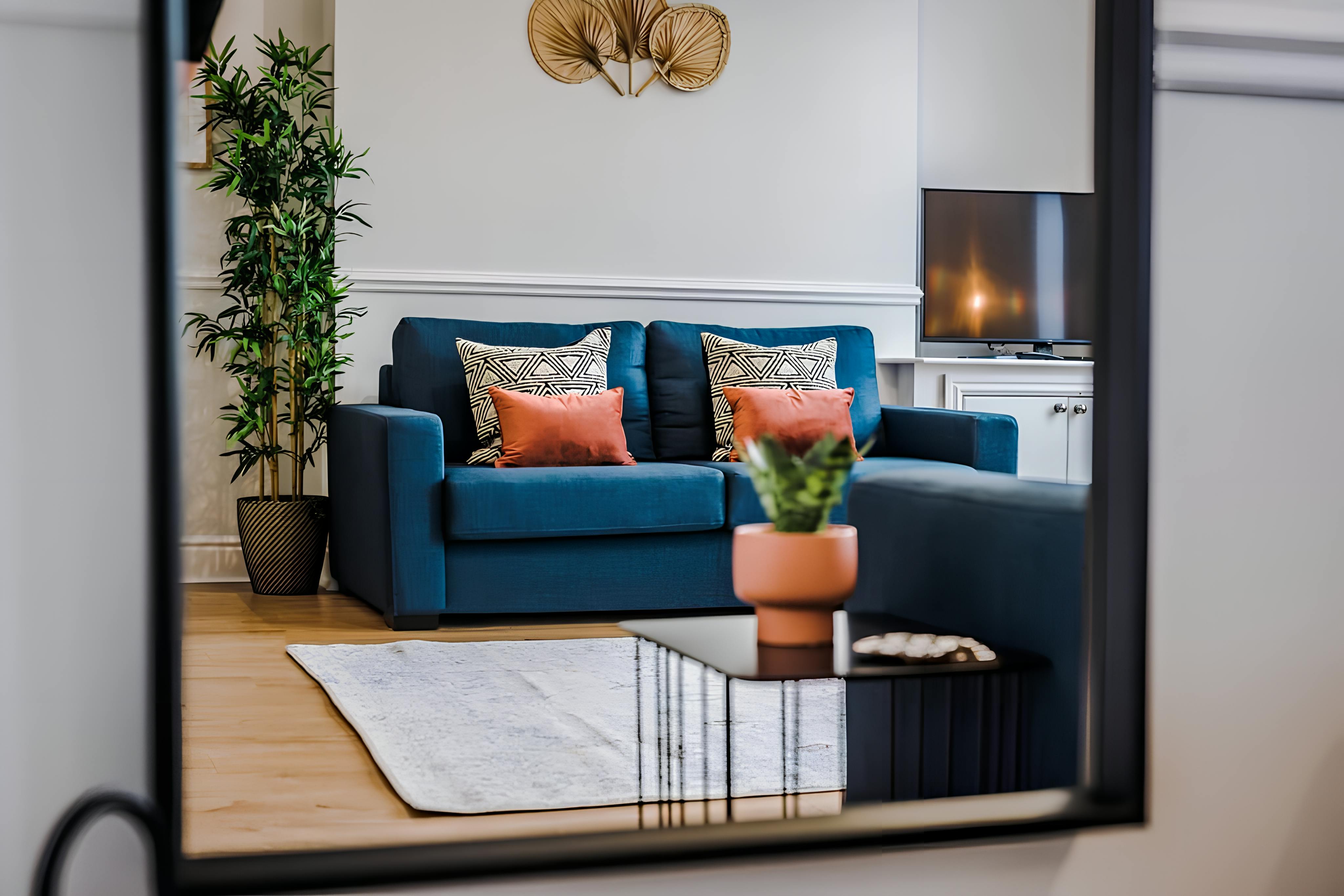 House Mersey Liverpool
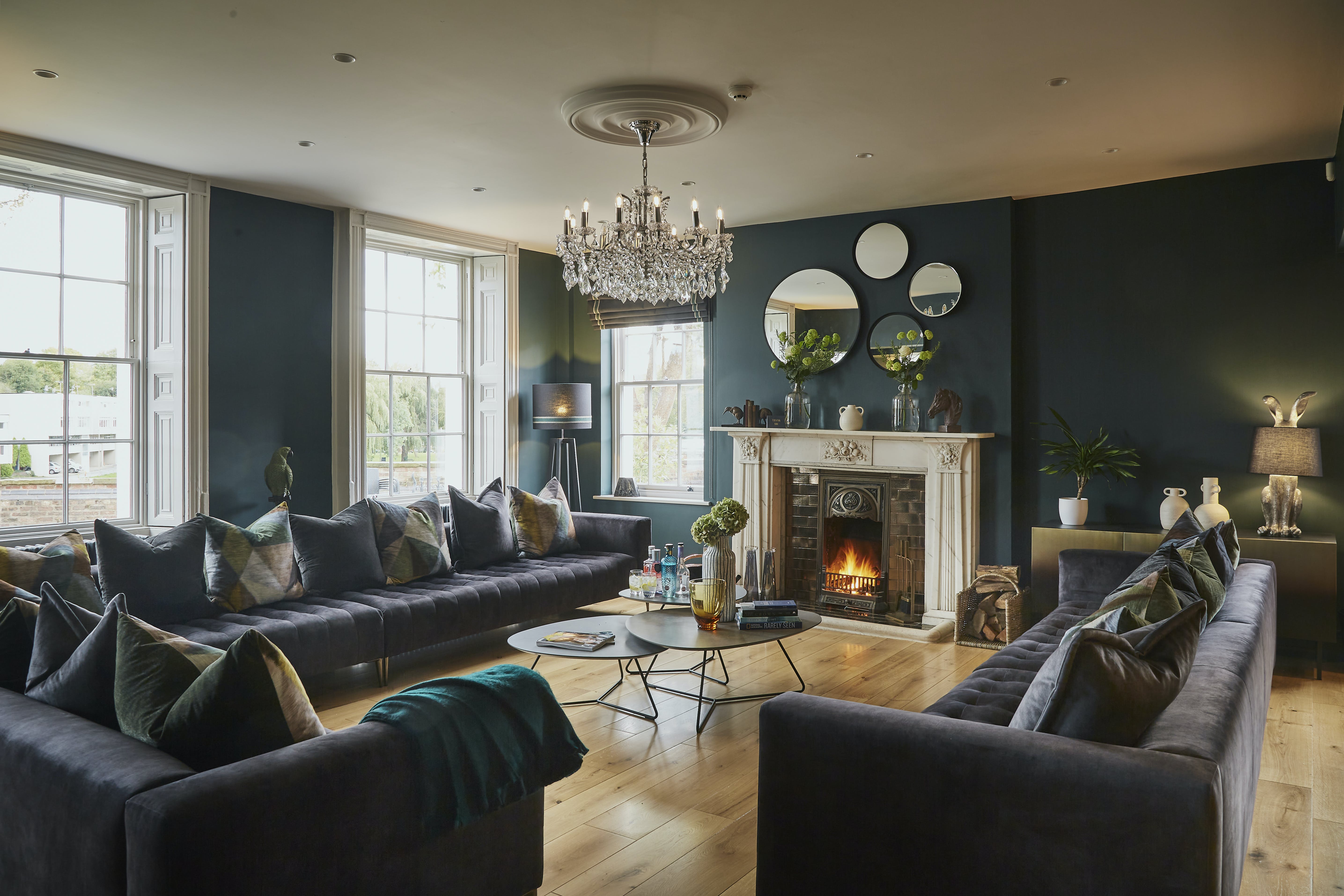 House Dee Chester
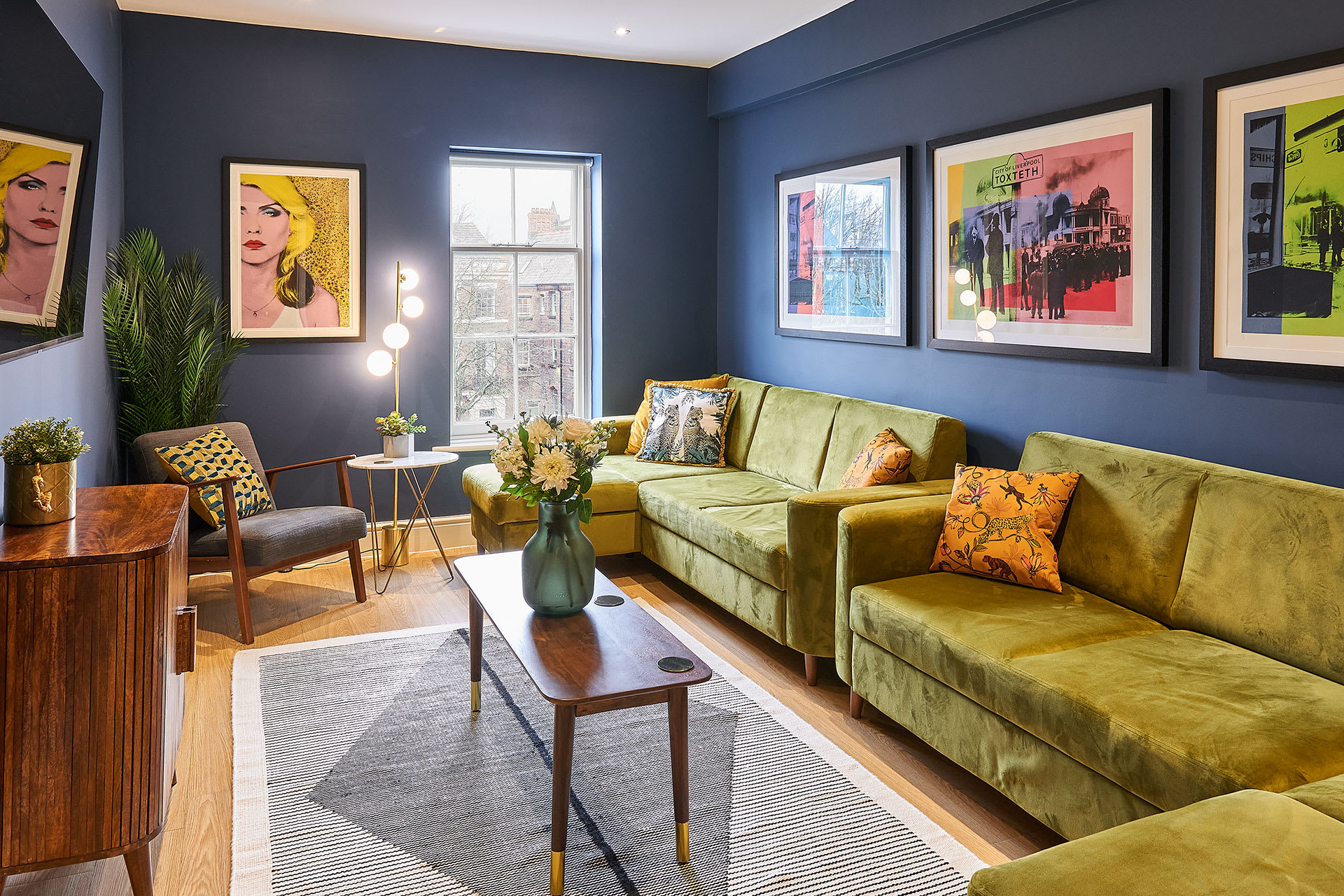 Manor Renshaw Liverpool
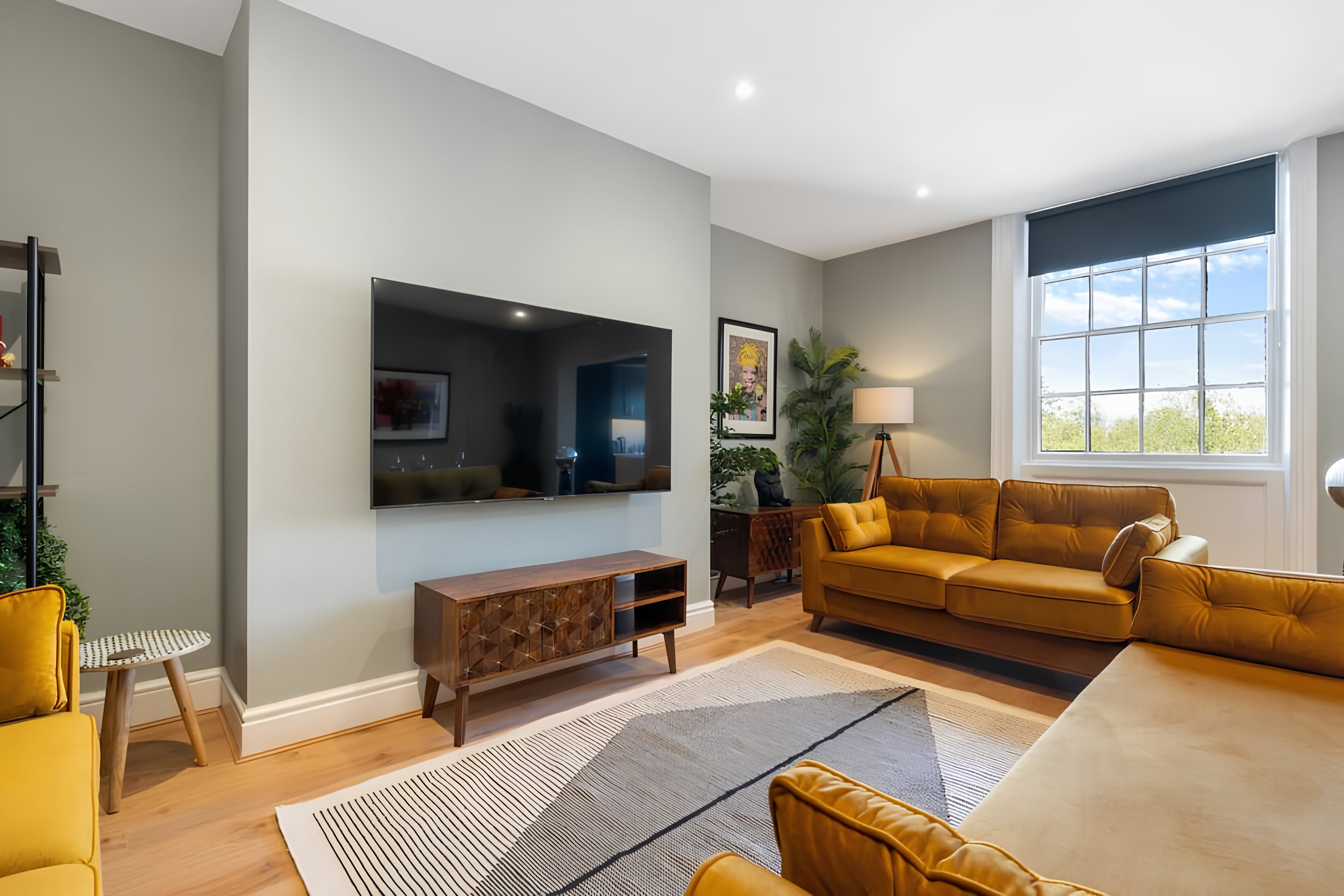 House Storr Liverpool
See all 5 villas in LiverpoolVillas across North West England