Muro Food & Wine: Sobrassada, Ensaimada & Albufera Rice
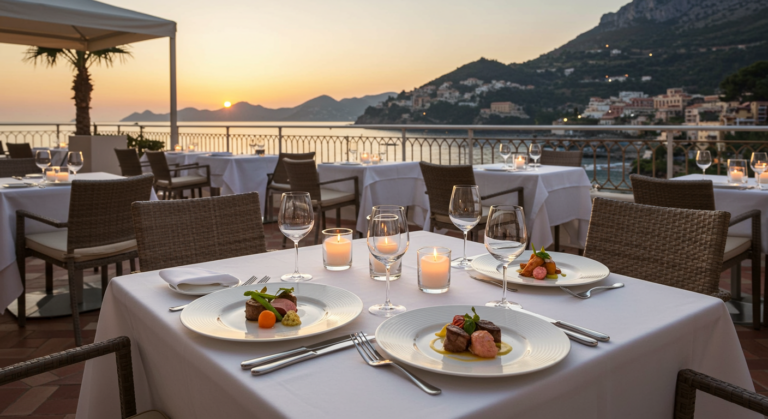
Muro, in the north of Mallorca, is known for sobrassada (a cured, paprika-red pork sausage historically associated with the town), ensaimada pastries, rice dishes drawing on the adjacent Albufera wetlands, and wines from the nearby Binissalem and Pla i Llevant denominations. Its weekly market is one of the best places on the island to buy these products directly from producers. Seasonal highlights include the autumn pig-slaughter tradition, spring almond blossom, and seafood from the Bay of Alcúdia.
Most first-time visitors arrive in Muro expecting paella, sangria and a beach bar with laminated menus in six languages. They find none of it – at least not in the old town – because Muro is not a resort, it is a working agricultural town that happens to sit a few kilometres inland from one. The confusion is understandable, since “Playa de Muro” gets all the sunbeds and most of the Instagram traffic, but the food culture of Muro itself has far more to do with pigs, almonds and wetland rice than with anything served on a cocktail stick. This is Mallorca’s inland cuisine, the kind built by farmers who needed to make a pig last all winter, not the kind built for tourists who need lunch by 1pm.
For context on the wider area, the Muro Travel Guide covers the town’s history and sights in more detail. This piece is strictly about what ends up on the plate – and in the glass.
Muro Food and Wine: What Makes the Local Cuisine Distinctive
Mallorcan cuisine divides fairly neatly into coastal and interior traditions, and Muro sits firmly in the latter camp despite being only a short drive from some genuinely good beaches. The food here is what Mallorcans sometimes call cuina de muntanya i de secà – mountain and dryland cooking – built around pork, legumes, bread, almonds and whatever vegetables the dry island soil could be persuaded to produce. It is not showy food. It was never meant to be. It was meant to get a farming family through a Mallorcan winter, which can be colder and wetter than the postcards suggest.
What makes Muro specifically interesting is its position next to S’Albufera, the largest wetland in the Balearics. This brought rice, eel and waterfowl into a diet that was otherwise almost entirely terrestrial, giving the town’s cooking a slightly unusual dual character – part dry-land peasant food, part wetland catch. Add to this Muro’s long-standing reputation for sausage-making, and you have a food identity that is genuinely its own rather than a generic “Mallorcan” label applied retrospectively for tourist menus.
Signature Dishes in Muro: Sobrassada, Ensaimada and Rice from the Albufera
Sobrassada is the dish most closely tied to Muro’s reputation, a soft, spreadable cured sausage made from minced pork, pork fat and pimentón, aged until it reaches that distinctive brick-red colour and almost paste-like texture. Spread warm on bread, fried with a drizzle of honey, or tucked into pastries, it is the town’s culinary calling card and has been for generations – Muro was historically one of the island’s key sausage-producing towns, and butchers here still take the craft seriously.
Ensaimada, the coiled, lard-enriched pastry dusted with icing sugar, is a Mallorcan staple generally, but it is taken with particular pride across Muro and the surrounding villages, where bakeries still produce it the slow way rather than the supermarket-shelf way. Then there is arròs brut, a loose, soupy rice dish built on pork, chicken and whatever vegetables are to hand, which owes its character directly to the Albufera’s rice-growing history. Eel, when you can find it on a menu, is usually prepared simply – fried or stewed – and is one of the few genuinely wetland-specific dishes left on Mallorcan tables. Pa amb oli, bread rubbed with tomato and olive oil, rounds out the everyday eating and appears, in one form or another, at almost every meal.
Muro Wine: Binissalem and Pla i Llevant
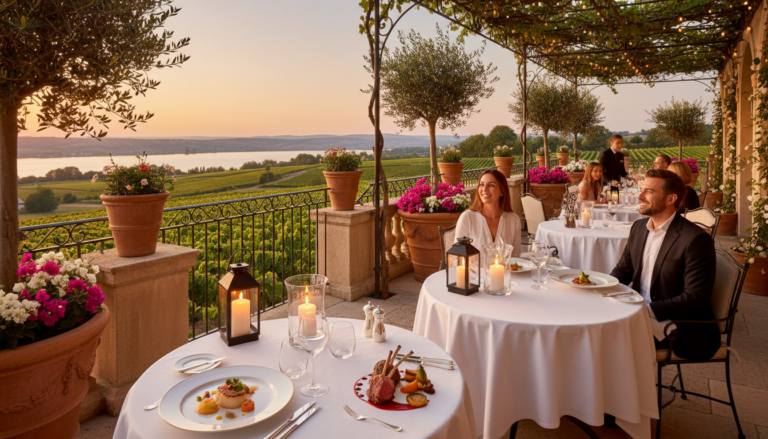
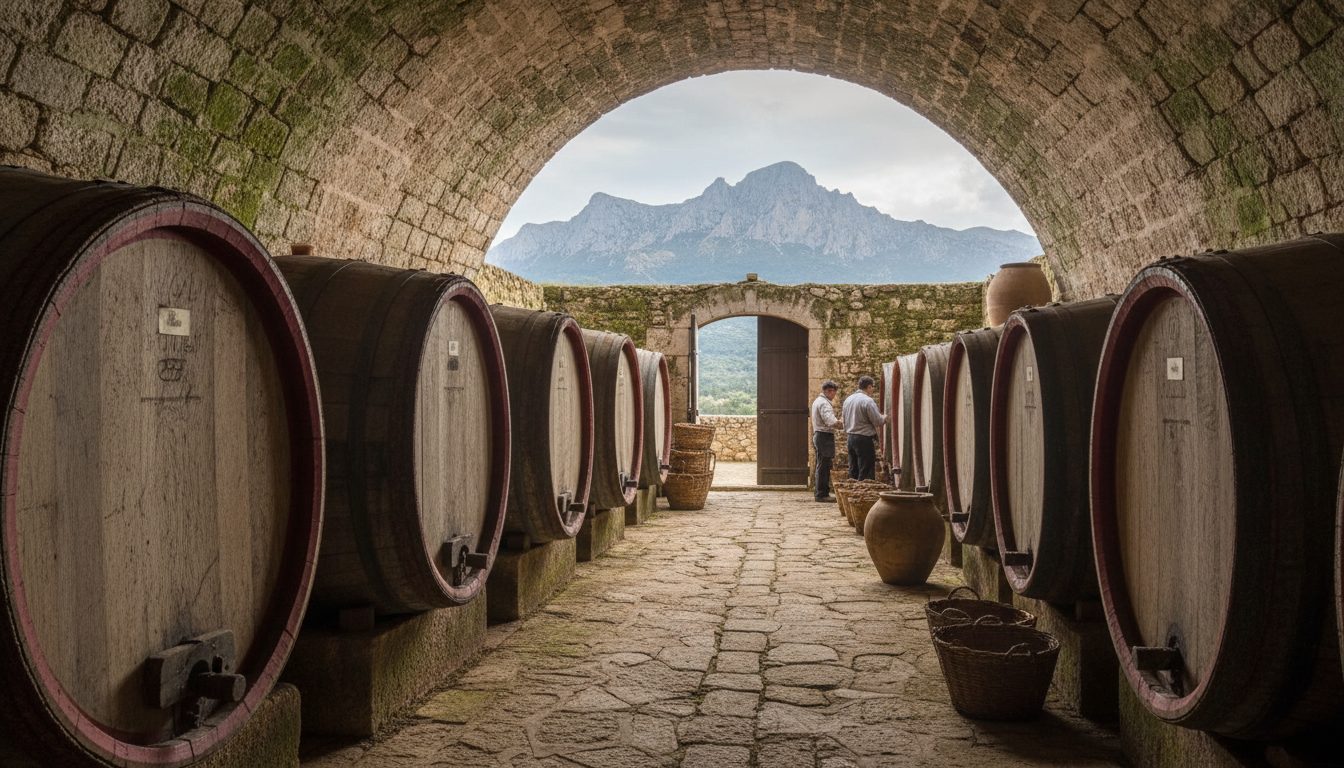
Mallorca’s wine industry nearly vanished in the late nineteenth century when phylloxera wiped out most of the vineyards, and it has only properly recovered over the past few decades – which makes the current quality rather more impressive than its relatively quiet international reputation suggests. Muro sits within reach of two of the island’s main wine denominations: DO Binissalem, known for reds built around the native Manto Negro grape, and DO Pla i Llevant, a looser, more experimental zone that has embraced both native and international varieties with some success.
Local reds tend to be dark fruited, earthy and built for food rather than for sipping alone on a terrace, though plenty of visitors do exactly that anyway (nobody is judging – much). Whites and rosés made from Prensal Blanc and Moll grapes offer a lighter, more mineral counterpoint, particularly useful alongside the island’s seafood. Family-run wineries across both denominations welcome visitors for tastings, generally by appointment, and a half-day given over to a drive between a couple of them, with a proper lunch in between, is one of the better uses of time near Muro.
Food Markets in Muro
Muro’s weekly market is the town’s culinary heartbeat, and it is worth planning a morning around rather than squeezing in as an afterthought. Stalls sell sobrassada and other cured meats direct from local producers, along with almonds, olives, honey, cheeses and seasonal fruit and vegetables grown on the surrounding plain. It is a genuinely local market in the sense that half the town seems to turn up, trolley in hand, rather than a performance staged for visitors – which is precisely why it is worth seeing.
Beyond the main market day, smaller family-run shops around the old town sell sobrassada, ensaimadas and bread throughout the week, and it is entirely possible to assemble an excellent picnic without ever sitting down in a restaurant. Buying directly from producers also tends to be considerably cheaper than buying the same products packaged for the airport, a fact seasoned travellers quietly exploit on their way out.
Cooking Classes in Muro
Hands-on cooking experiences around Muro and the wider Mallorcan countryside typically focus on the island’s core techniques – making sobrassada from scratch, preparing paella or arròs brut properly (there is a correct way, and islanders have opinions about it), or baking ensaimada using traditional lard-based dough. Classes are usually run from farmhouses or agriturismo-style properties and often include a market visit beforehand, so participants are cooking with ingredients they picked out themselves rather than something pre-bagged.
These sessions tend to run in small groups, which makes them a reasonably sociable way to spend a morning, and most wrap up with the group eating what they have made – always the best part of any cooking class, regardless of destination. Booking ahead is advisable, particularly in high season, since good instructors tend to be busy and classes limited in size by design rather than by accident.
Seasonal Specialities in Muro: Matanza, Olive Oil and Seafood
Autumn and early winter bring the matanza, the traditional pig slaughter and processing season that produces much of the sobrassada eaten throughout the rest of the year. It is a communal, practical tradition rather than a tourist spectacle, though its influence is felt on every menu that features cured pork products, which is most of them.
Late autumn also brings the olive harvest, with oil pressed from groves across the island’s interior, often with a notably peppery finish that suits the region’s heartier dishes. Spring is almond blossom season across the plains around Muro, a genuinely lovely sight that also signals the start of the island’s almond-based pastries and nougats reappearing properly on shop counters. Summer, meanwhile, shifts attention toward the coast, with fresh catch from the Bay of Alcúdia – prawns, small fish fried whole, and squid – making its way onto menus closer to the water, even if the town itself remains resolutely more pork than prawn in character.
Best Food Experiences in Muro
If time is short, prioritise the weekly market, a sobrassada tasting direct from a producer, and at least one proper sit-down lunch featuring arròs brut or another rice dish that nods to the Albufera next door. Pair it with a Binissalem red and the meal starts to feel less like tourism and more like an accurate impression of how the town actually eats.
A half-day wine visit, ideally combining a Binissalem estate with lunch somewhere that takes its ingredients seriously, rounds out the picture nicely. None of this requires much planning or expense – which is, in its own quiet way, part of Muro’s appeal. The food here was never designed to impress outsiders. It simply happens to do so anyway.
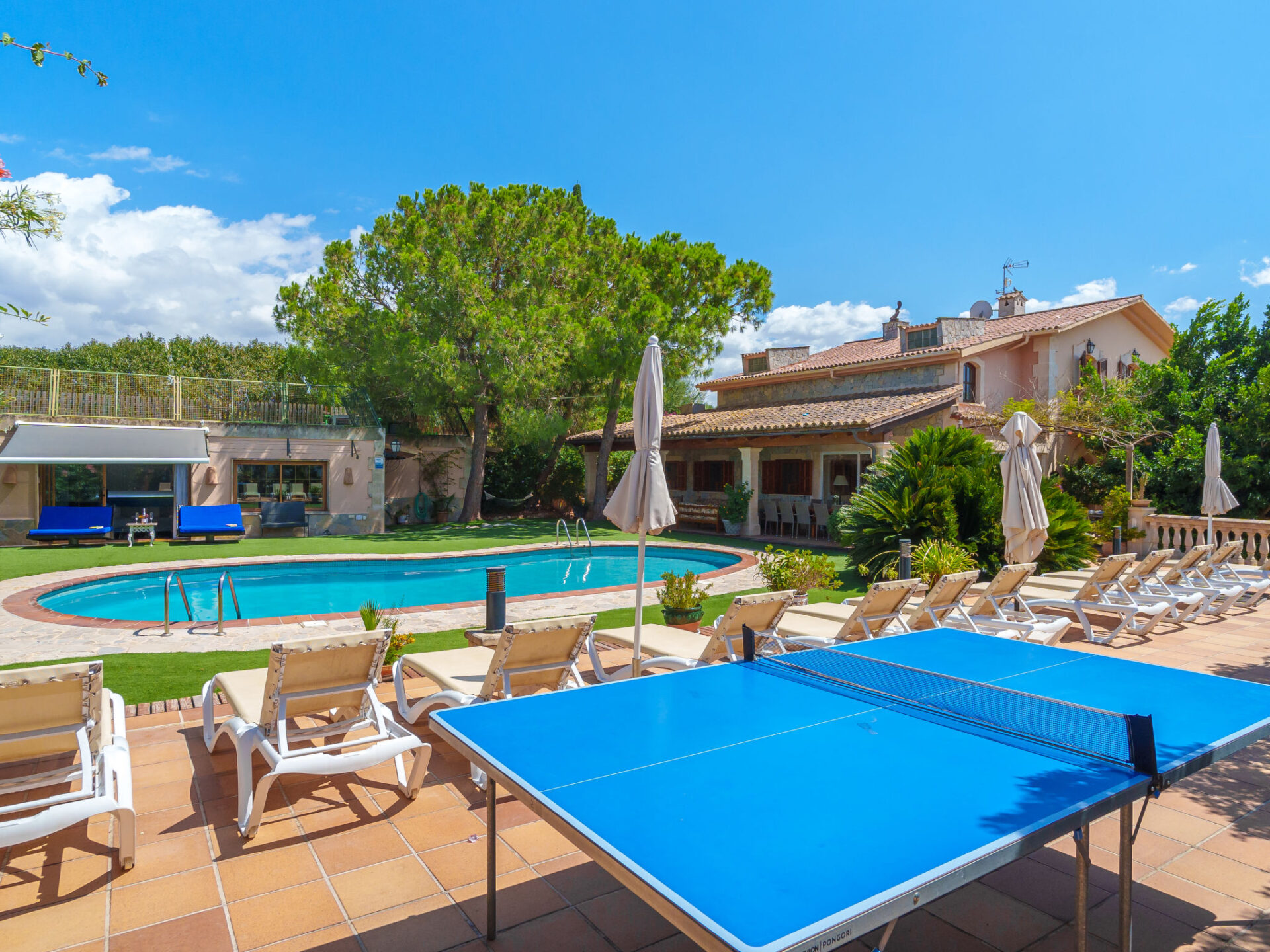
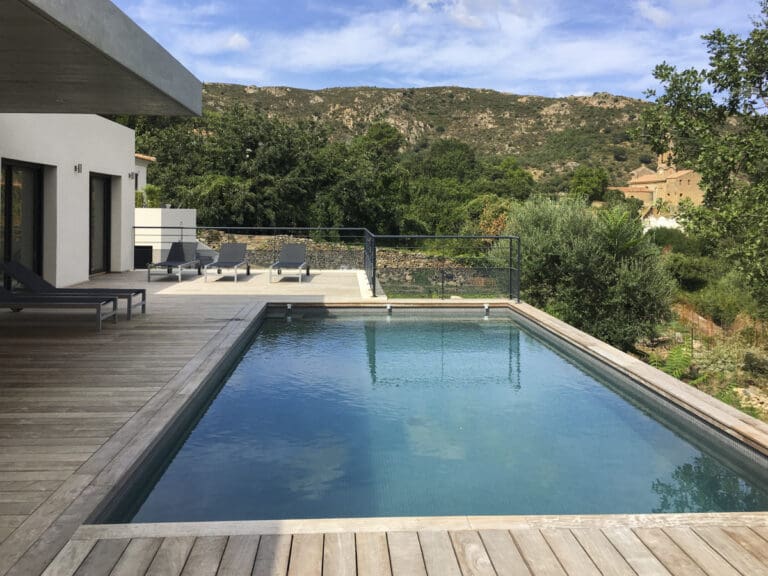
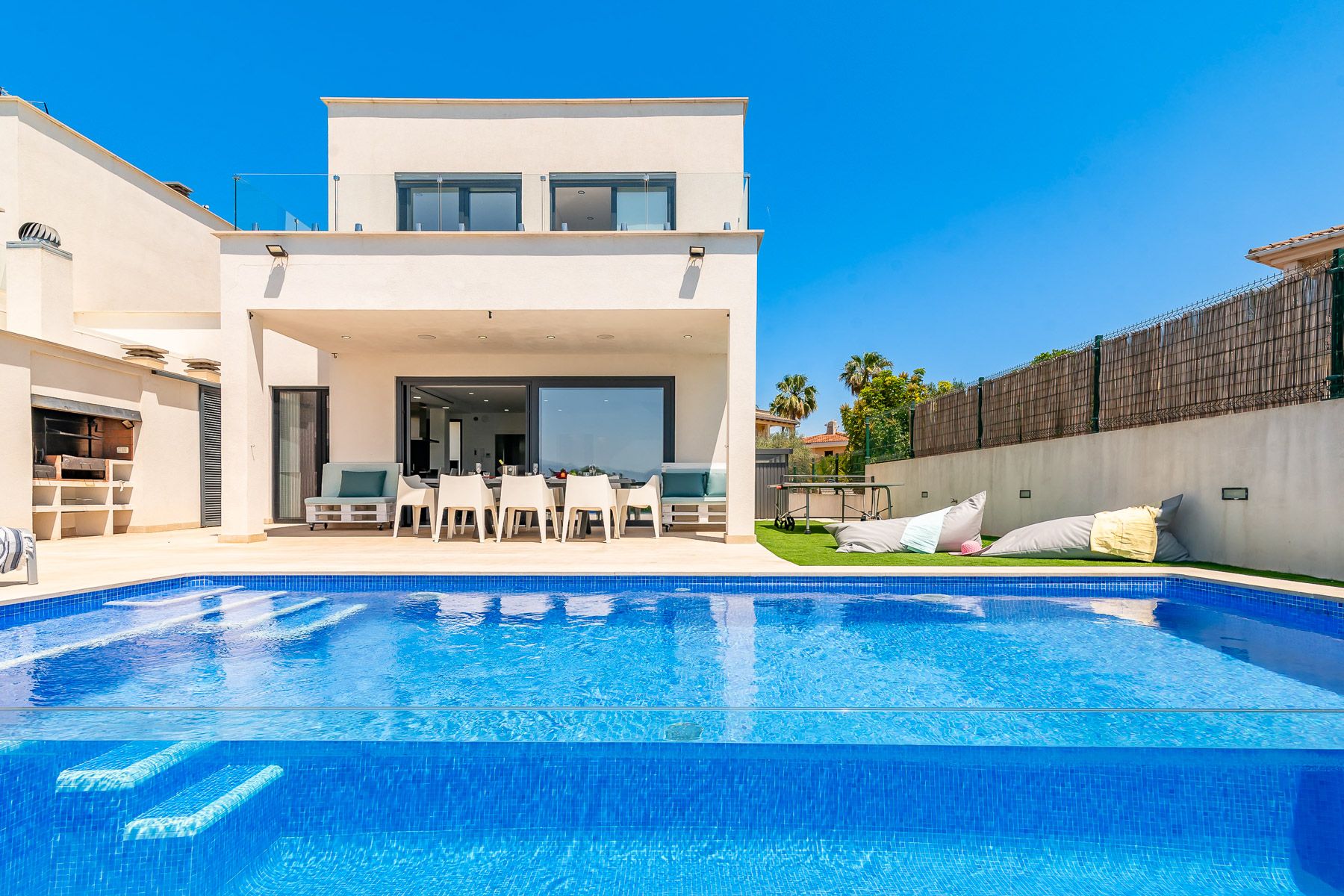
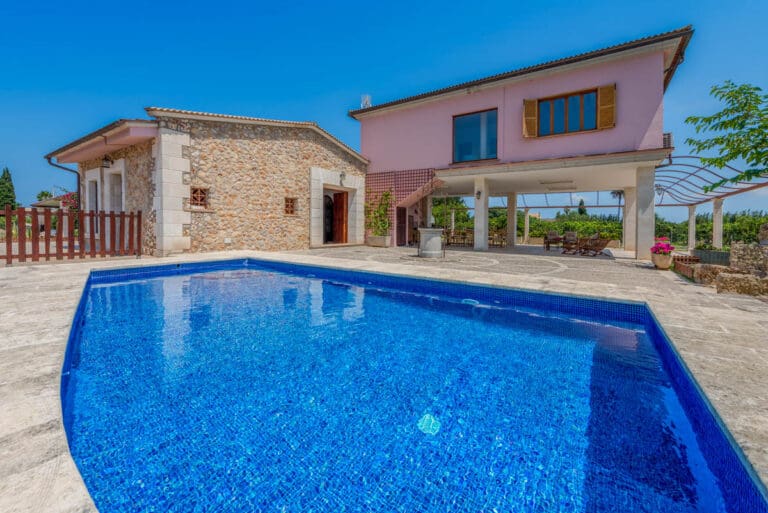
For those planning where to base themselves while eating their way around the town, there are villas in Muro within easy reach of the market and the surrounding wine country.
Muro Food and Wine FAQs
What is Muro, Mallorca, best known for food-wise?
Muro is best known for sobrassada, a soft cured pork sausage, along with ensaimada pastries and rice dishes influenced by the neighbouring Albufera wetlands.
Which wines come from near Muro?
Muro lies within reach of two Mallorcan wine denominations, DO Binissalem and DO Pla i Llevant, both known for reds based on native grape varieties such as Manto Negro alongside lighter whites and rosés.
When is the best time to visit Muro for food experiences?
Spring suits almond blossom and lighter produce, autumn brings the pig-slaughter season behind much of the town’s sobrassada, and summer shifts the focus toward fresh seafood from the nearby coast.
Keep reading
More on Muro
Guides nearby in Spain
Where to stay
Villas in Muro
A selection from our 23 luxury villas in Muro.