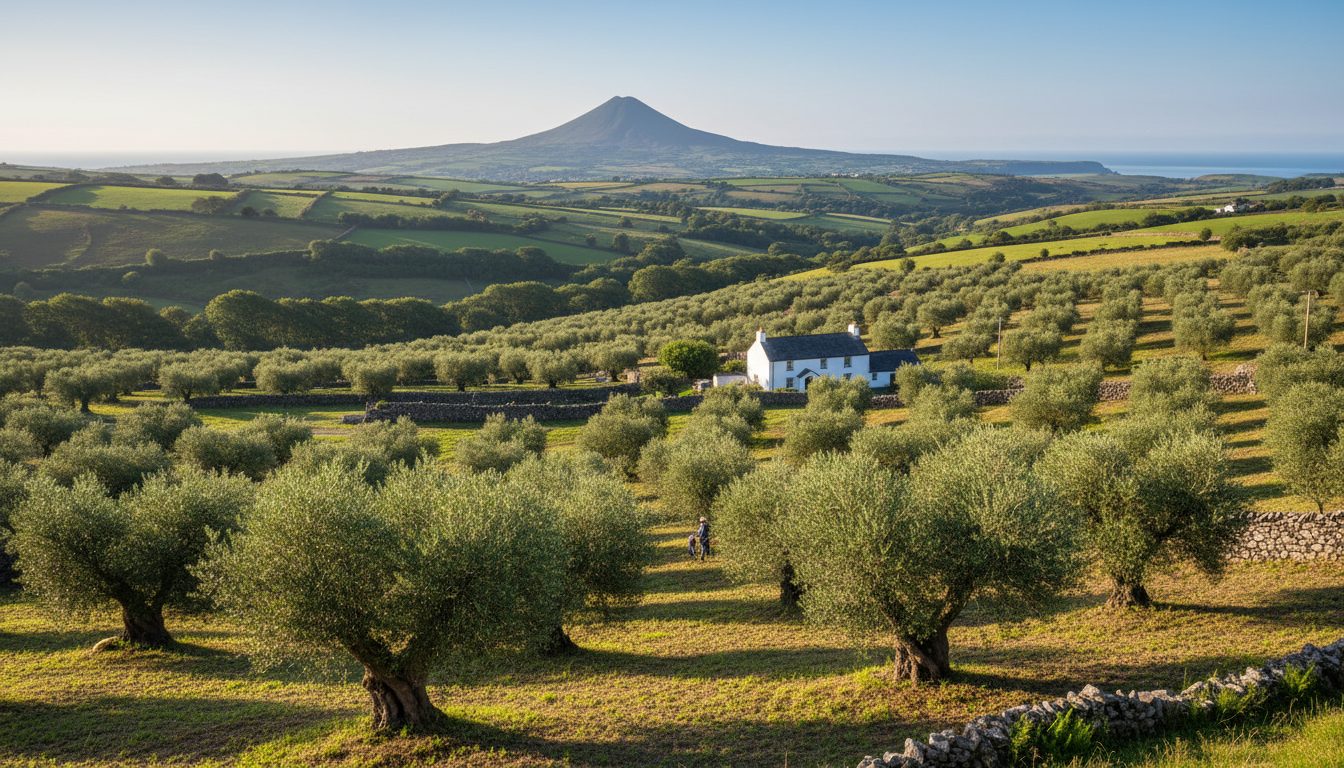
Dyfed Food & Wine: Carmarthen Ham & Cardigan Bay Seafood
Dyfed food and wine centres on Welsh lamb, Cardigan Bay seafood and Carmarthen’s air-dried ham, supported by dairy farms, small-batch cheesemakers and a growing number of Welsh vineyards. Market towns such as Carmarthen, Cardigan and Aberystwyth hold regular food markets, and farm shops and seasonal seafood stalls are common along the coast. The region is better suited to farmhouse cooking, foraged ingredients and fresh produce than to grand wine estates.
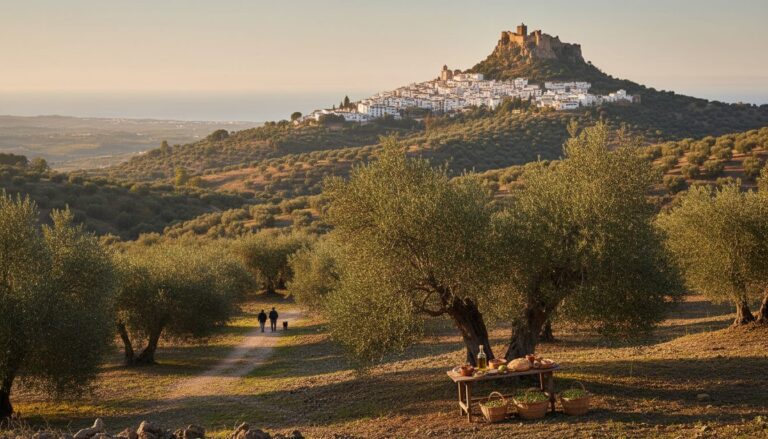
I’ll confess something: I turned up in Dyfed expecting the culinary equivalent of a wet Tuesday – boiled everything, a slab of something stoic called cawl, and a general air of making do. What I found instead was a county quietly getting on with some of the best unfussy eating in Britain, helped enormously by the fact that almost nothing here has to travel far to reach your plate. The lamb grazes on salt marsh a few miles from where it’s served. The crab comes off boats that left that morning. Even the ham, which has been cured the same way since long before anyone thought to put “artisan” on a label, is made a short drive from where you’ll eat it. Dyfed doesn’t do culinary theatre. It does the raw materials properly, and then mostly leaves them alone.
Dyfed Food and Wine: At a Glance
Signature foods: Carmarthen ham, Welsh salt marsh lamb, Cardigan Bay crab and lobster, laverbread, sewin (sea trout), cockles. Best for: farmhouse cooking, coastal seafood, farm shops, small-batch cheese. Wine: a handful of emerging Welsh vineyards rather than an established wine region. Best season for food: spring for lamb and early Pembrokeshire potatoes, summer and autumn for shellfish and crab.
Regional Cuisine in Dyfed
Dyfed’s cooking grew out of necessity rather than fashion, which is precisely why it works so well now. This was crofting and fishing country, where every part of an animal got used and the sea provided what the thin upland soil couldn’t. Cawl – a lamb and root vegetable broth, simmered slowly and traditionally served with a chunk of Caerphilly-style cheese on the side – remains the dish most associated with the region, and rightly so. It’s the sort of thing that sounds unremarkable on a menu and then quietly undoes you on a cold, wet afternoon, which in Dyfed is most afternoons.
Dairy farming runs through the county’s identity, as does a genuine respect for seasonality that predates the word becoming fashionable. Expect rich butter, proper buttermilk, and bara brith – a dense, fruited tea loaf – turning up at every farmhouse café worth its salt. The cooking here isn’t delicate. It’s built for appetite, weather and long walks, and it tends to taste better for it.
Signature Dishes in Dyfed
Carmarthen ham deserves top billing. Air-dried in the traditional way around the town of Carmarthen, it’s often compared to Parma or Serrano ham, and the comparison is fair – thin-sliced, deeply savoury, and one of the few genuinely old food traditions in Britain that survived industrialisation largely intact.
Laverbread – cooked, pureed seaweed, usually served with bacon and cockles for breakfast – is an acquired taste that most visitors acquire faster than they expect to. Sewin, the local sea trout caught in the Towy and Teifi rivers, has a delicacy that farmed salmon simply can’t match. Pembrokeshire’s early potatoes, grown in sandy coastal soil and harvested unusually early in the season, have a genuine following among Welsh cooks who treat their arrival each spring as something worth marking. Add Welsh lamb, raised on salt marsh pasture near the river estuaries and prized for a faint, mineral sweetness, and you have the backbone of Dyfed’s table.
Dyfed Wine and Local Producers
Let’s be honest about this one: Dyfed is not Burgundy, and nobody serious is pretending otherwise. Wales as a whole has only recently begun producing wine in meaningful quantities, as warmer growing seasons make vines viable in places that would have laughed at the idea twenty years ago. A small number of vineyards have been planted across Dyfed and the wider region, mostly producing crisp whites and sparkling wines that suit the cooler climate rather than fighting it. These are modest, curious, small-batch operations rather than grand estates with cellar tours and gift shops, and that’s part of their charm – you’re tasting something genuinely in its early chapters.
What Dyfed does have, in greater supply, is cider and perry from local orchards, along with an increasing number of craft breweries making use of Welsh hops and spring water. If wine is the aspiration, beer and cider are the reliable local currency.
Food Markets in Dyfed
Market towns across Dyfed hold regular markets that remain genuinely useful rather than performative – locals doing their actual shopping rather than visitors photographing artisan jam. Carmarthen, Cardigan and Aberystwyth all run markets selling local meat, cheese, baked goods and seasonal vegetables, often in buildings that have done the same job for well over a century. Coastal towns add seafood stalls selling cockles, crab and lobster landed that morning, sold with the brisk, unbothered efficiency of people who’ve been doing this their whole lives and have no particular interest in your opinion of it.
Farm shops fill in the gaps between market days, and in a county this rural, they’re often the most reliable source of genuinely local produce – cheese made down the road, honey from the next valley, vegetables pulled from the ground that morning.
Cooking Classes in Dyfed
Dyfed isn’t a destination built around formal culinary schools, and that’s rather the point. The learning here tends to happen informally – a farmhouse kitchen showing you how cawl is actually meant to taste, a coastal smokehouse explaining why their laverbread differs from the next village’s, a cheesemaker letting you watch the process rather than lecturing about it. Visitors genuinely interested in the craft behind Dyfed food and wine will find small-scale producers happy to talk at length about their methods, provided you show up with reasonable curiosity and don’t mind the smell of a working farm. It’s unpolished in the best possible way.
Seasonal Specialities in Dyfed
Spring brings the new season’s Welsh lamb and Pembrokeshire’s early potatoes, both worth planning a trip around if you take your vegetables seriously. Summer is crab and lobster season along Cardigan Bay, with shellfish at its sweetest and most plentiful. Autumn turns attention back inland, toward game, mushrooms foraged from the woodland that covers much of Dyfed’s interior, and the first of the season’s apples going into cider presses. Winter is cawl weather – thick, warming, and entirely without pretension, much like the county itself.
Best Food Experiences in Dyfed
The best food experience in Dyfed isn’t a single meal but a rhythm: a market morning in one of the county’s old trading towns, an afternoon spent on the coast eating freshly dressed crab out of a paper tray with your fingers (there’s no elegant way to do this, and anyone claiming otherwise is lying), and an evening finishing with a proper bowl of cawl somewhere that’s been making it the same way for decades. Add a visit to a small farm shop or cheesemaker, and a glass of something local and slightly unexpected from one of the county’s young vineyards, and you’ve covered the full, unpretentious range of what Dyfed food and wine actually offers.
For more on getting around and what else to see, the Dyfed Travel Guide covers the wider county beyond the table.
Travellers planning where to base themselves can find villas in Dyfed.
Dyfed Food and Wine FAQs
What is the most traditional dish to try in Dyfed?
Cawl, a slow-cooked lamb and vegetable broth, is the dish most closely associated with the region and widely considered the most representative of traditional Dyfed cooking.
Does Dyfed produce its own wine?
Yes, though on a small scale. A number of vineyards have been planted across the county in recent years, mostly producing white and sparkling wines suited to the cooler Welsh climate.
When is the best time to visit for seafood in Dyfed?
Summer and early autumn offer the best crab and lobster from Cardigan Bay, while cockles and laverbread are available year-round from coastal markets and farm shops.
Keep reading
More on Dyfed
- Travel guideDyfed Travel Guide
- When to goBest Time to Visit Dyfed
- RestaurantsBest Restaurants in Dyfed
- FamiliesDyfed with Kids
Guides nearby in Pembrokeshire
Where to stay
Villas in Dyfed
A selection from our 5 luxury villas in Dyfed.