Best Time to Visit Powys: Hay Festival, Red Kites & Elan Valley
The best time to visit Powys is from May to September, when daytime temperatures average 15-20°C (59-68°F) and the hills and reservoirs are at their driest underfoot. Late May into early June brings the Hay Festival to Hay-on-Wye, and July’s Royal Welsh Show in Builth Wells is the county’s largest annual event. Winter visits (November to February) are quiet and considerably cheaper, but expect persistent rain, short daylight hours and the odd closed upland road.
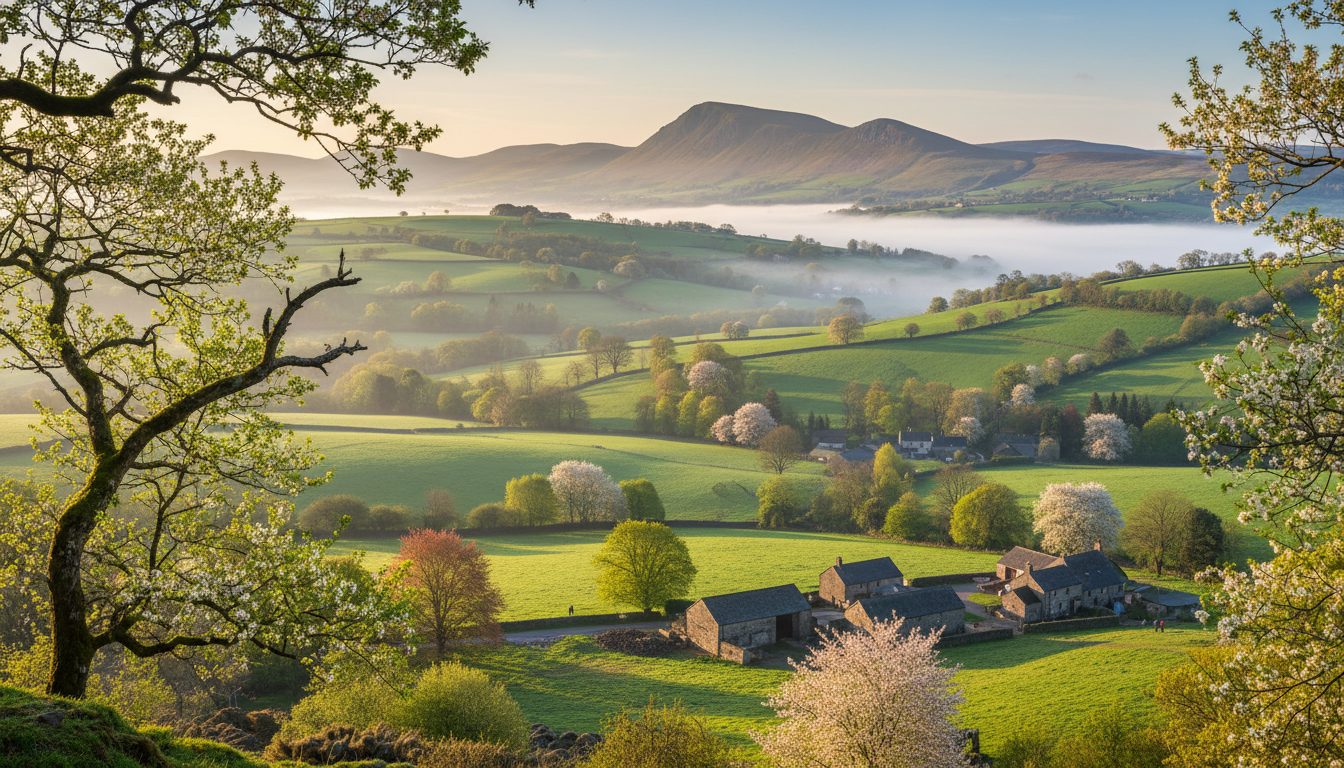
There’s a particular smell that announces Powys before the signpost does – wet bracken, cold stone, and something faintly peaty drifting off the hills whichever direction the wind happens to be blowing. It arrives somewhere around Knighton or Builth Wells, depending on your route, and it rarely leaves. Mornings here have a habit of starting in mist: the Elan Valley reservoirs holding their breath under a grey lid until, around nine, the sun gets on with it and a red kite or two starts carving lazy circles overhead as if supervising the whole operation. This is a county that rewards patience with weather and punishes anyone who packed only one jumper.
Best Time to Visit Powys at a Glance
May to September is the reliable window for walking, outdoor festivals and the longest daylight. Late spring (May-June) and early autumn (September) offer the best balance of decent weather and manageable crowds. July and August bring the warmest temperatures but also the Royal Welsh Show traffic and school-holiday visitors clogging the single-track lanes. Winter is cold, wet and genuinely lovely if you don’t mind having a reservoir entirely to yourself.
Spring in Powys: March, April and May
Spring arrives late and reluctantly in Powys, which is to say it behaves exactly like spring everywhere else in Wales. March temperatures hover around 7-10°C (45-50°F) with frequent sideways rain; by May you’re looking at a more agreeable 12-16°C (54-61°F) and noticeably longer evenings. Lambs appear in the fields with cheerful disregard for the weather forecast, and the hedgerows along the Wye and Usk valleys fill with blackthorn blossom.
Crowds are light for most of spring, picking up sharply at the very end of May when the Hay Festival takes over Hay-on-Wye for ten days of literary talks, book signings and surprisingly good coffee queues. Accommodation in and around Hay books out well in advance for festival dates, so this is the one spring fixture to plan around rather than drift into. Outside that fortnight, spring suits walkers who’d rather have the Brecon Beacons’ paths to themselves than share them with August’s bucket-hat brigade.
Summer in Powys: June, July and August
Summer is when Powys makes its best case for itself. Daytime temperatures typically sit between 17-21°C (63-70°F), occasionally nudging higher, and the long evening light over the Cambrian Mountains is worth the drive alone. June and early July are the sweet spot: warm enough for swimming in the rivers, before the main school-holiday crush arrives.
July brings the Royal Welsh Show to Builth Wells, four days of livestock, show-jumping and enough tractors to make the A483 feel like a parking study. It’s a genuinely good event if agricultural shows are your thing, and even if they’re not, the atmosphere is hard to resist. August is the busiest month overall, with families filling the Brecon Beacons car parks and canoe hire on the Wye doing brisk trade. Book accommodation and restaurant tables well ahead for both the show and the school holidays – this is Powys at its most sociable, and its most booked-up.
Autumn in Powys: September, October and November
September is arguably the connoisseur’s month: temperatures still a respectable 13-17°C (55-63°F), the summer crowds gone home, and the hills turning bracken-gold in a way that photographs rather better than it describes. The Elan Valley reservoirs are particularly good for this – still water, low light, nobody else around except the occasional red kite checking you’re not a sandwich.
By October, temperatures drop to around 9-13°C (48-55°F) and the rain returns with its familiar enthusiasm. Market towns like Llandrindod Wells and Welshpool settle back into their quieter, everyday rhythm, and several seasonal cafés and attractions begin reducing hours or closing for winter – worth checking before you set your heart on a particular stop. Autumn suits travellers who want scenery without scrums, and who own a decent waterproof.
Winter in Powys: December, January and February
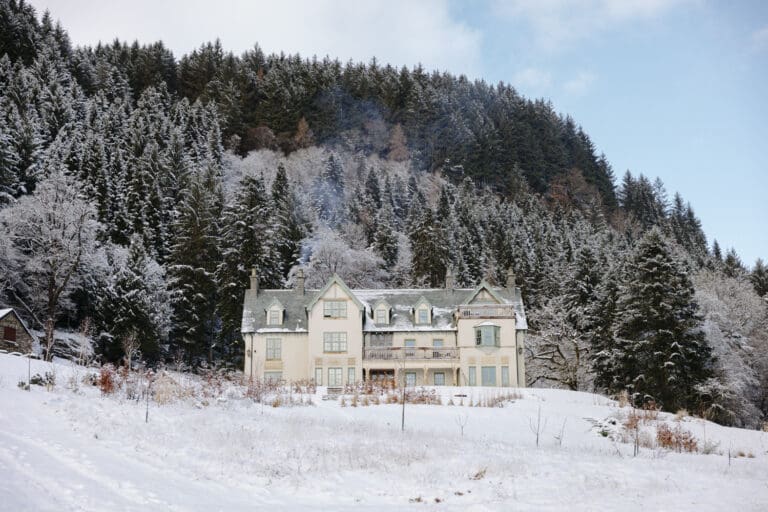
Winter in Powys is cold, dark by mid-afternoon, and frequently grey – temperatures average 2-7°C (36-45°F), with upland areas occasionally seeing snow that closes minor roads for a day or two. This is not a season for anyone hoping to stride confidently across open moorland in trainers. It is, however, a genuinely peaceful time to visit: log fires in village pubs, empty market squares, and a sky at night unpolluted enough to make the stargazing worthwhile if the cloud ever clears.
Many smaller attractions, seasonal tearooms and some walking routes reduce services or close over winter, so this suits independent travellers happy to make their own entertainment rather than those wanting a packed itinerary. Prices drop accordingly, and anyone drawn to Powys for its sense of remoteness rather than its weather will find winter delivers that in full.
Shoulder Season in Powys: The Smart Traveller’s Window
Late May, June and September are the shoulder months that do most of the heavy lifting for a Powys trip. The weather is reliable enough for walking and outdoor plans, prices sit below peak summer rates, and the county’s main roads haven’t yet filled with caravans in low gear. June in particular offers long daylight without the August bottleneck at popular Brecon Beacons car parks. September adds the bonus of autumn colour arriving early on higher ground, giving a two-season effect within a single visit.
Off-Season in Powys: The Case for Winter
There’s an argument, not often made, for visiting Powys deliberately in the off-season. Fewer visitors means genuine solitude on trails that feel crowded even in modest summer numbers, and the lower light flatters the landscape in ways July’s flat midday sun never quite manages. Accommodation prices fall, booking is easier, and there’s a certain satisfaction in having an entire reservoir view to yourself. The trade-off is obvious – short days, unreliable weather, and some seasonal businesses shut – but for travellers who value quiet over convenience, winter has its own rewards.
For a fuller picture of the region before you book anything, the Powys Travel Guide covers where to go and what to do once you’ve settled on your dates. Those planning where to stay can browse villas in Powys.
Powys Weather and Seasons FAQs
Does it rain a lot in Powys?
Yes, fairly often – Powys sits inland among hills that catch a good deal of Welsh weather, and rain is possible in any month. Spring and autumn tend to be the wettest in short bursts, while summer offers the best odds of consecutive dry days, though nothing is guaranteed.
What is the warmest month in Powys?
July and August are typically the warmest, with daytime temperatures averaging 17-21°C (63-70°F). Warm spells can push higher, but even midsummer evenings cool quickly once the sun drops behind the hills.
When should I visit Powys to see red kites?
Red kites can be seen year-round over mid-Wales, as the population is resident rather than migratory, though they’re often most visible in clear weather during spring and summer when thermals keep them circling for longer periods over open ground.
Keep reading
More on Powys
Guides nearby in Wales
Where to stay
Villas in Powys
A selection from our 20 luxury villas in Powys.