16th Arrondissement Food & Wine: Président Wilson Market
The 16th arrondissement’s food scene centres on two open-air producer markets – Marché Président Wilson and Marché de Passy – alongside a dense cluster of bistros, patisseries and cavistes in Passy and Auteuil. It has no vineyards of its own, but its wine bars and specialist shops stock serious Burgundy, Loire and Bordeaux. Classic Parisian dishes dominate menus here rather than any single regional specialty.
I will admit, straight off, that calling this a “wine guide” involves a certain amount of creative licence. There is no 16th arrondissement appellation. Nobody is pruning Cabernet vines behind the Trocadéro. And yet this is one of the more serious places in Paris to eat and drink well, precisely because the people who live here have spent generations being fussy about both. The 16th doesn’t grow its own food or ferment its own wine – it simply insists, with quiet Parisian confidence, on getting the best of everyone else’s.
16th arrondissement Food and Wine: What to Expect
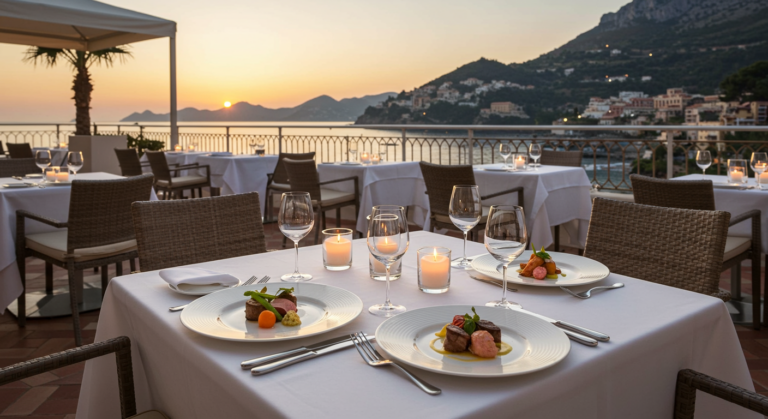
This is residential Paris at its most settled – Passy, Auteuil, the edges of Trocadéro – and the food culture reflects that. There’s little tourist churn here, which means fewer menus translated badly into four languages and more places quietly getting on with cooking for people who live around the corner and will absolutely complain if the duck is overdone. Expect classic Parisian and French bistro cooking: steak frites, sole meunière, duck confit, a properly made onion soup in winter. Haute patisserie sits alongside unassuming boulangeries doing excellent bread without any fuss about it. If you want the full context for the neighbourhood beyond the table, the 16th arrondissement Travel Guide covers the rest.
The 16th arrondissement food and wine scene rewards slow mornings and long lunches rather than grazing between sights – there aren’t many sights to graze between here anyway, which is rather the point.
Signature Dishes to Try in the 16th arrondissement
Don’t come hunting for a dish invented specifically within these particular streets – this is Paris, and Parisian cuisine is essentially the sum of everywhere else in France, refined and plated with a certain seriousness. Steak frites remains the backbone of bistro menus, cooked to an order you state with confidence (saignant, if you want to be taken seriously). Sole meunière, that deceptively simple butter-and-lemon preparation, appears often, as does duck in its various forms – confit, magret, the lot.
Patisserie is where the 16th genuinely excels: mille-feuille, éclairs, tarts built with the kind of precision that suggests someone’s grandmother is watching disapprovingly from a doorway. Cheese counters in the markets stock proper Normandy and Loire cheeses rather than the supermarket wedges. None of it is exotic. All of it, done properly, is rather wonderful.
Food Markets in the 16th arrondissement
Marché Président Wilson, running along the avenue of the same name, is the arrondissement’s best-known open-air market – organic producers, foie gras stalls, fish laid on ice that still looks faintly offended to be there, and a cheese selection that will test both your willpower and your suitcase space. It runs on set mornings each week and draws a genuinely local crowd rather than a photo-opportunity one.
Marché de Passy, smaller and more neighbourhood in feel, is worth the detour for fruit and veg sellers who know their regulars by name and for the sort of unhurried transaction that makes you wonder why anywhere does it differently. Both markets are better visited early, before the good burrata disappears and before the queue for bread reaches the sort of length that tests your commitment to breakfast.
Wine in the 16th arrondissement: No Vineyards, Serious Cellars
Let’s be honest about this straight away: there is no winemaking in the 16th arrondissement, and anyone selling you otherwise is selling you something else entirely. What the neighbourhood does have is a concentration of good cavistes and wine bars serving the rest of France rather well – Burgundy and Bordeaux feature heavily, alongside Loire whites that suit the area’s fondness for seafood starters and long lunches that somehow become long afternoons.
Cavistes here tend to be small, specialist, and staffed by someone who will ask what you’re eating before recommending a bottle, rather than simply pointing at the most expensive shelf. Wine bars lean towards by-the-glass tastings of regional producers, which is a sensible way to drink your way through several French regions without leaving Passy or committing to a full case you’ll regret transporting home.
Cooking Classes in the 16th arrondissement
Private and small-group cooking classes in the area tend to focus on classic French technique – pastry work, sauce-making, the kind of knife skills that make chopping an onion look suspiciously elegant. Given the neighbourhood’s residential character, these are usually intimate affairs rather than tourist-coach operations, often held in kitchens that double as someone’s actual home. Expect an emphasis on precision over spectacle: this is not a place for flaming pans and showmanship, but for understanding why a béchamel needs patience and why French grandmothers have strong, largely unspoken opinions about butter.
Seasonal Specialities in the 16th arrondissement
Autumn and winter bring truffle season to the better market stalls and bistro specials boards, usually shaved over eggs or pasta rather than used with any great subtlety – subtlety isn’t really the point of truffles, in fairness. Oysters, trucked in from Brittany and Normandy rather than grown locally, appear on menus from September through the colder months, a reliable sign that the kitchen is paying attention to the calendar rather than running the same menu year-round. Spring and summer shift things towards lighter fish, asparagus, and the first good tomatoes, which Parisians treat with the kind of reverence other cities reserve for truffles themselves.
Best Food Experiences in the 16th arrondissement
The genuinely best food experience here isn’t a single meal but a morning: a walk through Marché Président Wilson or Marché de Passy, a coffee taken standing at a counter because sitting down is for tourists, and a patisserie box carried home with more care than most people give their luggage. Follow that with a long bistro lunch where nobody rushes you and the wine list, while not local, has clearly been chosen by someone who cares. It’s unglamorous in the way that genuinely good food often is – no spectacle, just attention to detail, repeated daily, for decades.
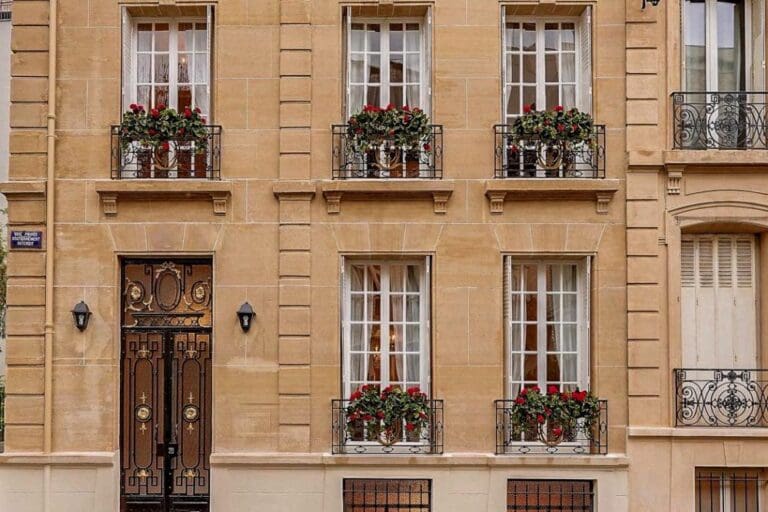
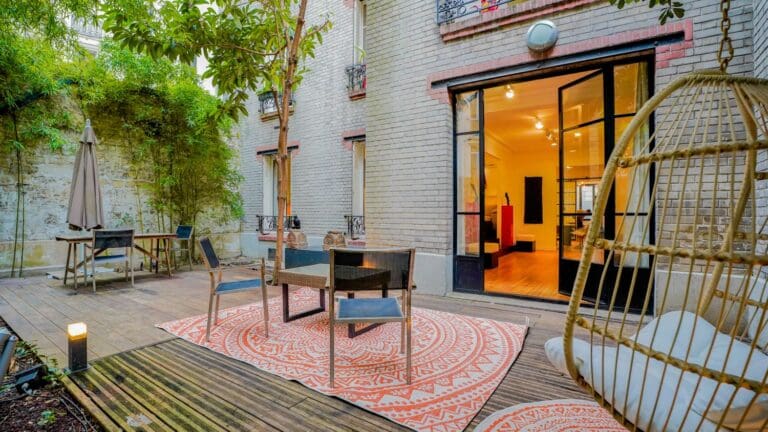
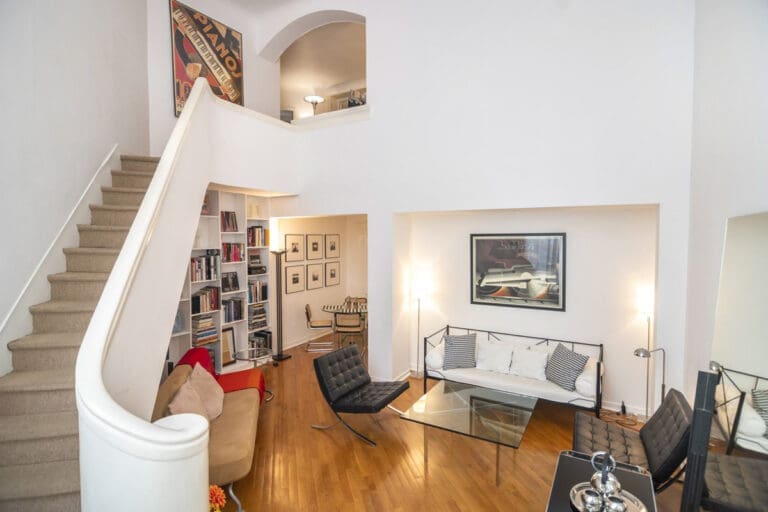
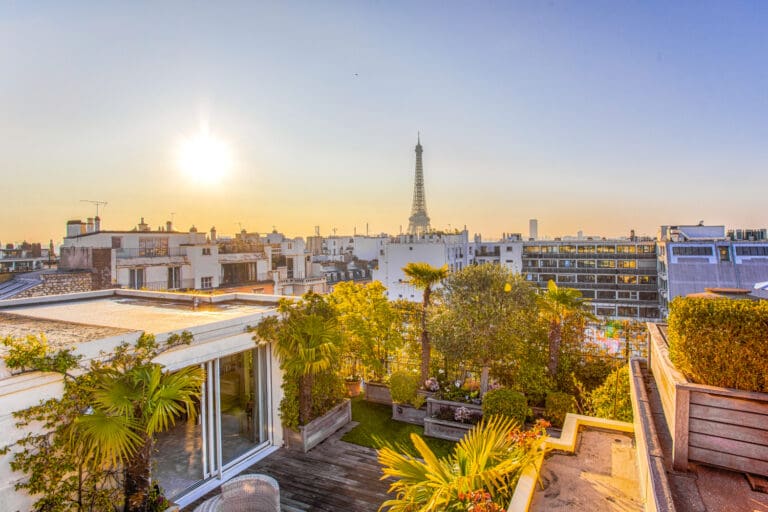
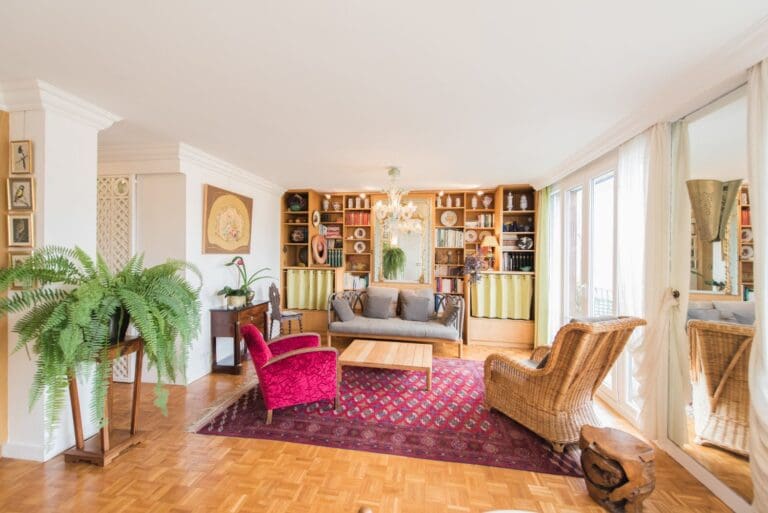
For anyone planning where to base themselves around all this, there are villas in 16th arrondissement within easy reach of both markets.
16th arrondissement Food and Wine FAQs
Is the 16th arrondissement a good place to eat in Paris?
Yes, particularly for classic French bistro cooking and patisserie. It’s quieter than the city centre, with fewer tourist-focused menus and a strong local market culture, though it’s less suited to travellers seeking trendy or experimental dining.
What is the best market in the 16th arrondissement?
Marché Président Wilson is the best known, with a strong selection of organic produce, cheese and seafood. Marché de Passy is smaller and more neighbourhood in feel, better suited to a quieter browse.
Are there wine estates to visit in the 16th arrondissement?
No. The 16th arrondissement has no vineyards of its own. Its strength is in cavistes and wine bars stocking well-chosen bottles from Burgundy, Bordeaux and the Loire rather than any local production.
Keep reading
More on 16th arrondissement
- Travel guide16th arrondissement Travel Guide
- RestaurantsBest Restaurants in 16th arrondissement
- Families16th arrondissement with Kids
Guides nearby in Ile-de-France
Where to stay
Villas in 16th arrondissement
A selection from our 6 luxury villas in 16th arrondissement.