Agdal-Ryad Travel Guide: Boulevards, Cafés & Rabat’s TGV Gateway
Agdal-Ryad is a modern residential and administrative district in Rabat, the capital of Morocco, known for its tree-lined boulevards, café terraces and its own TGV train station. It sits inland rather than on the coast, a short drive or train ride from Rabat’s historic core. It suits couples, business travellers and culture-minded visitors who want a calm, well-ordered base rather than a seaside resort.
Agdal-Ryad at a Glance
- Where: Agdal-Ryad district, Rabat, Rabat-Salé-Kénitra region, Morocco
- Nearest airport: Rabat-Salé Airport (RBA), roughly 15-20 minutes by road
- Best time to visit: March to November, excluding the heat spike of early August, with spring and autumn most comfortable for walking
- Getting around: Walkable boulevards and cafés, with Agdal’s own TGV station, taxis and buses linking you to the rest of Rabat
- Known for: Tree-lined streets, café culture, modern Moroccan architecture, its own train station
- Ideal for: Couples, business travellers, culture seekers who prefer quiet order to souk chaos
I’ll confess something slightly embarrassing: I arrived in Agdal-Ryad expecting a commuter suburb with nothing to recommend it beyond a convenient train station, and planned to spend precisely one night there before fleeing to somewhere more obviously photogenic. Three days later I was still there, drinking mint tea on a pavement terrace and wondering why nobody had mentioned how pleasant it is simply to walk around a Moroccan neighbourhood that isn’t trying to sell you anything. That, it turns out, is rather the point of Agdal-Ryad.
This is not a district built for postcard drama. There are no souks here hawking lamps the size of dinner plates, no snake charmers working the crowds for coins. What there is, instead, is a genuinely lived-in slice of Morocco – wide avenues, shaded pavements, bakeries that open before the rest of the city has stirred. It suits couples who want a quiet evening stroll more than a nightlife scene, business travellers who need to be near Rabat’s institutions, and culture seekers happy to use it as a base for exploring the wider capital. It will frustrate anyone hoping for beach clubs, theme parks or the theatrical chaos that draws first-timers to Marrakech. If that’s what you’re after, this is the wrong neighbourhood, and possibly the wrong city.
Getting to Agdal-Ryad: Closer Than You’d Think
The nearest airport is Rabat-Salé (RBA), about 11 kilometres away and roughly 15-20 minutes by road – a mercifully short transfer compared with some Moroccan destinations that leave you doubting the wisdom of the whole trip before you’ve even checked in. An ALSA bus runs from the airport to Gare Rabat-Agdal every half hour, taking around 15 minutes and costing a modest $1-3, which is about as painless as airport transfers get.
If you’re flying into Mohammed V International Airport in Casablanca instead, which many long-haul routes still favour, expect a drive of around 1 hour 15 minutes to 1.5 hours on the highway – not unpleasant, but worth factoring into arrival plans if your flight lands late. Fes-Saïss Airport is a further option at 209 km (2.5-3 hours), Tangier Ibn Battouta sits 2-2.5 hours north, and Marrakech Menara is the longest haul at 4-4.5 hours south – fine for a multi-stop itinerary, less fine if you’ve just endured nine hours in economy.
By rail, Agdal-Ryad has its own major ONCF station, Gare Rabat-Agdal (also called Agdal TGV), which makes train travel refreshingly straightforward. Trains run hourly from Fès (about 2h55m, $9-19), and there are practical links from Casablanca (2h18m, $4-17), Tangier (1h37m, $33-47) and Marrakech (4h37m, $15-33) via Rabat’s stations. There’s no direct ferry to Rabat – if you’re arriving from Spain, Tangier Med or Tangier Ville is your gateway, with an onward train or drive. Once in Agdal-Ryad itself, the district is comfortably walkable, with taxis cheap and plentiful for anything further afield.
Where to Eat in Agdal-Ryad: Cafés First, Fuss Later
Fine Dining in Agdal-Ryad
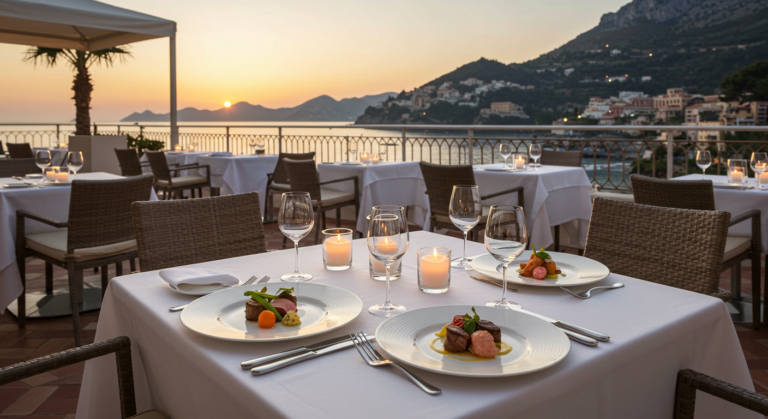
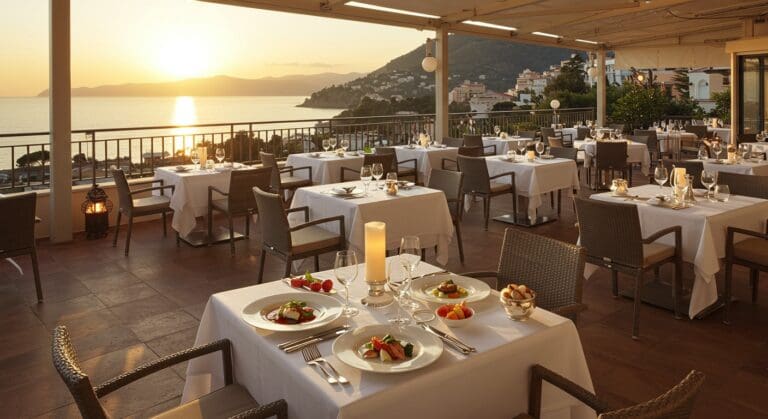
Agdal-Ryad’s dining scene leans toward confident, unshowy quality rather than spectacle. You’ll find smart modern Moroccan-French restaurants tucked along its main avenues, the kind of places where a tagine arrives with the gravitas of a main course rather than a tourist prop, and where the wine list has clearly been chosen by someone who cares. Expect white tablecloths without the stiffness that sometimes accompanies them elsewhere, and service that’s attentive without hovering.
Where the Locals Eat
The real rhythm of the district plays out in its cafés – pavement terraces filled from mid-morning with regulars reading newspapers over small glasses of mint tea, and bakeries doing a brisk trade in almond pastries before the day’s heat sets in. For something more substantial, neighbourhood grills and casual Moroccan kitchens serve grilled meats, fresh bread and salads at prices that make you wonder why anyone bothers with room service. This is where you’ll actually meet Rabat residents rather than other travellers, which is, frankly, the point.
Hidden Gems in Agdal-Ryad
Ask locally and you’ll be pointed toward small, family-run tea rooms with no sign to speak of and a menu that exists mostly in the owner’s head. These places don’t advertise, don’t need to, and will quietly outclass anywhere with a laminated menu. Wander a few streets back from the main boulevards and you’ll find them – or rather, they’ll find you, usually via the smell of fresh bread.
Exploring Agdal-Ryad: Boulevards, Not Battlements
Geographically, Agdal-Ryad is defined by order – grid-like streets, generous pavements and a planned, almost European feel that reflects its twentieth-century origins as one of Rabat’s newer residential quarters. It sits inland from the Atlantic coastline that shapes much of the wider city, and a short distance from Rabat’s older, denser neighbourhoods, which makes the contrast between old and new strikingly easy to appreciate in a single afternoon.
The district rewards aimless walking more than any single landmark does. Tree cover is generous, traffic is manageable by Moroccan standards (a low bar, admittedly), and the overall effect is of a city that has been allowed to breathe rather than crowd itself into picturesque chaos. For contrast, the nearby Medina offers the narrow lanes and historic density that Agdal-Ryad deliberately avoids, and the two areas are close enough to combine comfortably in one day.
Things to Do in Agdal-Ryad: Quiet Pleasures and Easy Excursions
There’s no shortage of things to do, provided your definition of “doing” includes long lunches and longer walks. Within the district itself, the pleasure is largely in the café culture and the architecture – a wander with no fixed destination will serve you well. For more conventional sightseeing, Agdal-Ryad functions as an ideal base for exploring the rest of Rabat, whose historic sites, government quarter and riverside views are all within easy reach.
Day trips are straightforward thanks to the train station on your doorstep. Casablanca is reachable in a little over two hours for those wanting a change of pace, while culture-minded travellers often use Agdal-Ryad’s calm as a counterpoint to busier excursions elsewhere – including, for the more ambitious, a multi-day detour toward the Marrakesh-Safi region further south, though that’s a genuinely different trip rather than a day out.
Outdoor and Adventure Activities in Agdal-Ryad: Modest Ambitions, Honestly Stated
Let’s be honest: Agdal-Ryad is not an adventure-sports destination, and anyone arriving with a kitesurfing board strapped to the roof rack has taken a wrong turn somewhere. What it does offer is excellent walking and cycling along its shaded boulevards, pleasant enough to make a morning run feel like a reasonable life decision rather than a punishment. Rabat’s broader area includes golf courses and tennis facilities that draw a steady stream of visiting players, and the Atlantic coastline nearby offers the chance for a bracing walk by the water if you’re willing to travel a short distance from the district itself.
For anything more vigorous – diving, surfing, serious hiking – you’ll want to look further afield along Morocco’s coast or into the Atlas foothills. Agdal-Ryad’s outdoor appeal is gentler: good light, good air, and streets wide enough that you’re never jostling for pavement space, which is more of a novelty in Morocco than it perhaps should be.
Agdal-Ryad for Families: Fine for a Stopover, Limited for a Holiday
Families with young children will find Agdal-Ryad perfectly workable as a quiet base, with wide, relatively traffic-calm streets that make pushchairs and wandering toddlers less of a hazard than in denser parts of the city. Cafés are generally relaxed about children, and the lack of aggressive street selling that can overwhelm younger visitors in busier tourist zones is, frankly, a relief for everyone involved.
That said, this isn’t a destination built around family entertainment. There are no beaches within the district, no water parks, no obvious children’s attractions beyond the simple pleasure of a park bench and an ice cream. Teenagers may find it sedate; younger children will be content with short outings and the novelty of a Moroccan train journey. Families wanting a fuller holiday itinerary should treat Agdal-Ryad as a comfortable base for day trips rather than the main event.
History and Culture of Agdal-Ryad: The New Rabat
Agdal-Ryad’s identity is bound up with Rabat’s own modern development – a planned district that grew as the city expanded beyond its historic walls, reflecting the twentieth-century ambitions of a capital determined to look forward as much as back. This stands in deliberate contrast to the older parts of Rabat, recognised internationally for blending its historic fabric with modern capital-city planning, a combination that earned the city UNESCO recognition.
Culturally, the district benefits from Rabat’s calendar of major events without hosting the crowds itself – the Mawazine music festival transforms the wider city each June with a scale of programming that draws international acts, while the more intimate Jazz au Chellah festival takes over the ancient ruins each September, offering a quieter, atmospheric alternative for those who prefer their music with a side of archaeology.
Shopping in Agdal-Ryad: Boutiques Over Bazaars
Shopping here has a distinctly different character from the souks that dominate Morocco’s reputation. Agdal-Ryad’s main streets host a run of modern boutiques, homeware shops and international and local fashion outlets, catering more to residents furnishing an apartment than tourists hunting for souvenirs. It’s a pleasant enough place to browse, particularly if you’ve already done battle with a medina stallholder and fancy a transaction that doesn’t involve theatrical haggling.
For traditional crafts – leather, ceramics, textiles, brassware – you’ll want to head into Rabat’s historic quarters, a short journey away, where the bargaining is part of the experience rather than an inconvenience. Agdal-Ryad is better suited to picking up contemporary Moroccan design, from ceramics with a modern twist to well-made leather goods sold without the theatre.
Where to Stay in Agdal-Ryad: Quiet Streets, Easy Access
Agdal-Ryad itself makes a sensible base for travellers who want calm, tree-lined streets, proximity to the train station and an easy walk to cafés and restaurants – ideal for couples and business travellers who value order over atmosphere. Those drawn to a slightly more residential, leafy feel might also look toward neighbouring Annakhil, another of Rabat’s planned districts with a similarly unhurried character.
For travellers who want the romance of narrow lanes, riads and historic walls, the nearby Medina offers a completely different experience and is worth considering as an alternative base, particularly for shorter stays focused on sightseeing rather than quiet evenings. Which side of Rabat you choose matters more than it might first appear: pick Agdal-Ryad for calm and convenience, the Medina for atmosphere and history. Private villas in Agdal-Ryad are also a practical way to stay in the area, particularly for longer visits or those travelling with family.
Practical Tips for Visiting Agdal-Ryad
The currency is the Moroccan Dirham (MAD), and while cards are widely accepted in Agdal-Ryad’s cafés and restaurants, it’s worth carrying cash for smaller purchases and taxis. Arabic and French are the dominant languages, with French particularly useful in this district given its modern, administrative character – English is understood in tourist-facing businesses but shouldn’t be relied upon everywhere.
Tipping around 10% in restaurants is standard and appreciated rather than expected. The district feels notably safe for walking, including in the evening, though the usual urban caution applies. Dress is relatively relaxed here compared with more conservative areas, though modesty is still appreciated, particularly away from the main boulevards. Book train tickets in advance during festival periods such as June’s Mawazine, when Rabat’s transport and accommodation both tighten up considerably.
Agdal-Ryad FAQs
What is the best time to visit Agdal-Ryad?
March through November is the reliable window, with spring (March-May) and autumn (September-October) offering the most comfortable conditions for walking. Avoid early August for the heat and November for the rain; January to early March is quieter but cooler.
How do I get to Agdal-Ryad?
Rabat-Salé Airport is the closest, about 15-20 minutes away by road or a 15-minute bus ride to Gare Rabat-Agdal. From Casablanca’s Mohammed V Airport, expect roughly 1 hour 15 minutes to 1.5 hours by road, or a train journey of about 2h18m into Rabat.
What is Agdal-Ryad known for?
Tree-lined boulevards, café culture, modern Moroccan architecture and its own TGV train station, which makes it an unusually convenient base for exploring the rest of Rabat and beyond.
How many days do you need in Agdal-Ryad?
Two to three days suits most visitors, enough time to settle into the café rhythm and use the district as a base for day trips into Rabat’s historic quarters, with longer stays better suited to those using it as a base for the wider region.
Is Agdal-Ryad good for families?
It works well as a calm, walkable base for families with young children, but it lacks beaches, water parks or dedicated attractions, so it suits a stopover better than a full family holiday itinerary.
Where is the best place to stay in Agdal-Ryad?
Agdal-Ryad itself suits those wanting calm streets and easy train access; nearby Annakhil offers a similarly quiet, residential feel; the Medina suits travellers prioritising historic atmosphere over convenience.
Do you need a car in Agdal-Ryad?
No. The district is walkable, taxis are inexpensive, and the on-site train station makes day trips and arrivals straightforward without needing to rent a car.
Where to stay
Villas in Agdal-Ryad
A selection from our 6 luxury villas in Agdal-Ryad.
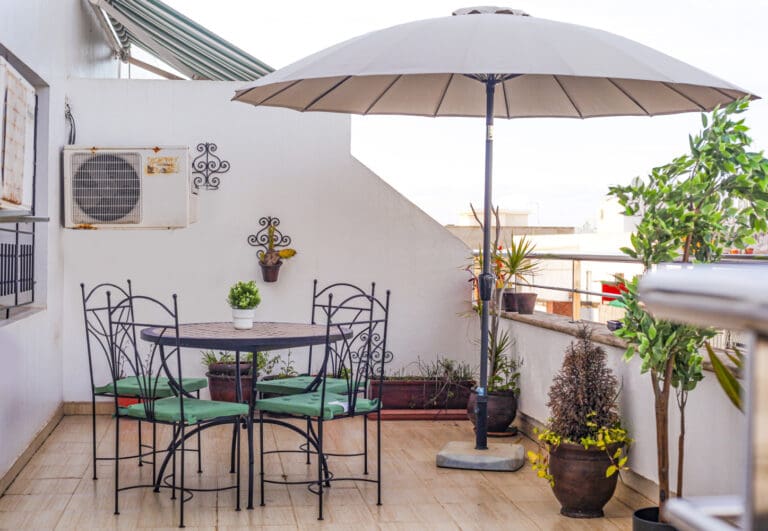 Rent Apartment Errabia Morocco
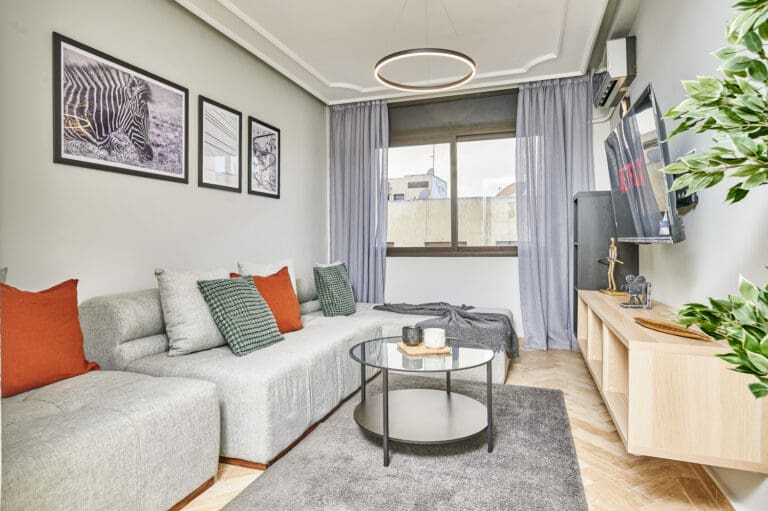 Rent Apartment Tansift Morocco
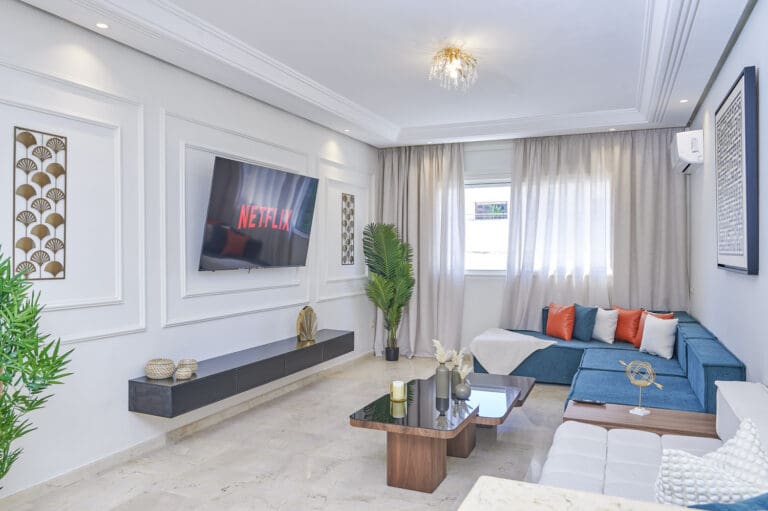 Rent Apartment Sebou Morocco
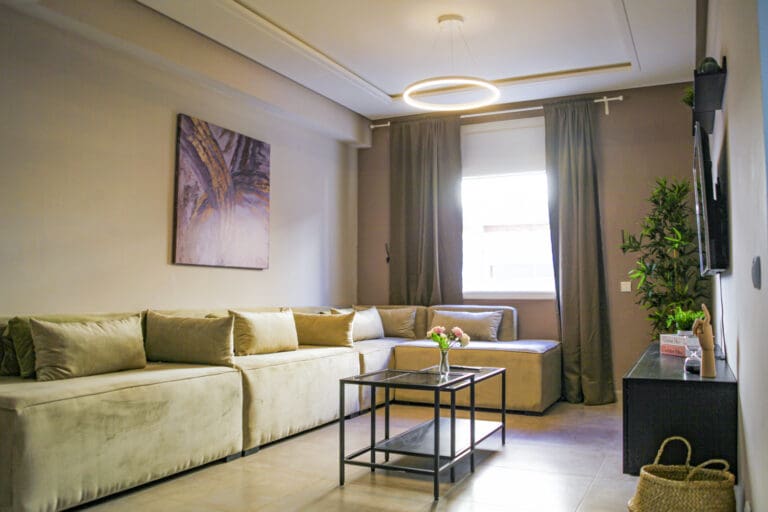 Rent Apartment Toubkal Morocco
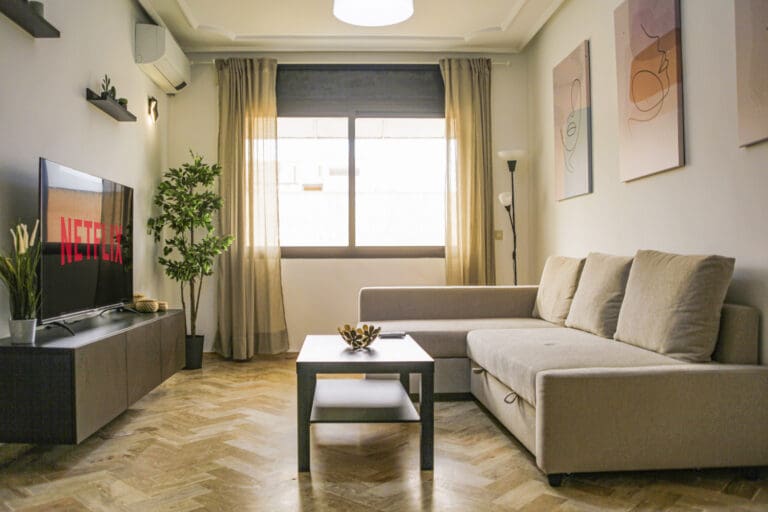 Rent Apartment Agdal Morocco
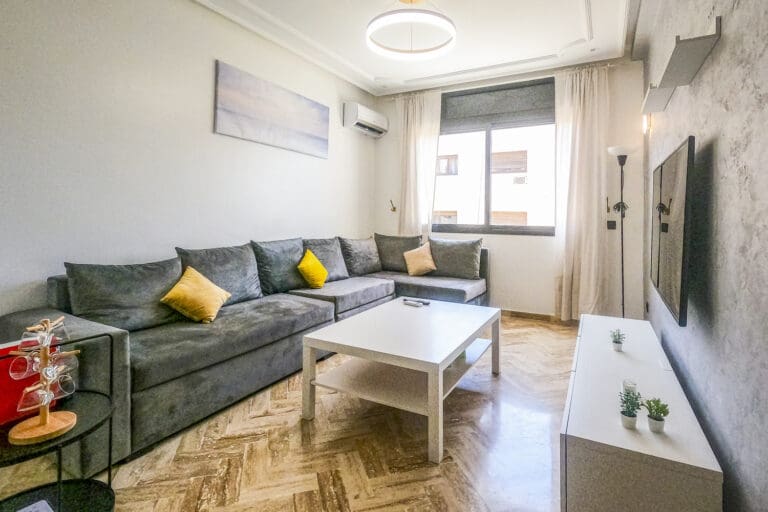 Rent Apartment Toudgha Morocco
See all 6 villas in Agdal-RyadVillas across Prefecture of Rabat