Alcácer do Sal Food & Wine: Rice, Sado Estuary & Moscatel
Alcácer do Sal’s cuisine is built on rice from the surrounding Sado valley paddies, fish and eel from the river and estuary, and the bread, pork and olive oil dishes typical of the wider Alentejo region. Local wines fall under the Península de Setúbal DOC, centred on the Castelão grape and the sweet fortified Moscatel de Setúbal. The best way to experience it is through the weekly market, riverside eateries and small regional producers rather than any single destination restaurant.
There is a particular hour in Alcácer do Sal, somewhere between five and six in the evening, when the rice paddies along the Sado turn the colour of weak tea and the storks on the castle walls start clacking their beaks like diners demanding the bill. It is not a dramatic hour. Nothing fires off into the sky or glows improbably pink. But it smells of warm mud, cut grass and woodsmoke drifting up from someone’s kitchen, and it tells you more about what you are about to eat than any menu will.
This is rice country, river country, and – by extension – unpretentious eating country. The food here answers to the land and the water rather than to fashion, which is either reassuring or faintly disappointing depending on how badly you wanted a deconstructed anything. For context on the town itself, the Alcácer do Sal Travel Guide covers the wider picture; this one stays firmly at the table.
Alcácer do Sal Cuisine: Rice, River and the Alentejo Table
Alcácer do Sal sits at the point where the Sado river widens into its tidal estuary, and the flat, fertile land either side has been given over to rice cultivation for generations. This is one of Portugal’s principal rice-growing areas, and the paddies are not simply scenery – they are the reason half the local menu exists. Rice turns up boiled, baked, in soups and folded into the Alentejo habit of stretching good ingredients a long way with bread and broth.
Beyond the rice, the cooking belongs firmly to the Alentejo: dense, slightly grainy bread used as a structural ingredient rather than a side, olive oil applied without apology, and a fondness for pork from black Iberian pigs raised under the cork oaks further inland. The estuary adds its own note – eel, grey mullet, bass and bream – so you get the curious effect of eating properly landlocked peasant food and proper river fish within the same half-hour meal. It should not work. It generally does.
Signature Dishes in Alcácer do Sal
The dish most closely tied to the area is some version of arroz – rice cooked slowly with fish, eel or shellfish from the Sado, loosened with stock until it sits somewhere between a soup and a risotto that has given up trying to be Italian. Look also for açorda, a bread-based soup thickened with garlic, coriander and egg, which sounds austere on paper and is, in practice, the kind of thing you want again the next day.
Migas – bread fried with garlic and pork fat until it forms something closer to savoury stuffing than a side dish – appears alongside grilled pork or lamb, usually with a pile of olives that no one quite finishes. Freshwater and estuary eel, grilled or stewed, is a local speciality worth seeking out specifically, since it rarely travels far from where it is caught. Desserts lean on eggs, sugar and almonds in the Alentejo-wide convent tradition, dense, sweet, and entirely unbothered by anyone’s dietary preferences.
Alcácer do Sal Wine: Moscatel, Castelão and the Península de Setúbal
Alcácer do Sal falls within the Península de Setúbal wine region, one of Portugal’s older demarcated areas and one still underrated by anyone who has not actually drunk their way through it. The defining red grape is Castelão, producing wines that are medium-bodied, earthy and entirely capable of standing up to grilled eel or roast pork without either party being overwhelmed.
The region’s real calling card, however, is Moscatel de Setúbal – a fortified, aromatic sweet wine made from Moscatel grapes grown on the chalky soils nearby, aged until it develops notes of dried fruit, orange peel and honey. It is traditionally served as an aperitif or with dessert, though plenty of locals treat the rule as more of a suggestion. Dry white wines from the same area, often blends including Arinto and Fernão Pires, offer a lighter, citrus-driven alternative for anyone who finds fortified wine a touch much before lunch.
Wine Estates Near Alcácer do Sal
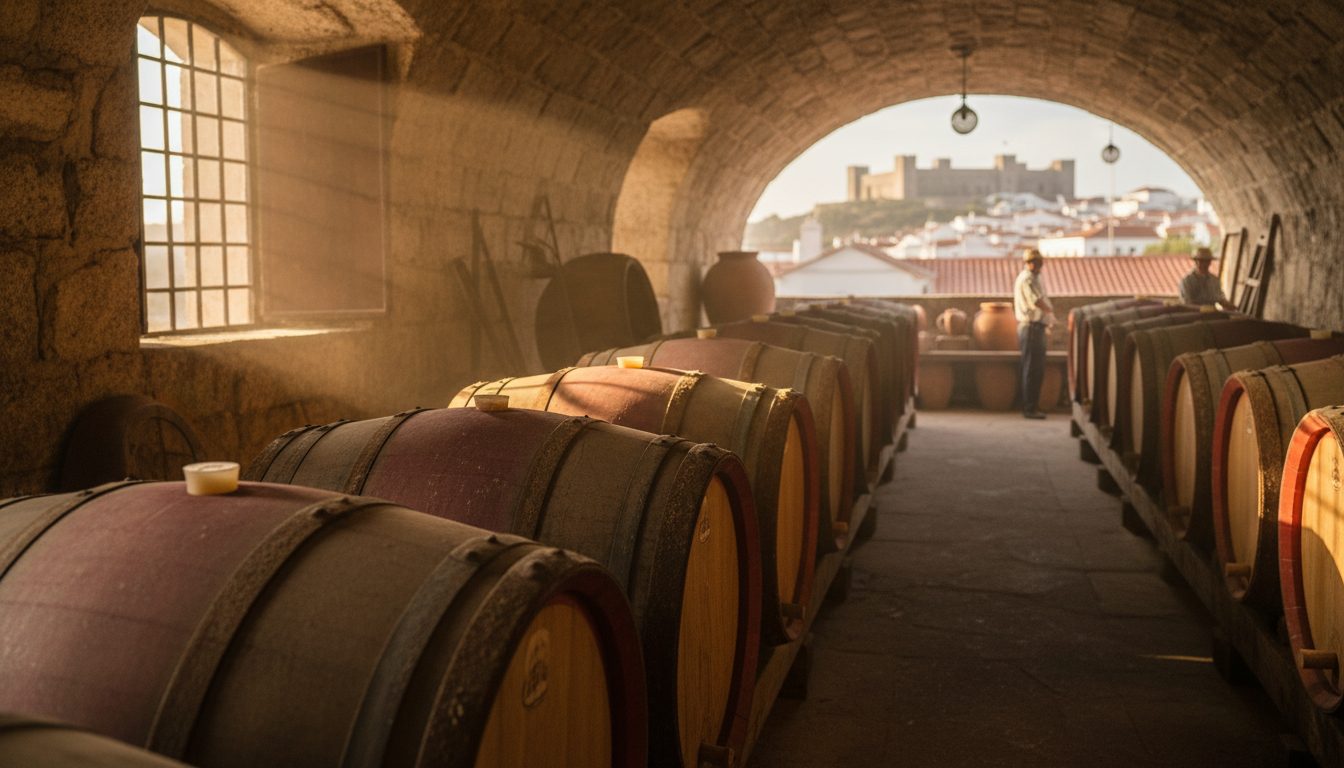
Several producers in the Península de Setúbal area, set among pine forest and vineyard rather than the whitewashed hill towns people associate with Alentejo wine country further east, offer tastings and cellar visits by appointment. The landscape here is sandier and flatter, shaped as much by pine and cork as by vine rows, which gives the wines a distinctly coastal, saline edge compared with their inland cousins. Visiting during harvest, typically late summer into early autumn, gives the best sense of how closely these wines are tied to the river and sea air drifting in from the Sado estuary.
Food Markets in Alcácer do Sal
The town’s municipal market is the straightforward way to see what the region actually eats, rather than what a menu claims it eats. Expect stalls of just-caught river and estuary fish, local cheeses, olives in every conceivable cure, and rice sold in quantities that suggest the vendor has never heard of a small household. Mornings are the time to go – by early afternoon the good fish has gone and the stallholders have the slightly weary look of people who have explained the difference between two kinds of bream forty times before noon.
Smaller producers around Alcácer do Sal also sell direct from the farm gate or at informal roadside stands, particularly for olive oil, cheese and seasonal fruit. These are not polished retail experiences. Bring cash, bring patience, and expect the transaction to involve at least one unsolicited opinion about the weather.
Cooking Classes in Alcácer do Sal
Formal cooking schools are thin on the ground here, which fits the town’s generally unfussy approach to its own food. What exists tends to be smaller-scale and informal – local cooks or estate kitchens offering hands-on sessions in Alentejo staples such as açorda, migas or regional rice dishes, often built around a market visit and a long lunch rather than a structured curriculum. Arrangements are usually made directly and locally rather than through a centralised booking system, so asking around once you arrive, or through your accommodation, tends to work better than searching online in advance.
If you do find one, go. There is a particular satisfaction in learning to make açorda properly and realising the “secret” ingredient was simply not rushing it.
Seasonal Food in Alcácer do Sal: Rice Harvest, Olive Oil and Estuary Fish
Alcácer do Sal’s food calendar follows the land rather than any culinary trend. Rice is harvested from late summer into autumn, when the paddies shift from green to gold and the air around them smells faintly of cut stalks and diesel from the harvesters. Olive oil pressing follows in late autumn and winter, and newly pressed oil – thick, green, slightly peppery – is worth buying directly if you happen to be there at the right time.
Estuary fish and eel are available year-round, though spring and early summer tend to bring the best quality as water temperatures rise. This is not truffle country – that particular indulgence belongs further inland and east – so anyone chasing fungi should recalibrate expectations and simply enjoy the rice, oil and fish on offer instead.
Best Food Experiences in Alcácer do Sal
The single best food experience here is less a specific venue than a specific posture: sitting at a riverside table in the early evening, plate of grilled estuary fish or rice in front of you, glass of local white or a small pour of Moscatel to follow, watching boats move slowly up the Sado while the storks on the castle battlements carry on their endless, clattering conversation. Pair a market morning with a long, unhurried lunch, and you have more or less covered what the town does best.
Seek out small, family-run tascas over anything aimed squarely at coach parties, and do not be alarmed if the menu is handwritten, slightly faded, and entirely in Portuguese. That is usually a good sign rather than a logistical problem.
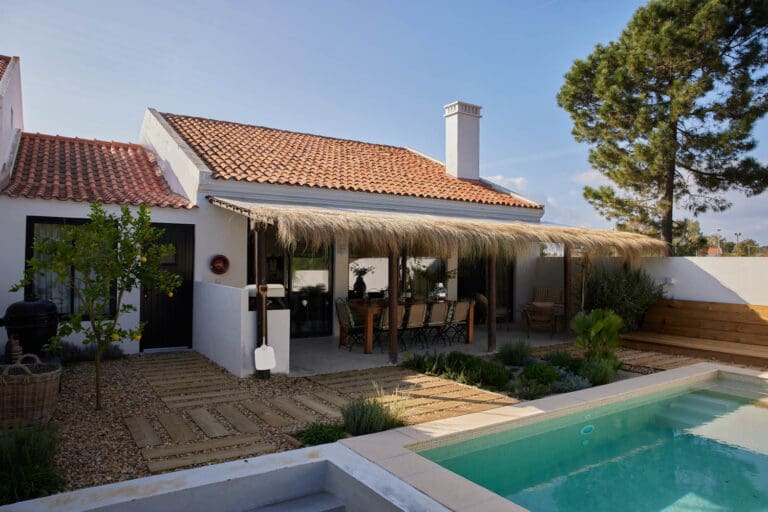
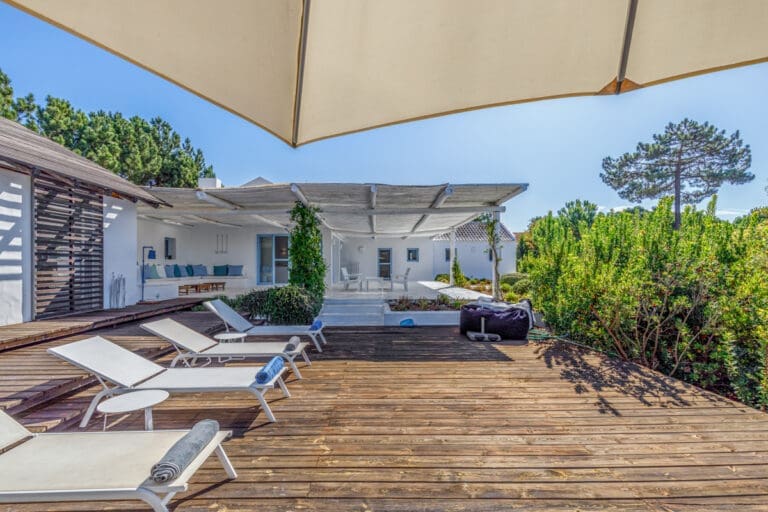
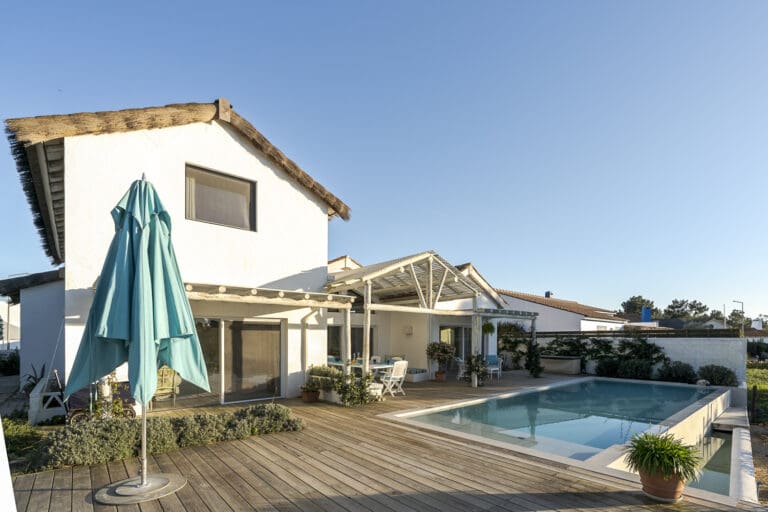
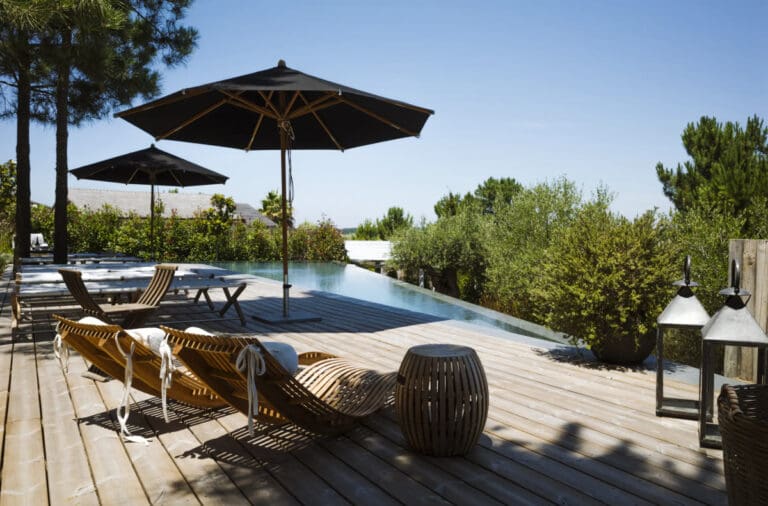
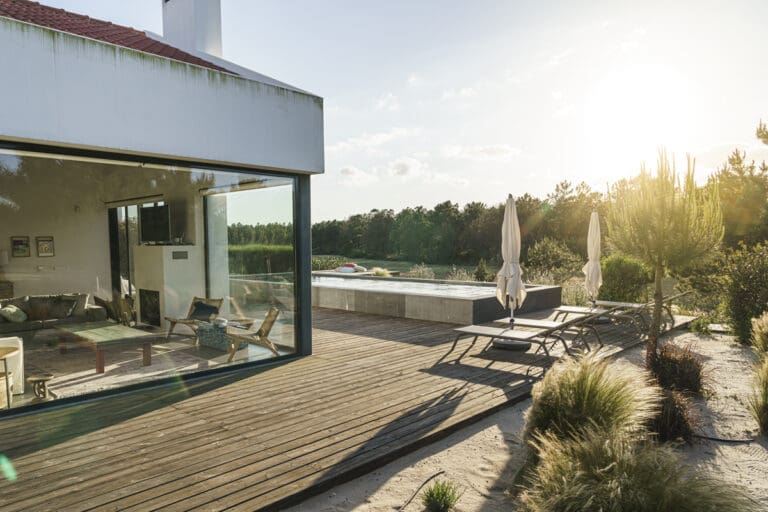
For those planning where to base themselves while exploring all this, there are villas in Alcácer do Sal.
Alcácer do Sal Food and Wine FAQs
What is the local food speciality in Alcácer do Sal?
Rice dishes made with fish or eel from the Sado estuary are the area’s most distinctive speciality, alongside Alentejo staples such as açorda bread soup and migas served with pork or lamb.
What wine is Alcácer do Sal known for?
Alcácer do Sal falls within the Península de Setúbal wine region, known for Castelão red wines and the sweet fortified Moscatel de Setúbal made from Moscatel grapes grown nearby.
When is the best time to visit Alcácer do Sal for food and wine?
Late summer into autumn is ideal, coinciding with the rice harvest and the start of the wine harvest, while winter brings freshly pressed olive oil from local producers.
Keep reading
More on Alcácer do Sal
- Travel guideAlcácer do Sal Travel Guide
- RestaurantsBest Restaurants in Alcácer do Sal
- FamiliesAlcácer do Sal with Kids
Guides nearby in Comporta
Where to stay
Villas in Alcácer do Sal
A selection from our 45 luxury villas in Alcácer do Sal.