Best Time to Visit Antigua and Barbuda: 365 Beaches & Carnival
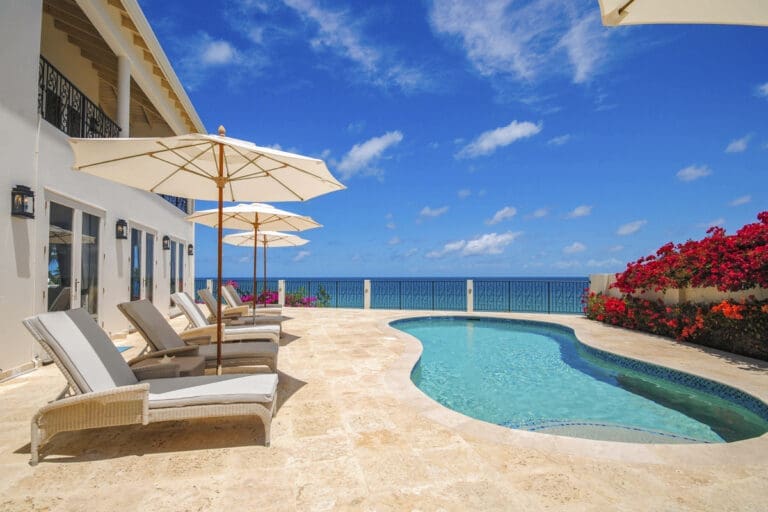
The best time to visit Antigua and Barbuda is during the dry season from December to April, when rainfall is lowest and temperatures sit comfortably between 24°C and 29°C (75°F to 84°F). This period also brings the highest prices and biggest crowds, particularly around Christmas, New Year and Antigua Sailing Week in late April. Travellers wanting lower prices and quieter beaches should consider May, June or November, just outside the Atlantic hurricane season’s peak months of August to October.
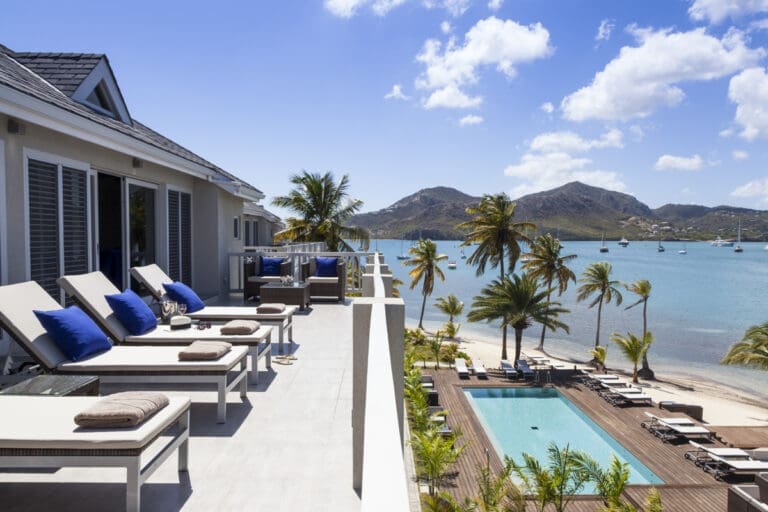
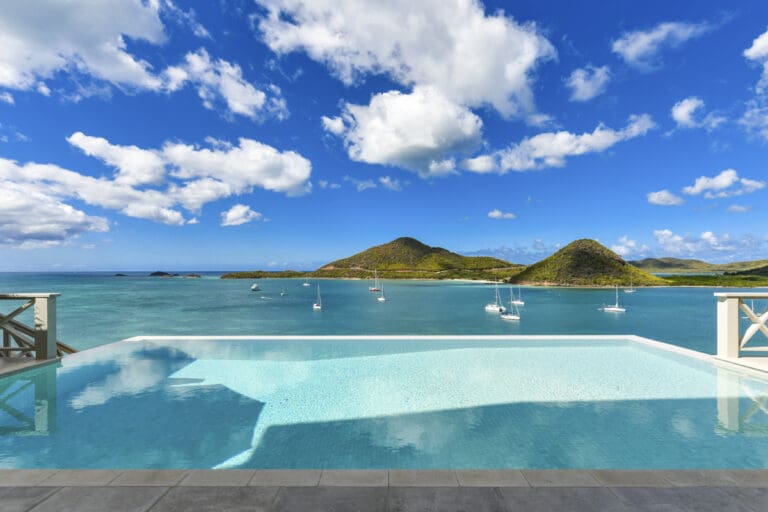
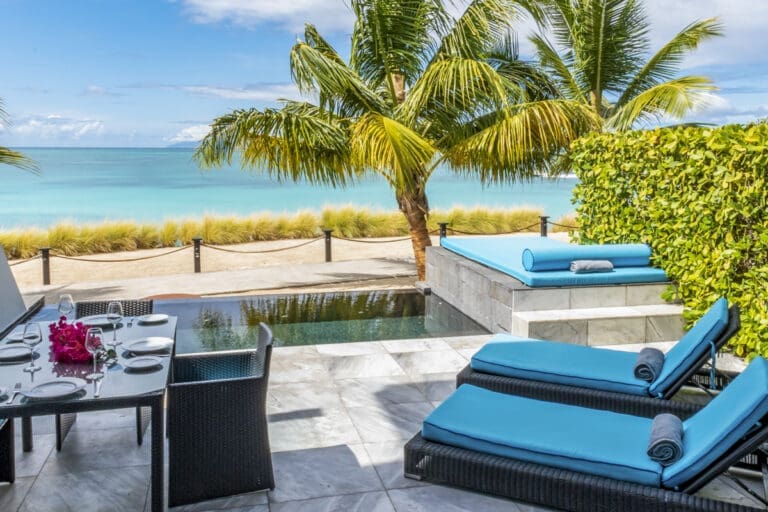
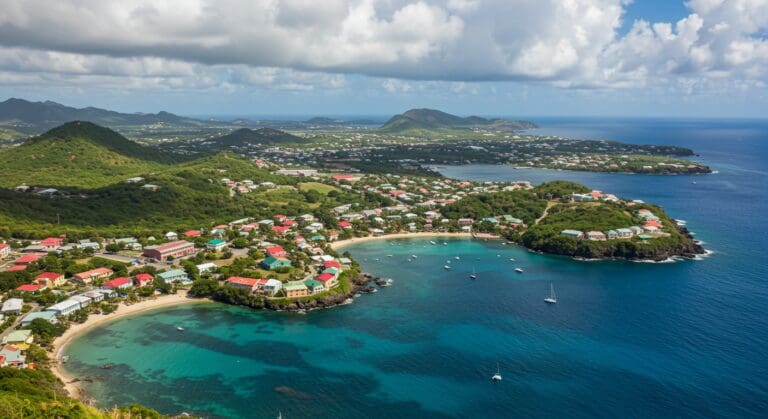
Most Caribbean islands can offer you a beach for your holiday. Antigua offers a different one for every single day of the year – 365 of them, by the island’s own proud and frequently repeated arithmetic – and still, by local insistence, has a spare for leap years. Barbuda, its quieter sibling eighty kilometres north, contributes a few more for good measure, plus a pink-sand shoreline and a lagoon full of frigatebirds that seem entirely unbothered by tourism.
What the brochures tend to gloss over is that this is still a tropical climate, with proper seasons, proper rain and a proper hurricane window, not a permanent postcard. Planning around that, rather than around the assumption that the Caribbean sun switches on at Christmas and off at Easter, is the difference between a good trip and a genuinely well-timed one.
Best Time to Visit Antigua and Barbuda at a Glance
December to April: dry, busy, expensive, best weather of the year.
May and November: shoulder months, warm and quieter, the smart money’s choice.
June to November: Atlantic hurricane season, hot and humid, cheapest rates, real but manageable storm risk, peaking August to October.
Late April: Antigua Sailing Week fills English Harbour with yachts.
Late July into early August: Antigua Carnival takes over St John’s.
Antigua and Barbuda Dry Season: December to April
This is high season, and it earns the name. Daytime temperatures hold steady at 26-29°C (79-84°F), skies stay mostly clear, and the trade winds that make Antigua one of the Caribbean’s better sailing grounds blow reliably enough that boats actually use them. Rainfall drops to its lowest annual levels, humidity is tolerable rather than oppressive, and evenings cool to a pleasant 22-24°C.
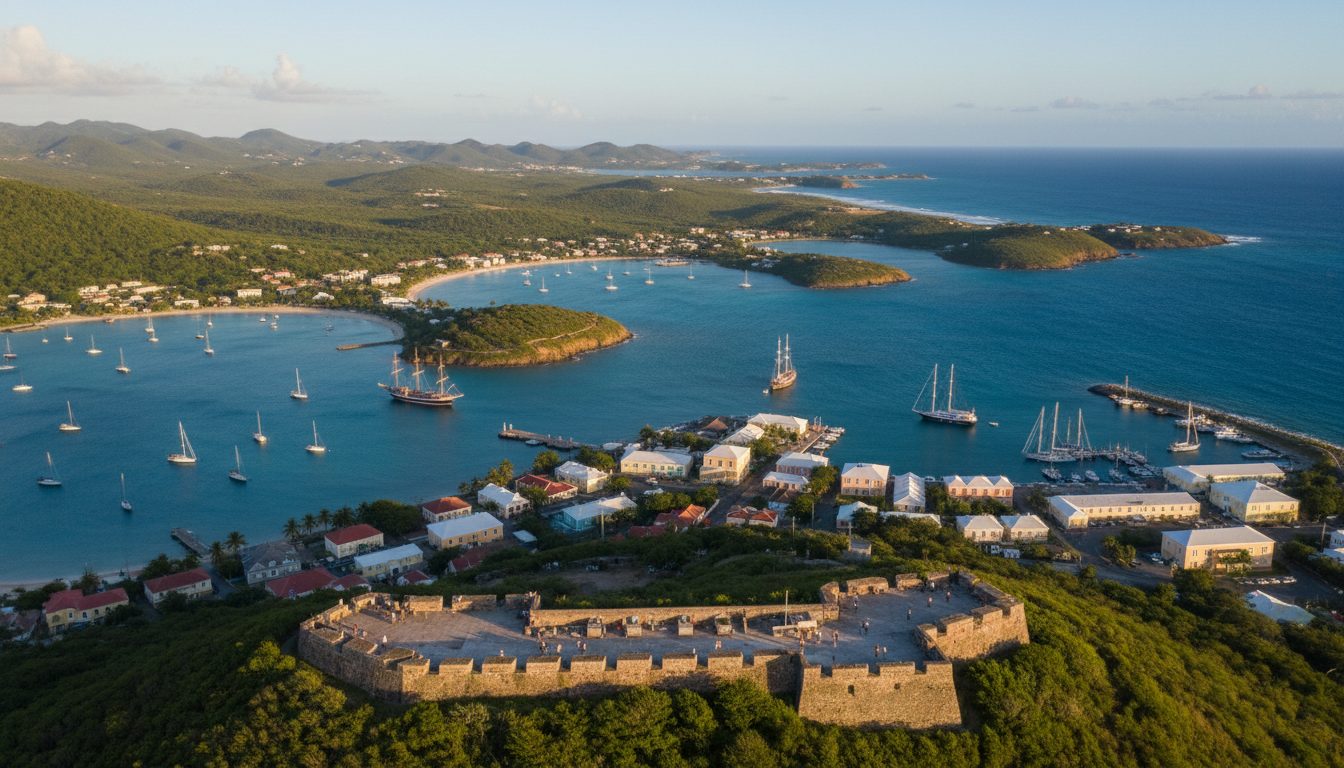
It is also, unsurprisingly, when everyone else has the same idea. Christmas and New Year are the busiest and priciest fortnight of the year, with flights and accommodation booked out well in advance and beaches that, for a week or two, feel considerably less like your own private 365th. February and March are nearly as popular but marginally calmer. April brings the Antigua Classic Yacht Regatta and Antigua Sailing Week, when wooden schooners and racing yachts crowd into Nelson’s Dockyard in English Harbour and the whole southern coast takes on a nautical, rum-punch-fuelled energy. This season suits anyone who wants guaranteed sunshine, doesn’t mind paying for it, and has booked ahead rather than hoping for the best.
Antigua and Barbuda Wet Season: June to November
Officially, the Atlantic hurricane season runs from 1 June to 30 November, and Antigua and Barbuda sit squarely within its path. Temperatures actually climb during these months, reaching 28-32°C (82-90°F), and humidity rises with them, making the air feel heavier even when the thermometer isn’t doing much that’s dramatic. Rain tends to arrive in short, intense bursts rather than settling in for the day, after which the sun generally reappears and gets on with drying everything out.
The real risk is concentrated in August, September and October, the peak of the hurricane window, when storm systems are most likely to form and track through the region. It doesn’t rain every day, and plenty of visitors come through this period without incident, but travel insurance that covers weather disruption stops being optional and starts being common sense. In exchange for the risk, prices fall noticeably, beaches empty out, and the islands turn a deeper green than the dry-season postcards ever show. It’s also the period when some smaller, family-run restaurants and guesthouses traditionally close for annual refurbishment, so it pays to check specifics before booking rather than assuming everything runs at full tilt year-round.
Antigua and Barbuda Shoulder Season: May and November
If there’s a sweet spot, this is it. May sits just after the dry season’s crowds have gone home and just before the hurricane season’s statistical risk picks up, with temperatures around 25-29°C (77-84°F), rainfall still relatively light, and prices already dropping. November mirrors it from the other direction, as the hurricane season winds down, the weather stabilises, and the island begins quietly restocking for the Christmas rush without yet charging Christmas prices.
Both months offer the dry season’s warmth without its premiums, and the wet season’s bargains without its full risk. Beaches are notably quieter, restaurant tables are easier to come by, and the sailing conditions remain decent. For travellers with flexible dates and no particular attachment to guaranteed sunshine every single day, May and November are consistently the better value proposition – a point worth bearing in mind when planning where to stay and for how long, covered in more detail in the Antigua and Barbuda Travel Guide.
Antigua and Barbuda Weather Month by Month
January to March
Peak dry season. Temperatures 24-29°C (75-84°F), minimal rain, steady trade winds, highest prices and fullest beaches of the year. Excellent for sailing, diving visibility and simply lying in the sun without checking a weather app.
April to June
April stays dry and busy, lifted by Sailing Week’s influx of yachts and spectators. May and June see temperatures edge up to 27-31°C (81-88°F), rainfall increases gradually, prices soften, and the islands grow noticeably quieter.
July to September
Hot, humid and increasingly rain-prone, with temperatures of 28-32°C (82-90°F). Antigua Carnival runs from late July into the first days of August, filling St John’s with parades, calypso, soca and costume, commemorating the islands’ emancipation history with genuine local enthusiasm rather than staged spectacle. September marks the heart of hurricane season.
October to December
October remains within the hurricane window, with the year’s heaviest rainfall. Conditions improve through November as the season officially ends, and by mid-December the dry season has returned, crowds are rebuilding, and Christmas prices are climbing back towards their annual peak.
Antigua and Barbuda Events and Festivals by Season
The calendar’s two headline events bookend the warmer, wetter half of the year. Late April brings the Antigua Classic Yacht Regatta followed immediately by Antigua Sailing Week, when English Harbour’s Nelson’s Dockyard fills with everything from vintage wooden schooners to serious modern racing yachts, and the bars along the waterfront do a roaring trade in rum punch and sea stories, some of them even true.
Antigua Carnival, running from late July into the first Monday and Tuesday of August, is the bigger and louder of the two, a genuine celebration of emancipation rather than a tourist pageant, with J’ouvert’s pre-dawn street party, costume parades and a soundtrack of calypso and soca that carries across St John’s for days. Barbuda’s calendar is quieter year-round, its appeal lying less in scheduled events and more in the near-total absence of other people, which is, depending on your temperament, either the point or the problem.
Who Should Visit Antigua and Barbuda and When
Families chasing reliable sun and calm water are best served by the dry season, December through April, ideally avoiding the Christmas premium if budget matters. Sailors and yacht enthusiasts should aim squarely for late April’s regatta fortnight. Carnival-goers want late July into early August, humidity and all. Divers get their best visibility in the calmer, drier months, though warmer water in summer has its own appeal for less weather-sensitive travellers. Budget-conscious visitors and those who’d rather have a beach to themselves than share it with a cruise-ship crowd should look hard at May, June or November – cheaper, calmer, and still reliably warm.
For travellers weighing up where to base themselves once the dates are settled, there are villas in Antigua and Barbuda to suit most seasons and budgets.
Antigua and Barbuda Weather and Seasons FAQs
Is Antigua and Barbuda safe to visit during hurricane season?
Yes, for most of the season, though risk rises sharply in August, September and October. Many visitors travel through these months without disruption, but it’s worth monitoring forecasts in the weeks before departure and buying travel insurance that specifically covers storm-related cancellations and delays.
What is the rainiest month in Antigua and Barbuda?
October typically brings the heaviest rainfall, sitting at the peak of the Atlantic hurricane season. Rain usually arrives in short, heavy bursts rather than extended grey spells, and the dry season returns reliably by mid-to-late November or December.
Does Antigua and Barbuda get cooler at any time of year?
Not dramatically. Temperatures stay within a fairly narrow tropical band year-round, from around 24°C (75°F) on cooler dry-season nights up to 32°C (90°F) during the most humid summer months, so “cooler” is relative rather than sweater weather.
Keep reading
More on Antigua and Barbuda
- Travel guideAntigua and Barbuda Travel Guide
- RestaurantsBest Restaurants in Antigua and Barbuda
- Food & wineAntigua and Barbuda Food & Wine
- FamiliesAntigua and Barbuda with Kids
Guides to places in Antigua and Barbuda
Where to stay
Villas in Antigua and Barbuda
A selection from our 58 luxury villas in Antigua and Barbuda.