Best Time to Visit Arizona: Dry Heat, Red Rocks & Winter Sun
The best time to visit Arizona is between October and April, when daytime temperatures in the low desert cities are comfortable and the state’s high country – including Sedona, Flagstaff and the Grand Canyon – is easiest to explore. Winter (December to February) brings mild desert days and cold nights, while spring and fall offer the best mix of pleasant weather, lower prices and manageable crowds. Summer (June to September) is for those who don’t mind serious heat in exchange for quiet trails and deeply discounted resort rates.
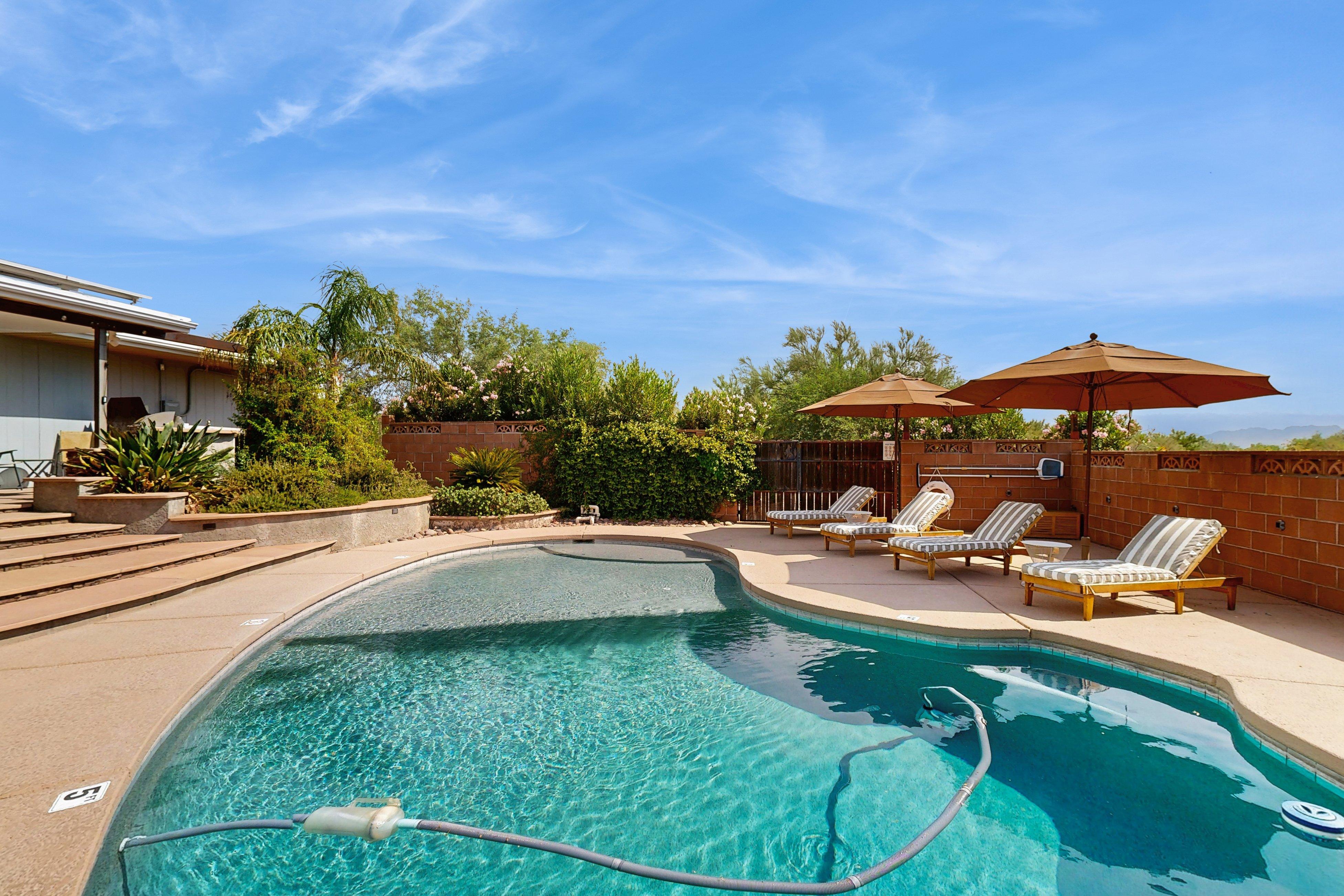
There is a particular kind of smugness that settles over a visitor to Scottsdale in February, sunning poolside in a short-sleeved shirt while the group chat back home trades photographs of burst pipes and black ice. This is Arizona’s open secret: for one glorious stretch of the calendar, the desert does nothing but behave. The cacti stand at attention, the sky holds its famous unbroken blue, and golfers queue for dawn tee times as if the heat of July never happened and never will. It did, of course, and it will again – which is really the whole story of when to visit this state. Arizona isn’t one climate wearing a single hat; it’s at least three, stacked on top of each other by elevation, and knowing which one you’re packing for makes all the difference.
Best Time to Visit Arizona: At a Glance
For a fuller sense of the state’s regions and driving distances, the Arizona Travel Guide covers that ground – here the focus is purely on timing.
- Best overall months: March to May and September to November
- Hottest months: June to August, especially in Phoenix and Tucson
- Coldest months: December to February, especially in Flagstaff and at the Grand Canyon
- Busiest and priciest: January to March, when snowbirds and spring training arrive together
- Best value: July and August in the low desert
- Monsoon season: mid-June through September
Arizona in Winter: December to February
Down in the low desert – Phoenix, Scottsdale, Tucson – winter is the reward for surviving the rest of the year. Daytime highs sit around 18-21°C (65-70°F), with nights cooling to a crisp 4-7°C (40-45°F), cool enough for a jacket over dinner and warm enough that nobody back home wants to hear about it. This is peak season, full stop. Snowbirds – a term Arizonans use with genuine affection and only mild exasperation – arrive by the thousands from Canada and the colder US states, filling resorts and golf courses from January through March. Spring training baseball starts creeping in by late February, and gem and mineral shows draw serious collectors to Tucson.
Up at elevation, winter means actual winter. Flagstaff, at over 2,100 metres, gets real snow and a functioning ski season; the Grand Canyon’s South Rim hovers around 5-8°C (41-46°F) by day and well below freezing at night, occasionally dusted in white, which is a genuinely strange and good thing to see. The North Rim, higher and colder still, becomes largely inaccessible once the snow sets in. Winter suits sun-starved travellers, golfers and anyone wanting to hike the canyon without risking heatstroke – but expect the highest resort rates of the year and busier trails than the postcards suggest.
Arizona in Spring: March to May
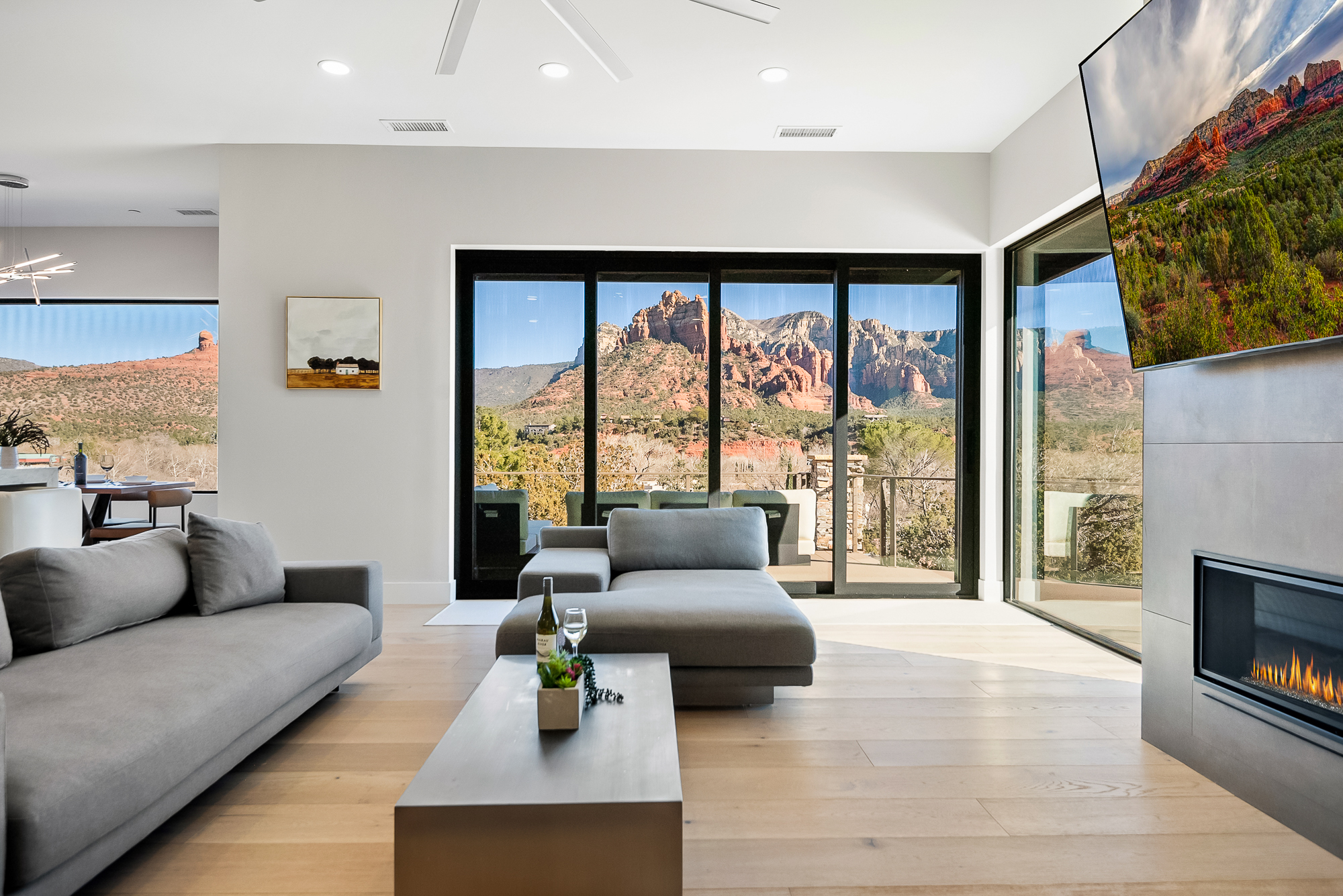
Spring is Arizona’s showing-off season. March brings spring training crowds to the Phoenix area and, in good rainfall years, desert wildflowers – Mexican gold poppies and lupine turning the hillsides briefly, almost implausibly, colourful. April is close to perfect everywhere in the state: desert highs of 27-29°C (80-85°F), cool evenings, and ideal conditions for Sedona’s red rock trails and the Grand Canyon’s rim walks. It’s the month locals quietly recommend to friends while telling tourists something else entirely.
May is where the mood shifts. By the middle of the month, Phoenix is pushing 35-38°C (95-100°F), and the desert starts reminding you what it actually is. Mornings remain lovely; afternoons start to feel like a warning. Crowds thin out after spring break ends in March, and prices drop from winter peaks without yet collapsing into summer bargain territory. Spring suits hikers, photographers chasing wildflowers, and anyone who wants Arizona’s scenery without Arizona’s worst behaviour.
Arizona in Summer: June to August
Let’s not be coy about this: summer in the low desert is genuinely extreme. Phoenix and Tucson regularly hit 40-46°C (104-115°F), and “it’s a dry heat” is the kind of thing locals say with a straight face while you quietly reconsider your afternoon plans. Mid-June through September brings monsoon season – dramatic, sudden thunderstorms that roll in most afternoons, sometimes preceded by towering dust storms known as haboobs, which are as cinematic as they are occasionally hazardous. Flash flooding is a real risk in low-lying areas and dry washes during this period.
The saving grace is elevation. Flagstaff, Sedona and the high country routes north of the Mogollon Rim run noticeably cooler and become summer retreats for heat-fleeing Arizonans and Californians alike, with the Grand Canyon’s North Rim open and at its most accessible precisely when the desert below is at its worst. Meanwhile, down in Phoenix and Tucson, hotel and resort rates fall off a cliff, pools go from amenity to survival mechanism, and outdoor plans shrink to a narrow, sacred window before 9am. Summer suits budget travellers, pool enthusiasts, storm photographers and anyone centring their trip on the high country rather than the valley floor.
Arizona in Fall: September to November
September is a transition month and knows it – the monsoon is winding down, but the desert is still hot, often 33-37°C (92-99°F), and not yet ready to let go of summer. October is where Arizona properly exhales: desert highs settle to a comfortable 28-30°C (82-86°F), nights turn genuinely pleasant, and the high country puts on its own quiet display as Oak Creek Canyon near Sedona and the aspen groves around Flagstaff turn gold. November brings mild desert days of 21-24°C (70-75°F) and the first real cooling in the north, with crowds and prices starting to climb again toward the Thanksgiving holiday.
Fall carries the same appeal as spring – good weather, moderate prices, manageable crowds – minus the spring break bump, which makes it arguably the more relaxed of the two shoulder seasons. It suits hikers, road-trippers working through multiple regions, and anyone who’d rather see Sedona’s rocks glow at golden hour without queuing for the view.
Shoulder Season in Arizona: Why Spring and Fall Win
If there’s a single piece of advice worth taking from this guide, it’s to aim for the shoulder windows either side of the brutal middle and the crowded peak: April into early May, and mid-September into November. Weather across both the desert and the high country is close to ideal, prices sit comfortably below the January-to-March surge, and the trails, canyons and red rock viewpoints that get genuinely crowded in winter feel considerably more like your own discovery. Spring training baseball and spring break traffic create a brief March bump worth avoiding if peace and quiet rank above ballpark hot dogs; fall has no equivalent spike until Thanksgiving approaches. These windows also tend to offer the best value on everything from car rentals to resort rooms, since demand hasn’t yet caught up with the weather doing all the work for free.
Off-Season in Arizona: The Case for Summer
Summer gets unfairly dismissed, and there’s a real argument for visiting anyway – provided expectations and itineraries adjust accordingly. Resort rates in Phoenix, Scottsdale and Tucson drop to their lowest point of the year, sometimes by well over half, making it the most affordable time to experience properties and pools that cost a small fortune in February. Early starts become non-negotiable rather than optional, with hiking and sightseeing concentrated into the hours before 9am, but the payoff is near-empty trails and attractions that feel besieged the rest of the year. Travellers building their trip around Flagstaff, Sedona’s higher elevations, or the Grand Canyon’s North Rim get genuinely pleasant conditions throughout, while monsoon storm-chasers get some of the most dramatic skies the state produces. It isn’t for everyone – but for budget-conscious, heat-tolerant and flexible travellers, Arizona’s off-season has a case worth hearing out.
Those ready to book should start by browsing villas in Arizona.
Arizona Weather and Seasons FAQs
What is the hottest month in Arizona?
July is typically the hottest month in the low desert regions of Phoenix and Tucson, with average highs often exceeding 40°C (104°F). High-elevation areas such as Flagstaff and the Grand Canyon’s North Rim remain considerably cooler throughout the summer.
Does it snow in Arizona?
Yes. While the low desert rarely sees snow, Arizona’s high country – including Flagstaff, the San Francisco Peaks and the Grand Canyon’s North Rim – receives substantial snowfall each winter, and ski areas operate in the northern part of the state.
When is monsoon season in Arizona?
Arizona’s monsoon season generally runs from mid-June through September, bringing intense afternoon thunderstorms, dust storms and occasional flash flooding, particularly across the southern and central parts of the state.
Keep reading
More on Arizona
- Travel guideArizona Travel Guide
- RestaurantsBest Restaurants in Arizona
- Food & wineArizona Food & Wine
- FamiliesArizona with Kids
Guides to places in Arizona
Where to stay
Villas in Arizona
A selection from our 132 luxury villas in Arizona.