Brittany with Kids: Tide Pools, Crêpes & Island-Hopping
Brittany is one of France’s most practical family destinations, with wide tidal beaches, shallow bathing waters, short drive times between towns and a food culture built around crêpes and simple seafood that children generally eat without a fight. It suits families with toddlers through teenagers, and works well for both summer beach holidays and shoulder-season breaks with outdoor activity. Most resorts have lifeguarded beaches, boat trips to islands, and enough rain to make a wet-weather plan worth having.
I will confess something that feels almost disloyal to say about a region I am fond of: Brittany was not designed with children in mind. Nobody sat down centuries ago and thought, let us build granite ports and wild headlands that will later delight people under the age of twelve. And yet somehow it works better for families than destinations that try far harder. The tides do half the entertaining for you – retreating twice a day to reveal rock pools, stranded crabs and acres of flat sand that no toddler has yet managed to destroy – and the food is forgiving enough that a fussy eight-year-old can survive on crêpes and moules without anyone noticing a gap in their diet.
Does Brittany Work for Families?
Yes, and for reasons that have little to do with marketing. The coastline is long and varied, so you can choose a sheltered bay for small children or a wilder stretch for older ones who want to feel vaguely adventurous without actual danger. Distances are short by French standards – you are rarely more than forty minutes from a different kind of beach, port or forest – which matters enormously when travelling with anyone under ten, whose tolerance for car journeys is measured in single digits of minutes. The climate is milder than its Atlantic position suggests, cooler than the south of France in August, which parents of small children tend to regard as a feature rather than a flaw. For a wider sense of the region before you narrow down where to stay, the Brittany Travel Guide covers the bigger picture.
Best Family Beaches in Brittany
Brittany’s beaches are mostly generous, flat and tidal, which means they double their size twice a day and leave behind the kind of rock pools that keep children occupied for hours without a screen in sight. The Emerald Coast around Dinard and Saint-Malo has fine golden sand and some of the gentlest bathing conditions on this stretch of coastline, with promenades that make pushchair life easy. Further west, the beaches around the Gulf of Morbihan are sheltered by the bay itself, so the water stays calmer and warmer than the open Atlantic, useful if your children are still at the stage of treating the sea as something to be negotiated with rather than enjoyed. The southern coast near Quiberon and the Quiberon peninsula gives you both: calm bay-side beaches for little ones and wilder Atlantic-facing sand for older children who have started to enjoy a proper wave. Most resort beaches are supervised in peak season, though it is worth checking lifeguard hours rather than assuming, since French beach safety flags change through the day and nobody translates them for you.
Things to Do in Brittany with Kids
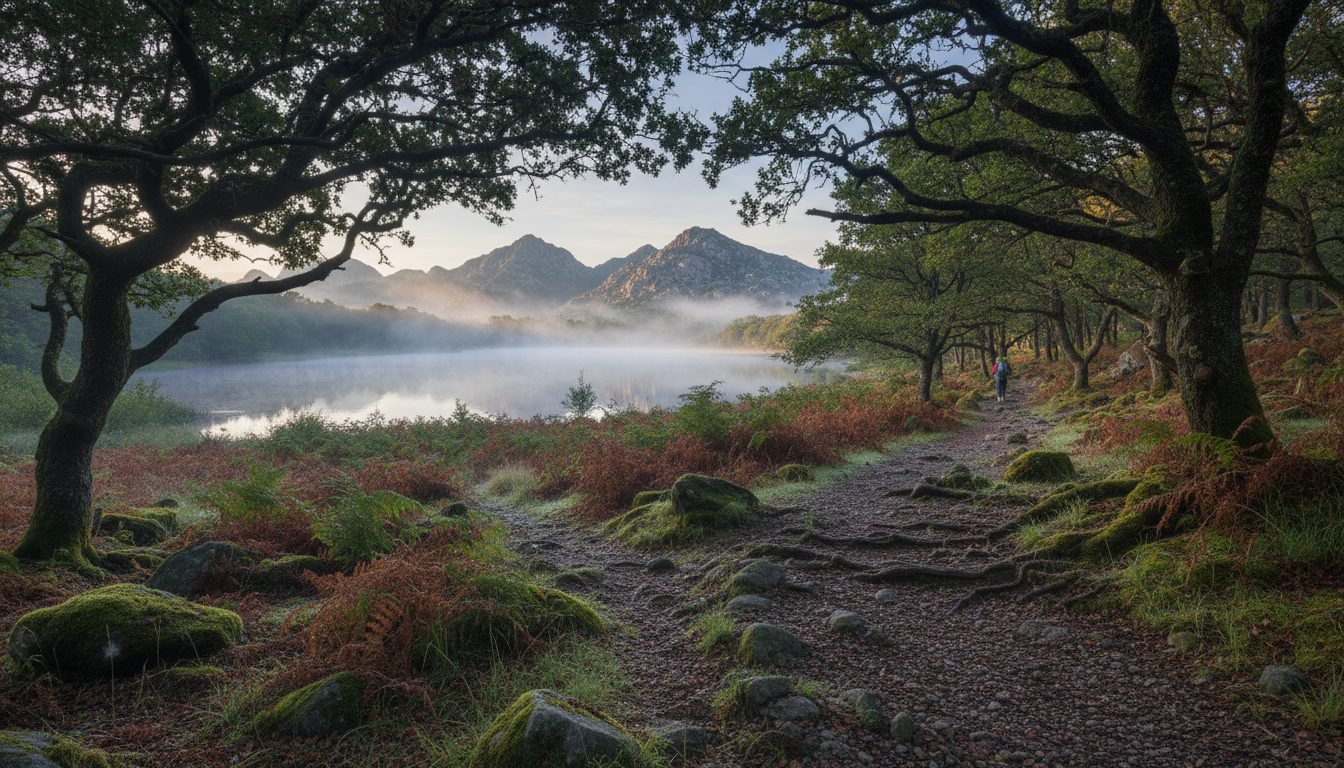
Island-hopping is the obvious highlight, and children tend to love it more than adults expect. Short ferry crossings from ports such as Quiberon to islands like Belle-Île or Houat turn an ordinary day out into something that feels like an expedition, complete with bicycles to hire on arrival and beaches that feel pleasingly cut off from the mainland fuss. Rock pooling is practically a local sport given the scale of the tides, and older children can be put to genuinely useful work hunting for crabs while you sit with a coffee pretending to supervise. Sailing schools and kayak rental are widely available along the coast for juniors and teens who want something more active, and the calmer waters of the Gulf of Morbihan are particularly suited to first attempts at either. Inland, Brittany’s forests and megalithic sites – the stone rows at Carnac being the most famous – give children a chance to run about ancient landscapes that are, usefully, nearly impossible to break.
Child-Friendly Restaurants in Brittany
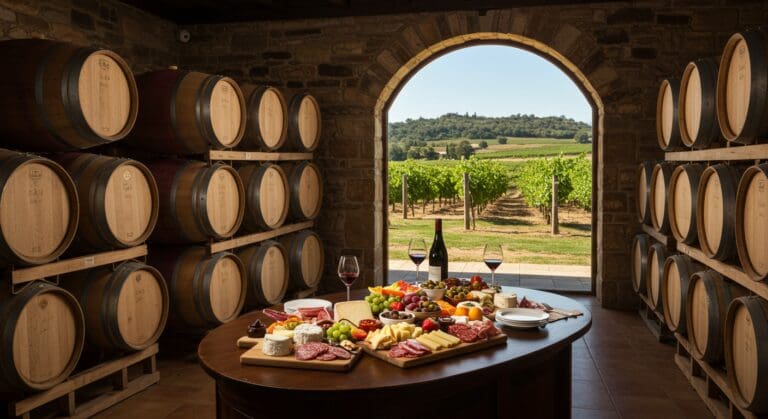
Brittany is, without exaggeration, one of the easier regions in France to feed a child in. The crêperie is practically a public service here, and most towns have several, serving savoury galettes (made with buckwheat, a Breton speciality) and sweet crêpes that children will eat before you have finished reading the menu. Seafood restaurants along the coast are generally relaxed about young diners, and many offer simple grilled fish or moules frites that satisfy both the adventurous eater and the deeply conservative one. Market towns tend to have casual bistros with outdoor seating, which suits families better than anywhere formal, since nobody minds if a four-year-old needs to get down from the table four times during a meal. Portion sizes are sensible rather than enormous, and asking for a children’s menu (menu enfant) rarely raises an eyebrow.
Rainy-Day Activities in Brittany
Brittany’s weather has a reputation, not entirely undeserved, for changing its mind without warning – which is precisely why having a wet-weather plan here is sensible rather than pessimistic. Aquariums along the coast, including large ones near Saint-Malo and Brest, are reliable favourites and genuinely well suited to a few hours of rain. Indoor swimming complexes with wave pools and slides exist in most larger towns, useful when the sea itself looks uninviting. Museums dedicated to maritime history or local shipwrecks tend to hold children’s attention better than you might expect, largely because they involve pirates, cannons or both. And when all else fails, a covered market hall – of which Brittany has several atmospheric examples – makes for an hour of wandering, snacking and pointing at unfamiliar cheeses.
Brittany with Kids by Age: Toddlers, Juniors and Teens
Toddlers in Brittany
Toddlers do well here largely because of the tides: a beach that disappears and reappears is, to a two-year-old, a source of endless and renewable fascination. Stick to beaches with gently shelving sand and lifeguard cover in peak months, and plan around nap times rather than against them – French lunch service runs long and late, which suits toddlers who need a sleep at 1pm about as well as it suits parents who need a glass of something cold.
Junior Years in Brittany
Children aged roughly six to twelve are, frankly, Brittany’s ideal customer. They are old enough for rock pooling to become a genuine pursuit, old enough for short boat trips to islands, and young enough that a crêpe still counts as a thrilling reward. This is also the age at which bicycle hire becomes genuinely useful, since many coastal towns have flat, well-marked paths suited to wobbling confidence.
Teenagers in Brittany
Teenagers, who regard most family holidays with the enthusiasm of a dental appointment, tend to come round once watersports are involved. Surfing on the more exposed Atlantic beaches, sailing in the calmer bays, and the independence of island ferries all help. Towns with a bit of café culture and shops also matter more than parents like to admit at this age.
Getting Around Brittany with Children
A car is close to essential if you want to make the most of the coastline’s variety, since train coverage thins out beyond the main towns and children’s patience for connecting buses is famously finite. Roads are generally uncongested outside peak July and August weekends, and distances between beaches, towns and attractions are short enough that nobody needs to be bribed into silence for long. Car seats and boosters are required by French law up to a certain height and age, so arrange hire seats in advance if you are not bringing your own, since availability on the day is not guaranteed. Ferries to the islands run frequently in season and are simple enough that even a reluctant traveller usually enjoys the crossing more than the car journey that preceded it.
If you are now narrowing down where to base yourself, you can compare villas in Brittany.
Brittany Family Holiday FAQs
Is Brittany safe for swimming with young children?
Most resort beaches have lifeguard supervision in July and August and use a flag system to indicate conditions. Tidal range is significant in parts of Brittany, so check tide times locally and avoid swimming far out as the sea retreats, since it can return quickly over flat sand.
What is the best time of year to visit Brittany with kids?
July and August offer the warmest sea temperatures and full resort services, though they are also the busiest weeks. Late May, June and September bring milder weather, quieter beaches and lower prices, and suit families with school-age children who can travel outside peak holiday dates.
Do I need a car to explore Brittany with children?
A car makes family travel far easier, since it allows quick movement between beaches, towns and attractions without relying on limited rural bus or train services. If you plan to stay in one resort area for the whole trip, a car becomes less essential, but most families find one useful.
Keep reading
More on Brittany
- Travel guideBrittany Travel Guide
- When to goBest Time to Visit Brittany
- RestaurantsBest Restaurants in Brittany
- Food & wineBrittany Food & Wine
Guides to places in Brittany
Where to stay
Villas in Brittany
A selection from our 107 luxury villas in Brittany.