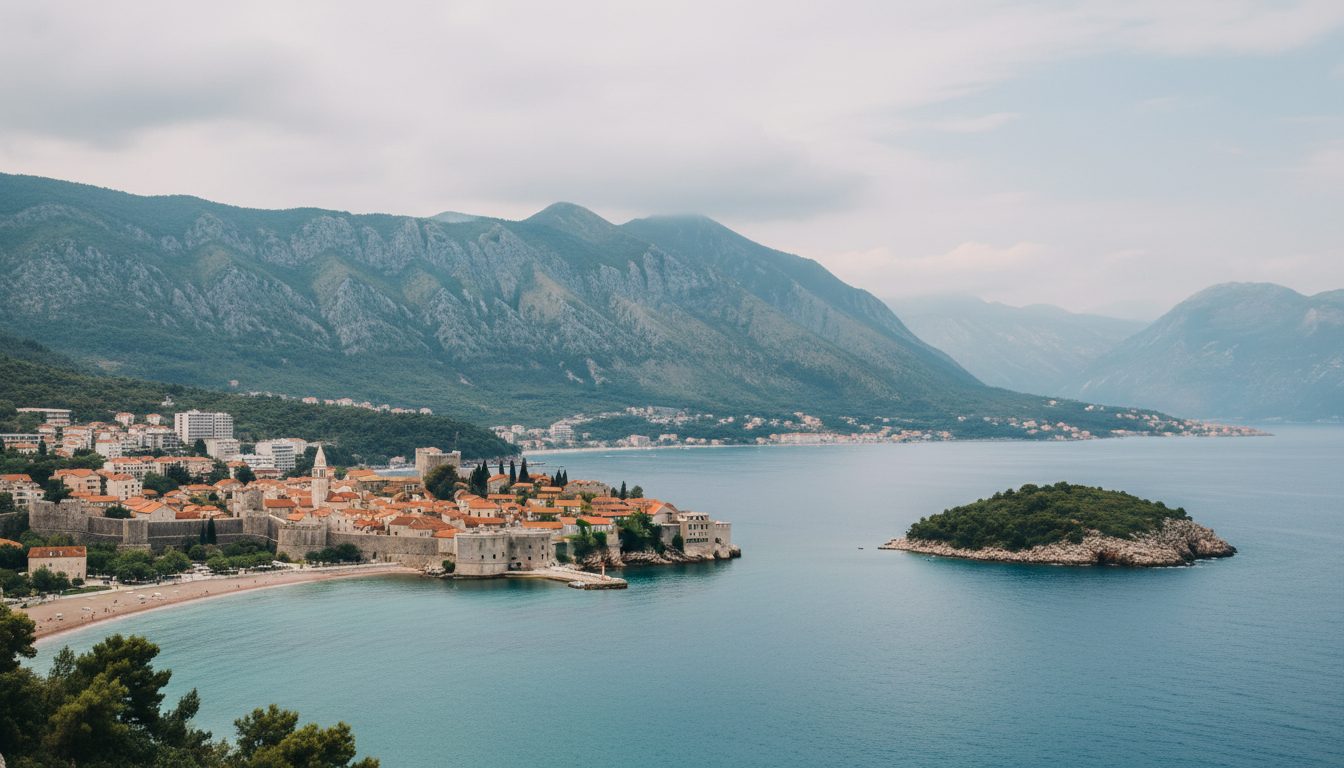
Best Time to Visit Budva: Beaches, Old Town & Nightlife
The best time to visit Budva is late May, June or September, when temperatures sit comfortably between 22-28°C (72-82°F), the Adriatic is warm enough to swim in, and the town hasn’t yet filled with the full crush of the July-August crowd. July and August bring the hottest weather and the busiest beaches, while November through March is quiet, cheap and wet, with many seafront businesses closed for the season.
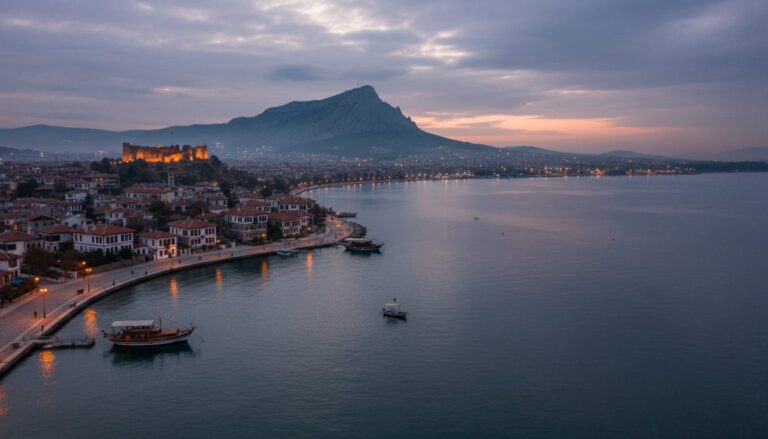
So when exactly should you go? It depends whether you want Budva heaving with dance music and sunburnt Europeans, or Budva as it probably looked fifty years ago – half-asleep, faintly smelling of woodsmoke and espresso, with the Old Town walls keeping their own counsel against the sea. This guide walks through what to expect month by month, so you can pick the version of Budva that suits you. For the full picture of the town itself, the Budva Travel Guide is the place to start.
Best Time to Visit Budva at a Glance
Spring (April-May): mild, green, quiet, prices rising. Summer (June-August): hot, crowded, loud, expensive. Autumn (September-October): warm sea, thinning crowds, arguably the sweet spot. Winter (November-March): cool, wet, cheap, many closures. If you want beach weather without beach chaos, aim for June or September. If you want the town entirely to yourself – and don’t mind a cardigan – come in January.
Budva in Spring: April and May
Spring arrives in Budva somewhat tentatively, as if it isn’t quite sure the tourists have left yet. April averages 13-18°C (55-64°F) with regular rain showers rolling in off the Adriatic; by May that climbs to 17-23°C (63-73°F) and the rain thins out considerably. The sea is still bracing rather than inviting – around 17-19°C – so this isn’t swimming weather unless you’re hardy or Scandinavian.
Crowds are minimal in April, building noticeably by late May as the first charter flights and cruise passengers arrive. Prices for everything from restaurant tables to boat trips sit well below summer rates. The Old Town’s cafés and shops are open, though some seasonal beach bars and restaurants along Slovenska Plaža don’t reopen until mid-May. This is prime territory for walkers, photographers and anyone who’d rather see the Budva Riviera’s hills green and wildflowered than brown and dusty. Couples and older travellers tend to do particularly well here – fewer stag parties, more room to actually hear the waves.
Budva in Summer: June, July and August
This is Budva at full volume. June temperatures run 22-28°C (72-82°F) with the sea warming to a genuinely swimmable 22-24°C, making it arguably the best of the summer months – all the heat, slightly fewer crowds than high season. July and August are hotter still, regularly hitting 30-33°C (86-91°F) with little rain and sea temperatures peaking around 26°C.
Prices climb accordingly, accommodation books out weeks in advance, and the beaches – Mogren, Jaz, Slovenska Plaža – fill with sunbeds packed close enough that you can hear your neighbour’s podcast whether you want to or not. This is also when Budva’s cultural life wakes up properly: the long-running Grad Teatar (Theatre City) festival brings open-air performances, music and theatre to the Old Town through July and August, while Jaz Beach has historically hosted large-scale music festivals drawing visitors from across the region. Nightlife in Budva is loudest and latest in these months; if you’ve come for the bars and beach clubs rather than the quiet contemplation of fortress walls, this is your season. Families with young children might find the midday heat and crowded beaches harder going – an early morning swim beats a 2pm scramble for shade every time.
Budva in Autumn: September and October
September is, by most sensible measures, the best time to visit Budva. Temperatures hover around 23-28°C (73-82°F), the sea is at its warmest of the year – sometimes touching 25°C, having spent all summer absorbing heat it’s now reluctant to give up – and the worst of the crowds have gone home to their actual jobs. Restaurants are still fully open, prices start easing from their August peak, and the light takes on that particular golden quality that makes every stone wall in Stari Grad look vaguely cinematic.
October cools further to 17-23°C (63-73°F), with rain becoming more frequent toward the month’s end. Beach days are still possible early in the month, though by late October most sunbeds have been stacked away for winter. This shoulder season suits couples, photographers and anyone who finds the idea of sharing a beach towel’s width of sand with four hundred strangers less than romantic. It’s also noticeably kinder on the wallet than July or August, without sacrificing much in the way of weather.
Budva in Winter: November to March
Winter in Budva is a different proposition altogether – quiet, grey-skied and rain-prone, with temperatures sitting around 7-13°C (45-55°F) and the Adriatic turning choppy and uninviting. Many seafront restaurants, beach bars and some hotels close for the season or trim their hours drastically; the Old Town remains open and inhabited, but the seasonal buzz is gone entirely.
What winter lacks in sunbathing it makes up for in solitude and value. Flights and accommodation are at their cheapest, the Old Town’s cobbled lanes are yours without the queue of selfie sticks, and nearby mountain regions get genuinely cold enough for snow, making this a reasonable base for day trips inland. December brings Orthodox Christmas and New Year festivities with a modest local flavour rather than a tourist-oriented one. This season suits budget travellers, those who dislike crowds on principle, and anyone curious what a Montenegrin seaside town looks like when it isn’t performing for an audience.
Shoulder Season in Budva: Why May, June and September Work
If there’s a single piece of advice worth taking from this guide, it’s to aim for the shoulder months either side of peak summer. Late May into June, and September into early October, deliver warm enough weather for beaches and boat trips, open restaurants and attractions, and crowd levels that let you actually enjoy the Old Town’s narrow streets rather than queue through them. Prices in these windows sit meaningfully below August’s peak, sometimes by a third or more for accommodation. You’ll still get lively evenings and a functioning tourist infrastructure – just without the sense that everyone in Europe booked the same week off work.
Off-Season Budva: The Case for Visiting in Winter
There’s a quieter argument for visiting Budva between November and March, and it has nothing to do with saving money (though you will). It’s the chance to see the town as a place people actually live in rather than a backdrop for other people’s holidays. The Old Town’s bars and bakeries stay open for locals even when the beach bars shutter completely. Day trips to Kotor, Cetinje or the mountains become more comfortable without summer traffic clogging the coast road. It won’t suit everyone – pack layers, expect rain, and don’t come for the beach – but for travellers who’d rather have a place mostly to themselves than fight for a sunbed, winter has its own quiet appeal.
Whatever month you choose, book your base early once you’ve settled on dates – villas in Budva fill up fastest in the months this guide recommends most.
Budva Weather and Seasons FAQs
What is the hottest month in Budva?
July and August are the hottest months in Budva, with average highs reaching 30-33°C (86-91°F) and sea temperatures around 25-26°C, making them ideal for swimming but also the busiest and priciest time to visit.
Is Budva warm enough to swim in October?
Early October usually still offers swimmable sea temperatures around 22-23°C, with air temperatures of 17-23°C (63-73°F). By late October, rain becomes more frequent and many beach facilities close for the season.
Does Budva get cold in winter?
Budva’s winters are mild by regional standards, typically ranging from 7-13°C (45-55°F), though rain is frequent and the sea turns rough. Snow is rare on the coast itself but common in the nearby mountains.
Keep reading
More on Budva
- Travel guideBudva Travel Guide
- RestaurantsBest Restaurants in Budva
- Food & wineBudva Food & Wine
- FamiliesBudva with Kids
Guides nearby in Montenegro
Where to stay
Villas in Budva
A selection from our 39 luxury villas in Budva.