Cartagena with Kids: Roman Ruins, Submarines & Beaches
Cartagena, Spain, is a compact, flat-streeted port city on the Costa Cálida that suits families well, with a pedestrianised old town, Roman and naval history that children actually enjoy, and calm, shallow beaches within a short drive. It works best for families who want culture in the morning and sea in the afternoon, rather than a resort that does everything for you.
Picture it: breakfast on a terrace somewhere near the Roman Theatre, a toddler refusing to wear shoes, a nine-year-old already asking where the submarine is. By mid-morning you’re walking flat, car-free streets lined with Modernist facades, nobody rushing you, because this is a working Spanish city that happens to have two thousand years of history lying about rather than a theme park built to impress you. Lunch is unhurried and involves more seafood than anyone planned. By three you’re ankle-deep in startlingly warm water that barely reaches a toddler’s knees a hundred metres out, and by evening the kids are asleep before dessert arrives, which, frankly, is the dream.
Cartagena doesn’t shout about being family-friendly. It simply is, in the unassuming way that cities built on layers of Carthaginians, Romans and Spanish sailors tend to be – it has seen enough history to not need to perform for anyone, least of all a seven-year-old with an ice cream moustache.
Cartagena with Kids: How Family-Friendly Is It?
Genuinely family-friendly, and for reasons that have nothing to do with kids’ clubs or water parks, because there aren’t any to speak of here. The old town is largely pedestrianised, flat and compact enough to cover on foot or with a buggy without anyone’s legs – adult or otherwise – giving out. Pavement cafés are everywhere, Spaniards are famously unbothered by children at the table past 10pm, and the city’s biggest attractions (a Roman theatre, a 19th-century submarine, a hilltop castle) read less like “educational content” and more like an actual adventure story, which is exactly how an eight-year-old wants history delivered.
What Cartagena lacks is a beach on its own doorstep worth bothering with – more on that below – and a sprawling tourist infrastructure of English menus and themed playgrounds. Some families will find this refreshing. Others, expecting a Mediterranean resort with a water slide, will be disappointed. If you want authenticity over convenience, and you don’t mind a short drive for sand, it earns its keep. For context on the wider region and how Cartagena fits into a longer Costa Cálida trip, the Cartagena Travel Guide covers the bigger picture.
Best Family Beaches in Cartagena
The city’s own beach, Cala Cortina, is a small sheltered cove a short drive from the centre – fine for an afternoon, pleasant enough water, but modest in size and prone to filling up with locals who got there first (they always do). It’s the easiest option if you don’t want to drive far and just need a few hours of sand before gelato.
For the real family beach experience, most locals head slightly further afield to the Mar Menor, Europe’s largest saltwater lagoon, separated from the open Mediterranean by the long sandbar of La Manga. The water here is shallow, warm and almost entirely free of the currents and sudden depth drops that make parents of small children nervous elsewhere. Children can wade out an improbable distance and still be standing. The lagoon’s mineral-rich mud is also something of a local ritual – don’t be alarmed if you see entire families smeared grey and grinning, it’s tradition, not an emergency.
Calblanque Regional Park, a protected stretch of undeveloped coastline west of the city, offers wilder, dune-backed coves with clearer water, though facilities are minimal and some beaches require a short walk – manageable for juniors and teens, less so with a double buggy and a toddler mid-tantrum.
Things to Do in Cartagena with Kids
Start with the Roman Theatre, discovered by accident in the 1980s underneath what locals had long assumed was just more old city – the kind of detail that genuinely delights children, who enjoy nothing more than being told adults got something wrong for decades. The adjoining museum does a good job of making 2,000-year-old stone benches feel relevant to anyone under twelve.
The Isaac Peral submarine, moored prominently by the port, is one of the world’s first fully viable military submarines and looks exactly as a submarine should: cramped, improbable, faintly terrifying. Children who have never previously shown interest in 19th-century naval engineering will suddenly have opinions about it.
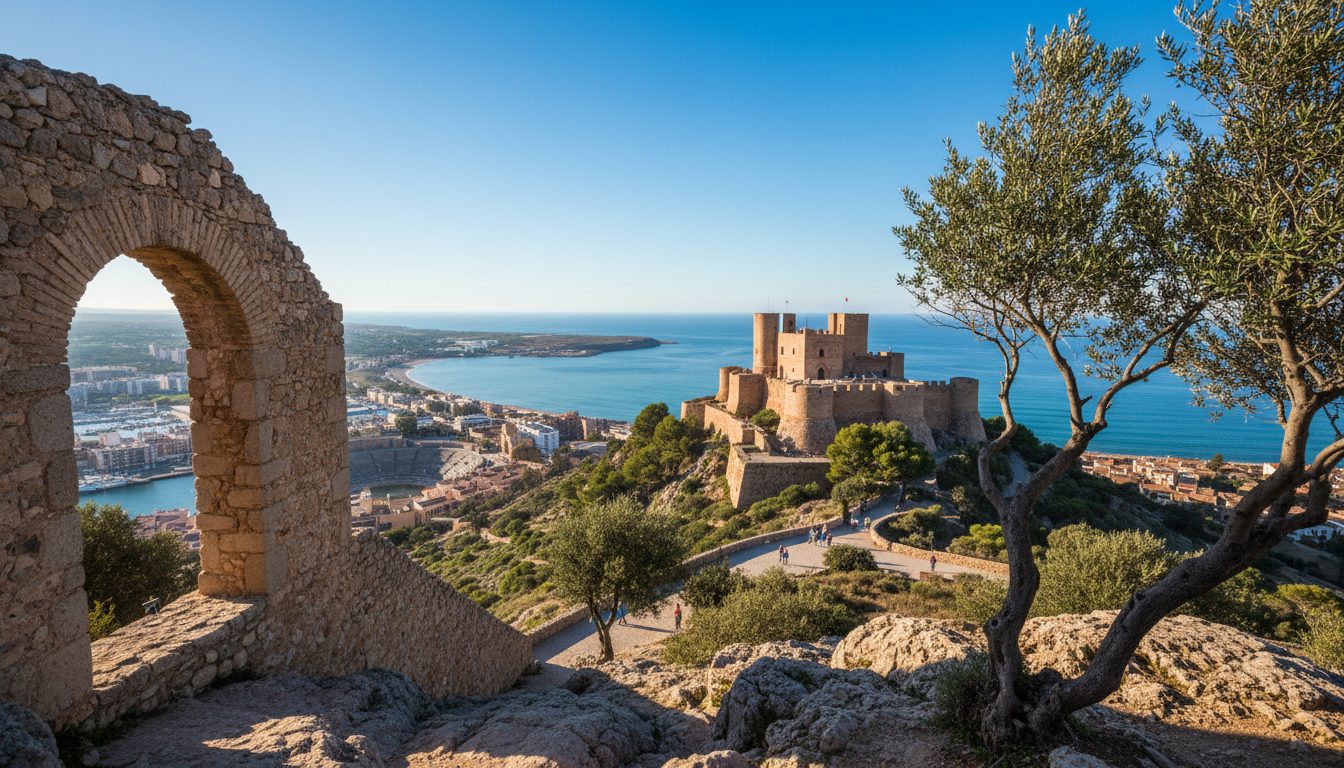
Castillo de la Concepción, reached by a panoramic lift (a genuine relief for anyone hauling a pushchair up a hill in July), offers views over the harbour and an interpretation centre that turns the city’s military history into something closer to a treasure hunt. Younger children tend to enjoy the climb and the lift more than the exhibits, which is fine – that’s still a full morning accounted for.
Family-Friendly Restaurants in Cartagena
Cartagena doesn’t do children’s menus in the laminated, chicken-nugget sense, and you’ll be better off for it. Spanish families eat together, late, and children are simply folded into whatever is happening at the table – which in Cartagena usually means seafood. Marineras, the city’s own invention – a crisp fried pastry boat topped with Russian salad and a prawn – are a genuinely good introduction for fussy eaters, being essentially a very elegant fish finger.
Tapas bars around the old town serve small, shareable plates that suit children’s attention spans far better than a single large main course ever could, and most terraces are entirely relaxed about a toddler wandering between tables. Ice cream parlours (heladerías) are plentiful and treated with appropriate seriousness by all ages – do not expect to walk past one unscathed.
For calmer evenings, seafront restaurants near the marina offer simple grilled fish and chips-adjacent options for pickier palates, with enough view and sea breeze to keep adults happy while the children negotiate loudly over who gets the last patata.
Rainy Day Activities in Cartagena with Kids
Rain is rare here, which is precisely why nobody has bothered building much indoor entertainment – so when it does happen, plan around the city’s museums rather than hoping for a soft play centre, because you won’t find one. The Naval Museum (Museo Naval) covers Cartagena’s centuries as a key Spanish naval base with models, artefacts and enough maritime drama to hold a child’s attention for a good hour. ARQUA, the National Museum of Underwater Archaeology, is a genuine highlight – shipwreck treasures, Roman amphorae and interactive displays that make the sea floor feel like the most interesting place on earth, which, this being Cartagena, it occasionally has been.
The Roman Theatre Museum and the submarine’s own interpretation centre are both indoors and air-conditioned, useful facts in August regardless of weather. Between the three, you can comfortably fill a wet day, emerge having learned something, and still make it to a café before the rain clears and everyone insists on going back outside.
Cartagena with Kids by Age: Toddlers, Juniors and Teens
Cartagena with Toddlers
The flat, pedestrianised old town is genuinely buggy-friendly, a rarity in historic Spanish cities built on hills and cobbles. The lift up to Castillo de la Conccepión spares you a climb that would otherwise end in tears (possibly yours). For swimming, the Mar Menor’s shallow, current-free water is about as forgiving as the sea gets, and worth the extra drive over the city’s own small beach. Pack sun protection seriously – the Costa Cálida earns its name.
Cartagena with Juniors
This is Cartagena’s sweet spot. Children aged roughly six to twelve tend to find the Roman Theatre’s accidental-discovery story and the submarine’s sheer strangeness far more engaging than their parents anticipated. Combine a morning of history with an afternoon at Calblanque or the Mar Menor and you have a well-balanced day that doesn’t feel like homework.
Cartagena with Teenagers
Teenagers get more out of Cartagena than you’d expect from a city built around Roman ruins and naval museums, mostly because of what’s offshore. The clear water around Calblanque and La Manga suits snorkelling, paddleboarding and general showing off, and the old town has enough genuine atmosphere – rather than manufactured resort polish – to avoid the usual teenage verdict of “boring.”
Getting Around Cartagena with Children
Within the old town, walking is the only sensible option and also the most pleasant one – distances are short, streets are pedestrianised, and nobody needs a car to get from the Roman Theatre to the port. An open-top tourist bus covers the city’s main sights for anyone whose legs, or patience, are running low, and tends to go down well with younger children purely for the novelty of sitting upstairs.
Beyond the city, though, you will need a car. The Mar Menor, La Manga and Calblanque are all a short drive rather than a walk, and public transport links, while they exist, are not built around a family schedule involving buggies, beach bags and a toddler who has just fallen asleep at the worst possible moment. Parking in the old town itself is limited and best avoided with a car full of beach gear – park on the outskirts and walk in, or save the car for beach days and go on foot for the history.
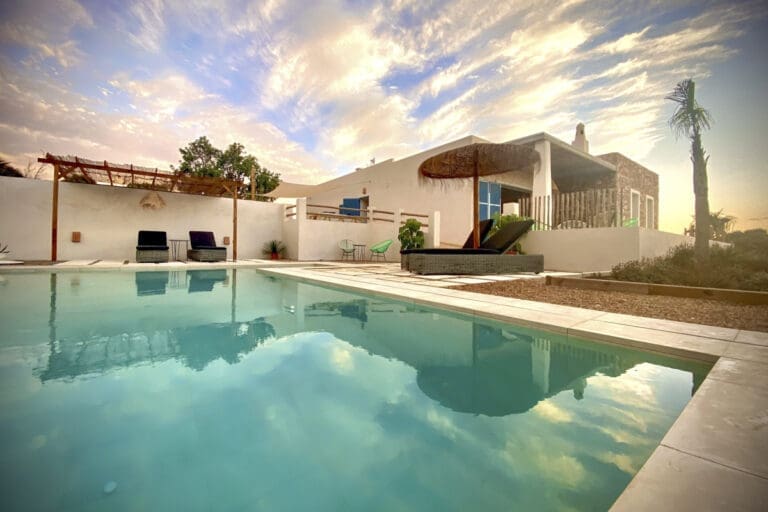
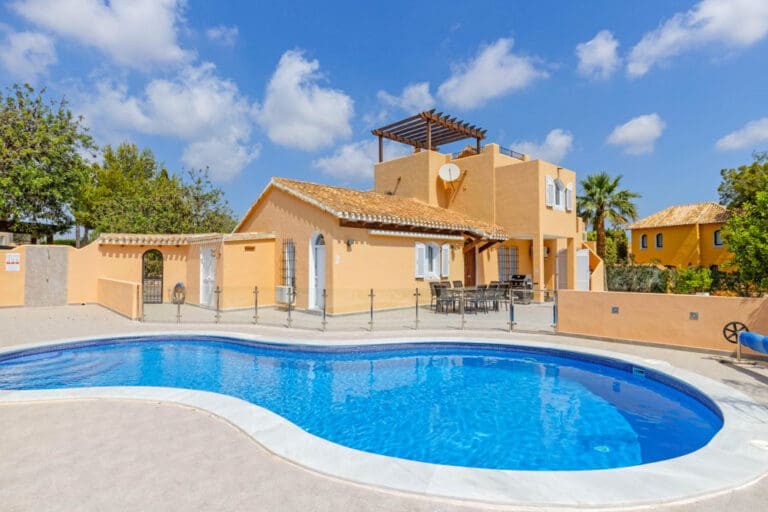
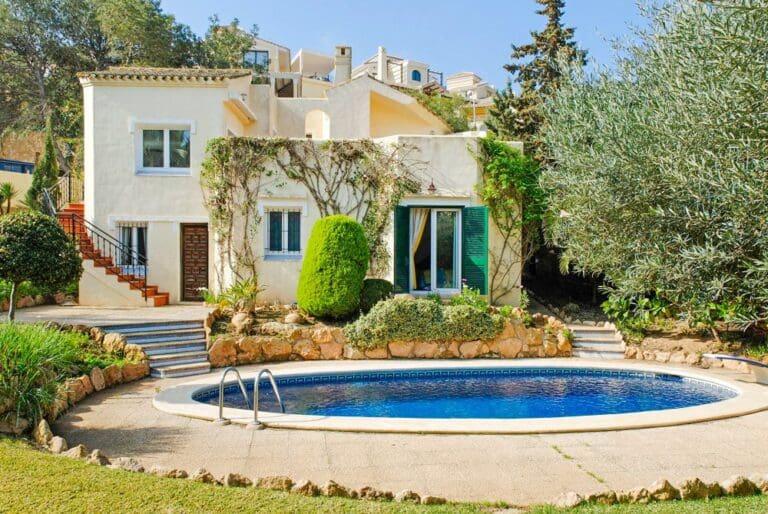
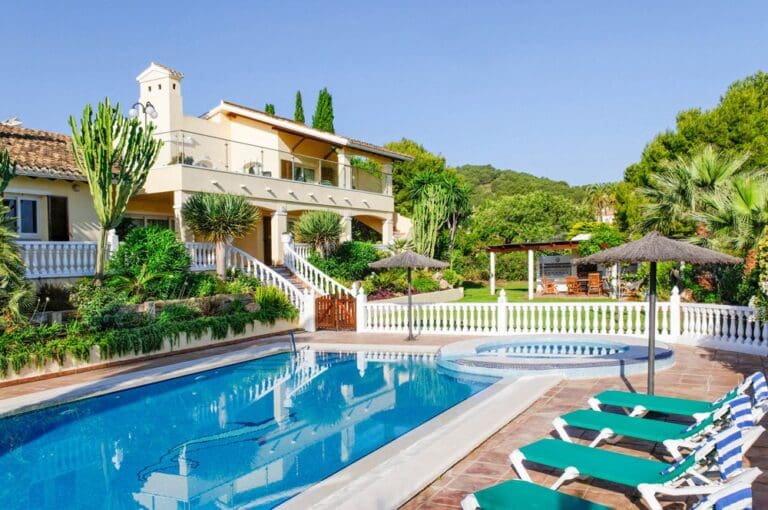
For those weighing up where to base themselves for all this, villas in Cartagena are worth a look.
Cartagena Family Holiday FAQs
Is Cartagena a good base for families without a car?
For the old town’s history and restaurants, yes – everything is walkable. For the best family beaches, including the Mar Menor and Calblanque, you’ll need a car or taxi, as they sit a short drive outside the city.
What is the best time of year to visit Cartagena with children?
Late spring (May-June) and early autumn (September) offer warm, swimmable sea without the most intense summer heat, and school-holiday crowds at the main sights are noticeably thinner than in July and August.
Is the Mar Menor safe for young children to swim in?
Generally yes – it’s shallow, calm and free of the strong currents found on open Mediterranean beaches, which is why it’s the preferred swimming spot for local families with toddlers and younger children.
Keep reading
More on Cartagena
Guides nearby in Murcia
Where to stay
Villas in Cartagena
A selection from our 25 luxury villas in Cartagena.