Cartagena Food & Wine: Caldero, Mar Menor Prawns & Jumilla Wine
Cartagena’s food culture centres on the Mar Menor lagoon and the Mediterranean, producing seafood-rich dishes such as caldero rice and the marinera tapa, alongside cured salazones and vegetables from the Murcian huerta. The surrounding Region of Murcia is also wine country, with the Monastrell-driven DOs of Jumilla, Yecla and Bullas within easy striking distance of the city. Markets, tapas bars and a handful of coastal restaurants built around the day’s catch form the backbone of eating well here.
There is a particular hour, around two in the afternoon, when the port in Cartagena fills with the smell of frying garlic and the slightly anxious energy of people who have booked a table for caldero and are now worried it will arrive before the rice has properly absorbed the fish stock. It will not. Caldero takes as long as caldero takes, and nobody in this city has ever successfully hurried it.
This is not a place that shouts about its food the way some of its more photogenic Spanish neighbours do. There are no queues forming before dawn, no dishes requiring reservations booked eleven months in advance. Cartagena eats the way a working port city eats – well, often, and without much ceremony – and that, as it turns out, is precisely the point.
Cartagena Food and Wine at a Glance
- Signature dish: caldero, a fisherman’s rice cooked in fish stock with garlic, dried nora peppers and alioli
- Famous tapa: the marinera, a fried pastry cylinder filled with Russian salad and topped with a cured anchovy
- Key ingredient: Mar Menor seafood, particularly prawns, mussels and small rock fish
- Local wine country: Jumilla, Yecla and Bullas, all Monastrell-based DOs within a 60 to 90 minute drive
- Best eating season: summer for seafood and salazones, autumn for new wine and paparajotes
The Cuisine of Cartagena: A Port City Shaped by Sea and Soil
Cartagena sits at an odd and useful crossroads. It is a working Mediterranean port, which means its food has always leaned heavily on what comes off the boats. But it also backs onto the Campo de Cartagena, flat agricultural land that feeds much of Europe’s winter salad bowl, and onto the Mar Menor, Europe’s largest saltwater lagoon, which behaves less like open sea and more like a very large, very productive fish tank. The result is a kitchen that moves easily between rice dishes built on fish stock, vegetable dishes built on irrigation-fed abundance, and a strong tradition of preserving things in salt, because this was a naval city for centuries and sailors needed food that would survive a voyage.
None of this cooking is particularly fussy. It is built for people who work hard and eat in the middle of the day, and it shows in the portion sizes as much as the flavours. If you come expecting elaborate plating, adjust your expectations downward and your appetite upward. The main Cartagena Travel Guide covers the wider region if you want the fuller picture of where this food fits into the city’s history.
Signature Dishes in Cartagena
Caldero is the dish people travel here specifically to eat, and rightly so. Traditionally cooked by fishermen on board – in the metal cauldron, or caldero, that gives it its name – it involves simmering whitefish stock with garlic, tomato, dried ñora peppers and rice until the rice has drunk up everything the sea and the pot have to offer. The fish itself is usually served separately, alongside a bowl of alioli thick enough to stand a spoon in. It is not a dish for one person, and ordering it for one is the culinary equivalent of asking for a taxi to drive you somewhere two streets away – technically possible, faintly embarrassing.
The marinera is Cartagena’s other great culinary export, a fried pastry tube stuffed with ensaladilla rusa and finished with a single marinated anchovy laid across the top like a tiny silver sash. Local legend credits its invention to a bar in the city in the early twentieth century, and whatever the precise truth of that story, the dish has since spread across the region as a standard tapas-bar order.
Elsewhere on the tapas trail, expect michirones – dried broad beans stewed low and slow with chorizo, bay leaf and paprika until they turn almost meaty – and zarangollo, a soft scramble of courgette, onion and egg that does more with three ingredients than most dishes manage with ten. For dessert, paparajotes – lemon leaves dipped in batter, fried, and dusted with sugar and cinnamon – are eaten (the leaf itself discarded, not eaten, a distinction every visitor learns the hard way exactly once).
Cartagena’s Wine Country: Jumilla, Yecla and Bullas
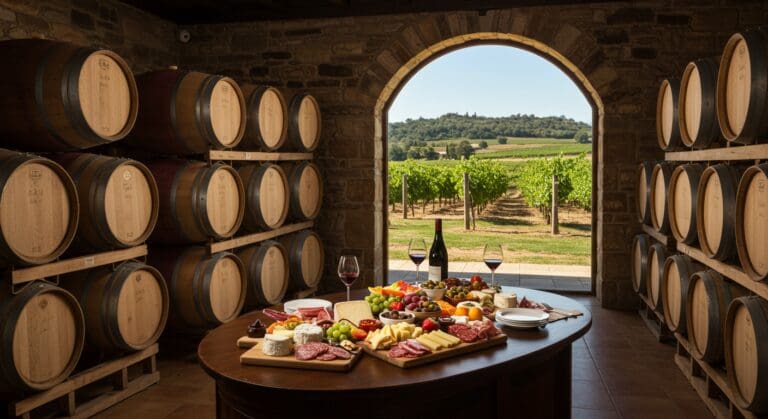
Cartagena itself is not a wine town, but the Region of Murcia around it very much is, and the inland DOs of Jumilla, Yecla and Bullas are all within an hour or so’s drive. All three build their reputation on Monastrell, a thick-skinned, heat-loving grape that thrives on the sandy, limestone soils of this part of Spain – soils so sandy, in fact, that many of the region’s oldest vines survived the phylloxera epidemic that devastated European viticulture in the late nineteenth century, because the louse struggles to move through loose sand. The result is a surprising number of genuinely old, ungrafted vines still producing fruit today, something winemakers here mention with the quiet pride of people who know they are sitting on something rare.
Jumilla is the best known of the three, producing robust, dark-fruited reds with real structure, often aged in oak. Yecla, smaller and less internationally famous, tends toward slightly fresher, more approachable styles. Bullas, higher in altitude and cooler, produces some of the region’s most elegant Monastrell, along with a tradition of rosado that locals drink chilled through the hottest months without irony. Family-run bodegas across all three areas welcome visitors for tastings, usually by appointment, and a day trip inland from Cartagena to walk a vineyard and taste old-vine Monastrell against the landscape it comes from is one of the better uses of a free afternoon in this part of Spain.
Food Markets in Cartagena
The old town’s covered market – a handsome ironwork and glass structure dating from the early twentieth century – remains the best place to see what the region actually eats, as opposed to what gets written about it. Stalls sell salazones (the cured, salted fish that are a genuine local speciality), fresh produce from the surrounding huerta, and the Mar Menor’s seafood, which arrives looking considerably less glamorous and considerably more alive than it ever does on a plate. Mornings are the time to go, before the fishmongers run out of the good stuff and before the heat makes browsing a market feel like a punishment.
Smaller neighbourhood markets and weekly open-air stalls around the Campo de Cartagena are worth a detour too, particularly for seasonal vegetables and the region’s excellent, under-exported tomatoes – grown in soil that gets a lot more sun than it probably deserves.
Cooking Classes in Cartagena
Cooking classes here tend to be small, informal and built around a single dish rather than a full culinary curriculum – a morning spent learning to build a proper caldero, or an afternoon making marinera from scratch under supervision that will gently but firmly correct your pastry-folding technique. Some are run from private kitchens, others as part of market tours that end with a cooking demonstration using whatever was bought an hour earlier. Booking ahead is sensible, particularly in summer, when demand spikes alongside the tourist population and the good instructors fill up fast.
Seasonal Specialities in Cartagena: Seafood, Salt and Olive Oil
Summer is when Cartagena’s kitchens are at their busiest and best, with Mar Menor prawns, mussels and small rock fish at their peak and caldero served everywhere from portside restaurants to family gatherings. The nearby salt flats, part of a coastal tradition stretching along this stretch of the Mediterranean, produce flor de sal that turns up in good kitchens across the region, and the salazón tradition – salt-cured tuna, roe and other preserved fish – remains a genuine local craft rather than a tourist novelty.
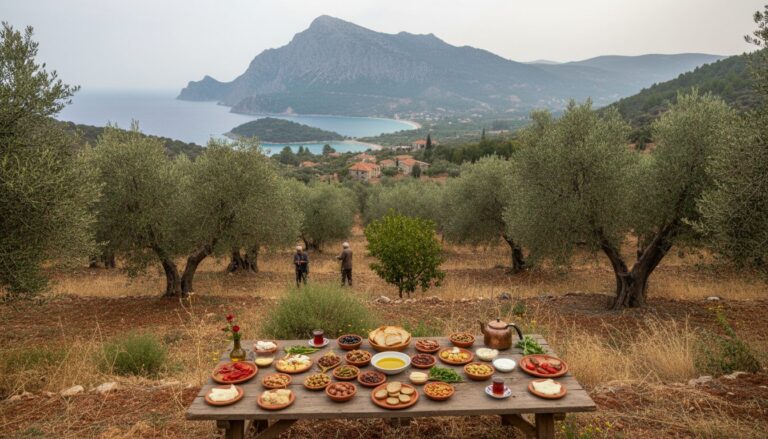
Olive oil is a quieter player here than in some other parts of Spain, but small-scale production exists across the Campo de Cartagena, and autumn brings fresh-pressed oil to local markets worth seeking out. Truffles are not a Cartagena speciality and anyone selling them to you as such is, at best, optimistic.
Best Food Experiences in Cartagena
The single best food experience in the city remains a long, unhurried caldero lunch by the port, ideally with a bottle of chilled Bullas rosado and no particular plan for the afternoon. A tapas crawl through the old town’s narrow streets, picking up a marinera here and a plate of michirones there, is the natural evening counterpart. For those with a car and a free day, the drive inland to Murcia’s wine country – tasting old-vine Monastrell at a family bodega with the sandy vineyard soil still visible underfoot – rounds out the picture of a region that feeds itself extremely well without ever quite making a fuss about it.
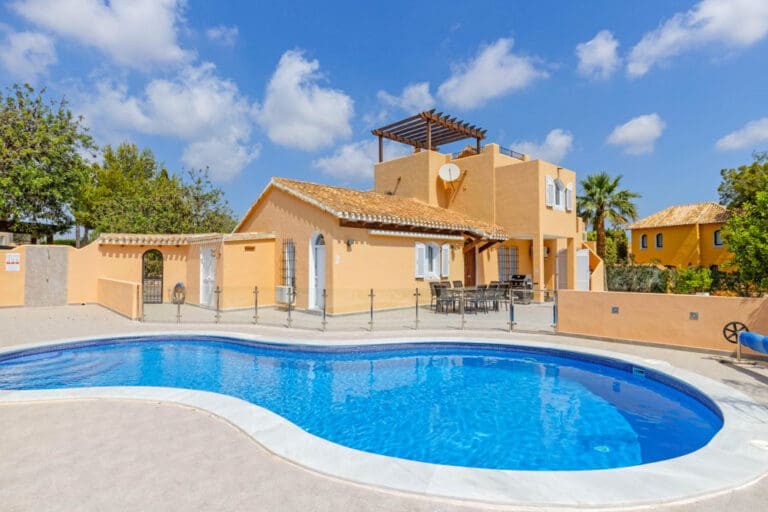
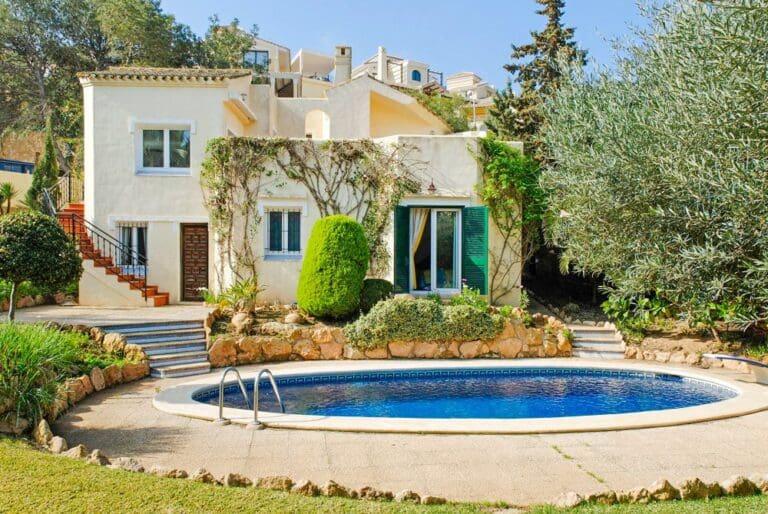
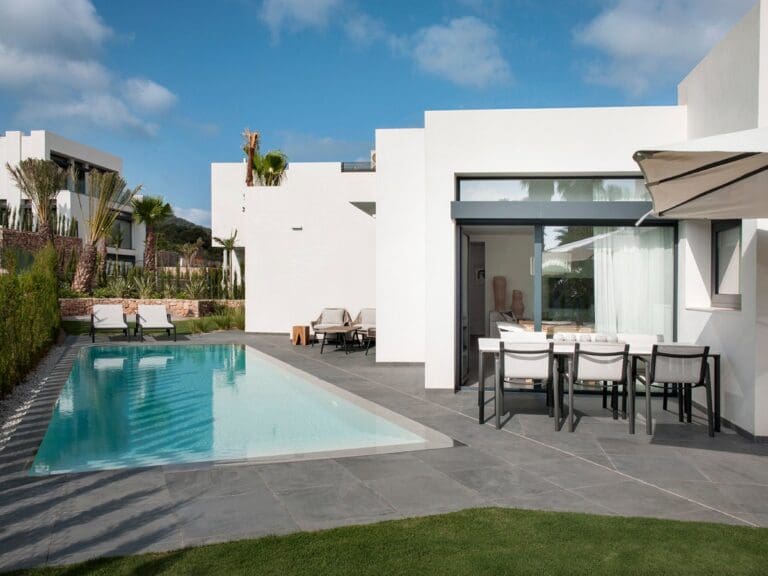
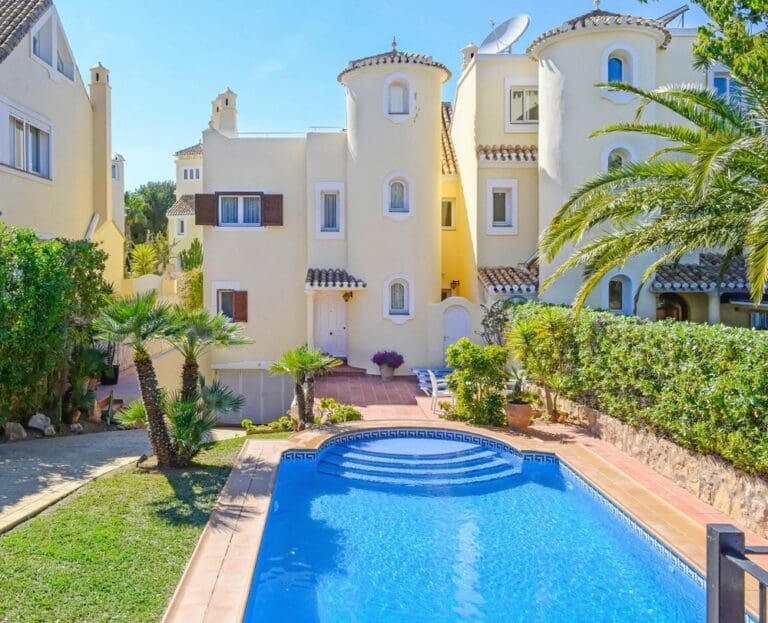
For those planning where to base themselves for all this eating and drinking, there are villas in Cartagena worth considering.
Cartagena Food and Wine FAQs
What is the traditional dish of Cartagena?
Caldero is widely considered Cartagena’s signature dish – a rice cooked in fish stock with garlic, nora peppers and tomato, traditionally prepared by fishermen on board their boats and served with alioli.
What wines come from near Cartagena?
The surrounding Region of Murcia is home to three Monastrell-focused wine DOs – Jumilla, Yecla and Bullas – all within roughly an hour to 90 minutes’ drive of Cartagena, known for old-vine reds grown in sandy soils that largely escaped phylloxera.
Is seafood in Cartagena fresh and locally sourced?
Yes, much of the seafood served in Cartagena comes directly from the Mar Menor lagoon and the surrounding Mediterranean waters, including prawns, mussels and small rock fish, with the morning market a good gauge of the day’s catch.
Where to stay
Villas in Cartagena
A selection from our 25 luxury villas in Cartagena.