Casares with Kids: White Village & Costa Beaches
Casares is a whitewashed hill village in Malaga province, about ten minutes’ drive from the Costa del Sol beaches at Casares Costa, which makes it workable for families wanting a quiet mountain base within easy reach of the sea. The village’s steep, narrow streets suit older children and teenagers better than buggies, while the coastal strip offers flatter beaches, water sports and beachfront dining. Most families split their stay between the hilltop village and castle ruins, and a few lazy days on the sand below.
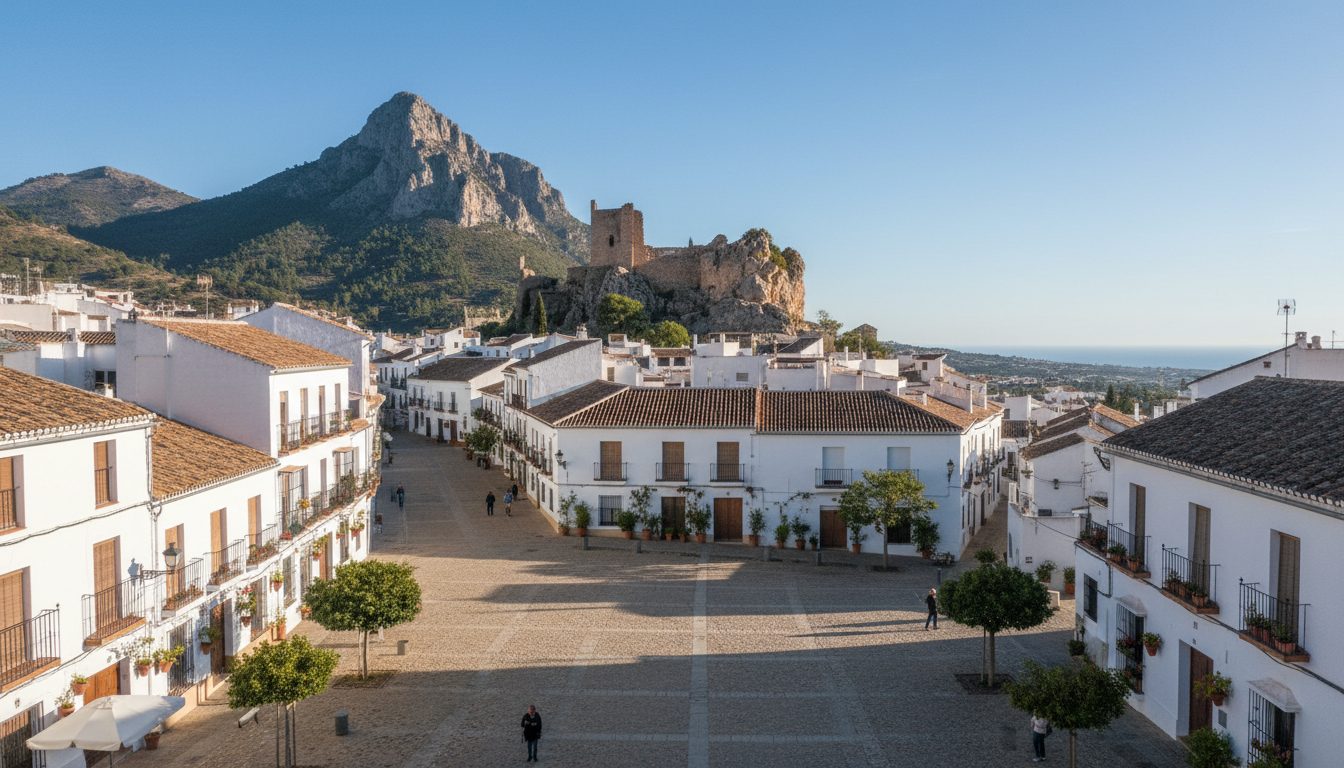
I’ll confess something: the first time I was told Casares made a good family destination, I pictured the village itself – all vertical alleys, cobbles polished smooth by five centuries of mule traffic, and a castle you reach via what can only be described as a stern uphill negotiation – and thought, surely not with a toddler. I was both right and wrong. Casares the village is not where you push a pram; Casares the municipality, which stretches all the way down to its own patch of Mediterranean coastline, very much is. The trick, as with most of Andalucia’s white villages, is understanding that the postcard bit on the hill and the practical bit by the sea are really two different holidays wearing the same name.
Casares with Kids: How Family-Friendly Is It
Casares works well for families who like their travel with a bit of texture – genuine Andalusian village life rather than a resort strip – but who also want somewhere their children can actually run around and get wet. The appeal lies in the contrast. Up in the village, children get a real, unvarnished sense of Spain: a castle on a crag, a church bell that means business, cats that own the place. Down at Casares Costa, roughly a fifteen-minute drive away, the landscape flattens into the familiar rhythm of Costa del Sol beach life – sunbeds, paddleboards, ice cream vendors with the patience of saints.
What it is not is a destination for families who want everything within stumbling distance of their front door. Distances between village, coast and the nearest larger towns (Estepona and Marbella both sit within half an hour) mean a car is more or less essential. Families without one tend to find the days longer and the options narrower, which is worth factoring in honestly rather than discovering at hour one of day one.
Best Family Beaches Near Casares
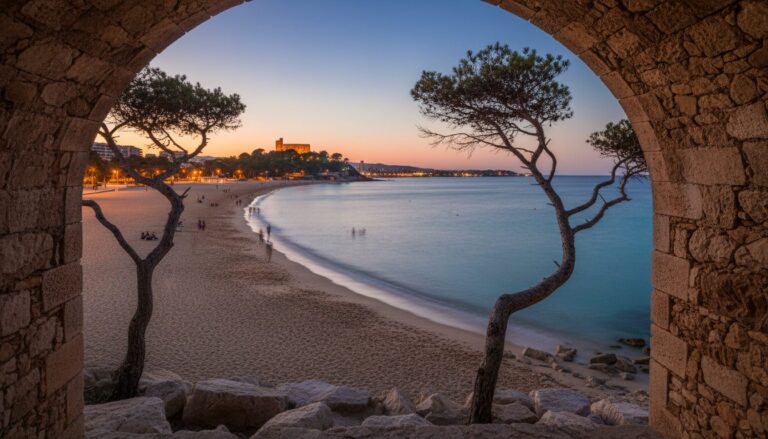
The beaches along the Casares coastline are broad, sandy and gently shelving – the sort of thing parents of small children quietly pray for, since it means you can look away for four seconds without a full-scale incident. The sand here is darker and coarser than the pale coves further east towards Marbella, a quirk of this stretch of coast rather than anything to do with Casares specifically, but it does nothing to dampen enthusiasm among the under-tens, who are rarely sand connoisseurs.
Facilities along the Casares Costa strip run to the expected and welcome essentials: sunbed and parasol hire, beach showers, lifeguard cover in the main summer season, and a scatter of beachfront chiringuitos serving the kind of lunch that makes a beach day feel like an event rather than an endurance test – grilled sardines on skewers (espetos), a local coastal staple cooked over open fires right on the sand, plus simpler fare for children who regard anything with a face as suspicious. Water is generally calm enough for confident young swimmers, though as with any open Mediterranean beach, it pays to check flag conditions before anyone goes further than ankle-deep.
Things to Do in Casares with Kids
The village itself is an attraction in its own right, and one best tackled in the cooler parts of the day – mid-morning or early evening – when the climb up to the castle ruins at the top feels like an adventure rather than a punishment. Older children generally enjoy the scramble up through the narrow streets, the views back over the Sierra Bermeja, and the faint whiff of derring-do that comes from exploring genuine ruins rather than a reconstructed one. Casares was also the birthplace of Blas Infante, a significant figure in Andalusian political history, which gives the village a layer of substance beyond its looks, for families who like a bit of context with their sightseeing.
Beyond the village, the surrounding countryside offers horse riding at stables scattered through the hills – a genuine draw for horse-mad children of a certain age – along with hiking trails through the Sierra Bermeja Natural Park that range from gentle valley walks to proper ridge routes for teenagers with energy to burn. Golf is well established in this part of the coast too, for families travelling with older children keen to try a round. For a full overview of the area beyond its family appeal, the Casares Travel Guide covers the wider picture.
Where to Eat in Casares with Kids: Child-Friendly Restaurants
Spanish restaurants are, on the whole, refreshingly relaxed about children – nobody raises an eyebrow at a toddler under the table or a nine-year-old doing laps of the terrace between courses, which is one of the quiet joys of eating out here compared with some stuffier corners of Europe. In the village, tapas bars around the main square serve the kind of small, shareable plates that let fussy and adventurous eaters coexist peacefully at the same table: patatas bravas, croquetas, grilled chicken, tortilla. Portions are rarely precious, and staff are generally used to a chair or two being commandeered as a makeshift highchair.
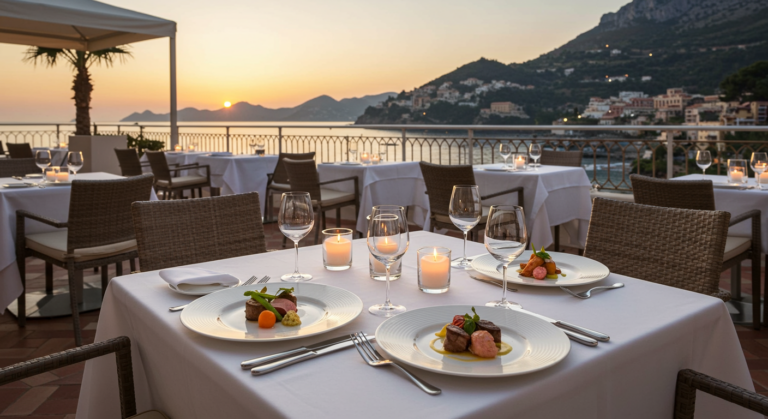
Down at the coast, beachfront restaurants lean into fresh fish and seafood, but nearly all keep a simpler menu in reserve – grilled chicken, plain pasta, chips in reliable supply – for children who have not yet come round to the charms of gambas al ajillo. Mealtimes also run later than many northern European families are used to; lunch properly gets going around 2pm, dinner rarely before 8.30pm, so it is worth adjusting expectations, or at least packing a reliable stash of snacks for the gap.
Rainy-Day Activities in Casares
Rain is mercifully rare on this stretch of coast, but when it does arrive it tends to be decisive rather than a light drizzle, and the village’s outdoor charms lose their shine fast on wet cobbles. Casares itself has little in the way of indoor attractions, so most families head towards Estepona or Marbella, both a short drive away, where indoor play centres, shopping centres and cinemas pick up the slack. It is one of the honest trade-offs of basing yourself somewhere this small and this hilly: the scenery is the main event, and scenery does not care much for umbrellas.
A wet morning is also, as it happens, a reasonable excuse to explore the village’s smaller museums and historic buildings at a more thorough pace than you might manage in the heat of a July afternoon, when children’s attention spans and the thermometer are working against each other in equal measure.
Casares with Kids by Age: Toddlers, Juniors and Teens
Toddlers in Casares
Toddlers do best based near the coast rather than up in the village, where cobbles, steps and the absence of pavements make buggy life a genuine hassle. The flat, sandy beaches at Casares Costa are the easiest win – shallow water, soft sand for digging, and enough beachfront cafes nearby for a mid-morning meltdown to be resolved with an ice cream rather than a full tactical retreat. Village visits work best as short, early-morning outings with a carrier rather than a pushchair.
Juniors in Casares
This is arguably the sweet spot age group for Casares. Children of seven to twelve tend to love the castle climb, the horse riding stables, and the general sense of adventure the hillside village offers, while still being happy to spend a full day on the beach building increasingly ambitious sandcastles. They are also, usefully, old enough to manage the heat and the walking without too much complaint – most of the time.
Teens in Casares
Teenagers get the best of the activity options: hiking in the Sierra Bermeja, watersports along the coast, golf, and enough genuine history in the village to satisfy anyone who has recently discovered an interest in the Moors or the Spanish Civil War. The main challenge is evening entertainment, which is thin on the ground in the village itself – plan on heading to the coast or a larger town after dark if your teenager’s idea of a good evening involves more than stargazing.
Getting Around Casares with Children
A hire car is, frankly, close to non-negotiable. Public transport links between the village, the coast and neighbouring towns are limited and not built around the needs of families juggling beach bags, sun cream and a sleeping toddler. The drive up into the village itself is winding, with hairpin bends that are more scenic than soothing for travel-sick passengers, so it is worth timing the ascent for after nap time rather than during it.
Once in the village, everything is done on foot, and comfortably so for anyone past the buggy stage – the whole place is compact enough to explore without a map, though not without decent shoes. Parking at the edges of the village is generally easier than trying to find anywhere near the centre, from which point the castle, church and main square are all a manageable walk, if occasionally a steep one.
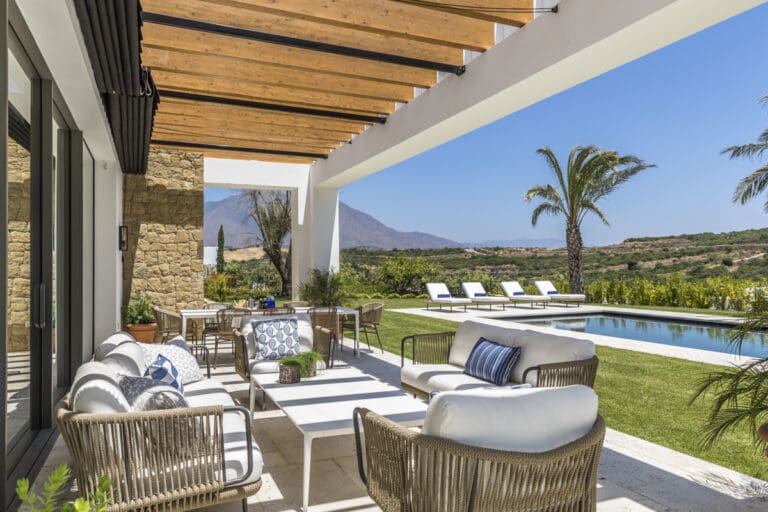
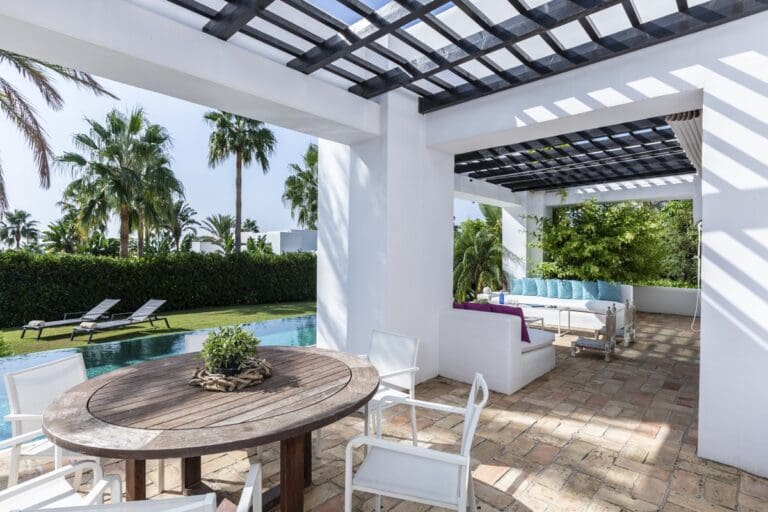
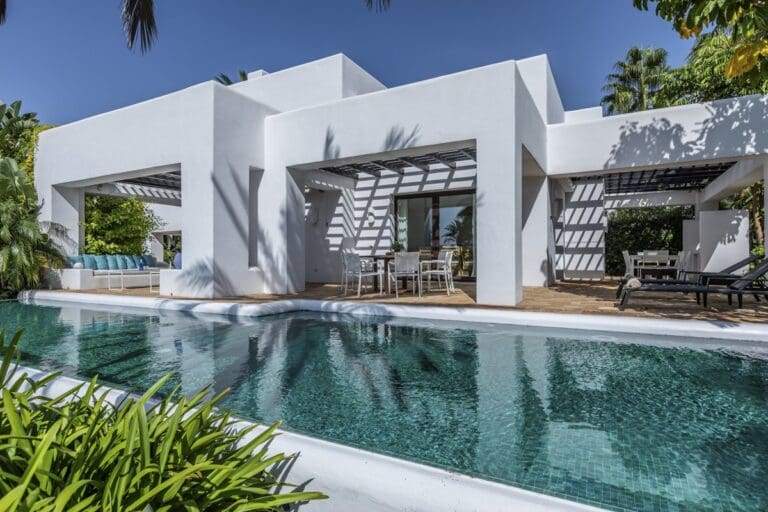
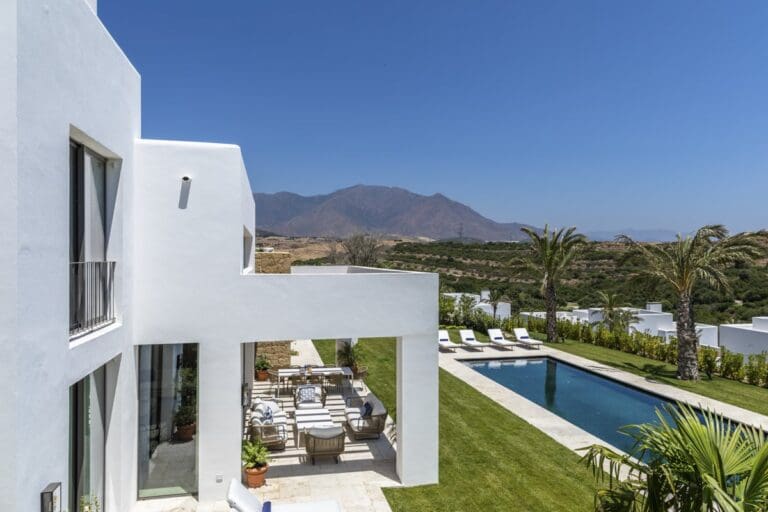
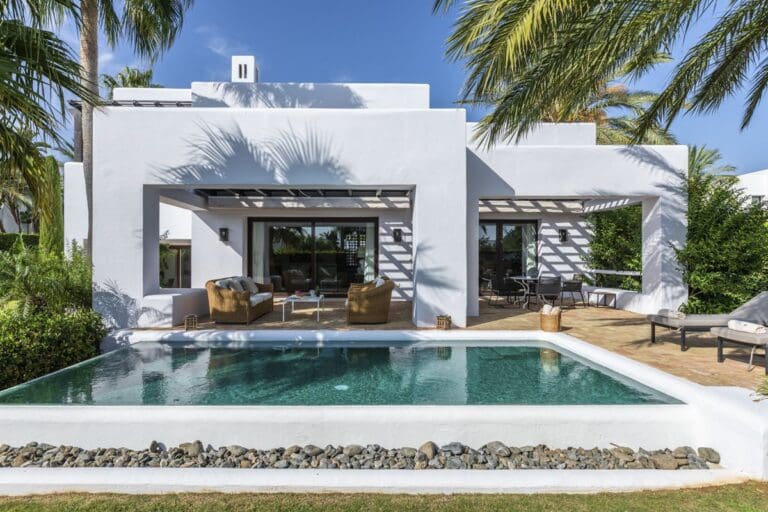
Anyone weighing up where to base a family stay can find villas in Casares for the trip.
Casares Family Holiday FAQs
Is Casares village or Casares Costa better for families with young children?
Casares Costa is generally the easier base for families with toddlers or young children, thanks to flat beaches, car access and nearby amenities. The hilltop village suits families with older children who can manage steps and steep streets.
How far is Casares from the nearest airport?
Casares sits roughly 45 minutes to an hour from Malaga Airport by car, depending on traffic along the coastal road, making it a manageable transfer for families with young children or early flights.
What is the best time of year to visit Casares with children?
Late spring (May to June) and early autumn (September) offer warm but manageable temperatures for walking around the village and beach days, without the peak heat and crowds of July and August.
Keep reading
More on Casares
- Travel guideCasares Travel Guide
- RestaurantsBest Restaurants in Casares
- Food & wineCasares Food & Wine
Guides nearby in Costa Del Sol
Where to stay
Villas in Casares
A selection from our 15 luxury villas in Casares.