Faro with Kids: Lagoon Islands, Storks and Beach Dunes
Faro works well for families thanks to its shallow, sheltered lagoon beaches, short flight times from much of Europe, and an old town compact enough for small legs to manage. The best family activities centre on the Ria Formosa Natural Park – boat trips, island beaches and wildlife – rather than conventional resort entertainment. Most restaurants are relaxed about children, and the city itself is flat, walkable and genuinely low-stress for parents.
Most people treat Faro as a formality – the airport you land at before fleeing to somewhere with a pool bar. This is, frankly, a waste of a city that happens to be rather good with children, largely because it never tries very hard to be. There’s no waterpark arms race here, no mascot in a foam costume accosting you outside a hotel lobby. Instead there’s a lagoon full of islands, storks nesting improbably on the cathedral roof, and a pace of life slow enough that nobody minds if your toddler takes twenty minutes to climb four steps. For families who’d rather their children remember a boat trip through the marshes than another infinity pool, Faro has a quiet, specific charm.
Faro with Kids: Why It Works So Well for Families
Faro’s great advantage is geography. It sits on the edge of the Ria Formosa, a lagoon system of islands, sandbars and channels that functions as an enormous, ready-made adventure playground – minus the playground. Children who find museums a chore tend to find boats irresistible, and getting to the beach here usually involves one, which solves several problems at once.
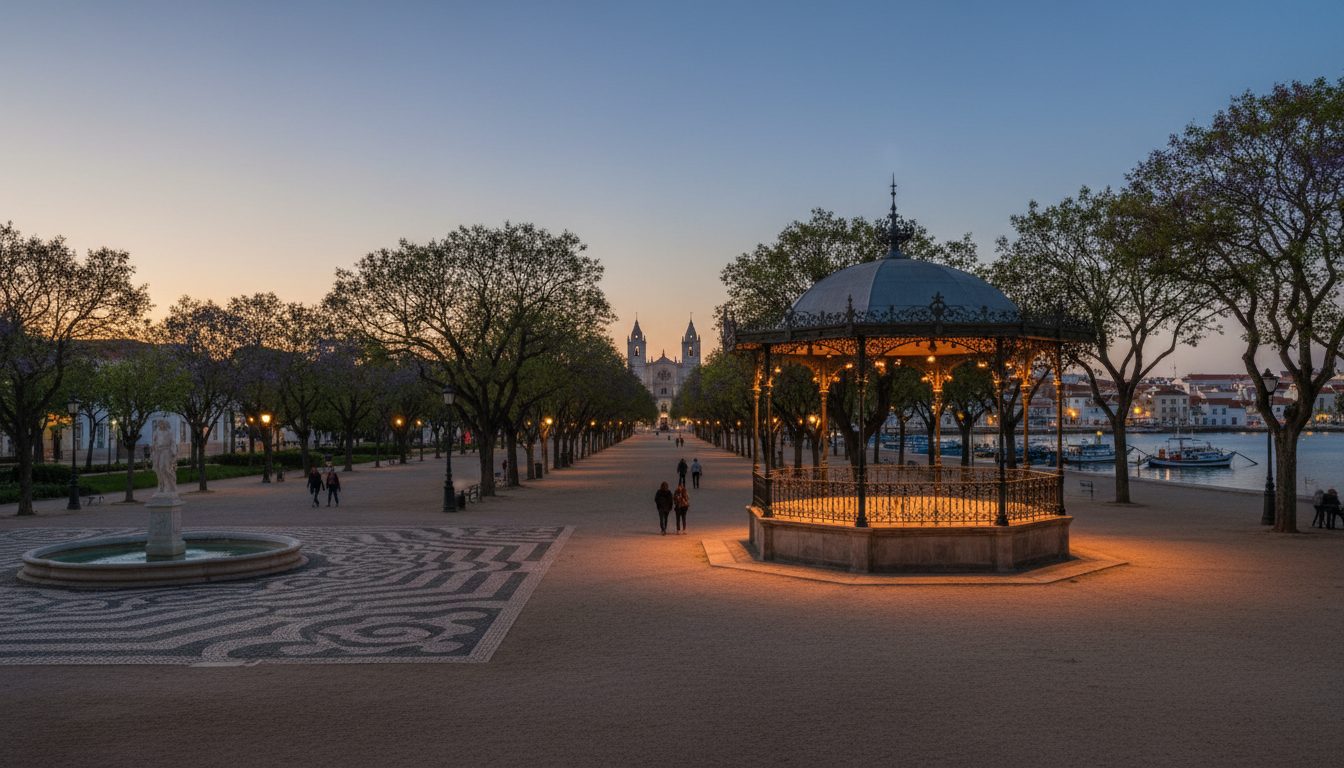
The city itself is small and flat, with no great distances to cover and few hills to complain about. The old town, with its cobbled lanes and orange trees, is pedestrianised and safe for children to range about in, within reason. Faro is also a genuine Portuguese city rather than a purpose-built resort, which means real bakeries, real markets and real life going on around you – useful for children old enough to notice, and reassuring for parents tired of theme-park versions of a country. For context on the wider region, our Faro Travel Guide covers more of what sits beyond the family-specific details here.
Best Family Beaches in Faro
The standout is Praia de Faro, on the Ilha de Faro, connected to the mainland by a short bridge and bus ride. It has the particular virtue, for families with small children, of genuinely shallow water that warms up quickly and doesn’t ambush anyone with sudden drop-offs. There are cafes along the beachfront, lifeguards in season, and enough space that you won’t be sharing your towel radius with strangers.
Further out, boats from Faro’s marina run to Ilha Deserta and Ilha da Culatra, both part of the Ria Formosa’s barrier island system. Ilha Deserta in particular feels wonderfully apart from everything – dunes, clean sand, very little else – which children tend to find thrilling and parents tend to find restorative. Culatra has an actual fishing village and a lighthouse at its tip, giving older children something to walk toward with a bit of purpose. None of these islands have much shade, so bring your own, and remember the boat timetable works both ways: missing the last return isn’t the adventure it sounds like.
Things to Do in Faro with Kids
Boat trips through the Ria Formosa are the headline activity, and rightly so. Flat-bottomed boats glide through the channels past flamingos, oystercatchers and the odd curious dolphin further out toward open water, and even reluctant small passengers tend to perk up once the first bird sighting happens. Several operators run from the marina with trips ranging from an hour to a full day combining islands and wildlife spotting.
Within the old town, Faro Cathedral is worth the modest climb for its bell tower views over the lagoon, and the storks nesting on its roof and surrounding rooftops are a genuine point of local pride – children seem to find a bird the size of a dog nesting on a church roof more interesting than most interiors. The adjoining Capela dos Ossos, a small chapel lined with human bones, is not for every family, but older children with a taste for the macabre generally find it more fascinating than frightening.
A short drive out of the city, the Roman ruins at Milreu and the ornate gardens of Estoi Palace give families a gentler, open-air history lesson, with enough space for children to run about between the informative bits.
Child-Friendly Restaurants in Faro
Faro’s restaurant culture is naturally relaxed about children, in the way much of Portugal simply is – nobody raises an eyebrow at a toddler under a table or a teenager glued to a phone at dinner. Around the marina, you’ll find a run of relaxed grilled-fish tavernas with outdoor seating, ideal for families who want fresh sardines or a simple grilled chicken without ceremony. The old town has smaller family-run spots serving generous, unfussy Portuguese staples – bread, olives, grilled fish, chips that satisfy even the fussiest junior palate – at a pace nobody will rush you through.
For something quicker, the area around the pedestrian streets has plenty of casual cafes serving pastries, sandwiches and ice cream, useful for refuelling between sightseeing stops. Portions in Portugal tend to be generous rather than precisely plated, which suits families who’d rather order two dishes and share than negotiate a children’s menu.
Rainy Day Activities in Faro
The Algarve’s reputation for sunshine is largely earned, but on the rare grey day, Faro has enough indoor options to avoid a mutiny. The Municipal Museum, housed in a former convent, has enough variety – archaeology, art, the odd mosaic – to hold attention for an hour, particularly with a bit of parental narration. Faro’s shopping centre offers the usual indoor refuge of shops and cafes if the weather truly turns.
A short drive toward Albufeira brings families within range of a well-known marine and dolphin-show park, a reliable wet-weather option for younger children who’d happily watch sea lions all afternoon regardless of what’s happening outside. It’s a longer outing than the city attractions, so best treated as a half-day trip rather than a quick fix.
Faro with Kids by Age: Toddlers, Juniors and Teens
Faro with Toddlers
Toddlers do well here largely because nothing is rushed. Praia de Faro’s shallow water and soft sand make it the obvious base, and the old town’s flat, pram-friendly streets mean you’re not constantly hunting for a kerb cut. Shorter boat trips suit toddlers better than full-day excursions – an hour on the water holds attention nicely before it tips into overtired meltdown territory.
Faro with Juniors
This is arguably Faro’s sweet spot. Children aged roughly six to twelve tend to love the boat trips, the island beaches, and the slightly gruesome novelty of the bone chapel. They’re old enough to walk the old town without complaint and young enough to still find storks on a roof genuinely thrilling.
Faro with Teens
Teenagers respond well to a bit of independence, and Faro’s compact, walkable centre allows for some of that within reason. Boat trips to the islands give them somewhere to actually go, rather than another beach day under parental supervision, and the marina area has enough casual life in the evenings to feel like somewhere rather than nowhere.
Getting Around Faro with Kids
Faro itself is small enough to walk, and the old town is pedestrianised, which removes a great deal of the usual holiday stress involving traffic and small hands. For the beach and islands, local buses and ferries run regularly from the centre, and neither requires much planning beyond checking the last return time – a detail worth writing down rather than trusting to memory, as more than one family has discovered.
Car hire makes sense if you’re planning day trips to Estoi or further along the coast, since public transport thins out beyond the immediate city. Pushchairs cope reasonably well with the cobbles, though anyone with a toddler and a sense of self-preservation will want decent wheels. Taxis are plentiful and inexpensive enough to use freely if small legs give out mid-afternoon, which they generally do.
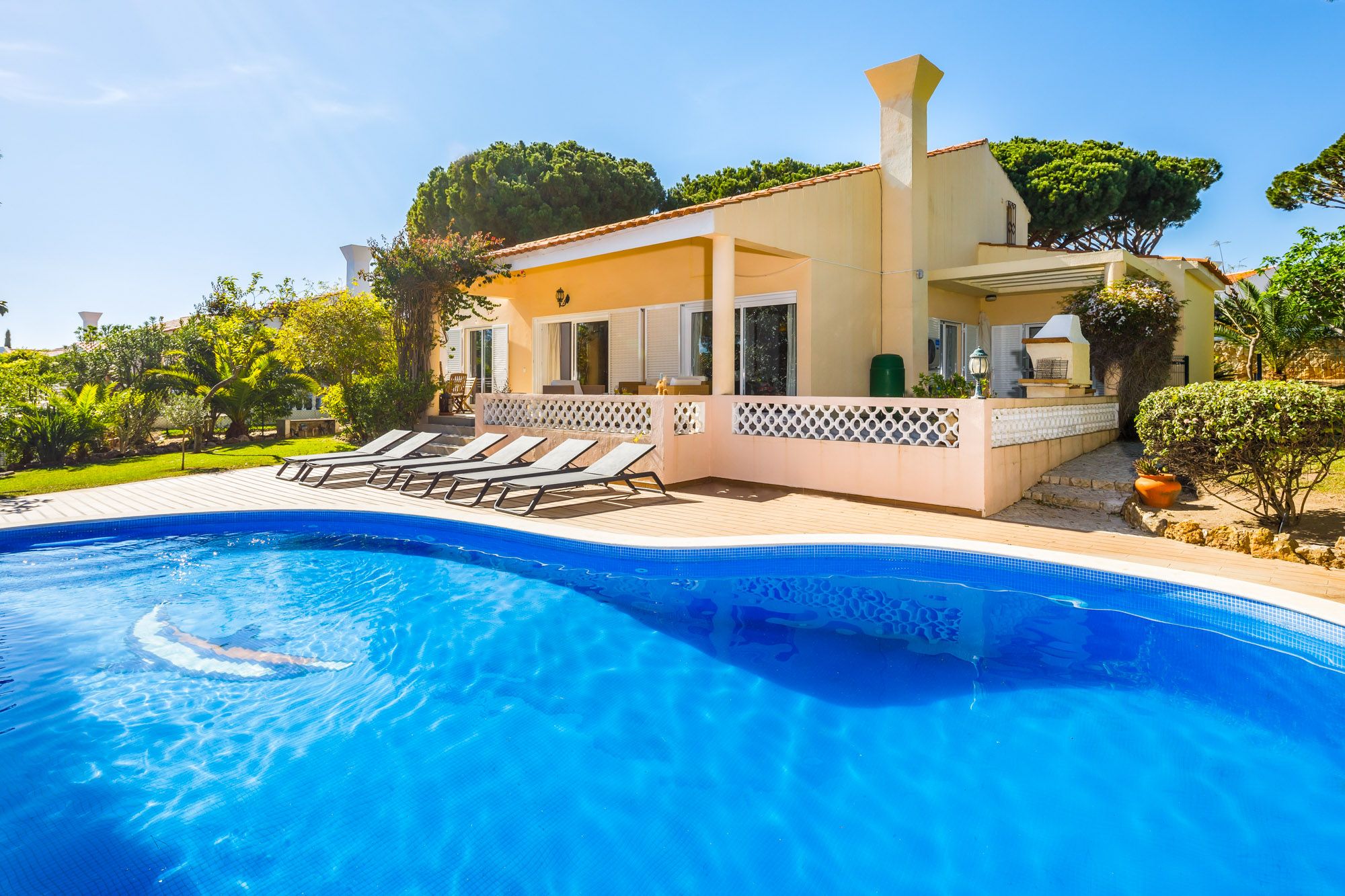
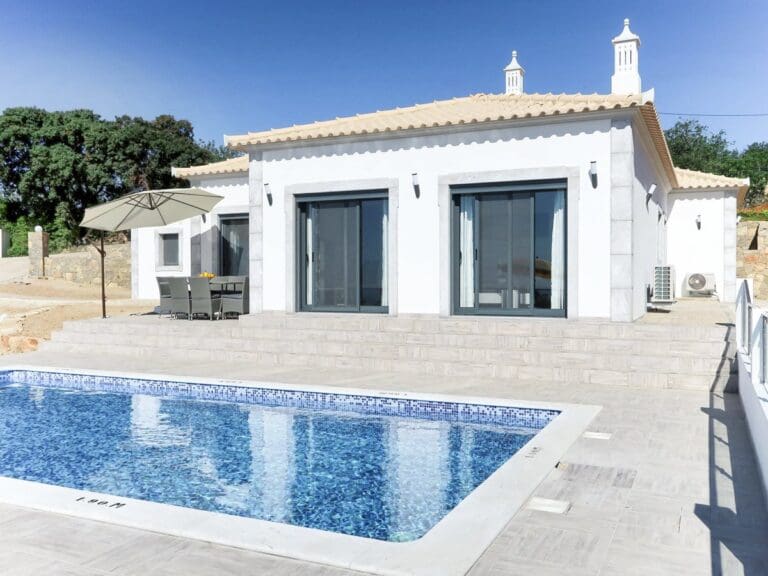
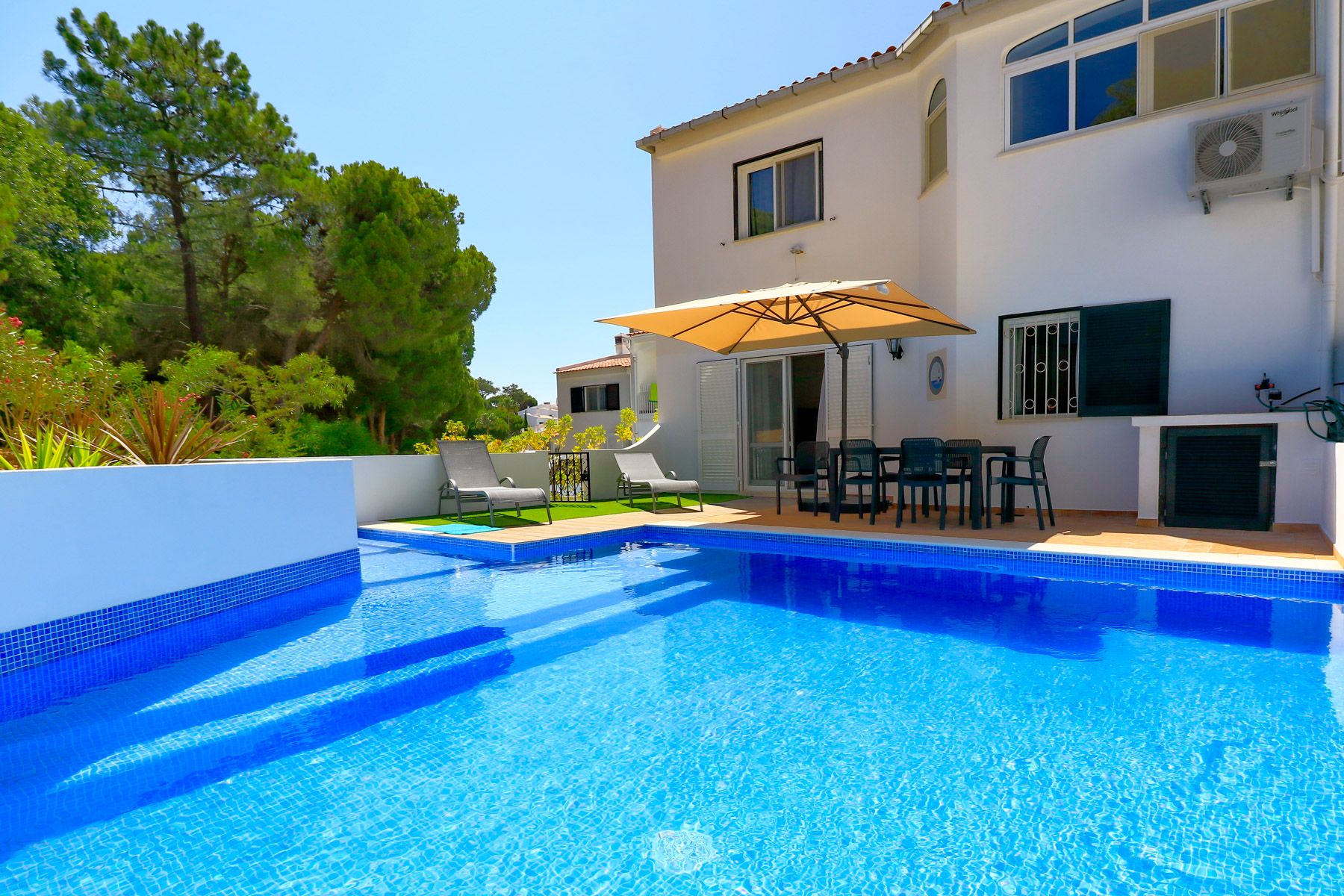
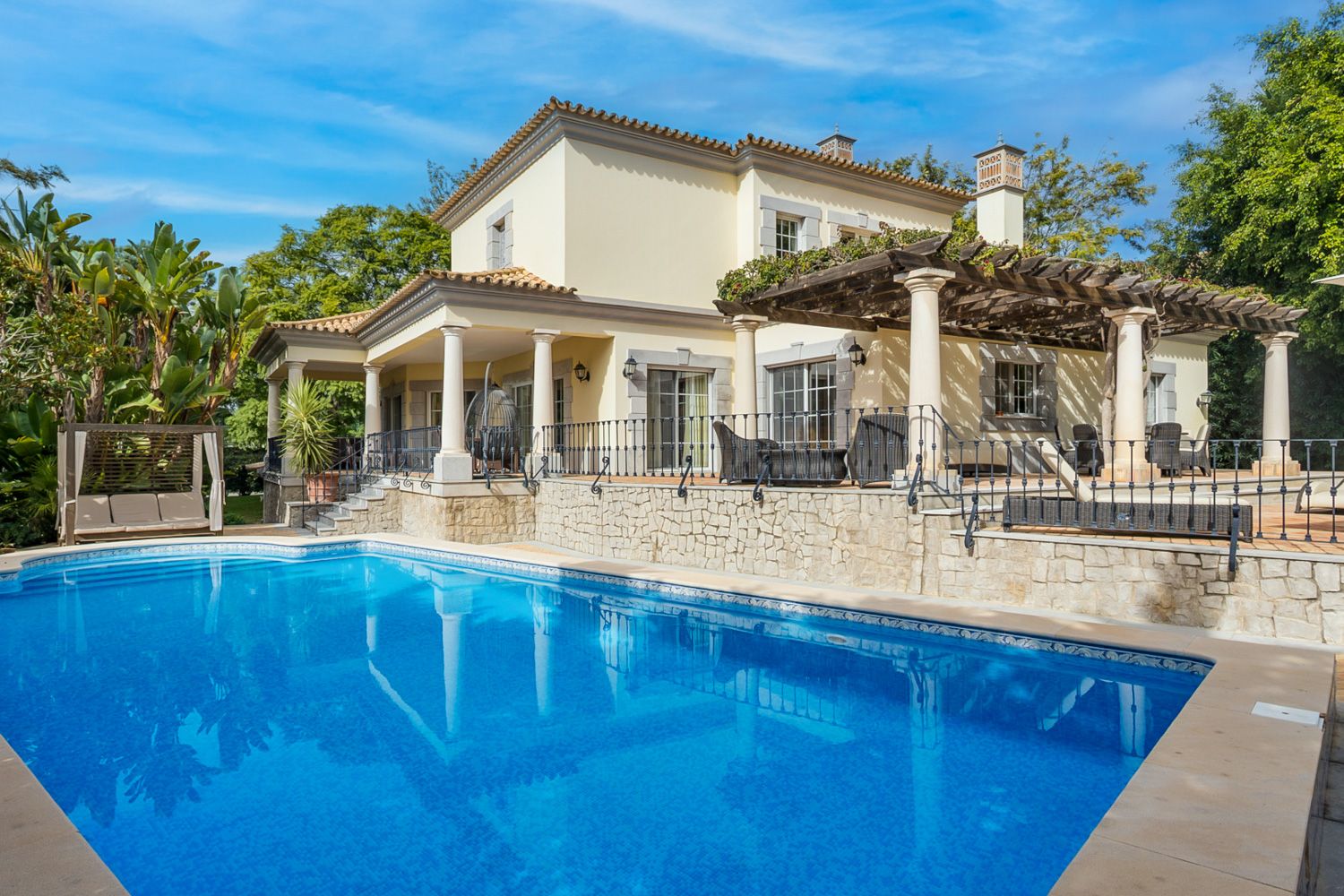
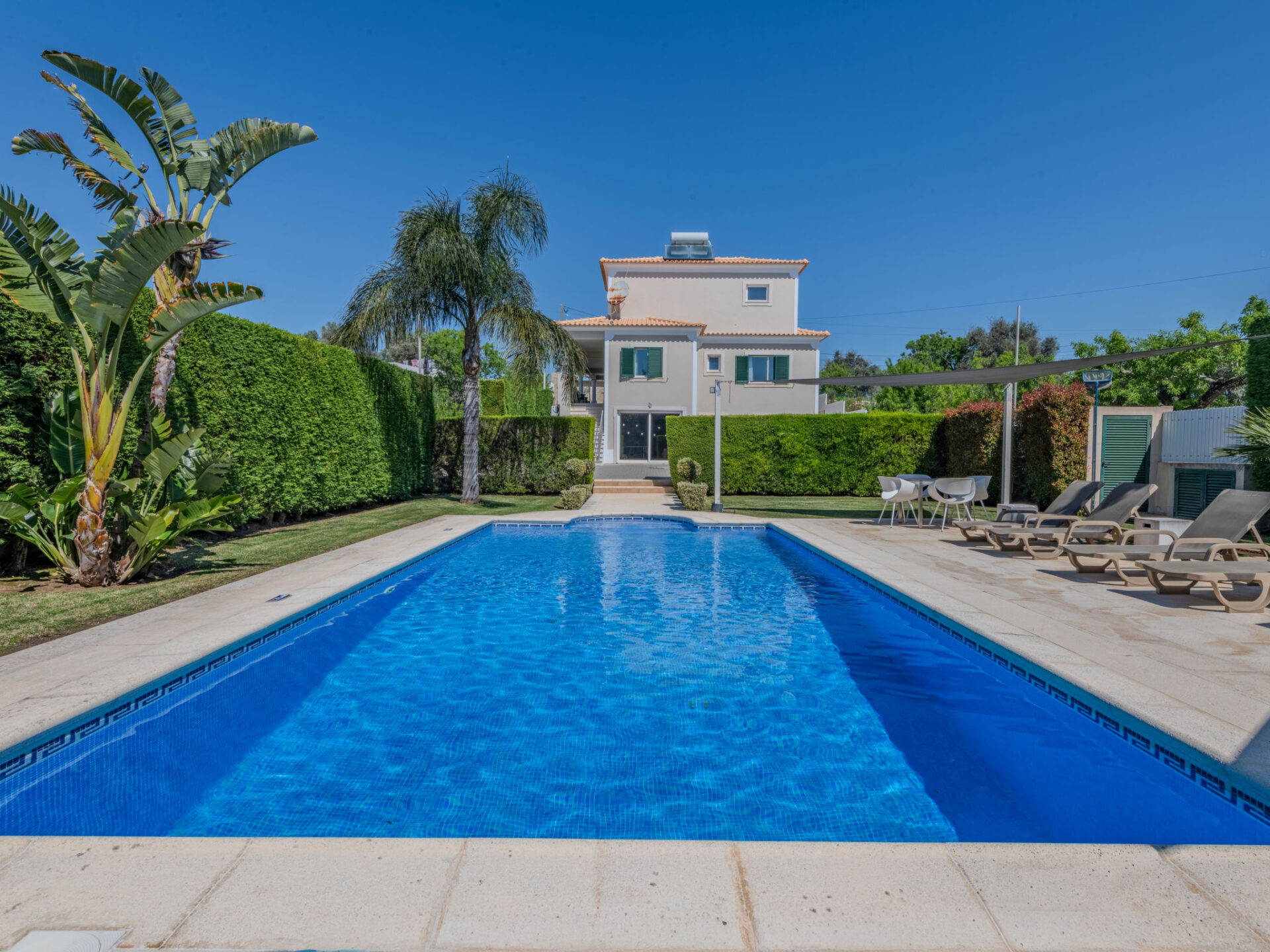
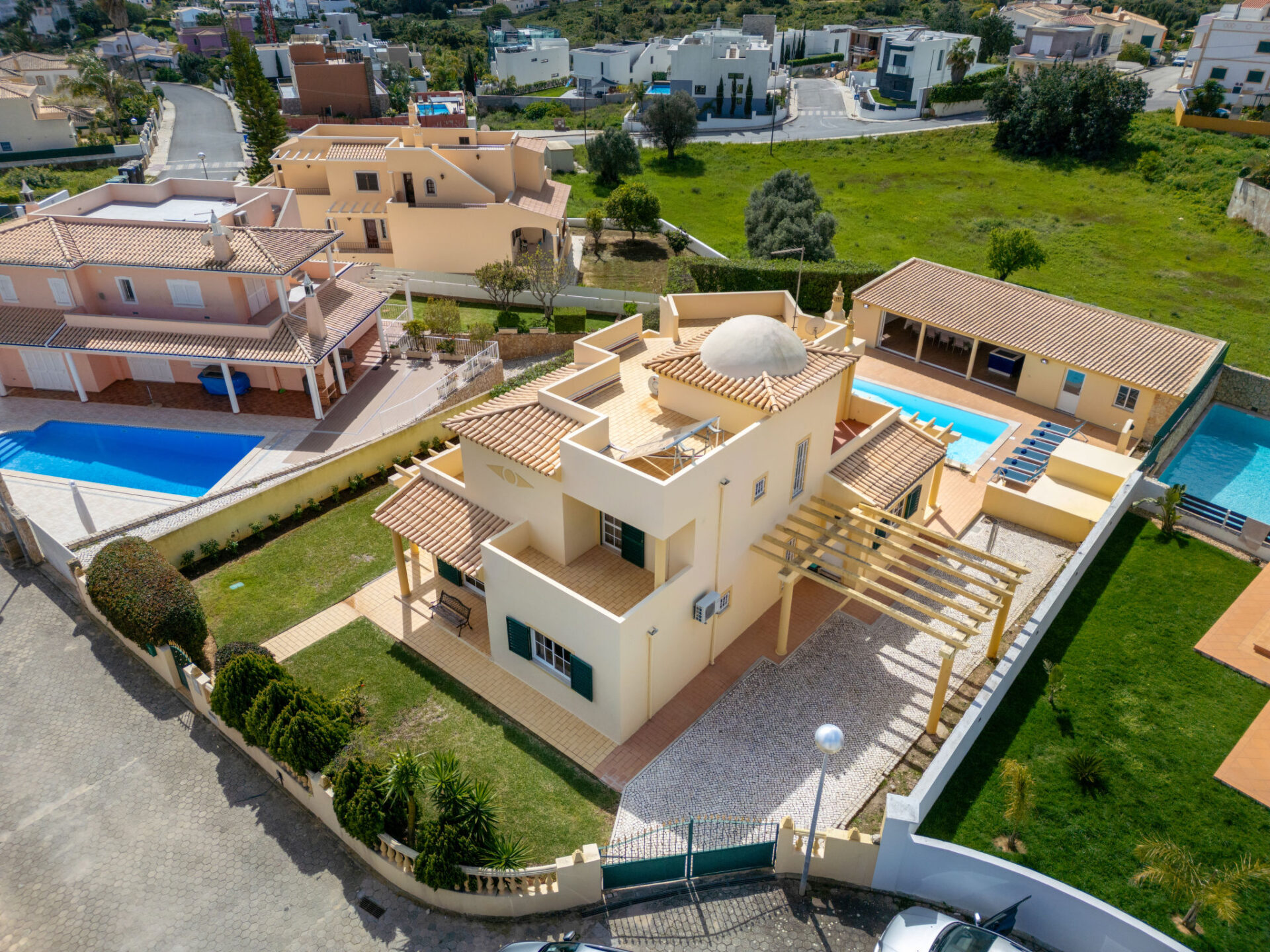
If you’re deciding where to base a family stay, there are villas in Faro worth considering.
Faro Family Holiday FAQs
Is Faro safe for families with young children?
Yes. Faro is a low-crime, relatively calm city with pedestrianised streets in the old town and gently shelving beaches, both of which make it easier to relax with young children than in busier resort towns along the coast.
How many days do you need in Faro with kids?
Three to four days covers the city, Praia de Faro and at least one island boat trip comfortably, without rushing. Families combining Faro with a wider Algarve stay often use it as a one or two day add-on to a longer coastal holiday.
What is the best time of year to visit Faro with children?
Late spring and early autumn offer warm, swimmable weather without peak summer heat or crowds, making them the most comfortable windows for families with young children or anyone pushing a pram.
Keep reading
More on Faro
Guides nearby in Portugal
Where to stay
Villas in Faro
A selection from our 120 luxury villas in Faro.