Gard Food & Wine: Tavel Rosé, Truffles & Pélardon Cheese
Gard’s cuisine draws on Provence, Languedoc and the Camargue, built around olive oil, local lamb and beef, goat’s cheese, and wines from the Costières de Nîmes and Tavel appellations. Market towns such as Uzès and Nîmes hold weekly markets selling regional produce, and winter brings black truffles from the Uzège countryside. The best way to eat here is simply – and slowly – with a long lunch, a bottle of something local and no particular plan for the afternoon.
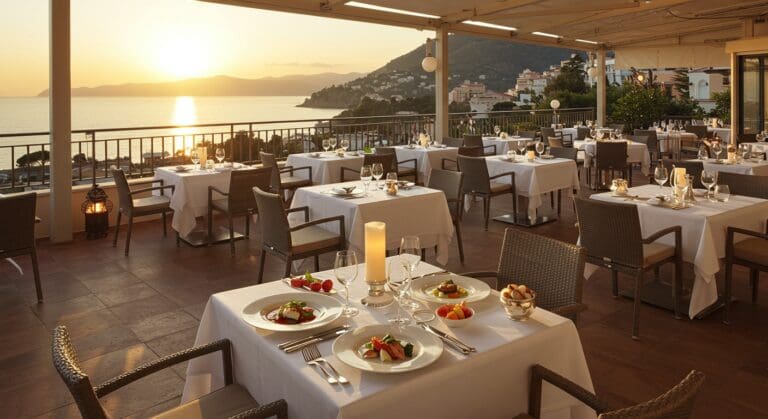
There is a specific sound that announces lunch has properly begun in Gard: the pop of a rosé cork, somewhere around half past twelve, followed by the unmistakable clink of pastis glasses being refilled before anyone has actually asked for a top-up. It happens on terraces in Uzès, under plane trees in village squares, and on the shaded side of market stalls where the cheese seller has clearly decided that commerce can wait. Gard does not rush its meals, and it would consider you faintly suspicious if you tried to.
This is a region caught between three culinary identities – the olive oil and herbs of Provence to the east, the bolder, garlic-forward cooking of Languedoc to the west, and the salt-marsh beef and bull traditions of the Camargue to the south. The result is a food culture that refuses to be pinned down neatly, which suits Gard rather well. For a wider sense of the département before you dig into its plates and glasses, the Gard Travel Guide covers the landscapes and towns that frame all this eating and drinking.
Gard Food and Wine: An Overview
Gard sits at the meeting point of Provençal and Languedoc cooking, with Mediterranean influence from the nearby coast and a strong Camargue beef and bull-rearing tradition in the south. Olive oil, garlic, thyme and rosemary form the backbone of most savoury dishes. Pélardon, a small round goat’s cheese, is the local cheese of reference, made largely in the Cévennes foothills within Gard. Wine production centres on the Costières de Nîmes appellation and the rosé-only Tavel AOC, both genuinely of Gard rather than borrowed from neighbours. Truffle season runs roughly from December to February, concentrated around the Uzège countryside north of Uzès.
Regional Cuisine of Gard: Signature Dishes
Brandade de Nîmes is the dish most visitors ask about and the one locals argue over hardest – salt cod pounded with olive oil and sometimes a little milk into a smooth, almost mousse-like paste, traditionally spread on toasted bread or baked into a gratin. It sounds improbable for a landlocked département, but Nîmes was historically a trading hub for salt cod brought up from the coast, and the dish stuck.
Taureau de Camargue AOP, bull meat from the marshlands in the south of Gard and neighbouring Bouches-du-Rhône, appears in gardiane de taureau – a slow-braised stew with red wine, herbs and olives, traditionally served with Camargue red rice. It is dense, dark and entirely unbothered by the idea of a light lunch.
Elsewhere on the table expect petits pâtés de Pézenas (sweet-savoury mutton pastries, a legacy of English-Indian trade routes that is as odd a story as it sounds), oignons doux des Cévennes – sweet onions with a protected designation, grown on the terraced hillsides – and plenty of olives, both as oil and as the fruit itself, cured in half a dozen different ways depending on which village you ask.
Gard Wine: Tavel, Costières de Nîmes and the Duché d’Uzès
Tavel is the headline act for wine drinkers who take rosé seriously, and Gard can claim it outright – this is the only French appellation producing rosé exclusively, nothing else, and the result is a deeper, more structured style than the pale holiday rosé most people expect. It is built to be drunk with food, not just with a view, though in Gard you will generally get both.
Costières de Nîmes, the largest appellation in the département, sits on the old Rhône river terraces and produces reds, whites and rosés from Grenache, Syrah and Mourvèdre, with a gravelly, sun-warmed character that reflects the stony soil. Clairette de Bellegarde, a small and lesser-known white appellation, is worth seeking out for its freshness and the simple satisfaction of drinking something most visitors have never heard of. Further north, the Duché d’Uzès appellation produces reds, whites and rosés around the town of Uzès itself, a newer AOC but one with genuine local roots. None of these wines are showy. All of them are better with lunch than they are famous on a shelf.
Wine Estates and Vineyards to Visit in Gard
Many estates across the Costières de Nîmes and Tavel appellations open their cellar doors for tastings, particularly from spring through to the autumn harvest, and a good number welcome visitors without requiring advance booking – though calling ahead is still the more reliable approach, especially around midday when half the region appears to be at lunch rather than behind the tasting counter. Estates in the Tavel area tend to sit on pale, round galets roulés stones that radiate heat back into the vines, similar to those further east, and seeing a vineyard planted on what looks like a dry riverbed is one of those details that makes more sense once explained than described. Further into the Uzège, smaller family-run domaines growing under the Duché d’Uzès AOC often combine wine with olive groves, so a single visit can cover both a tasting and a bottle of oil for the journey home. Harvest season, generally September, brings a visible energy to these estates that is worth timing a visit around if your schedule allows it.
Food Markets in Gard: Where to Shop Like a Local
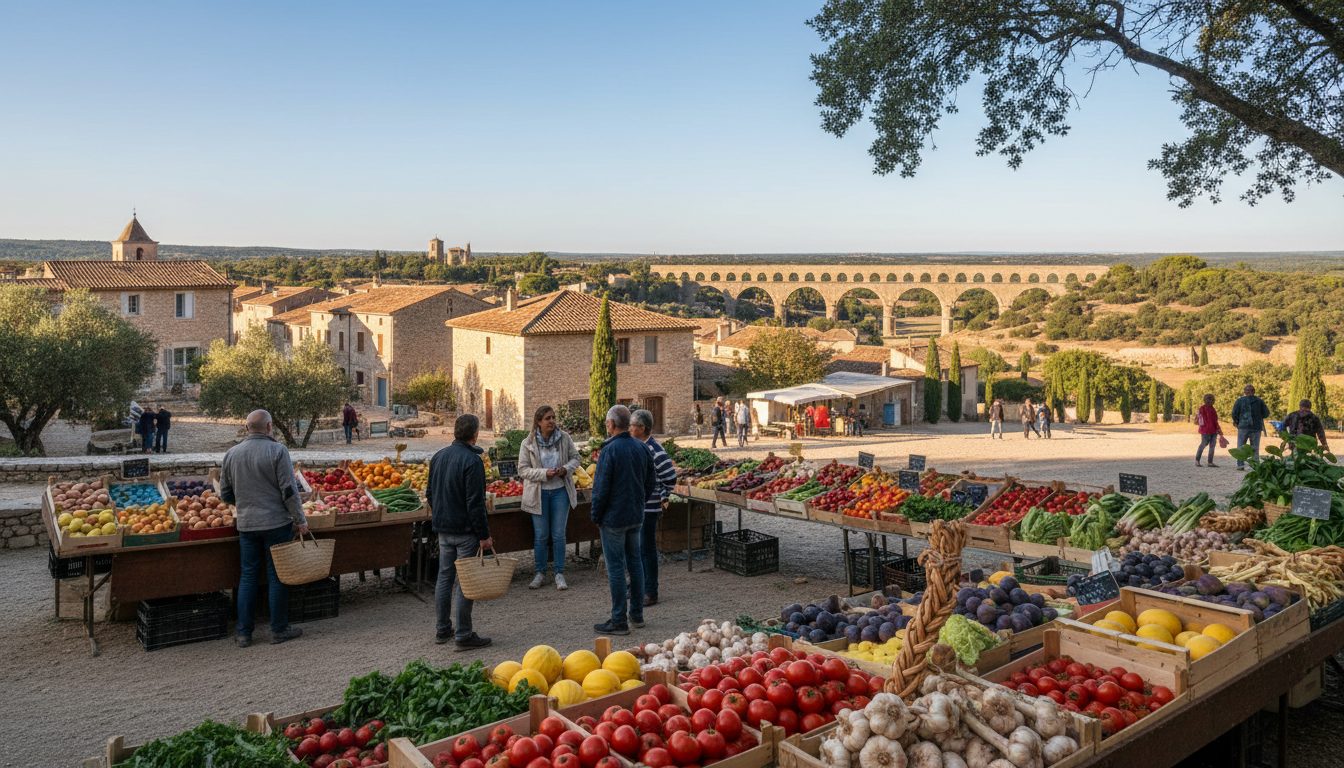
The Saturday market in Uzès is the one most visitors are steered towards, and deservedly so – stalls spread through the town’s arcaded squares selling cheese, olives, charcuterie, seasonal vegetables and, in winter, truffles sold with the kind of theatrical secrecy usually reserved for diamond trading. Nîmes holds a large covered market as well as open-air stalls through the week, leaning more urban and varied given the city’s size. Smaller towns such as Anduze and villages through the Cévennes hold their own weekly markets on a more modest scale, often where you will find the best Pélardon cheese directly from the producer rather than a middleman.
A genuinely useful market habit in Gard: arrive early for the best produce, but not so early that nothing is set up yet, and budget time to actually stop and eat something at the market itself rather than treating it purely as a shopping errand. The stallholders notice, and tend to reward the patient browser with the good stuff kept under the table.
Cooking Classes in Gard
Cooking classes across Gard typically focus on Provençal and Languedoc staples – think tapenade, ratatouille, brandade and the slow building of a proper gardiane – often paired with a market visit beforehand so participants choose their own ingredients rather than working from a pre-packed box. Sessions are commonly held in farmhouse kitchens or small culinary schools around Uzès and the surrounding villages, usually running half a day and ending, predictably and correctly, with everyone sitting down to eat what they made alongside a bottle of local wine. For visitors keen to understand Gard’s food beyond simply eating it, this hands-on approach – chopping garlic while someone explains the regional rivalry over how much garlic is too much – tends to stick in the memory longer than a restaurant meal ever quite manages.
Seasonal Specialities in Gard: Truffles, Olive Oil and Chestnuts
Black truffles, Tuber melanosporum, are seriously taken business around the Uzège in winter, with informal truffle markets and more formal truffle fairs running from December into February. Prices fluctuate with the harvest and the weather of the previous summer, and bartering happens in hushed, almost conspiratorial tones that suggest arms dealing rather than fungi.
Olive oil carries its own protected status here under Huile d’olive de Nîmes AOP, pressed largely from the Picholine olive variety, giving a grassy, slightly peppery oil that locals treat less as a condiment and more as a food group in its own right. Harvest runs through autumn into early winter, and several mills around Nîmes and the surrounding countryside open for visits during pressing season, when the smell alone is worth the detour.
Chestnuts from the Cévennes, just at Gard’s western edge, turn up in autumn markets as flour, purée and roasted on open braziers in village squares – a genuinely useful thing to know if you are visiting in October and wondering what that smell is.
Best Food Experiences in Gard
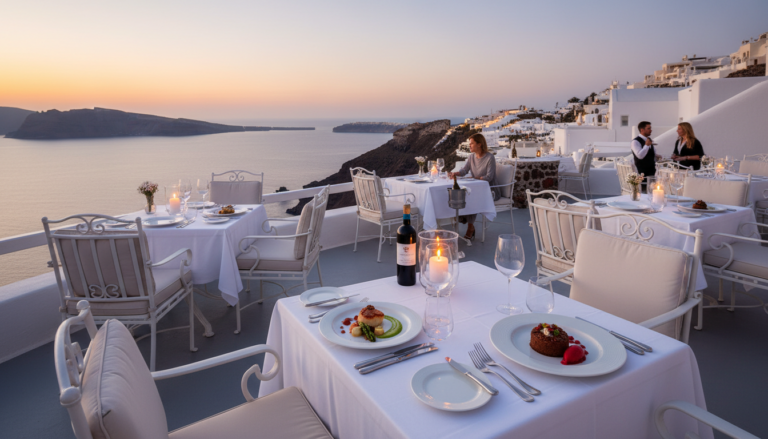
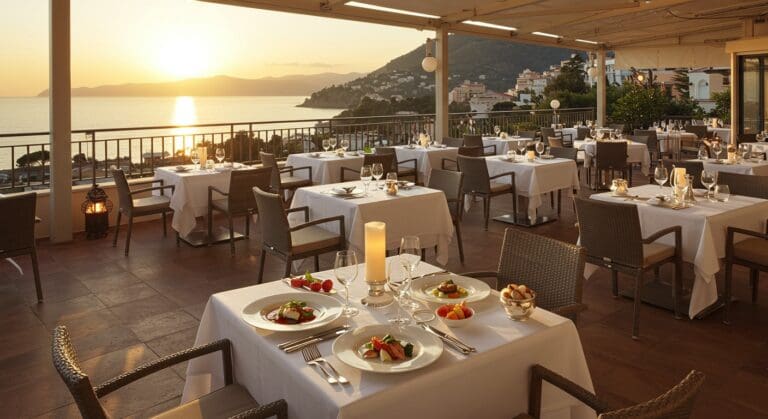
If there is one food experience worth building a day around in Gard, it is the slow, unhurried combination of a morning market, a long lunch somewhere with a view of old stone and vines, and an afternoon spent at a wine estate not actually buying anything, just tasting and talking. Pair that with a winter visit to a truffle market if your dates allow it, or an autumn stop at an olive mill during pressing – both are the kind of experience that photographs badly and lingers in memory rather well. Seafood, for the record, is not really Gard’s strength; the coast is close but not within the département, so treat any seaside fish dish here as a Mediterranean import rather than a local speciality, however convincingly it is plated.
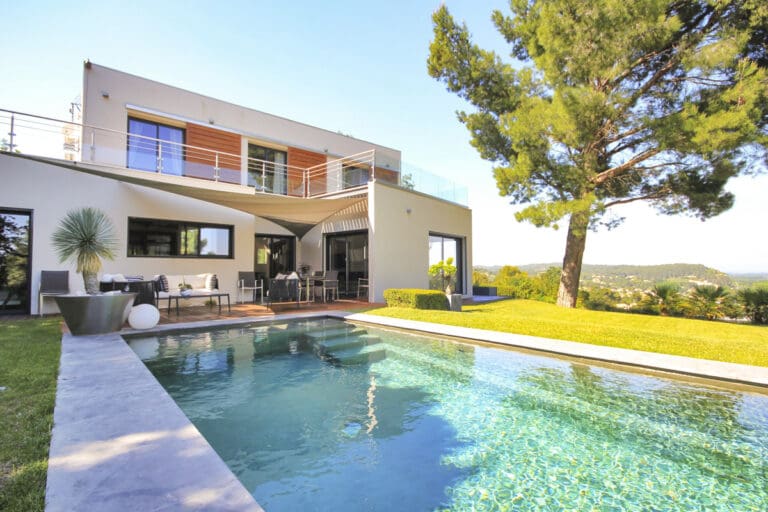
For travellers deciding where to base themselves while working through all of the above, there are villas in Gard within easy reach of Uzès, Nîmes and the Tavel vineyards.
Gard Food and Wine FAQs
What is the signature dish of Gard?
Brandade de Nîmes, a smooth paste of salt cod and olive oil, is the dish most closely associated with the département, alongside gardiane de taureau, a slow-braised bull stew from the Camargue area to the south.
Is Tavel wine from Gard?
Yes, Tavel is a genuine Gard appellation and the only one in France dedicated exclusively to rosé, producing a deeper and more structured style than typical pale rosés.
When is truffle season in Gard?
Black truffle season runs roughly from December through February, with the Uzège countryside around Uzès the main area for truffle markets and fairs during these months.
Keep reading
More on Gard
- Travel guideGard Travel Guide
- When to goBest Time to Visit Gard
- RestaurantsBest Restaurants in Gard
- FamiliesGard with Kids
Guides nearby in Occitanie
Where to stay
Villas in Gard
A selection from our 51 luxury villas in Gard.