Best Time to Visit Ile De Re: Salt Pans, Cycling & Beaches
The best time to visit Ile de Ré is May, June or September, when temperatures sit comfortably between 18-24°C (64-75°F) and the island hasn’t yet filled with July and August’s holidaymakers. Peak season runs from late June to the end of August, bringing the warmest weather alongside the highest prices and the heaviest traffic across the toll bridge. Winter is mild by French standards but quiet, with many restaurants, bike-hire shops and smaller hotels closed between November and Easter.
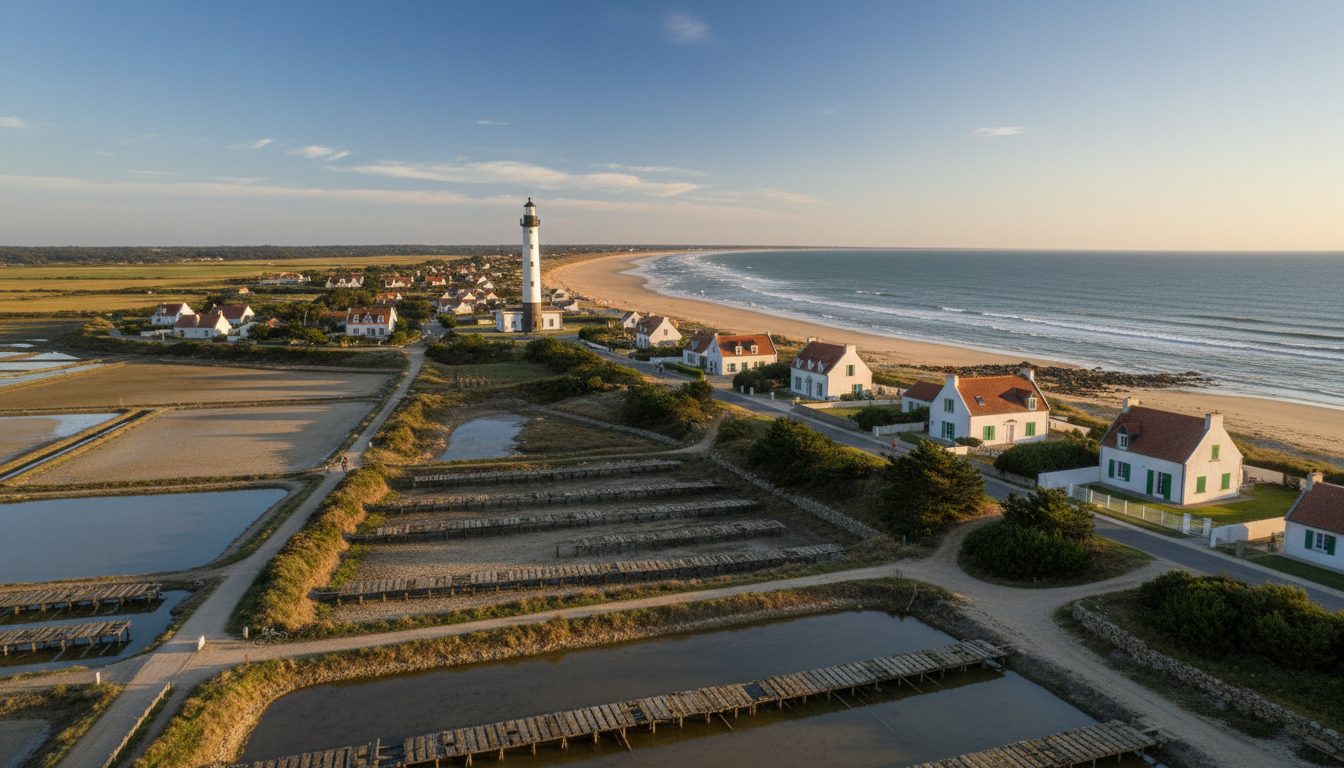
There’s a particular hour on Ile de Ré – somewhere around eight in the morning, out near the salt pans at Loix – when the light comes in flat and gold, the tide is doing something complicated and mathematical in the marshes, and the whole island smells of salt, low tide and someone’s breakfast baguette. It’s the kind of moment that makes you understand why the French themselves treat this island like a slightly sacred secret, even while cheerfully selling you fleur de sel at every market stall from St-Martin to Ars. Ile de Ré doesn’t do drama. It does light, tide and timing – and getting that timing right matters more here than on almost any other stretch of French coast.
This guide breaks the year down season by season. For everything else – villages, beaches, markets and how the island actually works – the Ile De Re Travel Guide covers the broader picture.
Ile De Re at a Glance
Best overall: May, June and September. Warmest: July and August. Quietest: November to March. Cheapest: January and February, outside Christmas and New Year. Most atmospheric for food: September and October, once the oyster season properly gets going and the summer crowds have thinned to a manageable trickle.
Best Time to Visit Ile De Re: Spring (March to May)
Spring arrives on Ile de Ré in fits and starts, as it does across most of the Atlantic coast, but by April the hollyhocks that lean against every whitewashed, green-shuttered house are already thinking about blooming. March temperatures hover around 10-13°C (50-55°F), climbing to a genuinely pleasant 15-19°C (59-66°F) by May. Expect rain in short, businesslike bursts rather than long grey sieges.
Crowds are minimal outside the Easter school holidays, when French families descend for a week and prices nudge upward accordingly. Otherwise this is the island at its most restful: cycle paths empty, restaurants reopening after their winter hibernation, market stalls at La Flotte and Ars-en-Ré filling back up with asparagus, early strawberries and the first of the season’s oysters. Some smaller hotels and restaurants, particularly in quieter villages, stay shut until April, so it’s worth checking ahead rather than arriving hopeful. Spring suits cyclists, walkers, birdwatchers tracking the marsh migrations, and anyone who finds the idea of a crowded beach faintly horrifying.
Best Time to Visit Ile De Re: Summer (June to August)
This is Ile de Ré’s moment, and it knows it. June is arguably the sharpest choice of the three summer months – warm, long-dayed, with temperatures around 20-23°C (68-73°F), and the island not yet at capacity. July and August bring the real heat, 24-27°C (75-81°F) on a good afternoon, alongside the full French summer migration: Parisians, Bordelais, and a fair number of international visitors who’ve worked out what the French already knew.
August is, without question, the busiest and most expensive month of the year. The toll bridge from La Rochelle backs up on summer Saturdays with a reliability you could set a watch to, beach car parks fill before ten in the morning, and restaurant tables need booking well ahead, particularly in St-Martin-de-Ré. Everything is open, everything is lively, and prices for everything from bike hire to a simple lunch climb to match. This season suits families with school-age children, anyone who wants beach weather guaranteed, and people who genuinely enjoy a bit of buzz. It does not suit anyone hoping for solitude, or a parking space.
Best Time to Visit Ile De Re: Autumn (September to November)
September is the island’s reward for patience. The sea has spent all summer warming up and is at its most swimmable, temperatures sit around 20-23°C (68-73°F), and the crowds that clogged the bridge in August thin out to something closer to sanity by the second week. This is when the oyster season properly finds its stride, and the harbour-side tables at La Flotte feel less like a scrum and more like an actual lunch.
October cools to 15-18°C (59-64°F) and brings a gentler, golden sort of light across the marshes that photographers tend to get a bit misty-eyed about. By November, temperatures settle around 10-14°C (50-57°F), the weather turns genuinely changeable, and a noticeable number of smaller restaurants, shops and bike-hire outlets close for the winter – sometimes with little warning beyond a hand-written sign in the window. Autumn suits couples, food-focused visitors chasing the oyster harvest, and cyclists who prefer their rides without a queue forming behind them.
Best Time to Visit Ile De Re: Winter (December to February)
Winter here is mild rather than harsh – this is, after all, one of the sunnier corners of France – but it is genuinely quiet, in a way that either appeals enormously or doesn’t appeal at all. Daytime temperatures run 7-11°C (45-52°F), nights are cool but rarely bitter, and storms roll in off the Atlantic with some regularity, rattling shutters and putting a stop to any seaside ambitions for a day or two.
Plenty of restaurants, boutique shops and smaller hotels close entirely from November through to Easter, particularly in the quieter villages away from St-Martin-de-Ré, which stays the most reliably open year-round. What winter lacks in options it makes up for in atmosphere: empty beaches, salt marshes busy with wintering birds, village streets you can actually walk down without sidestepping anyone, and prices that drop noticeably across the board. This season suits birdwatchers, off-season walkers, locals visiting locals, and travellers who find genuine pleasure in having a place largely to themselves.
Best Time to Visit Ile De Re: Shoulder Season Advantages
If there’s a single piece of advice worth taking from this whole guide, it’s to aim for the shoulders rather than the peak. Late May into June, and early-to-mid September, give you nearly everything August offers – warm enough weather for beach days, open restaurants, lively markets – without the traffic, the inflated prices or the sense of sharing your holiday with several thousand other people’s. Villages feel like themselves again rather than stage sets for a summer performance. Cycling, the island’s defining activity, becomes genuinely pleasant rather than a slow procession along a shared path. Hotel and rental rates typically sit well below peak summer levels, and restaurant bookings become a request rather than a negotiation. For most visitors without school-holiday constraints, this is simply the smarter trade.
Best Time to Visit Ile De Re: The Case for Off-Season
There’s a quieter argument to be made for visiting Ile de Ré properly off-season – November through February – and it has nothing to do with saving money, though you will. It’s about seeing an island that spends its summer performing for visitors finally relax into being a place where people actually live. The salt marshes fill with wintering birds. The light does extraordinary things across the flat landscape on a clear winter afternoon. You can walk the length of a beach and meet no one but a dog walker and possibly a heron.
The trade-offs are real: shortened opening hours, closed shops, the odd storm-battered day spent indoors, and a definite need to check in advance what’s actually available before you arrive expecting a bustling village scene. But for travellers who’ve already done the summer version of most coastal destinations and found it a bit much, Ile de Ré’s off-season offers something increasingly rare – genuine quiet, in a genuinely beautiful place, without having to pretend it’s a hardship.
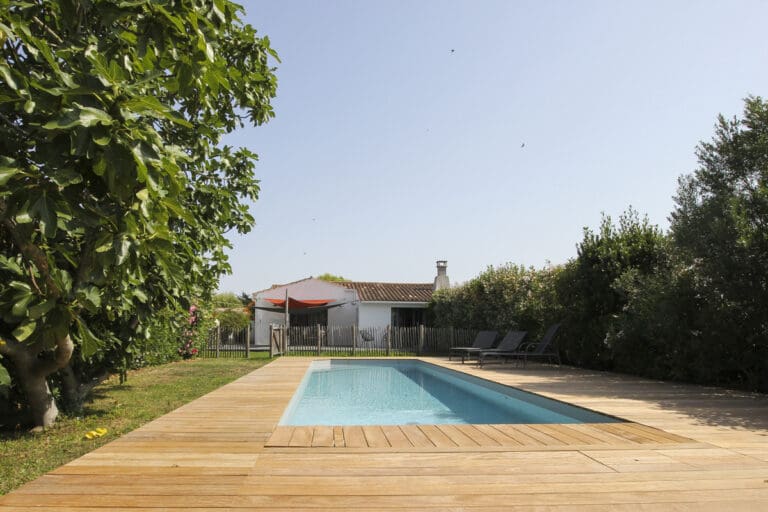
For travellers weighing up when to go and where to stay once they’ve decided, there are villas in Ile De Re suited to every one of these seasons.
Ile De Re Weather and Seasons FAQs
What is the warmest month to visit Ile de Ré?
August is typically the warmest month, with daytime temperatures reaching 24-27°C (75-81°F), though it’s also the busiest and most expensive time to visit the island.
Is Ile de Ré good to visit in winter?
Winter on Ile de Ré is mild by French standards, with temperatures around 7-11°C (45-52°F), but it’s genuinely quiet, with many smaller restaurants, shops and hotels closed between November and Easter.
How many days of sunshine does Ile de Ré get?
Ile de Ré is one of the sunnier spots on the French Atlantic coast, benefiting from a microclimate that gives it notably more clear days than the nearby mainland, particularly from spring through early autumn.
Keep reading
More on Ile De Re
Guides nearby in Charente-Maritime
Where to stay
Villas in Ile De Re
A selection from our 18 luxury villas in Ile De Re.
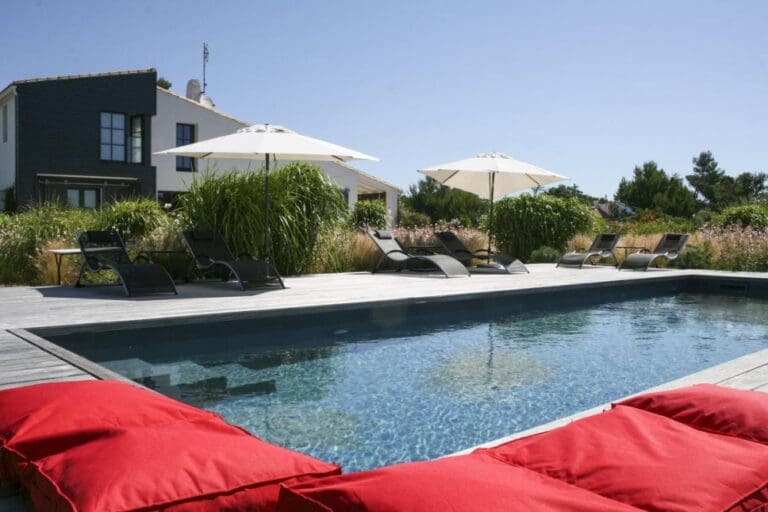 Villa Admiral Ile de Re France
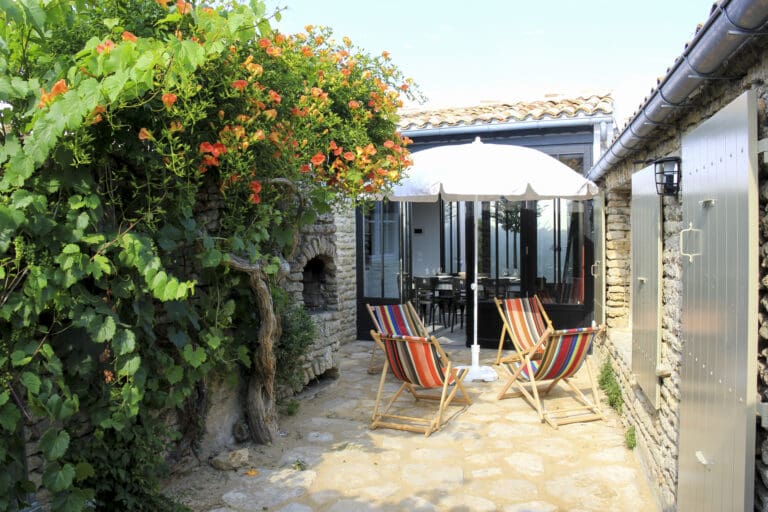 Maison Emerillon France
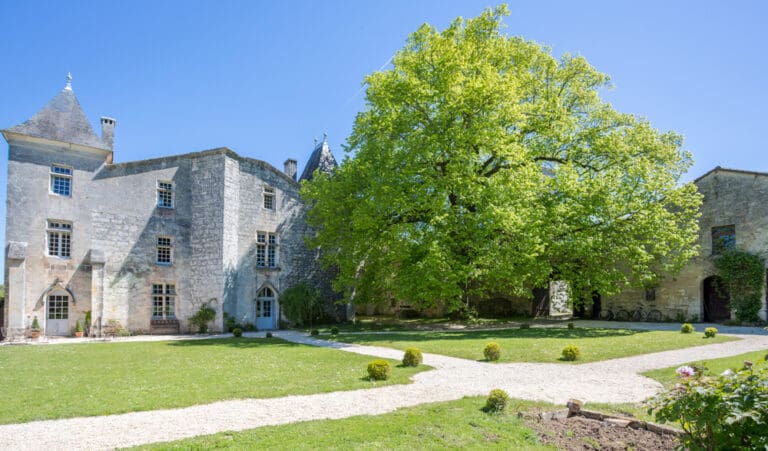 Chateau De Seyres
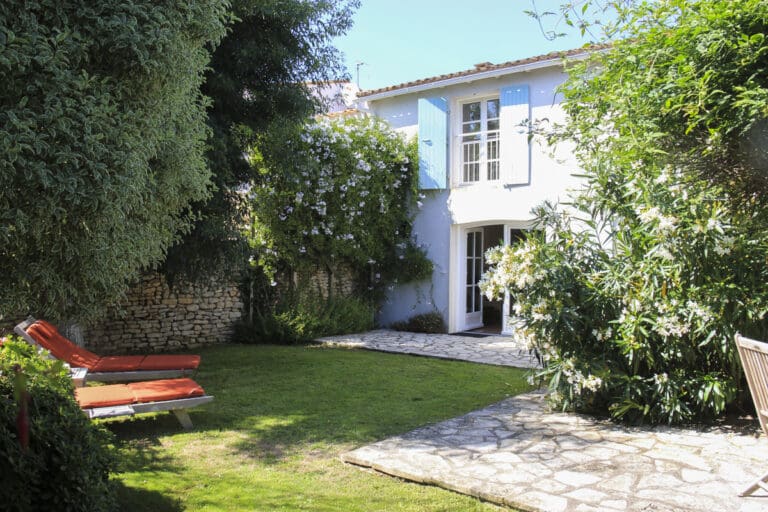 Maison Troglodyte France
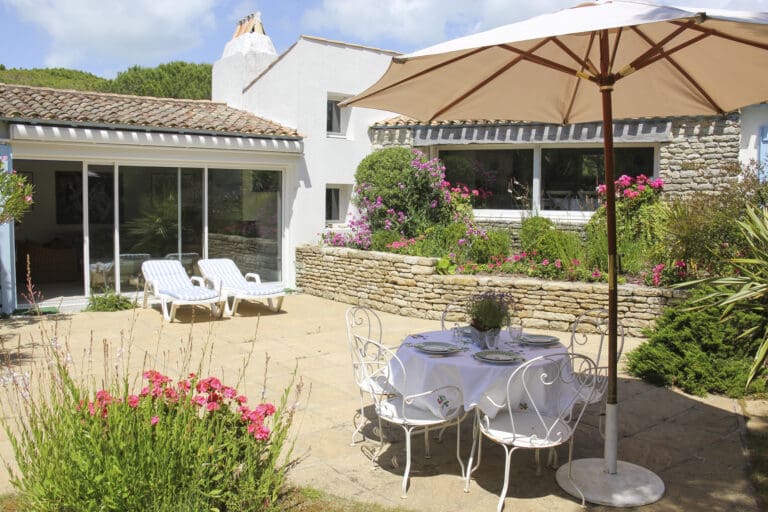 Maison Alouette France
 Villa Caligo France
See all 18 villas in Ile De ReVillas across Charente-Maritime