Illinois Travel Guide: Deep-Dish Pizza, Prairie Skies & Route 66
Illinois is a Midwestern state in the United States, stretching from the Lake Michigan shoreline of Chicago down through farmland and river towns to the southern tip near the Ohio River. It is known for Chicago’s architecture and food scene, Abraham Lincoln’s political roots in Springfield, and the original stretch of Route 66. It suits culture seekers, food lovers and road-trippers more than those chasing beaches or mountains.
Illinois at a Glance
- Where: Midwestern United States, bordering Lake Michigan
- Nearest airport: Chicago O’Hare International Airport (ORD), roughly 30-45 minutes to downtown Chicago
- Best time to visit: Late April to early June, and August to mid-October, with September and early October the sweet spot
- Getting around: A car is essential outside Chicago; Amtrak links the capital and several downstate towns
- Known for: Chicago’s skyline and deep-dish pizza, Lincoln historic sites, Route 66 nostalgia, prairie and farmland scenery
- Ideal for: City breakers, history buffs, food lovers, road-trippers and families drawn to museums over beaches
Most first-time visitors assume Illinois is Chicago, full stop – a mistake roughly on par with assuming France is Paris. The city, magnificent as it is, occupies a sliver of the state’s northeastern corner, and what lies beyond it is a different proposition entirely: flat, fertile, unhurried, and dotted with small towns that still measure distance in corn rows. Travellers who arrive expecting non-stop urban glamour for the full week are often surprised to find themselves, two hours south, standing in a cemetery in Springfield reading about a one-term congressman who went on to rather bigger things.
This is a state of contrasts rather than compromises. Illinois works beautifully for couples wanting a long weekend of architecture, art and extravagant restaurant bills in United States city-break form, for families keen on hands-on museums and gentle road trips, and for walkers and cyclists who don’t mind their scenery horizontal rather than vertical. It suits history buffs particularly well, given the sheer density of Lincoln-related sites. It suits beach lovers and mountain seekers rather less – Lake Michigan’s shoreline is lovely but it is not the Caribbean, and the state’s highest point would barely qualify as a hill elsewhere.
Getting to Illinois: One Big Airport, Several Small Ones, and a Lot of Driving
Almost everyone arrives through Chicago O’Hare International Airport, the state’s main gateway and a serious hub in its own right, with connections across North America, Europe and Asia. From O’Hare it’s a straightforward 30 to 45 minute transfer into downtown Chicago, traffic depending (and in Chicago, traffic is always depending). Chicago Midway serves as the smaller secondary airport, handling mostly domestic routes and some flights to Canada and Mexico.
If your plans run downstate, be prepared for some driving. O’Hare to Springfield is about three hours by road; to Champaign, around two hours and twenty minutes; to Peoria, roughly three hours and seventeen. Rockford, closer at 76 miles, has its own international status and a scattering of flights from further afield. For the deep south of the state – Carbondale and surrounds – it’s actually quicker to fly into St Louis, Missouri, just two hours away by road, rather than trekking the full five hours down from Chicago.
Amtrak offers a civilised alternative for the Chicago-to-Springfield leg: the Lincoln Service covers it in around three hours, stopping at Joliet, Bloomington-Normal and Alton along the way, with the Texas Eagle continuing further south. Chicago Union Station is the hub for all of this. Once you’re off the train, though, a car becomes close to essential – Illinois was built around the automobile, and it shows no sign of changing its mind.
Where to Eat in Illinois: Deep Dish, Diners and the Occasional Argument About Hot Dogs
Fine Dining in Illinois
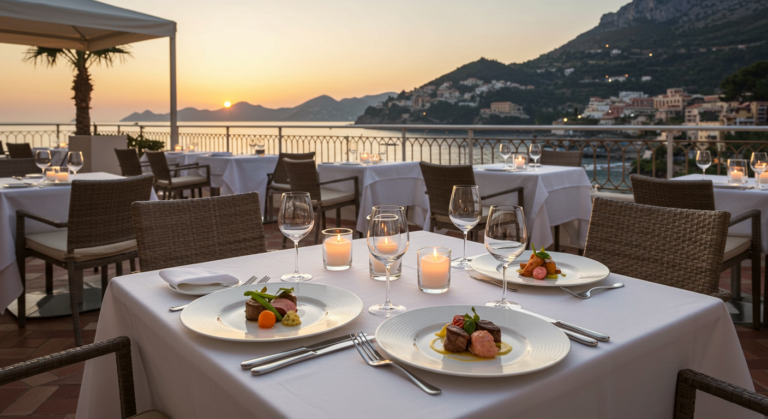
Chicago carries the state’s fine dining reputation almost single-handedly, with a restaurant scene that ranges from ambitious tasting menus to steakhouses that take their beef as seriously as their wine lists. Expect polished dining rooms, confident wine pairings and the kind of service that anticipates your next request before you’ve quite formed it. Outside the city, formal dining thins out considerably – this is a state where the best meals downstate tend to be the unpretentious ones, which is rather the point.
Where the Locals Eat
Deep-dish pizza is the dish everyone arrives wanting to argue about, and Chicago’s neighbourhood pizzerias will happily oblige, though locals are just as likely to point you toward a tavern-style thin crust, cut into squares, as the “real” Chicago pizza. Beyond pizza, diners, taverns and barbecue joints dominate the casual scene statewide, alongside farmers’ markets that run strong through the warmer months in towns of every size.
Hidden Gems in Illinois
The genuinely memorable meals in Illinois tend to happen off the main strip – a family-run diner along old Route 66, a smokehouse in a town you’ve never heard of, a bakery near a courthouse square that’s been doing the same pie since before anyone local can remember. Ask, rather than assume the obvious choice is the best one.
Exploring Illinois: Flatter Than You Think, Prettier Than You’d Guess
Illinois divides broadly into three: Chicago and its northeastern collar, the agricultural heartland of central Illinois, and the hillier, more wooded south near the Shawnee National Forest. The contrast between them is sharper than the state’s reputation for flatness suggests – yes, the central prairie really is as flat as advertised, but the south rolls and folds in a way that surprises most first-timers.
The Mississippi River forms the state’s western edge, the Ohio its southern tip, and Lake Michigan its shoreline in the northeast, giving Illinois water on three sides despite being thoroughly landlocked in spirit. Small river towns along the Mississippi retain a 19th-century charm, while the capital, Springfield, sits roughly in the geographic middle, both literally and historically. The scenery rewards patience rather than spectacle – vast skies, enormous fields, grain elevators standing like modest cathedrals over the horizon.
Things to Do in Illinois: Museums, Mark Twain Territory and the Odd Giant Ball of Twine
Chicago alone could fill a week – world-class museums, architecture river cruises that explain the skyline better than any guidebook, and an art scene that punches well above its postcode. Springfield offers a cluster of sites connected to Abraham Lincoln, including his home and tomb, genuinely moving even for visitors with only a passing interest in 19th-century politics. Route 66 enthusiasts can trace the old highway’s original Illinois stretch, complete with roadside oddities and diners that have barely updated their menus since the Eisenhower administration.
Further south, river towns along the Mississippi offer slower afternoons – antique shops, paddlewheel boat views, a pace of life that Chicago visitors sometimes need a day or two to adjust to. Add in state fairs, harvest festivals each autumn, and small-town parades that take themselves admirably seriously, and Illinois reveals itself as a state built for unhurried curiosity rather than box-ticking.
Outdoor and Adventure Activities in Illinois: Modest Hills, Serious Trails
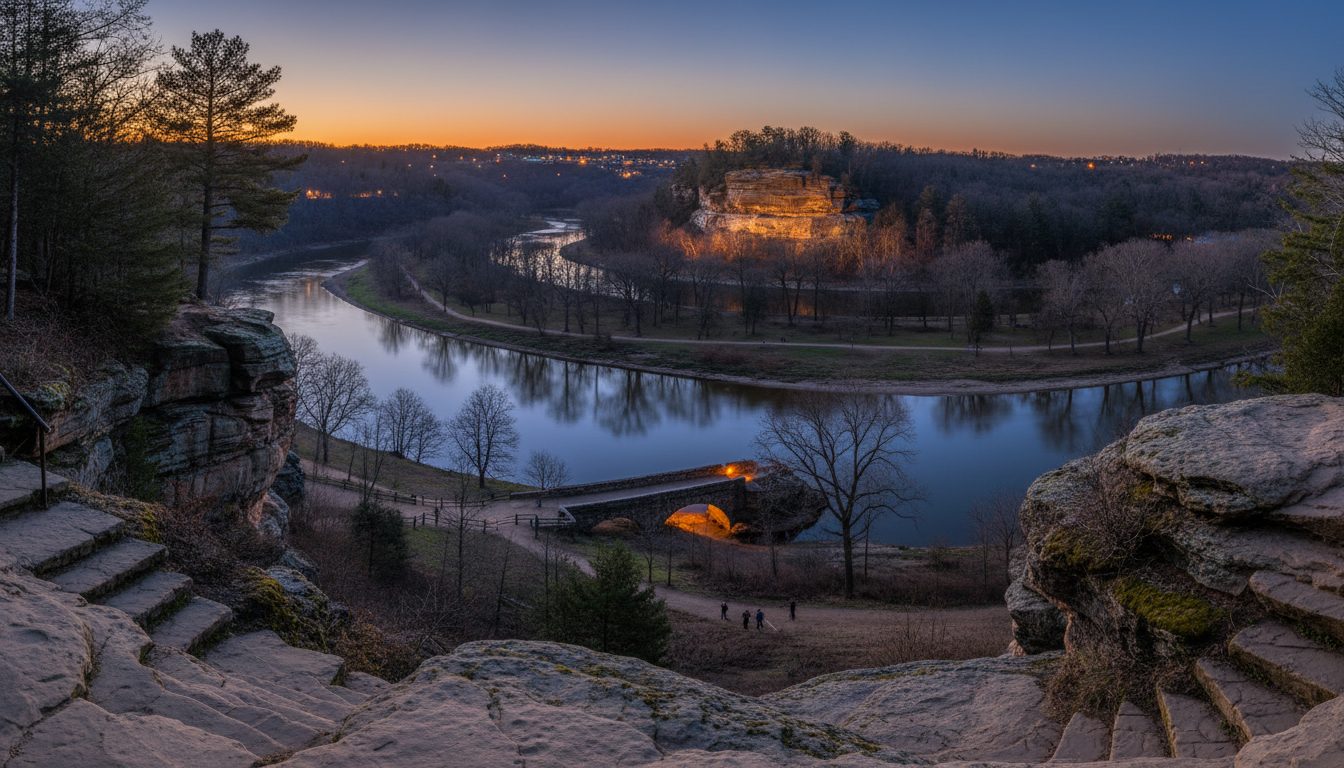
Illinois won’t test a serious mountaineer, but it offers more outdoor variety than its flat reputation suggests. Shawnee National Forest, down in the state’s southern tip, provides proper hiking among sandstone bluffs and the sort of autumn colour that draws people back year after year – the fall foliage here typically peaks a little later than in the north, running into early November. Cycling is excellent across much of the state thanks to an extensive network of rail-trails, flat and family-friendly by design.
Lake Michigan’s shoreline offers beach days, sailing and long lakefront walks through the warmer months, roughly mid-June to early September, with September itself often the more comfortable choice for crowds and temperature alike. Canoeing and kayaking on the state’s rivers are popular in central and southern Illinois, and birdwatchers rate the wetlands along the Mississippi flyway highly during migration season.
Illinois for Families: Museums That Welcome Sticky Fingers
Illinois works well for families, particularly those with children drawn to hands-on learning over passive sightseeing. Chicago’s museums are genuinely built for younger visitors, with interactive exhibits that keep school-age children occupied for hours rather than minutes. Springfield’s Lincoln sites suit slightly older children studying American history, while Route 66 road trips appeal to teenagers who enjoy a bit of kitsch alongside their geography lesson.
Lake Michigan’s beaches offer straightforward summer fun for younger kids, though parents should note water temperatures stay bracingly cool even in August. Severe weather, including tornadoes, is a genuine spring consideration, mostly April and May, so families travelling then should keep half an eye on forecasts. Overall, this is a state that rewards families willing to drive between attractions rather than stay put in one resort.
History and Culture of Illinois: Lincoln Country and the Architecture Capital
Illinois’ identity is inseparable from Abraham Lincoln, who built his legal and political career here before the presidency, and Springfield preserves that legacy with unusual thoroughness. Further back, the state’s Native American history includes the Cahokia Mounds, remnants of a sophisticated pre-Columbian city near present-day Collinsville, worth the detour for anyone with an interest in how old America actually is.
Chicago, meanwhile, rebuilt itself after the Great Fire of 1871 into something close to an open-air architecture museum, pioneering the skyscraper and shaping American design for a century afterward. Jazz and blues both have deep Chicago roots, and the city’s cultural festivals run through the summer months in particular. Downstate, county fairs and harvest festivals preserve a quieter, more agricultural strand of Illinois tradition – equally authentic, considerably less photographed.
Shopping in Illinois: Boutiques, Antiques and a Great Deal of Corn-Themed Merchandise
Chicago delivers serious shopping, from flagship department stores along the Magnificent Mile to independent boutiques in neighbourhoods that reward wandering rather than mapping. Vintage and antique shops cluster in several river towns along the Mississippi, offering genuinely good browsing for anyone with an afternoon to spare and a willingness to haggle gently. Farmers’ markets, running through the warmer months statewide, are the best place to pick up local honey, jams and produce worth packing carefully.
Route 66 memorabilia is its own small industry, for better or worse, and makes for an honest, slightly tongue-in-cheek souvenir. Anyone wanting something more considered should look to Chicago’s design and craft shops, where the city’s architectural obsessions spill nicely into homewares.
Where to Stay in Illinois: City Lights or Prairie Quiet
Chicago is the obvious base for a first visit, walkable in its core neighbourhoods, superbly connected, and lively enough that a week barely scratches the surface. It suits couples and city-break groups best, less so anyone craving total quiet. Springfield makes sense as a base for history-focused travellers, central enough to combine with day trips and calm enough to actually digest what you’ve seen. Smaller river towns along the Mississippi suit travellers wanting a slower pace and a genuine sense of small-town Illinois, though a car becomes non-negotiable the moment you leave Chicago’s grid. For those wanting more space and flexibility than a hotel allows, particularly families or groups travelling together, villas in Illinois are worth considering as a base.
Practical Tips for Visiting Illinois: What to Know Before You Go
The currency is the US dollar, English is the primary language, and tipping is expected rather than optional – 15 to 20 percent at restaurants is standard practice. Chicago is generally safe for visitors who exercise normal city caution, though as with any large American city, it pays to know which neighbourhoods you’re wandering into after dark. Winters, January and February especially, bring genuinely harsh cold, while late spring carries a real risk of severe thunderstorms and occasional tornadoes, mostly April and May – worth checking forecasts if travelling then.
Book accommodation and popular Chicago restaurants well ahead for summer visits, when prices surge and demand is high; September through November offers lower rates and thinner crowds, with January and February cheapest of all for those who don’t mind the cold. A car is strongly recommended for anything beyond Chicago itself.
Illinois FAQs
What is the best time to visit Illinois?
Late April through early June, and August through mid-October, offer the most comfortable weather. September and early October are the sweet spot for mild temperatures, fall colour and smaller crowds, while mid-October brings peak foliage in the north and late October into November in the south.
How do I get to Illinois?
Most visitors fly into Chicago O’Hare International Airport, which handles international and domestic flights and sits around 30-45 minutes from downtown Chicago. For southern Illinois, St Louis’s Lambert International Airport is often the quicker option, about two hours from Carbondale by road.
What is Illinois known for?
Illinois is known for Chicago’s architecture, museums and deep-dish pizza, Abraham Lincoln’s historic sites in Springfield, the original stretch of Route 66, and its flat prairie farmland broken by the Mississippi and Ohio rivers.
How many days do you need in Illinois?
A week suits most itineraries well: three or four days in Chicago, followed by two or three exploring Springfield and a river town or Route 66 stretch. A long weekend works for Chicago alone, but downstate Illinois rewards a slower, longer visit.
Is Illinois good for families?
Yes, particularly for families who enjoy hands-on museums, history and road trips over beach holidays. Chicago’s museums suit younger children well, Springfield’s Lincoln sites suit older ones, and a car makes downstate travel far easier with kids in tow.
Where is the best place to stay in Illinois?
Chicago suits first-time visitors and couples wanting walkable city life. Springfield suits history-focused travellers. Smaller Mississippi River towns suit those wanting a slower, more rural pace, though a car is essential outside Chicago.
Do you need a car in Illinois?
Not in Chicago itself, which is walkable and well served by public transport, but almost certainly yes everywhere else. Amtrak connects Chicago with Springfield and some downstate towns, but a car remains the practical choice for exploring beyond the rail line.
Where to stay
Villas in Illinois
A selection from our 48 luxury villas in Illinois.