Best Time to Visit Krabi: Karsts, Monsoons & Railay Climbs
The best time to visit Krabi is during the dry season, from November to March, when rainfall is low, skies are clear and the sea around Railay and the Phi Phi islands is calm enough for island hopping. Shoulder months of April and October offer a balance of lower prices and reasonably reliable weather. The wettest months, typically June through October, bring the heaviest rain but also the lowest prices and the quietest beaches.
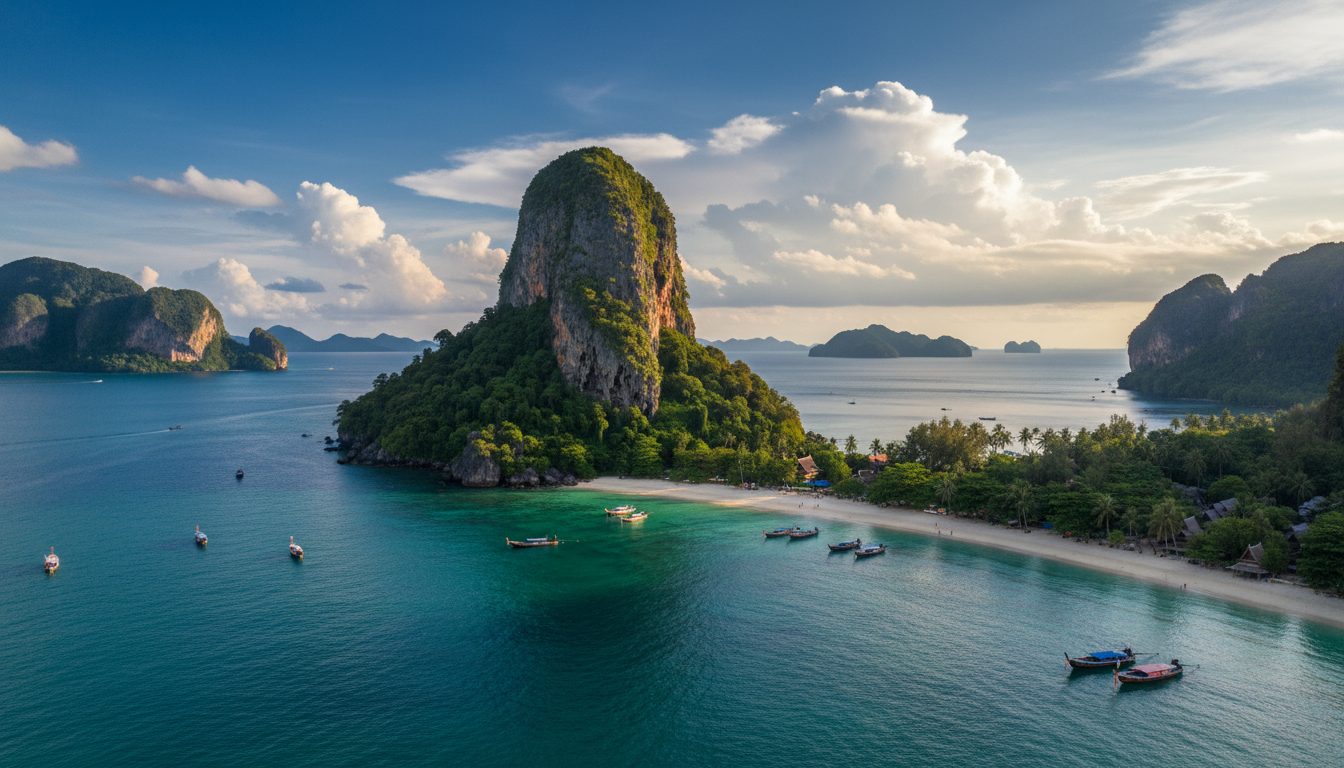
Here’s the thing about Krabi that nobody quite tells you until you’ve stood beneath one of its limestone karsts, neck craned, slightly sunburnt: the scenery does something no brochure photo can capture, which is to keep looking different depending on the light. At 6am the cliffs are charcoal silhouettes against a pink sky. By noon they’re a flat, almost aggressive green. At sunset they turn the colour of a good whisky. You could visit Krabi at the “wrong” time of year and still see something worth the flight. That said, there is absolutely a wrong time to be caught in an open-air longtail boat during a tropical downpour, so let’s talk timing properly.
Best Time to Visit Krabi: Dry Season (November to March)
This is peak season, and it earns the title honestly. Daytime temperatures sit between 24°C and 32°C (75-90°F), humidity drops to something approaching bearable, and rain is the exception rather than the rule. Seas are calm, visibility for snorkelling and diving around the Phi Phi islands and Koh Poda is at its best, and Railay’s climbing routes are dry rock rather than slick hazard. It’s also, unsurprisingly, when everyone else has worked this out too. Ao Nang’s beach road fills with tour touts and selfie sticks, hotel prices climb steadily toward December, and Christmas through early January is the single busiest, priciest stretch of the Krabi year – book ahead or resign yourself to whatever’s left. Loy Krathong, the lantern and floating-candle festival, usually falls in November and is genuinely worth arranging a trip around.
Best Time to Visit Krabi: Hot Season (April to May)
April is Krabi turned up to eleven – temperatures regularly push past 34°C (93°F), the air sits heavy and still, and even locals seem to move more slowly. Songkran, the Thai New Year water festival, falls in mid-April and transforms the streets of Krabi Town into a cheerful, soaking free-for-all; wonderful fun, less wonderful if you’re trying to keep electronics dry or simply walk anywhere without being drenched by a stranger with a water pistol the size of a bazooka. Crowds thin noticeably after Songkran as the heat bites, and prices begin to soften. This suits travellers who run cold, don’t mind an afternoon spent entirely in the shade or the pool, and who’d rather pay less to see the same karsts minus the queue for the longtail boats.
Best Time to Visit Krabi: Rainy Season (June to October)
The southwest monsoon arrives in earnest around June and lingers, with September typically the wettest month of all. Rain tends to fall in short, intense bursts rather than relentless grey drizzle – an hour of genuine tropical theatre, thunder included, followed by sunshine strong enough to dry the pavements within the hour. Temperatures stay warm, 25-31°C (77-88°F), but humidity is high and some boat trips to outlying islands get cancelled when seas turn rough. This is also when prices drop furthest, beaches empty out, and restaurants that were fully booked in January will happily seat you without a reservation. It suits travellers with flexible itineraries, a decent rain jacket, and no fixed idea that every day must involve a boat.
Krabi Shoulder Season: The Sweet Spot
If you want the honest answer to the best time to visit Krabi without the crowds of December or the gamble of August, aim for late October into early November, or March into early April. These shoulder windows deliver mostly dry weather, warm but not punishing heat, and prices well below peak. Hotels and dive operators are glad to see you and haven’t yet raised their rates for the season. Beaches that feel shoulder-to-shoulder at Christmas have actual room to lay a towel. The trade-off is a slightly higher chance of a passing shower – a fair exchange, most would agree, for a Railay sunset without forty other people in the frame.
The Case for Visiting Krabi in the Off-Season
There’s a quieter argument for June through September that rarely makes it into the standard advice. The limestone karsts, freshly rained on, turn a deeper, more saturated green than they ever manage in the dry months. Waterfalls inland – normally a trickle by March – run properly, which makes the trek to see them worthwhile rather than faintly disappointing. Restaurants are relaxed, service is unhurried, and the savings on accommodation can be substantial. You’ll need to accept the odd washed-out afternoon and a reduced schedule of island boats, but for travellers chasing value and a sense of having the place to themselves, the off-season rewards those willing to pack an umbrella alongside the sunscreen.
Who Should Visit Krabi When
Families chasing guaranteed sunshine and calm water for young swimmers should aim for December to February, accepting the crowds as the price of reliability. Divers and snorkellers get the clearest visibility in the same window, extending into March. Climbers heading to Railay’s famous limestone walls want dry rock, which again points to the November-to-April stretch. Budget-conscious travellers, photographers who prefer dramatic skies to flat blue ones, and anyone allergic to queues should look at May, June or late October. Honeymooners wanting both good weather and slightly thinner crowds than Christmas week do well with late October or March. For a fuller sense of what the region offers beyond the forecast, the Krabi Travel Guide covers the ground in more detail.
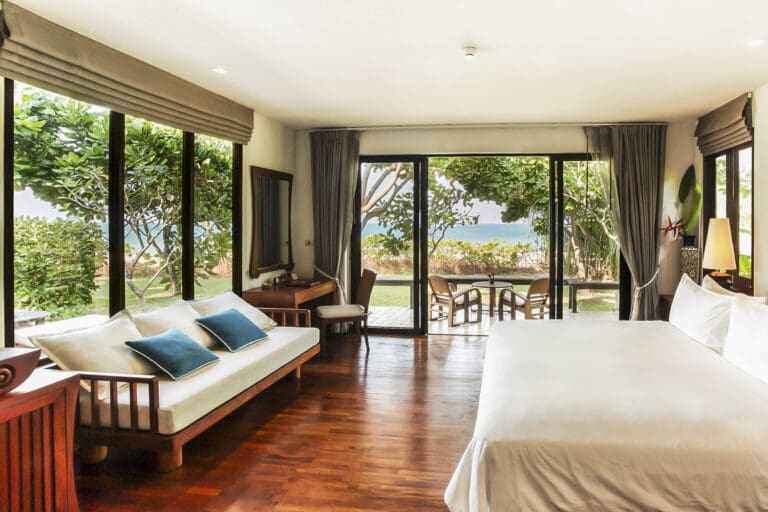
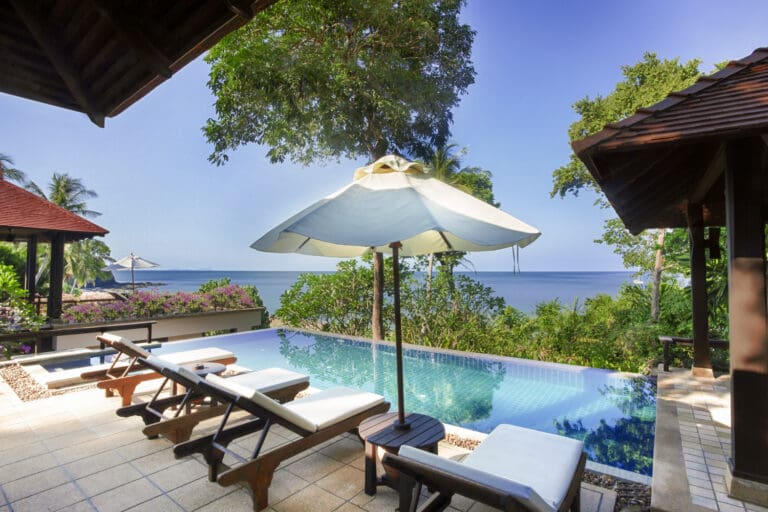
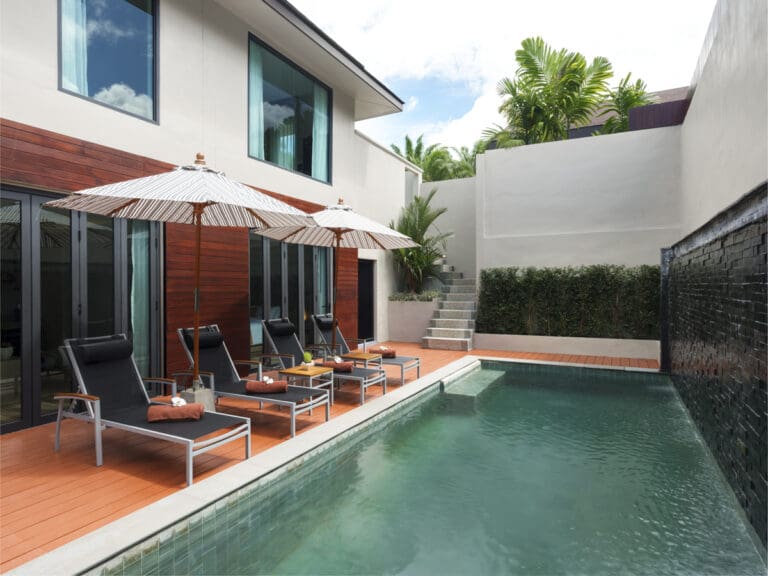
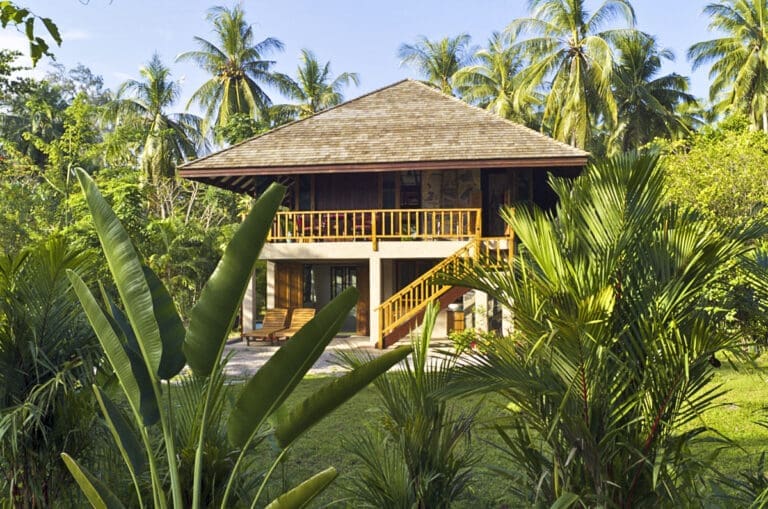
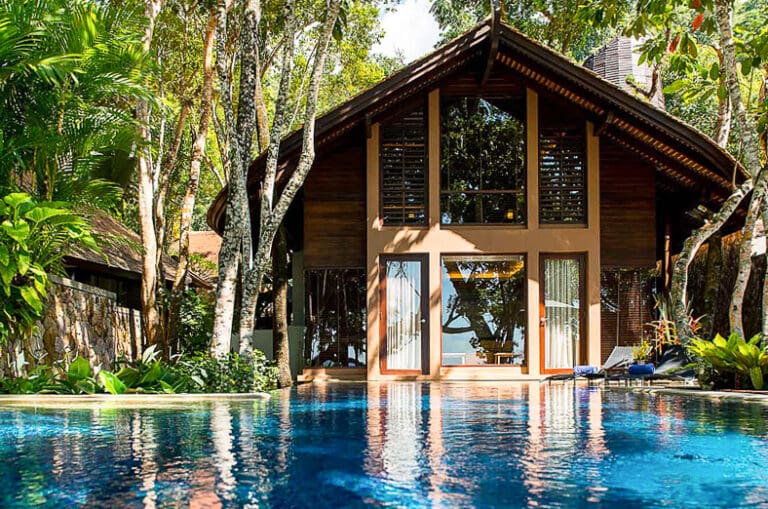
Whatever month you choose, book your villas in Krabi well ahead of the dry season.
Krabi Weather and Seasons FAQs
What is the rainiest month in Krabi?
September is typically the wettest month, with the heaviest and most frequent rainfall of the year, though showers usually arrive in short, heavy bursts rather than all-day drizzle.
Can you visit Krabi during the monsoon season?
Yes, many travellers visit between June and October. Expect intermittent heavy rain, occasional cancelled boat trips to outer islands, and significantly lower prices and crowds compared to the dry season.
Is Krabi hotter than Phuket?
The two are close neighbours with very similar climates, sharing the same dry and rainy seasons and comparable average temperatures throughout the year.
Keep reading
More on Krabi
- Travel guideKrabi Travel Guide
- RestaurantsBest Restaurants in Krabi
- Food & wineKrabi Food & Wine
- FamiliesKrabi with Kids
Guides to places in Krabi
Where to stay
Villas in Krabi
A selection from our 67 luxury villas in Krabi.